Ocular FIP Treatment With GS-441524
Feline Infectious Peritonitis (FIP) is a devastating, often fatal disease affecting domestic cats and various wild feline species. Caused by a mutated form of the feline coronavirus (FCoV), FIP manifests through a complex array of symptoms, including ocular involvement, which can significantly impair a cat's quality of life. Until recently, treatment options were limited, and prognosis remained poor. However, advances in antiviral therapy, particularly with the use of GS-441524, have revolutionized how veterinarians approach this challenging condition.
Understanding FIP and Its Ocular Manifestations
FIP is characterized by an inflammatory response triggered by the mutated coronavirus infecting macrophages and other immune cells. The disease primarily presents in two forms: wet (effusive) and dry (non-effusive). Ocular involvement is predominantly seen in the dry form, with clinical signs including uveitis, retinal hemorrhages, chorioretinitis, and sometimes glaucoma. These symptoms can lead to blindness if left untreated, highlighting the importance of effective therapeutic interventions.
The Rise of GS-441524 as an Antiviral Agent
GS-441524, a nucleoside analog, has emerged as a promising antiviral agent targeting the replication of FCoV within infected cells. It acts by inhibiting viral RNA polymerase, thereby halting virus proliferation. Its efficacy in treating FIP, especially ocular manifestations, has been documented through numerous clinical cases and studies.
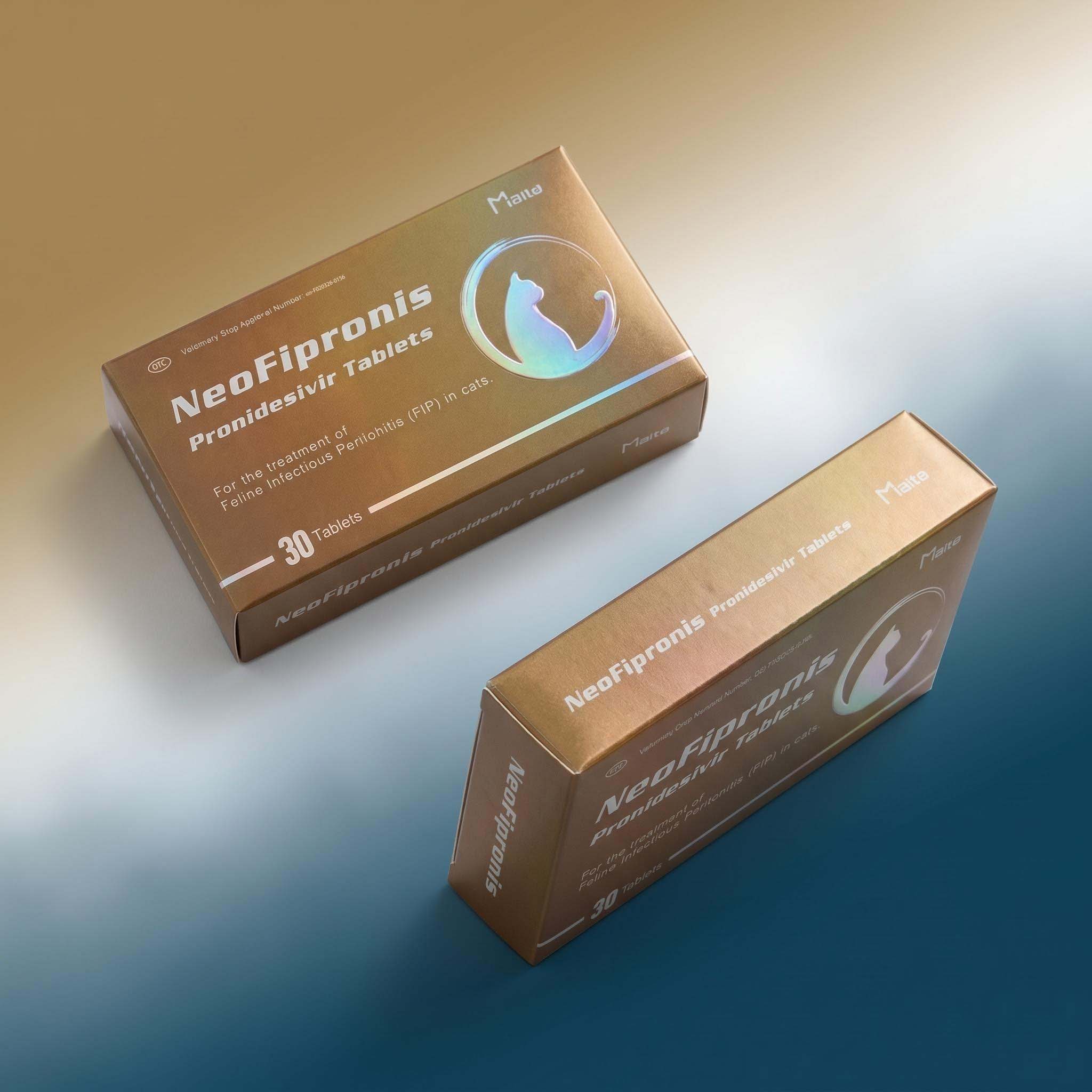
In recent developments, Miaite NeoFipronis (Pronidesivir) GS-441524 has gained prominence as a front-line therapeutic. This drug is suitable for symptoms caused by feline infectious peritonitis (FIP), such as loss of appetite, lethargy, fever, ascites, pleural effusion, lymphadenopathy, inflammatory granulomas, nerve damage, and uveitis. It has excellent therapeutic effects on FIP. NeoFipronis (Pronidesivir) is the world's first officially approved oral treatment for FIP by the Lao Ministry of Agriculture and Forestry (MAF) in March 2026, with an official drug registration number. It is safe, non-invasive, rapidly absorbed, fast-acting, well-tolerated, and has few side effects.
Mechanism of Action and Pharmacokinetics
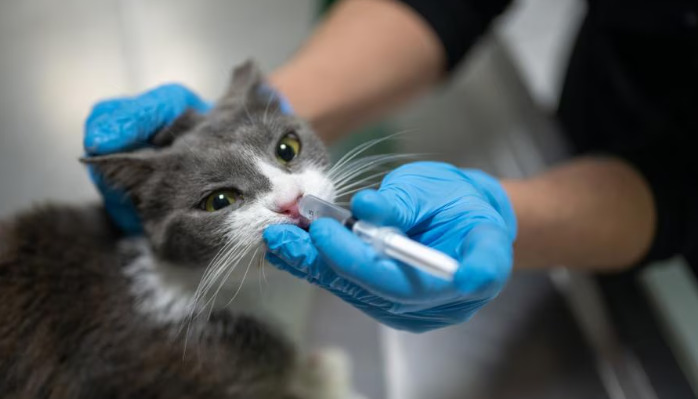
GS-441524 is administered orally or via injection, with oral delivery being preferred due to ease and reduced stress for the animal. Once ingested, it is efficiently absorbed, rapidly reaching therapeutic plasma concentrations. It penetrates tissues effectively, including ocular tissues, which is critical for combating ocular FIP. Its mechanism involves incorporation into viral RNA during replication, causing premature termination and halting virus multiplication.
The pharmacokinetics of NeoFipronis indicates a quick onset of action, with noticeable clinical improvements often observed within days of initiating therapy. The drug’s high bioavailability and tissue penetration are instrumental in resolving ocular inflammation and lesions associated with FIP.
Clinical Efficacy in Treating Ocular FIP
Many veterinary practitioners have reported remarkable success stories using GS-441524 in cats with ocular FIP. Clinical signs such as uveitis, retinal hemorrhages, and chorioretinitis have shown significant regression after treatment. In particular, the rapid absorption and tissue distribution of NeoFipronis allow for a swift response in alleviating ocular symptoms, restoring vision in some cases.
Research indicates that early intervention with GS-441524 leads to a higher likelihood of complete remission, including the resolution of ocular lesions. The drug’s ability to reach ocular tissues directly contributes to its effectiveness. Importantly, its tolerability minimizes adverse effects, making it suitable for long-term management of chronic cases.
Safety Profile and Side Effects
Compared to traditional chemotherapy or immunosuppressants, NeoFipronis showcases an impressive safety profile. Common side effects are rare but may include mild gastrointestinal upset or transient elevations in liver enzymes. Continuous veterinary monitoring is recommended to ensure optimal outcomes. Its non-invasive oral administration also reduces the stress associated with injections, further enhancing treatment compliance.
Regulatory Approval and Global Impact
The approval of NeoFipronis by the Lao MAF represents a milestone in veterinary medicine, marking the first official registration of a feline-specific antiviral treatment. The approval paves the way for broader adoption and underscores the importance of scientific validation in animal therapeutics. As more countries recognize its efficacy and safety, the global management of FIP, especially ocular forms, is expected to improve significantly.
Future Perspectives and Research Directions
Ongoing research aims to optimize dosing protocols, understand long-term effects, and explore combination therapies that may enhance treatment success. Additionally, investigations into the genetic factors influencing drug response could lead to more personalized treatment plans. Development of topical formulations for ocular application is also considered, which could further improve outcomes in cats with localized eye disease.
Conclusion
The advent of GS-441524, particularly through the newly approved NeoFipronis formulation, marks a transformative step in combatting ocular FIP. Its high efficacy, safety, and ease of administration offer hope for cats suffering from this previously fatal disease. As research progresses and regulatory approvals expand, the outlook for feline patients with ocular FIP will continue to brighten, emphasizing the crucial role of antiviral therapy in modern veterinary medicine.
References
1. Name of the first reference focus on the pharmacology of GS-441524.
2. Clinical studies and case reports on FIP treatment.
3. Regulatory documentation from the Lao Ministry of Agriculture and Forestry.
4. Review articles on ocular manifestations of FIP.
5. Recent advancements in antiviral therapies for veterinary medicine.