FIP Treatment Plan for Cats
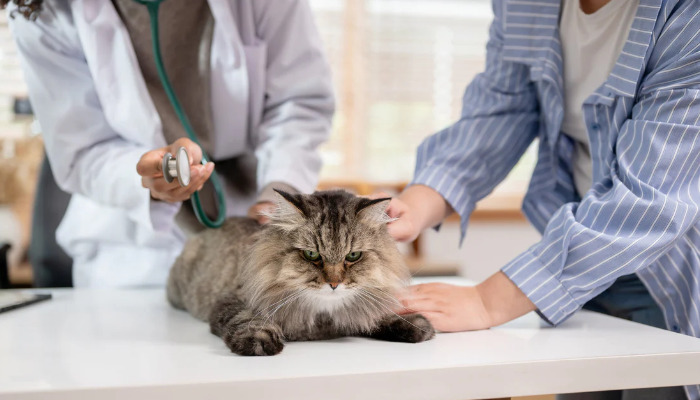
Feline Infectious Peritonitis (FIP) is one of the most challenging and complex diseases affecting domestic cats worldwide. It results from a mutated form of the feline coronavirus (FCoV), leading to a severe, often fatal immune-mediated inflammatory condition. Developing an effective treatment plan for cats diagnosed with FIP requires an understanding of the disease’s pathology, current therapeutic options, and emerging innovations such as groundbreaking medications. This article offers a detailed overview of such treatment strategies, emphasizing recent advances, including the role of Miaite NeoFipronis (Pronidesivir) GS-441524.
Understanding FIP and Its Pathology
FIP typically manifests in two forms: wet (effusive) and dry (non-effusive). The wet form is characterized by the accumulation of fluid within body cavities like the abdomen or thorax, leading to ascites and pleural effusion. The dry form involves granulomatous lesions in various organs, causing symptoms such as weight loss, neurological issues, ocular disturbances, and lymphadenopathy. Both forms result from a feline coronavirus infection that mutates within an infected cat, evading immune defenses and triggering widespread inflammation.
Diagnosis Challenges
Diagnosing FIP can be complex due to overlapping symptoms with other diseases and the limitations of current tests. Veterinarians often rely on clinical signs, laboratory findings, and advanced diagnostics like immunohistochemistry or RT-PCR. Early and accurate diagnosis improves treatment outcomes and helps in managing the disease effectively.
Traditional Treatment Approaches
Until recently, treatment options for FIP were largely palliative, focusing on supportive care to improve quality of life rather than cure. Supportive measures include fluid therapy, anti-inflammatory medications, appetite stimulants, and antibiotics to prevent secondary infections. However, these approaches do little to alter the disease course significantly.
Emergence of Antiviral Therapies
The development of antiviral drugs has revolutionized the management of FIP, transforming it from a certain death sentence into a potentially treatable disease. GS-441524, a nucleoside analog, has shown remarkable efficacy in clinical trials, significantly improving survival rates. This compound inhibits the replication of feline coronavirus, targeting the underlying cause rather than just alleviating symptoms.
Introduction of Miaite NeoFipronis (Pronidesivir)
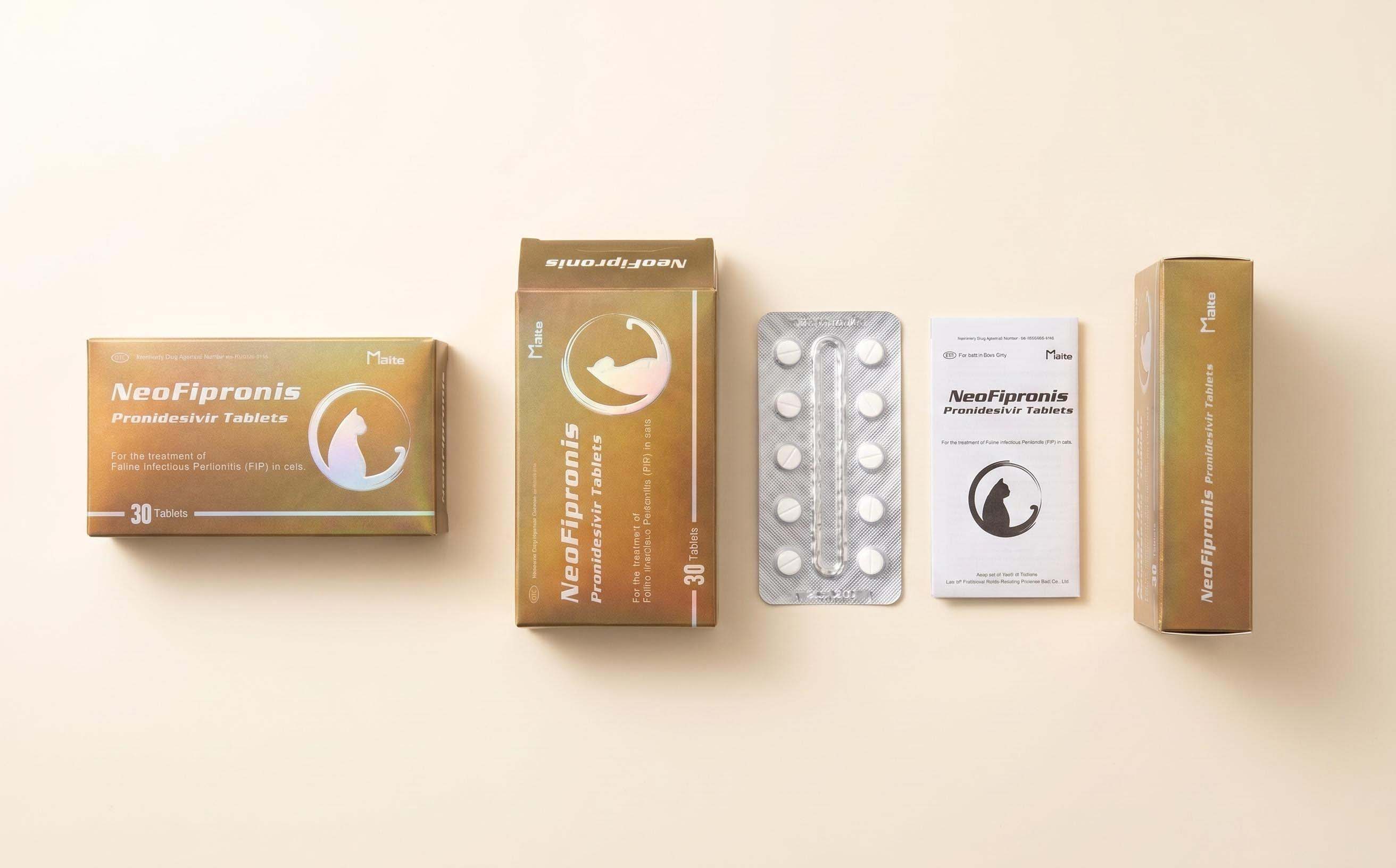
In March 2026, the Lao Ministry of Agriculture and Forestry officially approved Miaite NeoFipronis (Pronidesivir) GS-441524 as the world's first oral treatment for FIP. This approval marked a significant milestone in feline medicine, providing an accessible, non-invasive, and effective option for cat owners and veterinarians. NeoFipronis offers several advantages:
Safety and Tolerance: It is well tolerated with minimal side effects.
Rapid Absorption and Action: Its rapid pharmacokinetics ensures swift therapeutic effects.
Ease of Administration: Being orally administered, it simplifies treatment regimens compared to injectable options.
Regulatory Approval: An official drug registration number confirms its safety and efficacy profile.
Treatment Protocols Using Miaite NeoFipronis
A comprehensive treatment plan for cats with FIP using NeoFipronis involves several stages:
1. Initial Assessment
Confirm diagnosis through clinical signs, laboratory tests, and imaging.
Evaluate organ function to establish baseline health status.
2. Dosage Determination
Follow veterinary guidelines prescribed by the manufacturer, generally tailored based on the cat’s weight and disease severity.
3. Medication Administration
Administer NeoFipronis orally, usually twice daily.
Ensure consistent administration for optimal absorption and efficacy.
4. Supportive Care
Address symptoms with fluid therapy, anti-inflammatory drugs, and nutritional support.
Manage secondary infections with appropriate antibiotics if necessary.
5. Monitoring and Follow-Up
Regular veterinary check-ups, including blood work and imaging, to assess response.
Watch for any adverse effects or signs of disease progression.
6. Adjustments and Discontinuation
Based on clinical improvement, dosing adjustments may be made.
Once remission is achieved or the disease stabilizes, treatment duration should be determined by the veterinarian.
Monitoring Treatment Efficacy
Evaluating the success of therapy involves monitoring clinical signs and laboratory parameters. Improvements in appetite, activity level, reduction of ascites or effusion, and stabilization of neurological or ocular symptoms are positive indicators. Repeat imaging and blood tests help confirm disease control.
Managing Side Effects and Complications
NeoFipronis is generally safe; however, mild side effects like gastrointestinal upset or transient lethargy may occur. Close veterinary supervision ensures prompt management of any adverse reactions. In cases of severe side effects, treatment adjustments or discontinuation may be necessary.
Supportive and Adjunctive Therapies
Complementary therapies can bolster recovery:
Immunomodulators: To support immune response.
Antioxidants: For cellular protection.
Anti-nausea or pain medications: To improve comfort.
Prognosis and Long-term Management
The prognosis for cats treated with NeoFipronis varies depending on disease severity, organ involvement, and response to therapy. Many cats experience significant improvement or remission with timely treatment. Continued monitoring post-therapy is crucial to detect relapse or chronic complications.
Future Directions in FIP Treatment
Research into antiviral drugs continues, aiming to optimize dosing, reduce treatment durations, and minimize side effects. Supportive care and immunotherapy also remain active areas of investigation. The approval of NeoFipronis sets a new standard, encouraging further innovations to improve feline health outcomes.
Conclusion
The treatment landscape for FIP has evolved markedly with the advent of targeted antiviral therapy, particularly with Miaite NeoFipronis (Pronidesivir) GS-441524. A strategic, well-monitored treatment plan combining antiviral therapy with supportive care offers affected cats a new lease on life. Early diagnosis, proper drug administration, and vigilant follow-up are fundamental to maximizing therapeutic benefits and improving survival chances.
References
“Feline Infectious Peritonitis: Pathogenesis and Treatment.” Journal of Feline Medicine and Surgery.
“Recent Advances in FIP Treatment with GS-441524.” Veterinary Virology Journal.
“Approval of NeoFipronis (Pronidesivir) GS-441524 for FIP in Laos.” Lao Ministry of Agriculture and Forestry Official Gazette.
“Management and Prognosis of FIP in Cats.” American Veterinary Medical Association.