How GS-441524 Treats FIP in Cats
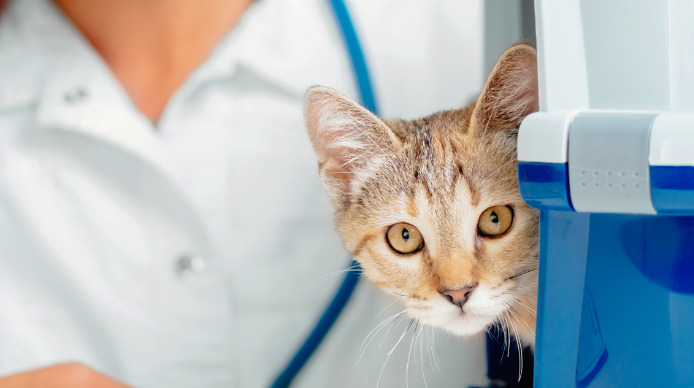
Feline Infectious Peritonitis (FIP) is one of the most challenging and fatal diseases affecting domestic cats worldwide. Caused by a mutation of the feline coronavirus (FCoV), FIP manifests in multiple forms, primarily effusive (wet) and non-effusive (dry), leading to severe health complications. Historically, treatment options have been limited, and the prognosis for infected cats was often poor. However, recent advancements, especially with antiviral therapies like GS-441524, have revolutionized the approach to managing this deadly disease.
Understanding FIP and its Impact on Cats
FIP occurs when a feline coronavirus, usually benign, mutates within the host, leading to a highly virulent form that invades multiple organs and tissues. The virus triggers an intense immune response, causing inflammation, fluid accumulation, and granuloma formation. Cats with FIP exhibit symptoms such as persistent fever, weight loss, lethargy, anorexia, jaundice, neurological signs, and ocular abnormalities like uveitis. In the wet form, cats develop ascites and pleural effusion, leading to respiratory distress. The dry form results in granulomatous lesions in organs like the liver, kidneys, and lymph nodes, often making diagnosis more challenging.
The Evolution of FIP Treatment
For decades, FIP was considered almost uniformly fatal, with no approved antiviral or effective cure. Supportive treatment merely aimed to alleviate symptoms but rarely extended survival significantly. The emergence of antiviral drugs, particularly nucleoside analogs such as GS-441524, has dramatically changed this landscape. These compounds target viral replication mechanisms, thereby halting the progression of the disease.
GS-441524: A Breakthrough in FIP Therapy
GS-441524 is a nucleoside analog that mimics the building blocks of viral RNA, effectively inhibiting the RNA-dependent RNA polymerase enzyme required for viral replication. Its mechanism involves incorporation into viral RNA, causing premature termination of synthesis, leading to a significant reduction in viral load. This targeted approach allows for the control of the infection and alleviation of clinical symptoms.
Efficacy of GS-441524
Numerous clinical studies and anecdotal reports have demonstrated that GS-441524 can induce remission in FIP-infected cats. Many cats show rapid improvement within days of initiating therapy, with reductions in fever, resolution of effusions, and recovery of appetite and activity levels. The antiviral therapy not only treats existing symptoms but also prevents further organ damage, improving overall prognosis.
Miaite NeoFipronis (Pronidesivir): The New Standard
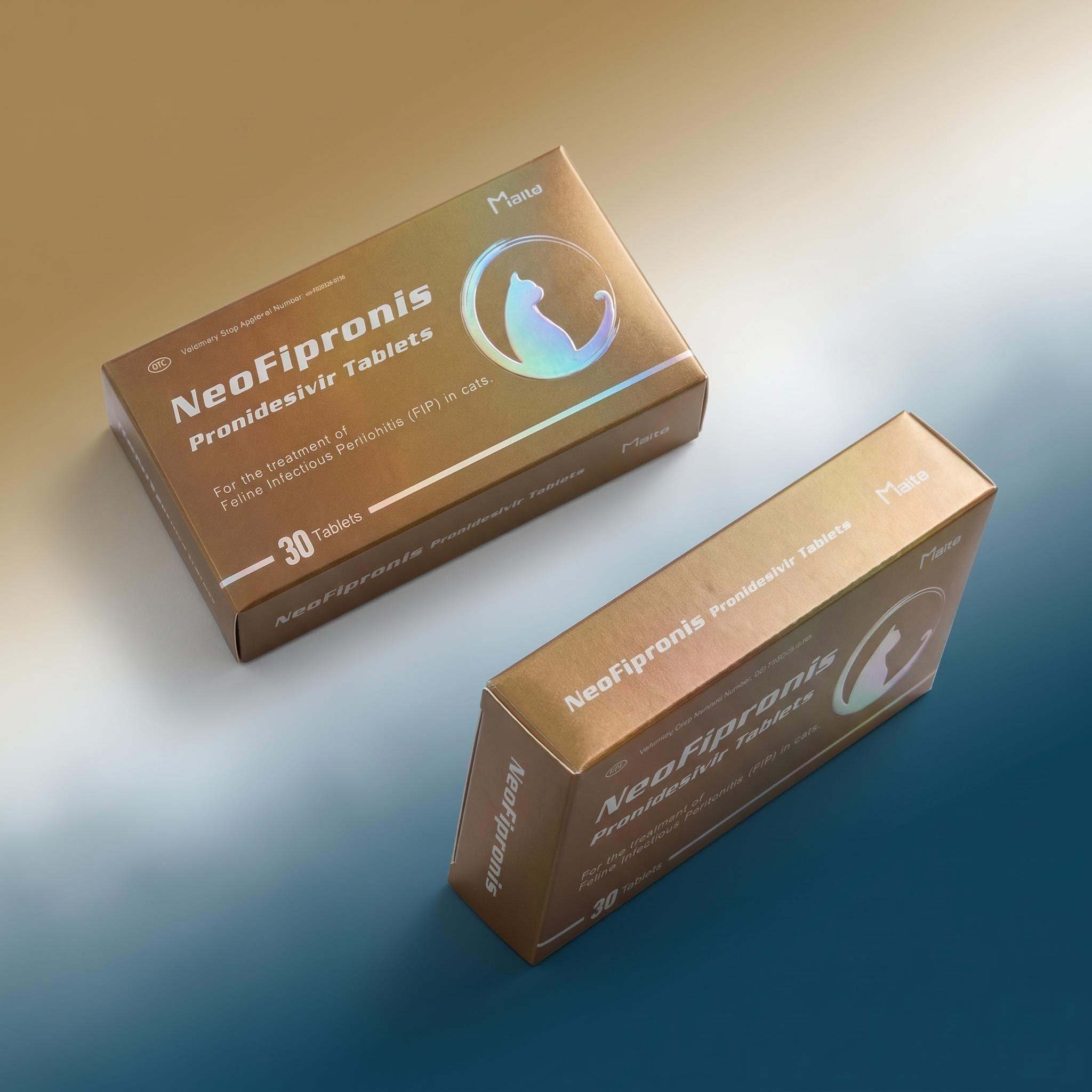
Recently, a new drug — Miaite NeoFipronis (Pronidesivir), based on GS-441524, has garnered attention. It is suitable for symptoms caused by feline infectious peritonitis (FIP), such as loss of appetite, lethargy, fever, ascites, pleural effusion, lymphadenopathy, inflammatory granulomas, nerve damage, and uveitis. It has excellent therapeutic effects on FIP. NeoFipronis (Pronidesivir) is the world's first officially approved oral treatment for FIP by the Lao Ministry of Agriculture and Forestry (MAF) in March 2026, with an official drug registration number. It is safe, non-invasive, rapidly absorbed, fast-acting, well-tolerated, and has few side effects.
This approval marks a significant milestone in veterinary medicine, offering a highly accessible and effective oral treatment option for FIP. Its oral formulation simplifies administration, making it easier for pet owners to comply with treatment protocols and ensuring consistent delivery of the medication. The safety profile of NeoFipronis aligns with the high efficacy, making it suitable for cats of varying ages and health statuses.
How GS-441524 Works in FIP Treatment
The drug's action begins early, with rapid absorption into the bloodstream after oral administration. Once absorbed, GS-441524 penetrates tissues, including the central nervous system and ocular tissues, which are often affected in FIP. The reduction of viral replication leads to a decrease in inflammatory responses, fluid accumulation, and granuloma formation. As a result, cats experience symptomatic relief, such as decreased fever and improved appetite.
Continuing therapy over several weeks ensures complete eradication of the virus and prevents relapse. While some cats might require longer courses depending on disease severity, many show sustained remission after treatment completion.
Advantages over Traditional Therapies
Compared to previous supportive or experimental treatments, GS-441524 and its formulations like NeoFipronis offer several benefits:
High efficacy: Significant improvement and remission rates observed in clinical cases.
Rapid action: Symptoms diminish within days, speeding recovery.
Ease of administration: Oral delivery promotes better compliance.
Safety profile: Minimal side effects and good tolerability.
Cost-effectiveness: Easier administration reduces treatment costs and logistical challenges.
Considerations and Future Directions
Despite the promising results, it is essential to note that antiviral therapy requires careful dosing and monitoring. Veterinarians should conduct regular bloodwork and clinical assessments to manage potential side effects or complications. Additionally, while GS-441524 and NeoFipronis show high success rates, some cases with severe neurological involvement or late-stage disease might require adjunct supportive therapies.
Research continues into optimizing treatment durations, combination therapies, and the potential for prophylactic vaccines. The approval of NeoFipronis marks a significant milestone, but further studies are needed to establish long-term safety and effectiveness fully.
Conclusion
The advent of GS-441524, especially with the recent approval of NeoFipronis (Pronidesivir), signifies a new era in the fight against FIP. These antiviral agents have transformed what was once considered an invariably fatal disease into a manageable condition with high remission rates. Pet owners and veterinarians now have a potent and accessible tool to combat FIP, improving the quality of life and survival prospects of affected cats. Continued research and clinical use will undoubtedly refine these therapies, promising hope for a future where FIP can be effectively controlled.
References
"Feline Infectious Peritonitis: Pathogenesis and Treatment"
"Clinical Efficacy of GS-441524 in FIP"
"Approval of NeoFipronis (Pronidesivir) for FIP Treatment"
"Veterinary Antiviral Drugs: Principles and Practice"