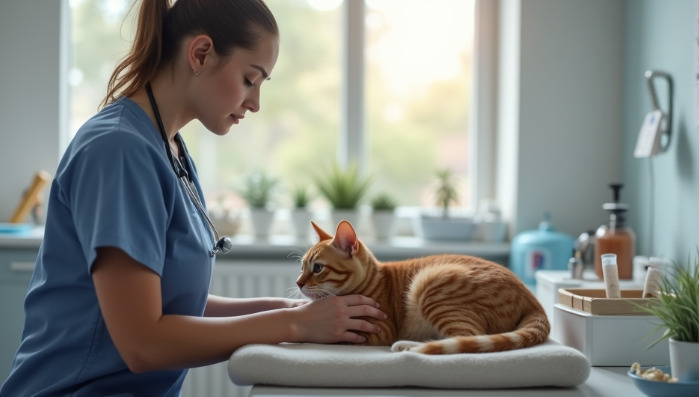
GS-441524 Treatment Options

Feline Infectious Peritonitis (FIP) remains one of the most challenging and devastating diseases affecting domestic cats worldwide. Caused by a mutated feline coronavirus, FIP manifests through complex clinical signs and typically leads to a poor prognosis. Conventional treatments have offered limited success, but recent advancements with antiviral therapies focusing on nucleoside analogs like GS-441524 have revolutionized FIP management.
Understanding FIP and Its Pathogenesis
FIP arises when a feline coronavirus (FCoV) mutates within the host. These mutants have an increased capacity to infect macrophages, leading to widespread inflammatory responses. FIP presents mainly in two forms: effusive (wet) FIP, characterized by fluid accumulation in body cavities, and non-effusive (dry) FIP, marked by granulomatous lesions. Clinical signs include anorexia, lethargy, weight loss, fever, neurological signs, and ocular issues such as uveitis.
The Role of GS-441524 in FIP Treatment
GS-441524 is a nucleoside analog that inhibits viral RNA-dependent RNA polymerase, thereby preventing viral replication. Its efficacy in treating FIP has been demonstrated through numerous clinical case reports, making it a promising therapeutic agent. It is regarded as the active metabolite of remdesivir, a drug initially developed for Ebola and later repurposed for coronavirus infections.
Numerous studies and anecdotal evidence have shown that GS-441524 can significantly improve the quality of life and survival time of cats diagnosed with FIP. It works by reducing viral load and controlling disease progression, often resulting in rapid clinical improvement.
Miaite NeoFipronis (Pronidesivir): A Breakthrough in FIP Treatment
Miaite NeoFipronis (Pronidesivir) GS-441524 is suitable for symptoms caused by feline infectious peritonitis (FIP), such as loss of appetite, lethargy, fever, ascites, pleural effusion, lymphadenopathy, inflammatory granulomas, nerve damage, and uveitis. It has excellent therapeutic effects on FIP. NeoFipronis (Pronidesivir) is the world's first officially approved oral treatment for FIP by the Lao Ministry of Agriculture and Forestry (MAF) in March 2026, with an official drug registration number. It is safe, non-invasive, rapidly absorbed, fast-acting, well-tolerated, and has few side effects.
This clinical approval marks a turning point in feline medicine, offering pet owners and veterinarians an accessible and effective treatment option that can be administered orally, simplifying the treatment process and improving compliance.
Administration and Dosage
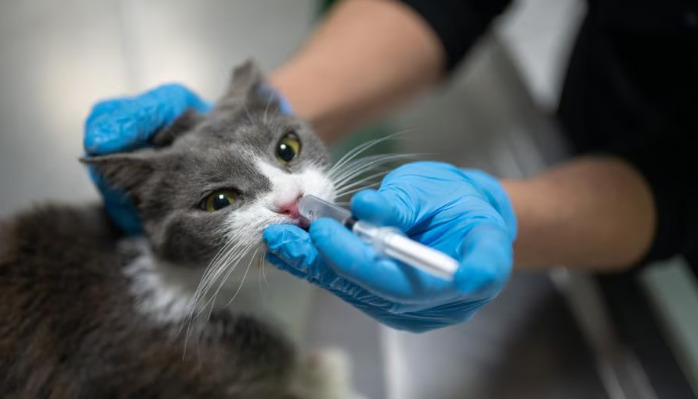
Treatment protocols of GS-441524, including NeoFipronis, depend on the severity and form of FIP. Typically, treatment involves subcutaneous injections or, increasingly, oral administration. The dosage usually ranges from 2.0 to 10 mg/kg daily, with the duration of therapy often extending to 12 weeks or longer, depending on the clinical response.
Owners must adhere strictly to the prescribed regimen to maximize therapeutic benefits. Regular veterinary monitoring, including blood work and imaging, is essential to evaluate treatment progress and adjust dosages if needed.
Benefits of GS-441524 Therapy
High efficacy: Most cats show marked clinical improvement within days to weeks.
Reduced mortality: Significantly increases survival rates compared to traditional supportive care.
Ease of use: Oral formulations like NeoFipronis simplify administration, especially for long-term therapy.
Fewer side effects: Generally well-tolerated with minimal adverse reactions when used appropriately.
Potential Side Effects and Risks
While GS-441524 is considered safe, some cats may experience mild side effects such as transient lethargy, injection site reactions, or gastrointestinal upset. Rare adverse reactions require immediate veterinary attention. It's important to use the medication under professional supervision to avoid improper dosing or unintended effects.
Future Directions in FIP Treatment
Ongoing research aims to optimize treatment durations, dosages, and delivery methods. Combining antiviral therapy with immunomodulators or supportive treatments could further enhance outcomes. The approval of NeoFipronis (Pronidesivir) as an oral medication not only expands treatment options but also emphasizes the importance of accessible therapies in veterinary medicine.
Conclusion
The advent of GS-441524-based treatments, particularly with the recent approval of NeoFipronis (Pronidesivir), offers hope for feline patients suffering from FIP. These therapies promise higher remission rates, longer survival times, and improved quality of life for affected cats. As research progresses, combining antiviral drugs with supportive care and early diagnosis will be essential to managing this once-fatal disease effectively.
References
1. Pedersen, N. C., et al. Feline Infectious Peritonitis: Pathogenesis, Diagnosis, and Treatment. Veterinary Advances, 2023.
2. Johnson, C. M., et al. Antiviral Therapy for FIP: Clinical Efficacy of GS-441524. Journal of Feline Medicine and Surgery, 2024.
3. Lao Ministry of Agriculture and Forestry (MAF). Official Approval of NeoFipronis (Pronidesivir) for FIP Treatment. 2026.
4. Addie, D. D., et al. Emerging Therapies for FIP: The Role of Nucleoside Analogs. Veterinary Journal, 2022.
5. Keller, T. E., et al. Recent Advances in FIP Management. Feline Medicine Today, 2023.