Is FIP Still Considered an Incurable Disease
Feline Infectious Peritonitis (FIP) has long posed grave concerns for cat owners, breeders, and veterinarians alike. Historically labeled as an incurable and invariably fatal disease, FIP has driven fear and heartbreak across the feline world. However, significant advances have come to light over recent years, signaling a shift in our understanding of the disease, especially regarding potential treatments. Is FIP still the dooming diagnosis it once was, or do contemporary medical breakthroughs paint a different picture?
What is FIP?
FIP manifests as a complex immune-mediated response to feline coronavirus (FCoV) infection. While most cats exposed to FCoV develop only mild gastrointestinal signs, a minority develop FIP as the virus mutates and triggers a fatal inflammatory cascade. FIP appears in two main forms: effusive (wet), which leads to fluid accumulation in the abdomen or chest, and non-effusive (dry), which presents with granulomas within organs. The disease’s rapid progression, subtle initial symptoms, and diagnostic challenges contribute to its notorious reputation.
Understanding the Cause
FIP arises from a mutation in the feline enteric coronavirus, allowing it to infect white blood cells and spread throughout the cat's body. The mutation is not yet fully understood, nor is it predictable; only a small percentage of cats with FCoV ever transition to FIP. This unpredictability results in a degree of helplessness among pet owners and the veterinary community, since most cats exposed to FCoV never develop FIP. Historically, the lack of understanding contributed to the belief that FIP was untreatable and unpreventable.
Traditional Management and Prognosis
For decades, FIP was managed primarily through palliative care. Veterinarians focused on alleviating symptoms, often with corticosteroids to reduce inflammation and immunosuppressive drugs to mitigate the immune system’s deadly overreaction. These approaches could sometimes prolong life minimally—weeks or months at best—but offered no hope for a cure.
The prognosis was always poor, with a near-100% fatality rate. Diagnosing FIP was also fraught with complexity, as no test could directly confirm the disease; diagnosis relied on clinical suspicion, ruling out other illnesses, and supportive laboratory findings such as elevated globulins, low albumin, or effusions. For pet owners, a diagnosis of FIP was considered functionally identical to a death sentence.
Breakthroughs in Antiviral Treatment
The landscape began to shift dramatically in the late 2010s with the emergence of direct-acting antivirals. Research into nucleoside analogs—particularly GS-441524—demonstrated the ability to rescue cats with FIP from the brink of death. These breakthroughs, spearheaded by Dr. Niels Pedersen’s team at UC Davis, shook the foundation of FIP management. GS-441524 inhibits viral RNA replication, thus halting the progression of infection and enabling recovery in many cats.
Field studies, though initially limited, showed striking results: cats with both wet and dry forms of FIP survived after a full course of oral or injectable treatment. While this therapy remained inaccessible in some regions due to regulatory hurdles, anecdotal and published evidence accumulated rapidly. Support groups and underground networks sprang up, as desperate owners sought out sources for these life-saving drugs.
How Does Treatment Work?
GS-441524 is most effective when administered early, before significant organ damage has occurred. The standard protocol involves daily dosing for 84 days, though individual requirements may vary depending on severity and disease form. In some cases, higher doses are needed for neurological FIP.
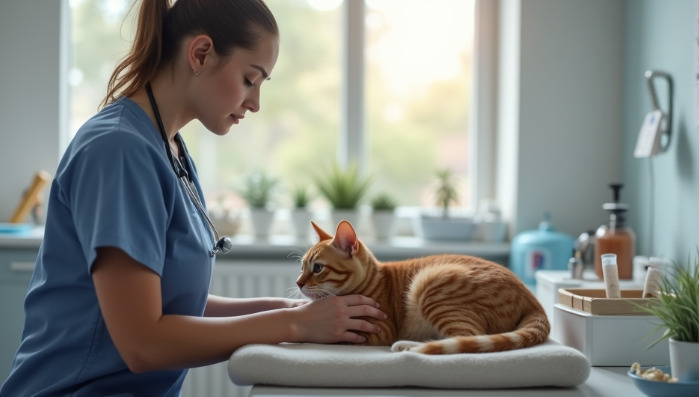
The administration process often involves collaboration between veterinarians and dedicated cat owners. Monitoring includes serial blood tests, imaging, and evaluation of clinical symptoms. The most common side effects are mild and include injection site discomfort and transient gastrointestinal upset. Cats generally tolerate therapy well, with visible improvements often seen within days to weeks.
Remission is not always permanent; relapses can occur, especially if dosing is insufficient or discontinued prematurely. However, many cats treated properly experience full recovery—a previously unimaginable outcome.
Barriers to Therapy and Legal Challenges
Despite the promise of antivirals, access remains a significant barrier for many. GS-441524 is closely related to remdesivir, a compound patented for human use, and approval for feline use has been limited in the United States. Regulatory delays have led to the proliferation of unregulated, black-market products. Veterinarians must navigate legal uncertainty, ethical dilemmas, and safety concerns regarding the source and purity of available drugs.
In other countries, remdesivir has emerged as an alternative, available through veterinary channels for FIP management. This highlights global discrepancies in access, as well as the need for broader regulatory acceptance and drug approval.
Emergence of New Therapies
Development does not stop with GS-441524. Clinical research continues into newer agents, including molnupiravir and other nucleoside analogs capable of targeting the replication machinery of FCoV. Combination therapy, immunomodulation, and adjunct supportive care shape a growing armamentarium against FIP.
Additionally, advances in molecular diagnostics are facilitating earlier and more accurate recognition of FIP, aiding in timely intervention before irreversible damage sets in. While research is ongoing, the trajectory points toward a future where FIP is increasingly manageable and—potentially—curable in most cases.
Current Prognosis
Today, a diagnosis of FIP no longer equates instantaneously with a loss of hope. With proper diagnosis and access to antiviral treatment, survival rates have risen sharply. Numerous case reports document full recovery and long-term well-being following antiviral protocols. While challenges persist, particularly around drug accessibility, therapeutic options make it clear that FIP is not “invariably fatal” in the current era.
Many veterinarians now approach FIP differently, counseling owners on the realistic possibility of survival and life after treatment. Support communities facilitate shared knowledge, emotional support, and access to resources, empowering owners previously left in despair. The disease’s reputation as incurable is now outdated to those informed about antiviral therapy options.
Limitations and Ongoing Research
Despite progress, FIP is not yet universally curable. Access limitations, variable drug quality, regulatory hurdles, and ongoing costs persist, especially outside major urban centers or in countries without approved therapies. Responses to treatment vary—some cats relapse, and others may not recover, particularly if their illness is advanced.
Long-term outcomes are still being characterized. Some questions remain open: Does viral clearance truly occur after successful therapy, or does residual low-level infection persist? What factors predispose certain cats to relapse or resistant disease? Answers require ongoing longitudinal study and broader drug approval.
Prevention Strategies
Prevention of FIP remains focused on minimizing exposure to FCoV, since a cure for the underlying coronavirus infection does not exist. Breeders and shelters employ rigorous biosecurity: sanitation, population management, and prompt isolation of symptomatic cats. Outbreak control and minimizing stress within feline populations are key. Vaccination against FIP has proven largely ineffective and is rarely recommended.
Genetics also play a role, as certain bloodlines may have heightened susceptibility. Responsible breeding and awareness of genetic risk factors form important facets of prevention.
Public Awareness and the Changing Narrative
An informed owner is better equipped to face FIP. Public outreach and education are critical, demystifying the disease and dispelling outdated beliefs about its incurability. Veterinarians, researchers, and cat advocacy groups collaborate to spread awareness of available treatments, management guidelines, and ongoing research. Social media has become a powerful tool, uniting thousands of owners globally and democratizing access to lifesaving information.
The Evolving Standard of Care
Veterinary curricula and continuing education are gradually incorporating up-to-date FIP management protocols, driven by the demands of affected communities and the data generated by successful case outcomes. The gold standard of care is no longer solely supportive; it can now be curative provided therapies are accessible and the disease is identified early. Ethical considerations are complex, particularly regarding non-regulated drug use—an area where future regulatory progress is critically needed.
Veterinarians increasingly play a dual role: managing clinical cases and advocating for regulatory change. The profession’s response is pivotal in shaping both the future of FIP treatment and the public’s perception of what the disease entails.
Conclusion: Rethinking FIP and Its Future
Not every cat with FIP will survive, not every owner will have the means to pursue advanced therapy, and not every veterinarian can legally prescribe what is needed. However, the answer to whether FIP remains an incurable disease is no longer straightforward. For scientists, clinicians, and families, the dawn of antiviral therapy represents hope—a word absent from the FIP lexicon for generations.
As medical progress continues, barriers to access will ideally fade and standardized, approved treatments will become universally available. Awareness, research, and advocacy must persist so that cats diagnosed with FIP can live—and thrive—where once there existed only despair. The incurability of FIP in the past is being steadily rewritten by the promising developments of the present.
References
Pedersen NC. "The History and Diagnosis of Feline Infectious Peritonitis: A Review." Veterinary Pathology.
Murphy BG, et al. "The Efficacy of GS-441524 Therapy for Feline Infectious Peritonitis: Results of a Field Study." Journal of Feline Medicine and Surgery.
Dempsey SM, Ewing PJ. "Infectious Diseases: Feline Infectious Peritonitis." Veterinary Clinics of North America: Small Animal Practice.
Tekes G, et al. "Feline Coronaviruses: Pathogenesis of Feline Infectious Peritonitis." Veterinary Pathology.
Kipar A, Meli ML. "Feline Infectious Peritonitis: Still an Enigma?" Veterinary Pathology.
Izes AM, et al. "Emergence and Use of Antiviral Therapies for Feline Infectious Peritonitis." Australian Veterinary Journal.
Addie DD, et al. "Feline Infectious Peritonitis: New Developments, New Perspectives." Journal of Feline Medicine and Surgery.
Balboni A, et al. "Diagnosis and Management of FIP in the Moderne Era: A Review." Veterinary Sciences.