Is a Cat Considered Cured After FIP Treatment Ends
Feline infectious peritonitis (FIP) has long been regarded as one of the most challenging and fatal diseases in cats. Caused by a mutation of the feline coronavirus (FCoV), FIP leads to severe systemic illness that progresses rapidly without effective treatment. Over the years, advances in veterinary medicine have introduced new treatment options, including antiviral drugs like GS-441524. However, the question remains: once treatment has concluded, can a cat be considered truly cured?
Understanding FIP and Its Pathogenesis
FIP develops when the feline coronavirus, normally benign or causing mild gastrointestinal symptoms, mutates inside the cat's body to become a virulent strain. This mutated virus triggers an intense inflammatory response, resulting in two main forms of FIP: effusive (wet) and non-effusive (dry). Both forms cause systemic illness, including weight loss, fever, and organ failure. Historically, FIP was almost universally fatal, but recent therapeutic advances have changed the landscape.
Treatment Options and Their Efficacy
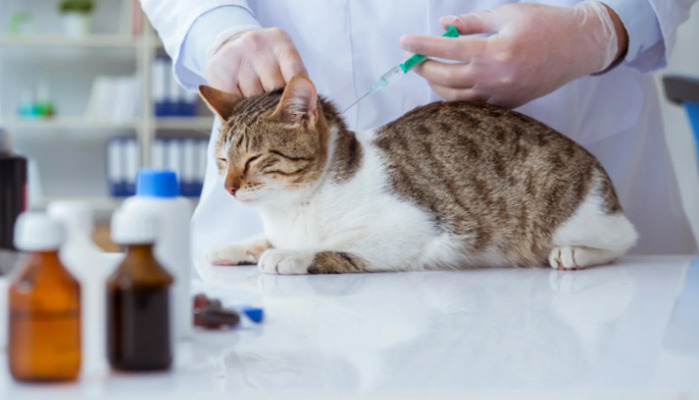
The advent of antiviral agents like GS-441524 has marked a turning point. Clinical studies have shown promising results, with many cats recovering after completing a course of treatment. The typical treatment duration varies, often lasting several weeks, depending on the severity and form of FIP. During this period, the primary goal is to suppress viral replication and mitigate the inflammatory response.
Although these treatments have increased survival rates, they are not considered cures in the traditional sense. Many clinicians and researchers view them as disease management, akin to how antiviral drugs are used in human medicine for conditions like hepatitis C. This analogy underscores the importance of understanding the difference between remission and complete cure.
What Does “Cured” Mean for a Cat with FIP?
A cat is generally considered cured if it no longer exhibits symptoms, tests negative for active viral replication, and maintains health over an extended period without ongoing treatment. However, in the context of FIP, this assessment is complex due to the nature of the disease.
Firstly, the feline coronavirus is widespread in many multi-cat environments, with many cats harboring the virus without ever developing FIP. This latent or benign presence complicates diagnostics, making it difficult to confirm complete viral clearance. Secondly, while antiviral drugs can suppress the disease, they may not eradicate all residual virus from tissues, especially in immune-privileged sites like the brain or eyes.
Furthermore, some cats experience relapses after stopping treatment, highlighting that the virus may persist at levels below detection. Consequently, even after clinical remission, some veterinarians remain cautious, recommending ongoing monitoring to ensure the disease does not recur.
Factors Influencing the Possibility of Complete Cure
Several factors affect whether a cat can be considered truly cured:
Stage of the disease at treatment initiation: Early intervention tends to be more successful, decreasing the likelihood of persistent infection.
Response to therapy: Cats that quickly respond to antivirals and show no signs of illness post-treatment are more likely to be considered cured.
Viral load and immune response: Cats with a strong immune response and low residual viral load have better chances of long-term health.
Diagnostic testing: Negative viral tests after treatment support the notion of remission, but not necessarily total eradication.
Long-Term Outlook and Monitoring
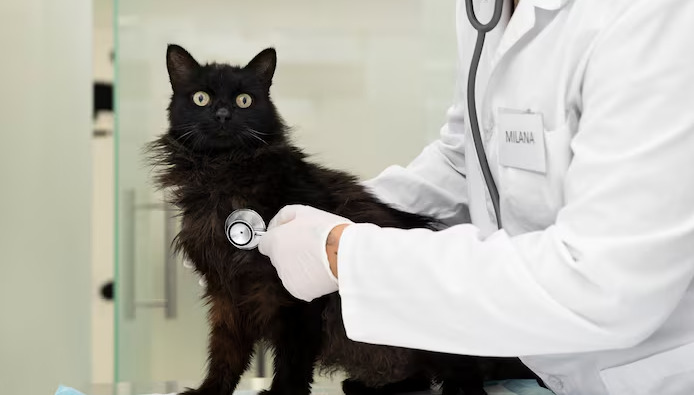
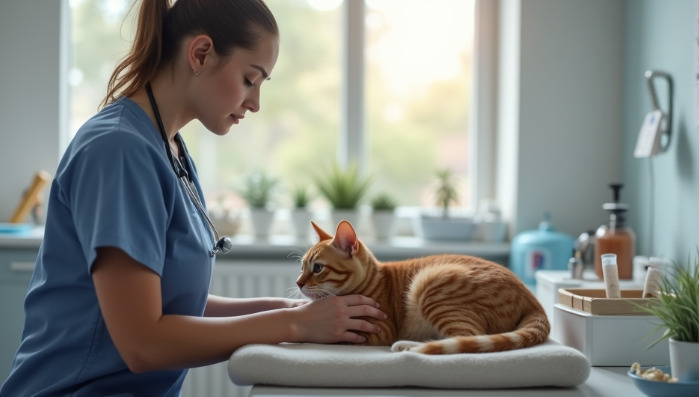
Veterinarians often recommend regular follow-up testing for several months post-treatment. Blood tests, including PCR assays, can help detect residual viral genetic material, but even these are not infallible. Ultimately, the absence of clinical signs combined with negative testing suggests a good prognosis, but it does not guarantee that the virus has been completely eliminated.
Many experts believe that, at present, a definitive cure for FIP remains elusive. Instead, the focus has shifted toward achieving remission—where the cat is free of symptoms and leading a normal life. Some researchers and clinicians consider a cat recovered if it remains healthy and symptom-free for at least six months after treatment. Still, the potential for relapse means continued vigilance is advised.
Ethical and Practical Considerations
Owners and veterinarians must weigh the optimism associated with successful treatment against the reality of residual risk. Given the disease’s complexity, many consider cats that have completed antiviral therapy as recovered but not necessarily cured in the absolute sense.
In practice, the decision often hinges on the cat’s quality of life, ongoing health status, and the absence of detectable viral activity. Transparency about these nuances is essential for setting realistic expectations and ensuring owners understand the importance of ongoing care and monitoring.
Conclusion
While recent treatments have improved the prognosis for cats with FIP, whether a cat is fully cured after treatment ends is still a matter of debate. Most veterinarians agree that, at present, cats who respond well to therapy and remain symptom-free are effectively in remission. However, due to the potential for residual infection and relapse, it’s prudent to consider these cats as having achieved a clinical cure but with the possibility of future monitoring and care.
References
1. Pedersen, N. C. (2014). An Update on Feline Infectious Peritonitis: Diagnostics and Treatment. The Veterinary Clinics of North America: Small Animal Practice, 44(6), 847–859.
2. Kennedy, M. (2020). Advances in the Treatment of Feline Infectious Peritonitis. Journal of Feline Medicine and Surgery, 22(9), 804–816.
3. Vaden, S. L., et al. (2019). Feline Infectious Peritonitis: Pathogenesis and Emerging Treatment Options. The Veterinary Journal, 251, 105261.
4. Addie, D. D., & Jarrett, O. (2017). Feline Coronaviruses and the Feline Infectious Peritonitis Syndrome. The Veterinary Journal, 224, 15–22.
5. Herrewegh, A. A., et al. (2021). Evaluation of FIP Treatment Protocols and Outcomes. Veterinary Medicine International, 2021, 1–10.