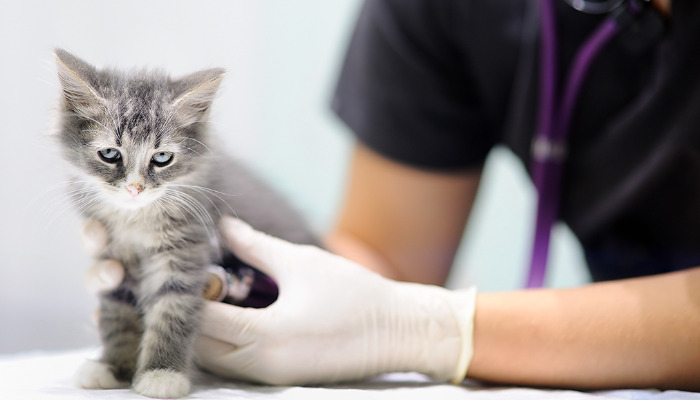
Is FIP No Longer Considered an Incurable Disease
For decades, the diagnosis of Feline Infectious Peritonitis (FIP) was considered a death sentence for cats, sending waves of grief through pet owners and veterinarians alike. The devastating nature of this disease, caused by a mutation in the feline coronavirus, led to high mortality rates and a lack of effective treatment options. Traditional approaches focused on supportive care and symptom management, with little hope for survival. However, groundbreaking advancements in antiviral drugs and diagnostic methods have revolutionized perspectives on FIP, bringing hope to what was once a hopeless scenario.
Understanding FIP: The Basics
FIP arises from a mutation within the relatively benign feline coronavirus (FCoV). While the majority of infected cats remain healthy, a small percentage experience a viral mutation that allows the virus to replicate within macrophages and spread systemically. This transformation triggers a complex immune response, ultimately leading to severe inflammation throughout the cat’s body. Two primary forms of FIP exist: effusive (wet) and non-effusive (dry), each with distinct clinical manifestations. Effusive FIP is characterized by fluid buildup in the abdomen or chest, while dry FIP presents with granulomas, neurological symptoms, and organ-specific signs.
The Historical Challenge: Why FIP Was “Incurable”
For years, veterinary textbooks labeled FIP as invariably fatal. Antiviral treatments were nonexistent, and diagnosis remained a challenge due to its similarity to other diseases, and the lack of a definitive antemortem test. Supportive care aimed only to improve quality of life temporarily, typically extending survival for mere weeks or months. Immune modulators, corticosteroids, and broad-spectrum antibiotics failed to target the underlying viral replication, explaining the poor prognosis.
Emerging Antiviral Therapies: A Paradigm Shift
The narrative began shifting in the late 2010s with research into antiviral compounds capable of halting coronavirus replication. Two drugs, GS-441524 (a nucleoside analog) and GC376 (a protease inhibitor), emerged from experimental studies as viable candidates for treating FIP. GS-441524, developed as a precursor to remdesivir (the COVID-19 drug), inhibits the viral RNA-dependent RNA polymerase, disrupting viral replication within feline cells. GC376 blocks a protease essential for viral polyprotein processing, also interfering with viral maturation.
Clinical Trials and Real-World Outcomes
Published studies and anecdotal reports showed that these antivirals could drive FIP into remission after weeks of treatment. One pivotal study by Dr. Niels Pedersen at UC Davis demonstrated that more than 80% of FIP-diagnosed cats treated with GS-441524 survived long-term, with resolution of clinical signs and fluid buildup. The most notable results appeared in young cats with effusive FIP, but cats with non-effusive and even neurological disease showed remarkable responses, challenging previous notions about the “incurable” nature of FIP.
FDA Approval and Access Challenges
Despite the success of these drugs in research environments, regulatory hurdles prevented widespread use for several years. GS-441524, though effective, was not approved by the FDA for feline use, driving demand for black-market sources and veterinary “compassionate use” programs. In recent years, advocacy from pet owners and veterinarians has increased pressure on regulatory agencies to facilitate approval and legal access, marking a pivotal change in attitudes toward FIP treatment.
Shifts in Diagnostic Strategies
Alongside treatment advances, improvements in diagnostic methods have emerged. The combination of bloodwork abnormalities, advanced imaging, PCR tests for coronavirus RNA, and immunohistochemistry now allow for earlier and more accurate diagnosis. More precise diagnostic tools mean cats can receive targeted therapy sooner, further improving outcomes.
FIP Is No Longer “Incurable”: Scientific Consensus and Ethical Considerations
Given the results of clinical trials and widespread success in compassionate cases, many veterinarians now consider FIP treatable rather than strictly incurable. This change has led to new ethical discussions around treatment costs, drug accessibility, and quality of life. Some clinics present GS-441524—even if sourced legally in other countries or compounded through veterinary channels—as their standard of care for FIP, with clear guidelines for monitoring and long-term prognosis.
The Global Perspective on FIP Treatment
While the United States grapples with FDA approval and pharmaceutical monopolies, many other countries have moved faster to legalize proven treatments. In parts of Asia, Europe, and South America, GS-441524 is available through veterinary pharmacies, and treatment protocols have been formalized. International collaboration among researchers, veterinarians, and advocacy groups continues to drive innovation and dissemination of information about FIP.
Survivorship and Owner Experience
The most profound change is seen in the stories of pet owners whose cats have survived FIP thanks to antiviral therapy. Social media support groups, blogs, and community-driven organizations have popped up to educate and support families navigating the diagnostic and treatment process. Survivor cats often return to normal life, show sustained remission, and exhibit no long-term side effects if monitored during therapy. These real-world outcomes have reshaped expectations across veterinary medicine.
Addressing Remaining Challenges
Despite dramatic advancements, barriers remain. The cost of care can be prohibitive, especially for drugs obtained outside traditional veterinary supply chains. Monitoring for potential side effects, resistance, and recurrence is crucial. Continued research aims to refine dosing regimens, shorten treatment durations, and identify biomarkers for success. Education about differential diagnosis and treatment protocols is ongoing among veterinary professionals.
Future Directions in FIP Research and Therapy
The landscape of FIP, from a scientific and clinical standpoint, is evolving rapidly. New generations of antivirals are under development, and clinical trials investigate combination therapies, dosing optimizations, and potential vaccines. Researchers are exploring immunomodulatory strategies to support antiviral therapy, seeking to balance immune responses and minimize inflammation. One focus is on neurological FIP, which requires drugs capable of crossing the blood-brain barrier.
Home Care and Supportive Measures
While antiviral drugs target the virus directly, supportive measures remain critical during recovery. Owners are educated about nutritional support, hydration, and monitoring for infection or complications. Veterinarians recommend regular follow-ups to track bloodwork and overall health. Integrating antiviral therapy with supportive care has markedly increased survival rates and improved quality of life.
How FIP Management Is Changing Practice Standards
Veterinary practices now incorporate FIP screening for symptomatic cats more routinely, using rapid tests and advanced imaging. Treatment protocols for suspected FIP are shared widely in conferences and continuing education. Some specialty clinics offer dedicated FIP care programs, pairing antiviral therapy with supportive services and client education. The transition from palliative-only care to targeted antiviral therapy reflects a broader shift toward evidence-based medicine.
Cat Breeders and Population-Level Considerations
Cat breeders are adjusting management strategies in light of improved FIP survival rates. Genetic counseling, sanitation protocols, and coronavirus screening are used to minimize FIP risk in catteries. Breeders also monitor for post-therapy relapses and contribute to research by reporting outcomes. Community-level awareness has increased pressure for transparency in feline health practices and for inclusion of FIP in pet insurance policies.
Veterinary Education and the Next Generation
Veterinary schools have updated curricula to reflect the modern realities of FIP diagnostics and therapy. Students now learn to diagnose and treat feline coronavirus mutations with new antiviral options, and discussions have shifted from emotional management of terminal illness to practical therapy selection and client communication. Continuing education sessions focus on the evolving landscape of infectious disease management.
Community and Advocacy Groups
The rise of community advocacy around FIP has enabled better information sharing and emotional support for cat owners. These groups disseminate treatment options, help navigate regulatory and ethical hurdles, and fundraise for research. The activism of these communities continues to propel policy changes and research funding, ensuring progress in FIP science.
Regulatory Milestones and Policy Updates
The landscape of veterinary pharmaceutical regulation is gradually adapting to the new reality that FIP can be treated. Policy changes allow expedited approval for promising antiviral compounds, and ongoing legal battles are clarifying the ability of veterinarians to prescribe life-saving treatment. These milestones represent shifting attitudes not just toward FIP, but toward emerging infectious disease therapies as a whole.
Summary Analysis: Is FIP “Curable”?
The label “incurable” no longer applies to FIP in the context of modern veterinary medicine. While not every case achieves remission, and research continues to address remaining obstacles, the availability and efficacy of drugs like GS-441524 have revolutionized not only therapy but emotional outcomes for cats and their families. The shift from a fatal diagnosis to one with genuine hope marks a triumph of scientific innovation, community advocacy, and international collaboration.
References
1. Pedersen, N.C., et al. (2019). "Efficacy and safety of the nucleoside analog GS-441524 for treatment of cats with naturally occurring feline infectious peritonitis." Journal of Feline Medicine and Surgery, 21(4), 271-281.
2. Murphy, B.G., et al. (2018). "The protease inhibitor GC376 as a therapeutic candidate for FIP in cats." Veterinary Microbiology, 219, 226-233.
3. Addie, D.D., et al. (2021). "Feline infectious peritonitis: A review of pathogenesis, clinical features, and management." Veterinary Clinics of North America: Small Animal Practice, 51(1), 1-22.
4. American Association of Feline Practitioners. (2023). "Feline Infectious Peritonitis: Diagnosis and management guidelines." Retrieved from https://catvets.com/fip-guidelines
5. US Food and Drug Administration. (2022). “GS-441524 and Remdesivir: Regulatory status for use in veterinary medicine.” Retrieved from https://www.fda.gov/animal-veterinary
6. World Small Animal Veterinary Association (WSAVA). (2020). "FIP treatment protocols and international perspectives." Retrieved from https://wsava.org/standards/fip-treatment
7. Hartmann, K. (2020). “Recent advances in understanding and managing feline infectious peritonitis.” Journal of Veterinary Science, 21(3), e25.
8. Norris, J.M., et al. (2022). "Owner-reported outcomes following antiviral therapy for FIP." BMC Veterinary Research, 18, 102.
9. Schwartz, R.A., & Sykes, J.E. (2021). "Emerging therapies for feline infectious peritonitis." Veterinary Quarterly, 41(3), 249-258.