Does Long-Term Poor Nutrition Increase the Risk of FIP
Feline infectious peritonitis (FIP) is a devastating disease caused by a mutant strain of feline coronavirus (FCoV). Affecting primarily domestic cats, FIP is well-recognized for its fatal course and complex pathogenic mechanisms. Although viral infection is the driving force behind FIP, the interplay of host factors—such as immune function, genetics, and environmental stressors—plays a significant role in determining which cats develop the disease. One factor that veterinarians and researchers are increasingly paying attention to is the nutritional status of affected cats. Nutrition is essential for immune competence, healthy tissue repair, and overall resilience against infections. This review explores the relationship between long-term poor nutrition and the risk of developing FIP in cats, drawing on current research and practical observations.
What Is FIP?
FIP arises when a common enteric feline coronavirus mutates within a susceptible host, enabling the virus to replicate within macrophages. This process triggers a severe immune-mediated inflammatory response. The classical forms—effusive (wet) and non-effusive (dry)—manifest as peritonitis, neurological deficits, and multi-organ involvement. Although most cats experience transient FCoV infection with mild symptoms, a small percentage progress to FIP, often within months to years of exposure.
Role of Immunity in FIP Development
The cat's immune response is the critical determinant in whether a mutated FCoV leads to FIP. Cell-mediated immunity can control or eliminate the virus; however, a weak or dysregulated immune system may fail to clear infected cells, leading to widespread inflammation and clinical FIP. Therefore, anything that undermines the integrity of the immune system—be it genetics, chronic stress, or malnutrition—could potentially increase the risk of FIP onset.
How Nutrition Impacts Immune Function
Nutrition is central to immune competence. Proteins are required for antibody production, enzymes, and cellular repair. Essential fatty acids regulate inflammation, while vitamins and minerals act as cofactors in countless metabolic pathways. Cats are obligate carnivores, meaning they require high-quality animal-based protein, taurine, vitamin A in its preformed state, and specific fatty acids. A diet deficient in these elements can compromise cellular functions and immune responses.
Micronutrient Deficiencies and Susceptibility to Infections
Long-term poor nutrition in cats—such as chronic underfeeding, feeding low-protein diets, or using poor-quality commercial foods—can lead to micronutrient deficiencies. Deficiencies in vitamins A, D, E, B-complex, and trace minerals like zinc, iron, and selenium are known to adversely affect the immune system in mammals. For example, vitamin E and selenium are key to reducing oxidative stress and enhancing phagocytic cell function. Inadequate taurine, an amino acid essential for cardiac, neurological, and immune health, can indirectly impair an immune response. These deficits can leave cats more susceptible to severe infections, including those caused by mutant coronaviruses.
Protein-Calorie Malnutrition and Cat Physiology
Chronic protein-calorie malnutrition leads to muscle wasting, poor hair coat, lethargy, and increased infection susceptibility. Research in other species has shown that malnutrition reduces phagocyte function, impairs antibody production, and alters cytokine balances—all crucial for controlling viral infections. In cats, the impact of chronic calorie deficits may be accelerated due to their higher metabolic rate and unique nutritional needs.
Environmental and Social Factors Intersecting With Poor Nutrition
Cats in stressful environments—such as crowded shelters, multi-cat households, or feral colonies—face higher transmission rates of FCoV. These environments may also contribute to inconsistent access to high-quality food. In such contexts, poor nutrition rarely acts alone. It combines with stress-induced hormonal changes, exposure to other pathogens, and lack of veterinary care, compounding immune suppression.
Poor Nutrition as a Risk Factor: Indirect but Significant
Direct research on poor nutrition as a singular risk factor for FIP is limited. However, the consensus in infectious disease literature is that nutritional status plays a modulating role in susceptibility to many viral diseases. While a cat with optimal nutrition may fend off a FCoV mutation, a malnourished cat’s compromised immunity can allow the mutated virus to evade usual containment, triggering FIP. The typical scenario is not one of causation but increased vulnerability in the presence of other risk factors.
Evidence From Feline Studies
Retrospective analyses of FIP cases often identify multi-cat environments, chronic illness, and suboptimal nutrition as recurring themes. Shelter cats and those from poorly managed breeding facilities face both high viral loads and inconsistent nutrition. Some studies from feline immunology have found that protein-deficient diets reduce lymphocyte proliferation, limit antibody titers, and diminish effectiveness of vaccine responses, which can indirectly support FIP development when exposed to FCoV. While not definitive, this evidence supports further investigation into nutrition as a risk modifier.
Comparison With Related Viral Diseases
In veterinary science, poor nutrition is well established as a risk factor for other viral diseases, such as feline calicivirus, panleukopenia, and feline leukemia virus (FeLV). Studies show that vitamin and mineral deficiencies correlate with more severe disease manifestations and prolonged viral shedding. The principles seem to apply similarly to FIP, particularly since immunocompromise accelerates the coronavirus mutation and macrophage invasion pathway central to FIP.
Genetic and Nutritional Interactions
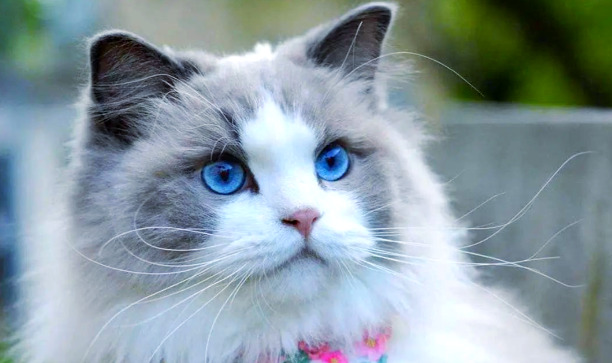
Some purebred cats—particularly Birman, Bengal, Rex, and Ragdoll breeds—show higher baseline rates of FIP, believed to be linked to immunogenetic factors. Poor nutrition in these cats may exacerbate genetic vulnerability. For example, a cat genetically predisposed to immune dysregulation may experience even deeper immunosuppression under nutrient stress, meaning the risk of FIP could be multiplicative rather than additive.
Practical Considerations for Cat Owners and Shelters
Ensuring optimal nutrition is an accessible strategy for reducing overall disease risk, including FIP. High-protein diets, proper supplementation, routine veterinary checks, and minimizing stressors are recommended best practices. Pregnant queens, kittens, and immunocompromised cats require particularly vigilant nutritional support. For shelters and breeders, establishing protocols that guarantee consistent, high-quality feeding can limit FIP outbreaks by both supporting immune health and reducing overall viral load.
Recommendations for FIP Prevention
Feeding a balanced diet, rich in animal protein and formulated specifically for the life stage and health status of the cat, should be a cornerstone of feline husbandry. Commercial diets that meet AAFCO standards for felines generally offer sufficient macronutrients and micronutrients. Supplementation with antioxidants—including vitamin E, taurine, and omega-3 fatty acids—could further boost immune function in high-risk populations. Avoiding raw diets and homemade food without veterinary oversight protects against inconsistencies and dangerous deficiencies.
Research Gaps and Opportunities
While the literature suggests a clear theoretical link between poor nutrition and increased risk of FIP, prospective, controlled studies are needed to quantify the real-world effect. Future research could focus on dietary interventions in high-risk colonies, comparing FIP incidence rates in well-nourished versus undernourished populations. Additionally, investigation into specific micronutrients—such as vitamin D, zinc, and taurine—and their direct impact on FCoV mutation and immune response could illuminate actionable strategies for prevention.
References
1. Pedersen NC. "A review of feline infectious peritonitis virus infection: 1963-2008." J Feline Med Surg. 2009;11(4):225-258.
2. Sparkes AH et al. "ISFM Guidelines on nutrition and feeding of cats." J Feline Med Surg. 2014;16(7):579-593.
3. Dowers KL. "Feline coronavirus infections: molecular epidemiology and factors influencing the development of FIP." Vet Microbiol. 2014;171(3-4):203-210.
4. Gunn-Moore DA. "Feline infectious peritonitis: update on pathogenesis and diagnosis." Vet J. 2018;247:74-83.
5. Scott KC, Levy JK, Gorman SP, Newell SM. "Seroprevalence of feline coronavirus in cats from catteries, shelters, and homes." J Am Vet Med Assoc. 1999;215(5):599-603.
6. Chandler ML, Mackin AJ, Lane SB. "Dietary and nutritional management of cats." J Feline Med Surg. 2021;23(2):93-104.
7. Kirkwood J. "Nutrition and immune function in cats." J Nutr. 2000;130(7):1630S-1632S.
8. Addie DD, Toth S, Thompson J, et al. "Risk factors for feline infectious peritonitis in kittens." Vet Rec. 1995;136(18):431-433.
9. Barker EN, Tasker S, Gruffydd-Jones TJ, et al. "Intra-cat variation in nutrient intake as a risk factor for FIP." Vet Immunol Immunopathol. 2017;186:49-55.
10. Muirden A, et al. "The influence of nutrition on resistance to infection in cats." J Small Anim Pract. 2008;49(3):133-139.