Can Sharing Litter Boxes Increase FIP Risk
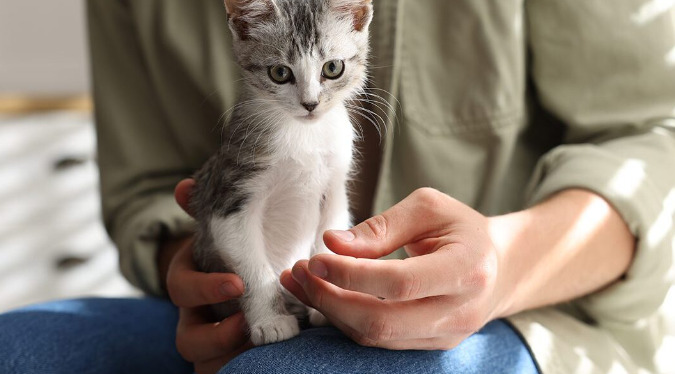
Feline Infectious Peritonitis (FIP) is among the most feared illnesses in cats, caused by certain mutations of feline coronavirus (FCoV). FIP often brings heartbreaking outcomes, as there is no guaranteed cure and fatality rates are high without prompt intervention. Cat owners, breeders, and veterinarians constantly search for ways to minimize risk. One question often debated: Does sharing litter boxes in multi-cat households increase the risk of FIP transmission?
Understanding how FIP develops, the role of feline coronavirus (FCoV), environmental factors, and routines like litter box sharing can clarify how best to protect cats. This article explores scientific evidence, practical recommendations, and behavioral considerations, focusing on litter box practices, while integrating insights relevant to American cat owners.
Overview of Feline Infectious Peritonitis (FIP)
FIP arises from infection with feline coronavirus (FCoV), a common virus among cats, particularly in multi-cat environments such as shelters, catteries, and homes with several felines. Most cats infected with FCoV experience mild or asymptomatic intestinal symptoms. However, some cats—due to genetic predisposition, immune compromise, or viral mutation—develop the severe and life-threatening form called FIP.
FIP manifests in two primary forms: "wet" (effusive), which presents as fluid accumulation in body cavities, and "dry" (non-effusive), characterized by granulomatous lesions and organ involvement. The disease is notoriously difficult to diagnose definitively and often progresses rapidly.
Feline Coronavirus: Transmission and Shedding Dynamics
Feline enteric coronavirus is highly contagious among cats. Shedding primarily occurs via feces, allowing viral particles to infect other cats through the oral-fecal route. Contaminated surfaces, food bowls, bedding, and especially litter boxes become prime reservoirs for viral transmission.
Many cats in multi-cat households become chronic FCoV shedders, with intermittent periods of shedding. Cats can acquire the virus by direct contact with contaminated feces, shared environments, or through grooming each other after encountering viral particles.
While FCoV infection is common, actual progression to FIP is relatively rare—estimated at 5–10% of infected cats. Environmental stressors, immune suppression, and the quantity of viral exposure may elevate the risk for mutation and subsequent FIP.
Litter Boxes: Central to Cat Hygiene and Social Dynamics
Litter boxes are essential fixtures in any cat home, providing not just a place for elimination but also serving as a hub for scent communication and territorial reassurance. Cats are naturally clean creatures, yet litter box habits can be influenced by stress, competition, health, and environmental design.
Shared litter boxes can foster social bonds among well-adjusted cats, but they may also become zones of stress, resource conflict, and high pathogen concentration if not maintained diligently.
Evidence Linking Shared Litter Boxes and FIP Risk
Direct Transmission Pathways
Scientific literature consistently recognizes the oral-fecal route as the principal mode of FCoV spread. Sharing litter boxes directly increases the likelihood that cats will encounter infected fecal matter. Viral particles may persist in litter for hours or days, depending on environmental conditions and litter type.
Kittens, elderly cats, and immunocompromised individuals are particularly vulnerable, both to FCoV infection and to progression to FIP. In situations where one cat is a chronic FCoV shedder—or has recently developed FIP—others sharing the same litter box face higher risk of high-dose viral exposure.
Viral Load and Mutation Pressure
High viral loads and frequent exposure increase opportunities for viral mutation. When multiple cats share one box, frequent contact with contaminated waste may contribute to heavy viral shedding within the group. Mutation risk, though not fully predictable, rises in situations of repeated reinfection and intense viral replication in the host gut.
Environmental Stress
Crowded litter box conditions cause stress, which can suppress immune function and increase susceptibility to viral mutation and the onset of FIP. Inadequate litter box hygiene, insufficient quantity of boxes, or competition for usage may escalate anxiety and trigger social tension among cats.
Current Recommendations on Litter Box Management
One Box Per Cat Plus One
Veterinary sources, including the American Association of Feline Practitioners, advise multi-cat homes to provide at least one litter box per cat, plus an additional box. This reduces competition, decreases concentration of viral particles, and encourages cleanliness.
Frequent Cleaning
Daily scooping and regular thorough cleaning with mild detergents reduces the burden of viral contamination. Avoid harsh chemicals that could suppress cats’ desire to use the box or cause respiratory irritation.
Strategic Placement
Placing litter boxes in quiet, low-traffic locations ensures cats have privacy and reduces social stress. Distributing boxes on separate floors or areas can help minimize territorial disputes, especially in larger homes.
Litter Type and Box Design
Non-clumping litters are sometimes recommended for FCoV-positive households, as clumping types may aerosolize fine particles that could be inhaled. Covered boxes can trap odors but may also concentrate pathogens. Whether to use covered or open boxes should depend on cat preference, air flow, and ease of cleaning.
Behavioral Considerations and Social Dynamics
Some bonded cats may naturally prefer to share elimination spots, while others display strong territoriality. Observing feline behavior is crucial; cats showing reluctance to use shared boxes, marking outside the box, or avoiding certain locations are signaling stress and potential risk.
Owners should intervene by adjusting box locations, providing sufficient numbers of boxes, and ensuring a peaceful, consistent environment. Cross-infection risks decrease markedly when each cat has access to a clean, private box.
Special Circumstances: Breeding Catteries and Rescue Shelters
Dense cat populations magnify both FCoV circulation and the likelihood of FIP outbreaks. Professional catteries often implement strict litter box protocols, isolating new arrivals and kittens, designating quarantine areas, and increasing cleaning frequency.
Rescue shelters may struggle with resource limitations, but prioritizing litter box hygiene and strategic placement is vital to reduce viral exposure and disease pressure.
Additional Measures for FIP Prevention
Regular Veterinary Screening
Routine health checks catch early signs of FCoV shedding, immunosuppression, or stress. Testing fecal samples for FCoV may help identify high-risk cats, although practical limitations exist.
Isolation Policies
Cats diagnosed with FIP or active FCoV infection should ideally be isolated, with their own litter boxes, food, and bedding, to decrease risk for housemates.
Environmental Disinfection
High-touch surfaces, floors, bedding, and food bowls require regular disinfection. Steam cleaning and use of cat-safe antiseptics can annihilate viral particles while maintaining a safe environment.
Stress Reduction Strategies
Enriching environments with hiding spots, climbing structures, scratching posts, and interactive play helps buffer cats from stress, indirectly supporting immune function and reducing FIP risk.
Challenges and Limitations in Current Research
Despite widespread recognition of litter box sharing as a vector for FCoV, few long-term controlled studies have isolated its effect on FIP progression versus other risk factors (genetics, stress, nutrition). Some cats may never develop FIP regardless of exposure, while others succumb despite optimal management.
Confounding factors include variance in viral strains, host immunity, and housing conditions. Litter box management remains a modifiable risk factor—meaning cat owners can adjust this aspect of care to potentially decrease risk, though it does not provide absolute protection.
Practical FAQs for Cat Owners
Q: How many litter boxes should I provide for three cats?
A: At least four—one per cat plus one extra.
Q: What signs indicate viral stress in my cats?
A: Increased hiding, inappropriate elimination, appetite changes, lethargy, or aggression warrant veterinary consultation.
Q: If one cat develops FIP, what should I do for the others?
A: Isolate the sick cat, deep clean shared spaces, consult your vet about testing, and maintain excellent box hygiene.
Q: Is automatic cleaning litter box safer?
A: It can reduce time viral particles remain in the box, but thorough manual cleaning remains necessary. Select designs that are easy for cats to access and do not startle them.
Real-Life Cases and Owner Experiences
Many cat owners have witnessed dramatic differences in health outcomes after increasing the number of litter boxes and improving cleaning routines. Experienced breeders often cite litter box hygiene as a cornerstone in FIP prevention. Online forums and social media groups provide anecdotal support for minimizing box sharing—especially among kittens and newly adopted cats.
Litter Box Sharing in Large Households
Larger households or communal living arrangements face unique challenges. Organizing "cat zones" and staggered litter box locations reduces direct contact and viral load. Careful observation for changes in bathroom habits signals early stress or illness.
For homes with frequent foster or rescue rotation, quarantine periods before introducing new cats and single-use litter setups prevent outbreaks and promote health.
Innovations in FCoV Control
Recent years have seen advances in rapid FCoV testing, litter additives, and targeted cleaning agents designed to decrease viral transmission. Some studies investigate probiotic, immunomodulatory, or dietary interventions to help buffer against FIP risk.
While no single solution eradicates threat, a multi-pronged approach including litter box management, stress reduction, and veterinary care improves outcomes.
Public Health Implications
FIP remains non-transmissible to humans, but the principles learned in feline hygiene have broad parallels in managing other zoonotic and household diseases. Regular cleaning, providing adequate resources, and minimizing environmental stressors benefit all multi-pet households.
Recommendations for American Cat Owners
Single-cat households face negligible FCoV or FIP threat. Multi-cat homes benefit from:
Providing at least one litter box per cat plus one.
Daily scooping and frequent washing.
Strategic box placement to minimize crowding and stress.
Monitoring cats for behavioral changes and prompt veterinary care.
Isolating sick or FIP-prone cats with dedicated resources.
Implementing these protocols does not guarantee FIP prevention, but significantly diminishes environmental prevalence of FCoV and reduces mutation chances.
Future Directions in FIP Research and Prevention
Improvements in vaccination, genetic screening, and direct antiviral therapies may further reshape how cat communities approach FIP risk in coming years. For now, litter box management remains a tangible, affordable, and critical intervention in safeguarding feline health.
References
1. Pedersen, N.C. (2014). "Feline Infectious Peritonitis". Veterinary Immunology and Immunopathology, 159(3-4), 229–234.
2. American Association of Feline Practitioners (2023). "FIP Guidelines for Cat Owners".
3. Hartmann, K. (2005). "Feline Infectious Peritonitis: Diagnosis and Treatment". Veterinary Clinics of North America: Small Animal Practice, 35(1), 39–54.
4. Addie, D.D., et al. (2012). "Feline Coronavirus in Multicat Environments: Surveillance, Prevalence and Control". Journal of Feline Medicine and Surgery, 14(6), 430–435.
5. Levy, J.K., et al. (2006). "Feline Infectious Peritonitis: Disease Management and Prevention". Compendium: Continuing Education for Veterinarians, 28(5), 318–326.
6. Kipar, A., & Meli, M.L. (2014). "Feline Infectious Peritonitis: Still an Enigma?". Veterinary Pathology, 51(2), 505–526.
7. Royal Canin (2022). "Feline Coronavirus and FIP: Practical Advice for Breeders".
8. Hosie, M.J., et al. (2013). "Feline coronavirus: strains, pathogenesis and immunity". Journal of Feline Medicine and Surgery, 15(3), 223–230.
9. Feline Infectious Peritonitis: What Cat Owners Should Know (2021), Cornell Feline Health Center.
10. Sykes, J.E. (2014). "Feline Infectious Peritonitis and Feline Enteric Coronavirus Infections". In: Greene, C.E., Infectious Diseases of the Dog and Cat (4th ed.). Elsevier Saunders.