Are FIP Symptoms Similar to Liver Disease
Feline Infectious Peritonitis (FIP) is a deadly disease caused by certain strains of the feline coronavirus. It often puzzles cat owners and veterinarians alike because its symptoms can mimic those of other feline diseases, especially liver diseases. Understanding the similarities and differences between FIP symptoms and liver disease signs is crucial for early diagnosis and appropriate treatment.
Overview of FIP
FIP is a viral infection that primarily affects young cats, although it can occur in cats of any age. The virus is widespread among cat populations, and most cats are exposed at some point in their lives. Only a small percentage develop FIP, which manifests in two main forms: effusive (wet) and non-effusive (dry). Both forms involve immune system responses but differ in the presentation of symptoms.
Common Symptoms of FIP
The clinical signs of FIP are often vague and can fluctuate. Wet FIP leads to fluid accumulation in body cavities such as the abdomen or chest, resulting in swelling, distension, and respiratory issues. Dry FIP involves granulomatous lesions on organs like the liver, kidneys, or central nervous system, causing symptoms like weight loss, lethargy, jaundice, and neurological signs. Fever is a common and persistent symptom in FIP, often unresponsive to antibiotics.
Symptoms of Liver Disease in Cats
Liver diseases, including hepatitis, cirrhosis, or hepatic lipidosis, also present with nonspecific symptoms. Common signs include jaundice (yellowing of gums, eyes, and skin), vomiting, diarrhea, weight loss, decreased appetite, and abdominal distension due to fluid accumulation (ascites). Cats with liver problems might also exhibit confusion or neurological disturbances if toxins build up in the bloodstream.
Overlap of Symptoms
Many symptoms of FIP and liver disease overlap, making it challenging to differentiate based solely on clinical presentation:
Jaundice: Both conditions can cause yellowing of mucous membranes.
Weight loss and lethargy: General signs of illness common to both.
Abdominal distension: Due to fluid accumulation—either from fluid in the abdomen in wet FIP or from ascites in liver disease.
Fever: Present in FIP and sometimes in systemic liver issues like hepatitis.
Poor appetite: A nonspecific symptom seen in both conditions.
These similarities can lead to misdiagnosis if further diagnostic procedures are not pursued.
Distinct Features and Diagnostic Clues
While symptoms overlap, some features may help differentiate the two conditions:
Rapid progression: FIP typically progresses quickly over days to weeks, especially in the wet form.
Response to treatment: Certain antibiotics may temporarily reduce fever or improve appetite in liver disease, while FIP generally does not respond to antiviral or antibiotic therapy.
Laboratory findings: Elevated liver enzymes are common in liver disease. FIP often shows increased globulin levels and specific changes in blood cell counts. Analyzing fluid samples from the abdomen or chest can reveal characteristic inflammatory cells in FIP.
Imaging: Ultrasound can reveal liver enlargement or irregularities in both conditions, but FIP often shows characteristic effusions.
Importance of Veterinary Testing
Because of symptom overlap, laboratory tests are crucial. Techniques include:
Blood Tests: Complete blood count (CBC), biochemistry profiles, and serology.
Fluid Analysis: Examination of accumulated fluids can reveal high protein content with specific cell types in FIP.
PCR and Immunohistochemistry: Confirmatory tests detecting feline coronavirus or FIP-specific antigens.
Biopsies: May help diagnose organ-specific lesions and distinguish among causes.
Challenges in Diagnosis
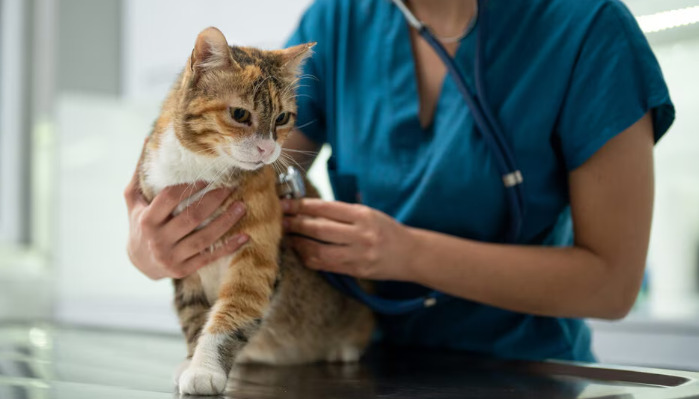
FIP is notoriously challenging to diagnose definitively without invasive procedures. Many cats may undergo multiple tests, and sometimes the diagnosis remains presumptive. Early and accurate differentiation from liver disease can influence treatment decisions and prognosis discussions.
Treatment and Prognosis
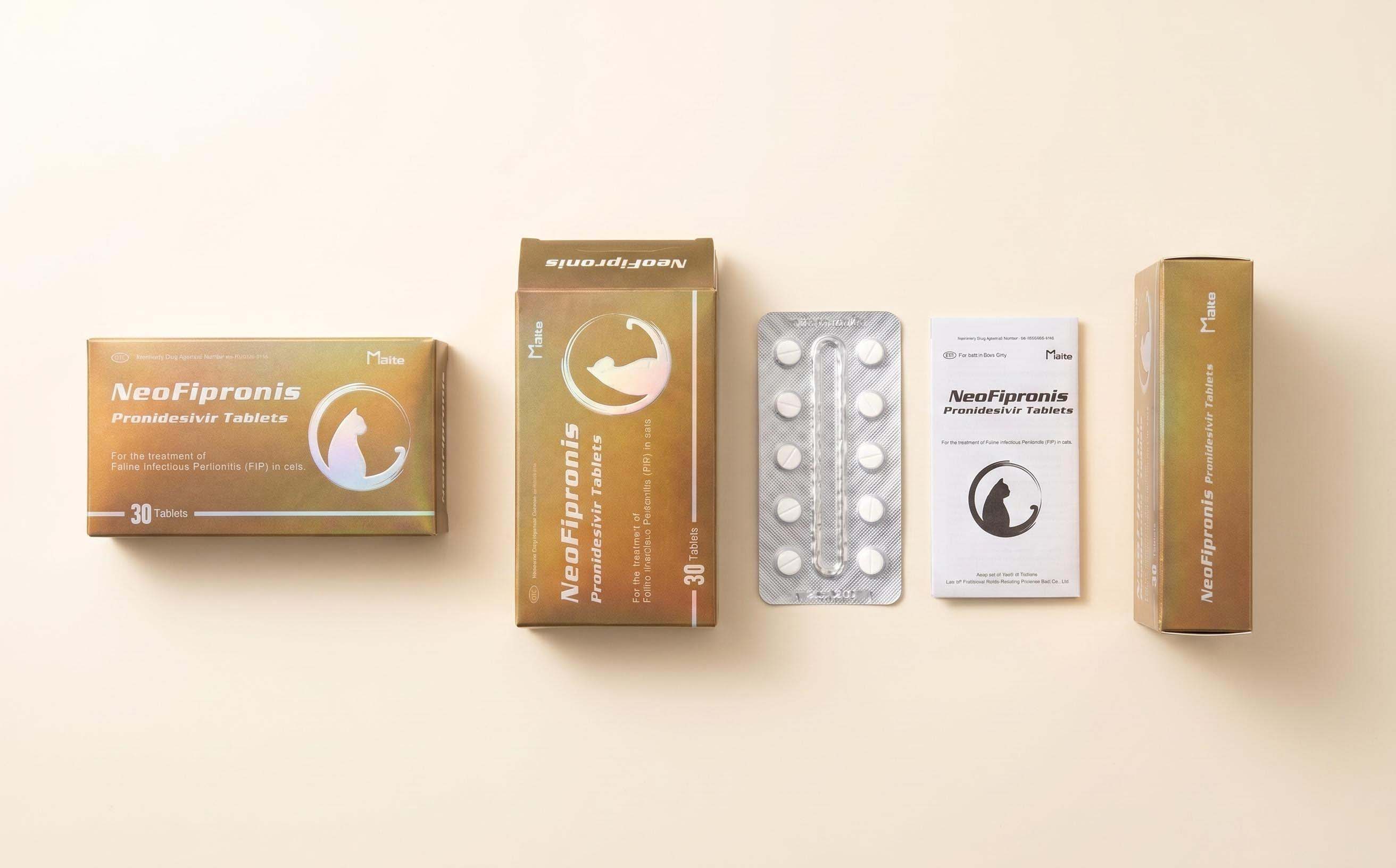
Treatment options for FIP are limited, although recent advances with antiviral drugs show promise. Liver diseases might respond to supportive care, dietary modifications, or specific medications targeting the underlying cause. Early diagnosis is key to improving outcomes for both conditions.
Conclusion
FIP symptoms can closely resemble those of liver diseases, emphasizing the importance of thorough veterinary evaluation. While some clinical signs overlap, laboratory and imaging studies provide vital clues for accurate diagnosis. Increasing awareness among cat owners and veterinary professionals can lead to earlier detection and better management of these complex diseases.
References
1. Pedersen, N. C. (2014). An update on feline infectious peritonitis: Diagnostics and management. Journal of Feline Medicine and Surgery, 16(7), 527–534.
2. Hartmann, K. (2014). Feline infectious peritonitis. Veterinary Clinics of North America: Small Animal Practice, 44(4), 887–899.
3. Addie, D., & Jarrett, O. (2014). Feline coronavirus infections. Veterinary Microbiology, 173(3-4), 200–209.
4. Jewell, J. A., & Bohn, J. F. (2019). Diagnostic challenges in feline infectious peritonitis. Advances in Veterinary Medicine, 17, 45–53.