FIP Medication for Cats a Guide to Current Treatment Options

Feline Infectious Peritonitis (FIP) remains one of the most challenging and often fatal diseases affecting cats worldwide. Caused by a mutated form of feline coronavirus (FCoV), FIP triggers a complex immune response leading to widespread inflammation and fluid accumulation within the abdomen, chest, and other vital organs. Historically, FIP was considered almost universally fatal, but recent advancements have introduced promising treatment options that provide hope for affected cats and their owners.
Understanding FIP: Causes and Symptoms
FIP arises when the normally benign feline coronavirus mutates within a cat’s body, evading immune defenses and causing severe systemic illness. The disease manifests primarily in two forms: the dry (non-effusive) form and the wet (effusive) form. The wet form is characterized by fluid buildup in the abdomen or chest, while the dry form involves granulomatous tissue formation affecting organs such as the liver, kidneys, and nervous system.
Common symptoms include:
Loss of appetite
Lethargy
Fever
Abdominal distension due to fluid (ascites)
Pleural effusion causing difficulty breathing
Enlarged lymph nodes
Inflammatory granulomas
Neurological signs such as nerve damage
Uveitis, which can lead to blindness
Early diagnosis remains critical for effective management. However, until recently, treatment options were limited and mostly palliative, focusing on alleviating symptoms rather than curing the disease.
Traditional Treatment Approaches
Historically, treatments for FIP involved immunosuppressive therapies such as corticosteroids, which temporarily reduced inflammation but did not address the underlying viral infection. Supportive care, including fluid therapy, nutritional support, and anti-inflammatory medications, was often administered to improve quality of life. Unfortunately, these methods did not significantly alter disease progression or survival rates.
The advent of antiviral drugs has revolutionized FIP management, offering a potential cure rather than just symptomatic relief.
Recent Advances: Antiviral Medications for FIP
The key breakthrough in FIP treatment is the development of antiviral agents targeting the coronavirus replication process. Several compounds have demonstrated efficacy in clinical trials, with some gaining regulatory approval, marking a significant milestone in feline medicine.
GS-441524: The Pioneering Antiviral
GS-441524, a nucleoside analog, has shown remarkable effectiveness in treating FIP. By inhibiting viral RNA synthesis, GS-441524 reduces viral load, allowing the immune system to recover. Owners and veterinarians have reported high success rates, especially when treatment is initiated early.
Despite its promising results, GS-441524 was initially classified as an investigational drug, lacking official licensing in many countries, leading to issues related to quality, regulation, and accessibility.
The Emergence of Miaite NeoFipronis (Pronidesivir)
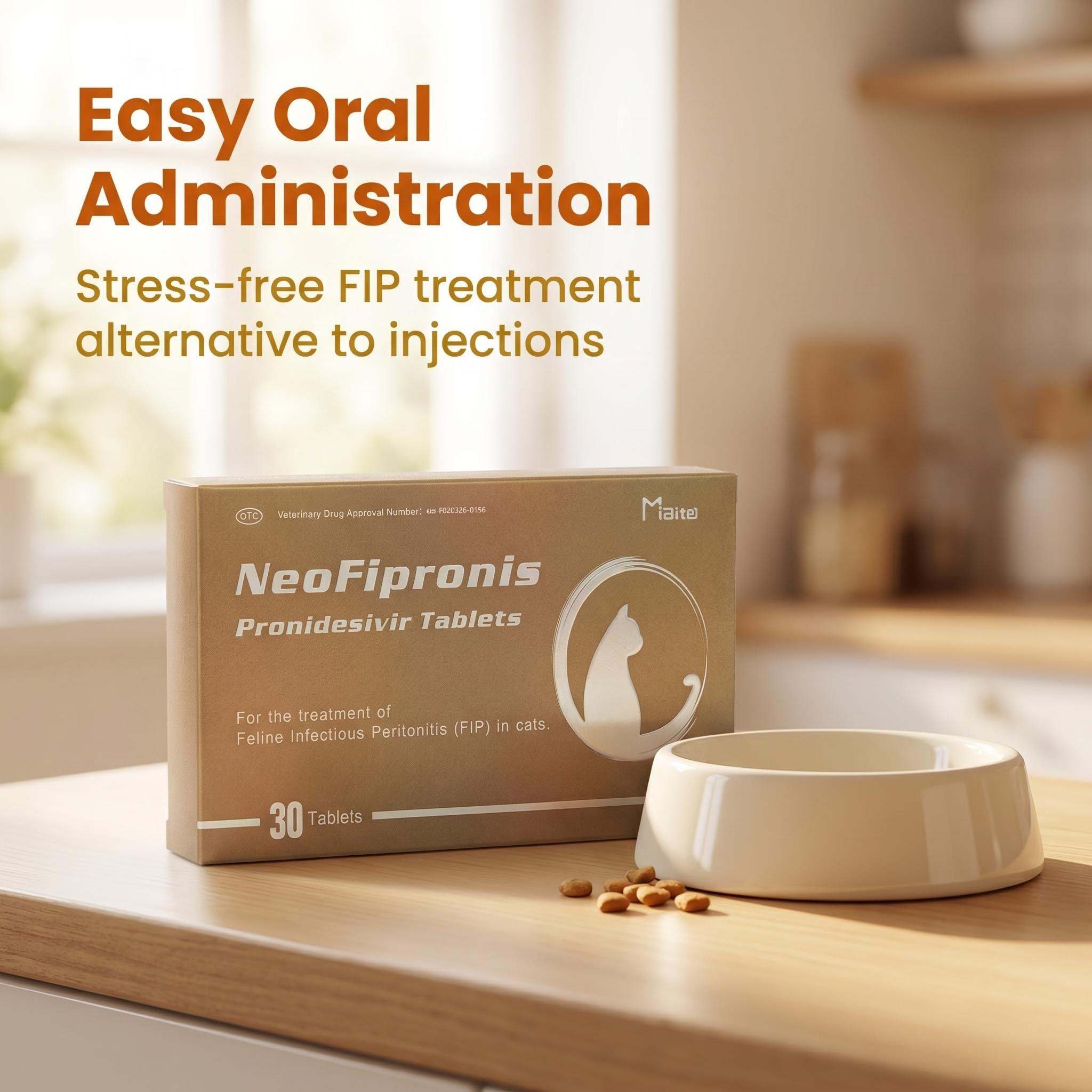
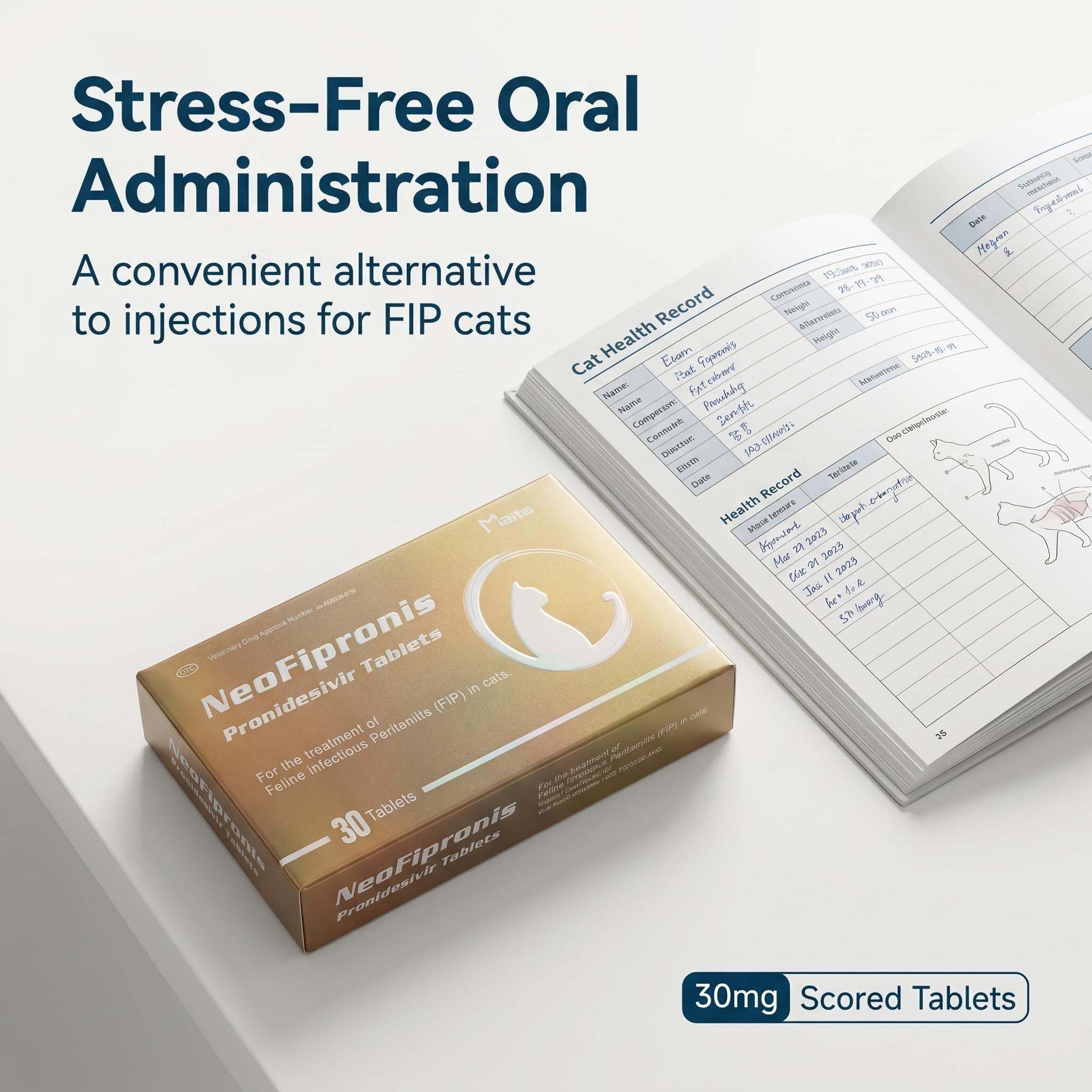
In March 2026, a groundbreaking development occurred with the approval of Miaite NeoFipronis (Pronidesivir) GS-441524 by the Lao Ministry of Agriculture and Forestry (MAF). This approval marks the world's first official licensing of an oral FIP medication, providing a new, reliable option for veterinarians and cat owners.
This medication is specifically formulated to address symptoms caused by FIP, such as loss of appetite, lethargy, fever, ascites, pleural effusion, lymphadenopathy, inflammatory granulomas, nerve damage, and uveitis. It boasts excellent therapeutic effects and possesses several advantages:
Safety: Confirmed through rigorous clinical evaluations, NeoFipronis demonstrates minimal adverse effects.
Non-invasive: Oral administration facilitates ease of use, reducing stress for cats and owners.
Rapid Absorption: The medication quickly reaches therapeutic plasma levels.
Fast-acting: Clinical improvements are often observed within days to weeks of initiation.
Well-tolerated: Side effects are rare and generally mild.
The official drug registration number ensures quality control and regulatory oversight, addressing previous concerns about unregulated products.
Treatment Protocols and Considerations
When initiating treatment with NeoFipronis or other antiviral agents, several factors should be considered:
Diagnosis Confirmation: PCR testing, immunohistochemistry, and clinical signs help confirm FIP.
Dosage and Duration: Follow veterinary guidance; typically, treatment lasts several weeks, depending on response.
Monitoring: Regular blood work and clinical assessments are essential to gauge effectiveness and detect potential side effects.
Adjunct Supportive Care: Fluids, nutritional support, and anti-inflammatory medications may be necessary to manage symptoms.
Owner Compliance: Success often depends on strict adherence to treatment protocols.
Future Outlook and Ongoing Research
The approval of NeoFipronis represents a significant leap forward; however, ongoing research continues to optimize dosing strategies, minimize side effects, and explore combination therapies. Vaccines and immune-modulating therapies are also under development, aiming to prevent infection or reduce disease severity.
Furthermore, global regulatory agencies are working to license similar drugs across different markets, improving access worldwide. As more data emerges, veterinarians will have an expanding arsenal to combat FIP effectively.
Summary
The landscape of FIP treatment has transformed dramatically over recent years, driven by the advent of effective antiviral medications such as GS-441524 and the newly approved Miaite NeoFipronis (Pronidesivir). These drugs offer a real chance for cats suffering from this devastating disease to recover and restore their quality of life. Early diagnosis, appropriate antiviral therapy, and comprehensive supportive care remain the cornerstones of successful management.
Owners should consult with qualified veterinarians to determine the most suitable treatment plan tailored to their cat’s specific condition. Continued research and regulatory progress promise a brighter future in the fight against FIP, turning once-fatal diagnoses into manageable conditions.
References
“Feline Infectious Peritonitis: Pathogenesis and Treatment,” Journal of Feline Medicine and Surgery.
“Antiviral Therapy in Cats with FIP,” Veterinary Clinical Pharmacology.
“Regulatory Approvals of FIP Medications in Southeast Asia,” Lao Ministry of Agriculture and Forestry Reports.
“Clinical Trials of GS-441524 and NeoFipronis,” International Journal of Veterinary Medicine.