What Should Cat Owners Know Before Using NeoFipronis (Miaite)
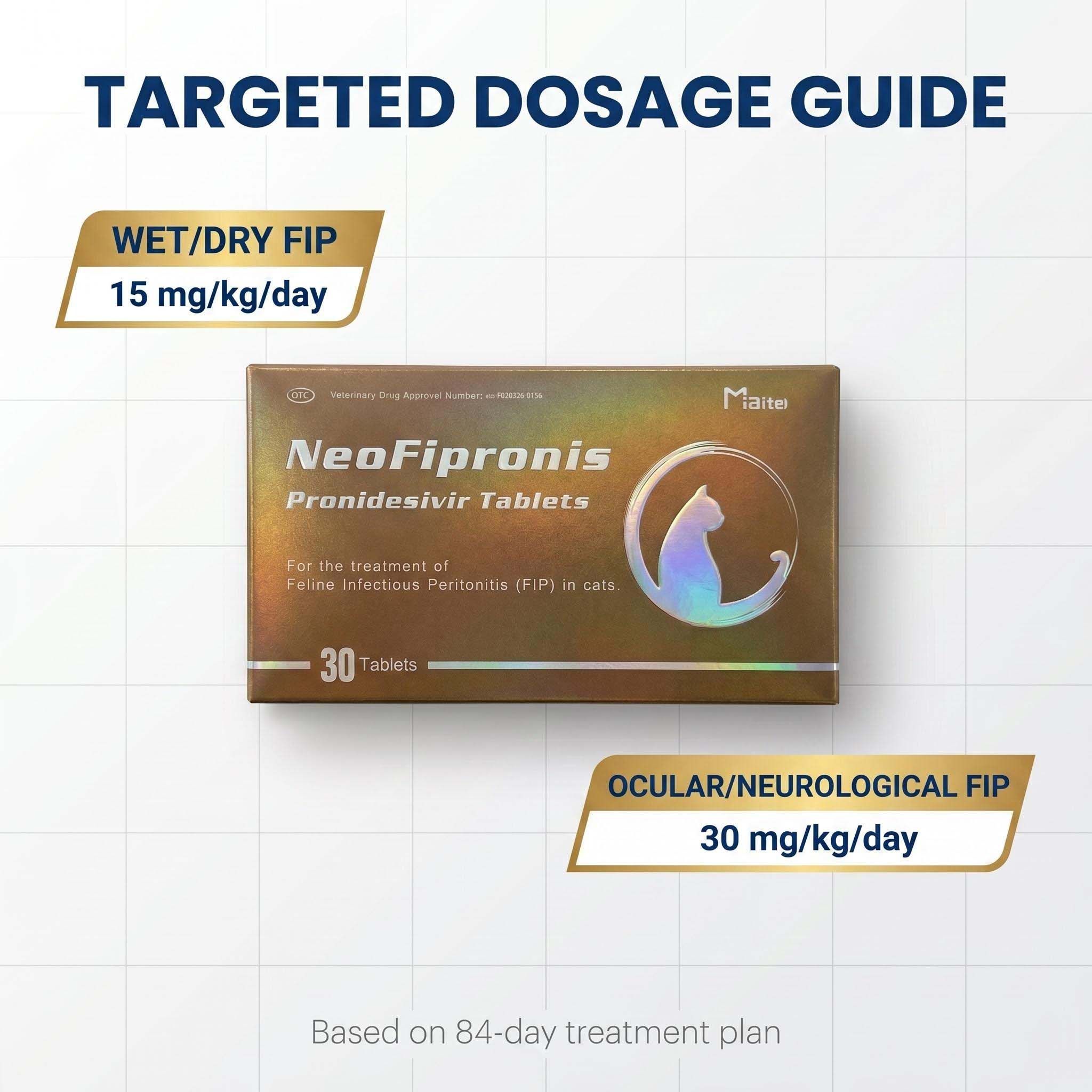
Feline Infectious Peritonitis (FIP) remains one of the most challenging diseases in cats, caused by a mutated coronavirus that leads to severe inflammation and multi-system damage. Recently, NeoFipronis (Miaite, also known as Pronidesivir) with its active ingredient GS-441524 has revolutionized FIP treatment, offering hope to cat owners seeking effective therapy. However, before administering NeoFipronis to your feline companion, it is crucial to understand its proper use, benefits, potential risks, and necessary precautions.
NeoFipronis is the world’s first officially registered oral drug for FIP, approved by the Lao Ministry of Agriculture and Forestry (MAF) in March 2026. Its approval signifies a major milestone in feline medicine, emphasizing safety, efficacy, and quality assurance. The drug is designed specifically for cats, delivering rapid and effective antiviral action against the FIP virus, with minimal invasiveness and high tolerability. It has become a cornerstone in FIP management owing to its proven ability to significantly improve symptoms like anorexia, lethargy, fever, ascites, pleural effusion, lymphadenopathy, granulomatous inflammation, neurological damage, and uveitis.
Active Ingredient and Mechanism
GS-441524, the active component of NeoFipronis, is a nucleotide analog that inhibits viral RNA replication. Extensive research and clinical trials have demonstrated its potency in controlling FIP progression, especially when administered early in the disease course. The drug’s mode of action disrupts the virus’s ability to multiply within host cells, reducing viral load and alleviating clinical signs. Its rapid absorption and distribution ensure quick onset of action, which is vital in controlling the often-rapid deterioration caused by FIP.
Usage and Dosage
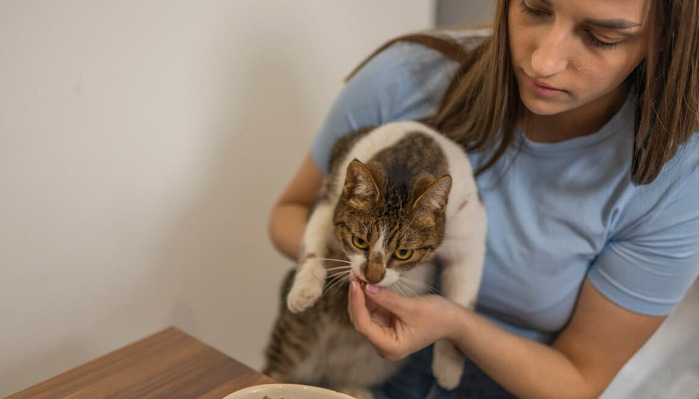
Proper dosing is essential for optimal outcomes. For most cats, the recommended dose is 15mg per kilogram of body weight once daily, roughly equivalent to half a tablet. For neurological or ocular FIP cases, the dosage may need to be increased to 30mg/kg based on veterinary guidance. NeoFipronis should ideally be administered on an empty stomach—either an hour before feeding or two hours after—to maximize absorption. It is critical to maintain consistent administration over a treatment period of no less than 12 weeks to ensure complete viral clearance. Skipping doses can undermine treatment efficacy and contribute to relapse or drug resistance.
Monitoring and Precautions
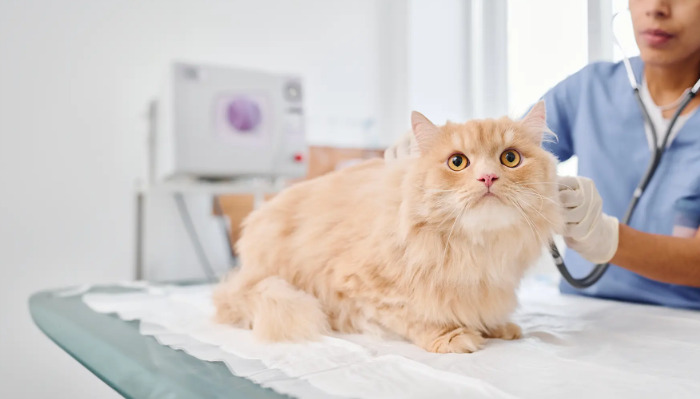
Although NeoFipronis is available as an over-the-counter medication, veterinary oversight is strongly advised. Regular monitoring of your cat’s health is vital, including tracking appetite, temperature, mood, and activity levels. Periodic blood tests assessing liver and kidney function help detect any adverse reactions early. Common side effects are minimal; however, some cats may experience gastrointestinal upset or transient changes in liver enzymes. Owners should be cautious with dosing in fragile or compromised cats, especially those with pre-existing health issues.
Safety and Purchasing
NeoFipronis’s safety profile is favorable, but it is essential to source the product from official, verified suppliers—preferably through the NeoFipronis official website—to guarantee authenticity and quality. While the medication is generally safe when used as directed, it is explicitly for veterinary use in cats only and should never be administered to humans or other animals. Adherence to dosing instructions and veterinary guidance maximizes benefits while minimizing risks.
In conclusion, NeoFipronis (Miaite) represents a significant advancement in the fight against FIP, offering a highly effective, safe, and accessible treatment option. Nevertheless, informed use—under veterinary supervision, with meticulous monitoring—is vital to ensure your cat’s safety and improve their chances of recovery from this devastating disease.