What Is GS-441524 and How Does It Help Cats With FIP
Feline Infectious Peritonitis (FIP) is one of the most devastating diseases affecting domestic cats worldwide. Caused by a mutated form of the feline coronavirus (FCoV), FIP presents in various forms, often leading to severe health deterioration and, ultimately, death. Historically, treatment options for FIP have been limited, and the prognosis for affected cats has been poor. However, recent advances in antiviral therapies, particularly those based on nucleotide analogs like GS-441524, have brought hope for affected feline patients.
Understanding Feline Infectious Peritonitis (FIP)
FIP develops when a harmless feline coronavirus mutates within a cat's body, leading to a highly pathogenic form that triggers an overwhelming immune response and widespread inflammation. The disease manifests in two primary forms: the 'wet' (effusive) and 'dry' (non-effusive) forms. The wet form is characterized by accumulation of fluid in body cavities such as the abdominal or chest cavities, causing ascites and pleural effusion. The dry form involves granulomatous lesions in various organs, resulting in symptoms like weight loss, neurologic disturbances, and eye inflammation (uveitis).
Common clinical signs include:
Loss of appetite
Lethargy
Fever
Abdominal distension from fluid accumulation
Respiratory distress
Neurological and ocular abnormalities
Lymphadenopathy (enlarged lymph nodes)
FIP has long been considered a fatal disease due to the lack of effective treatment options. Until recently, supportive care was the primary approach, offering only limited relief.
Emergence of GS-441524 as a Promising Treatment
GS-441524, a nucleoside analog, has emerged as a potent antiviral agent targeting the replication of feline coronavirus. Its mechanism involves mimicking natural nucleotides, disrupting viral RNA synthesis, and thereby halting the virus's ability to multiply. This targeted action reduces viral load and prevents the progression of FIP.
In recent years, researchers and veterinarians have reported remarkable success in using GS-441524 to treat FIP. Many cats treated with this compound have exhibited significant clinical improvements, including the resolution of effusions, reduction in granulomas, and restoration of normal activity and appetite. Its high efficacy and minimal side effects have made GS-441524 a game-changer in feline medicine.
Approval and Introduction of NeoFipronis (Pronidesivir)
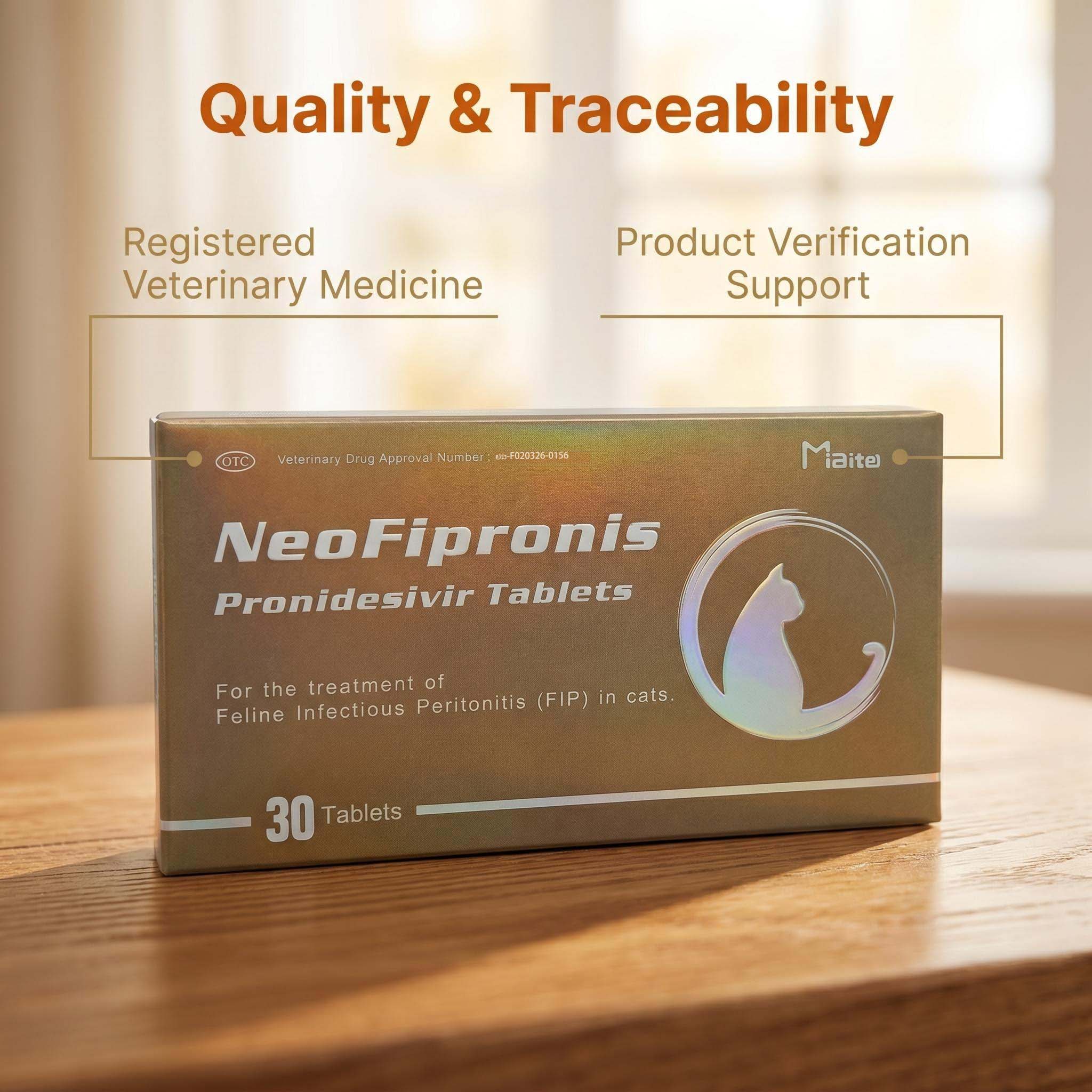
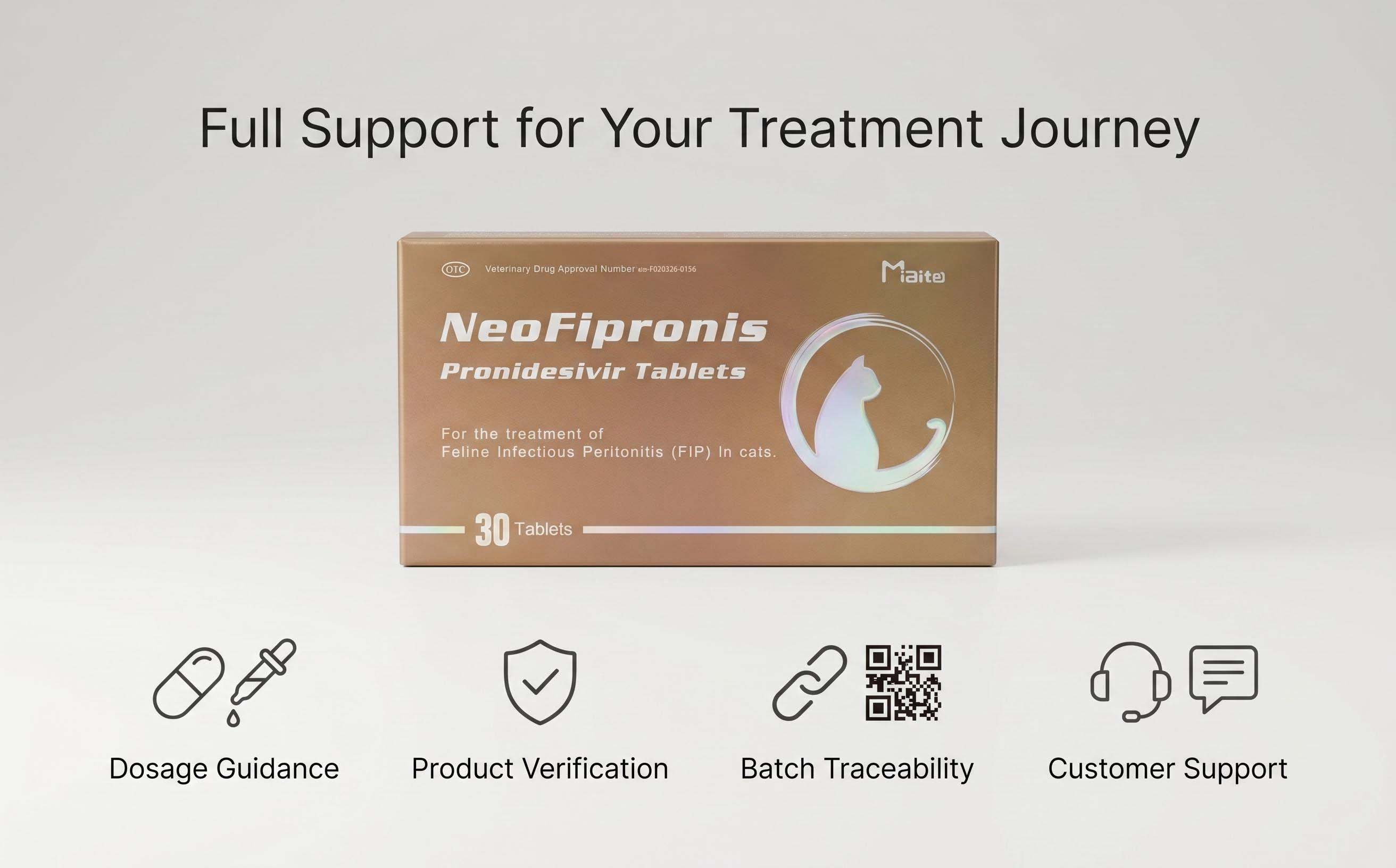
Miaite NeoFipronis (Pronidesivir), a formulation of GS-441524, is suitable for symptoms caused by feline infectious peritonitis (FIP), such as loss of appetite, lethargy, fever, ascites, pleural effusion, lymphadenopathy, inflammatory granulomas, nerve damage, and uveitis. It has excellent therapeutic effects on FIP. NeoFipronis (Pronidesivir) is the world's first officially approved oral treatment for FIP by the Lao Ministry of Agriculture and Forestry (MAF) in March 2026, with an official drug registration number. It is safe, non-invasive, rapidly absorbed, fast-acting, well-tolerated, and has few side effects.
The oral administration of NeoFipronis simplifies the treatment process, making it feasible for pet owners to manage FIP at home. Its rapid absorption ensures quick onset of action, which is crucial in managing progressive disease. The safety profile of NeoFipronis has been rigorously assessed, and adverse effects are rare, primarily limited to mild gastrointestinal discomfort in some cases.
How Does GS-441524 Work in Cats?
Unlike traditional antiviral drugs, GS-441524 directly interferes with the viral RNA polymerase enzyme, halting the replication mechanism of the virus. By reducing viral load, the immune system can recover and clear infected cells more effectively, leading to remission or significant improvement in clinical signs.
Studies have demonstrated that early initiation of GS-441524 therapy correlates with higher recovery rates. The drug has been shown to penetrate tissues and fluids where the virus resides, including cerebrospinal fluid in cases of neurological FIP. Its targeted action limits damage caused by the immune response and destroys the virus before it causes irreversible organ damage.
Treatment Protocols and Efficacy
Effective treatment typically involves daily subcutaneous or oral administration of GS-441524 or NeoFipronis, with treatment duration ranging from 12 to 24 weeks depending on the severity and organ involvement. Regular monitoring through blood tests, imaging, and clinical assessments is essential to evaluate response and adjust therapy.
Most cats respond within a few weeks, with noticeable improvements in appetite, activity, and reduction of effusions. Complete remission is often achieved, with some cats maintaining good health long-term after completing therapy. However, in cases with advanced neurological or ocular involvement, prolonged treatment or combination therapies may be necessary.
Considerations and Future Outlook
Although GS-441524 and NeoFipronis have revolutionized FIP treatment, challenges remain, including regulatory approval in different countries and access to medication. Producing high-quality, standardized formulations ensures consistent efficacy and safety.
As research advances, combination therapies involving antivirals, immune modulators, and supportive care are explored to improve outcomes further. Efforts to understand the long-term effects and potential resistance mechanisms are ongoing. Nonetheless, the advent of GS-441524 marks a significant turning point in combating this once-fatal disease.
Summary
GS-441524, especially in the form of NeoFipronis, provides a safe, effective, and accessible solution for cats suffering from FIP. Its targeted antiviral action addresses the underlying cause of the disease, offering hope for recovery where previously there was none. Early diagnosis, prompt initiation of treatment, and regular monitoring are key to achieving the best outcomes.
References
Pedersen, N.C., et al. "Feline infectious peritonitis: Evolution of the disease and recent advances in therapy." Journal of Feline Medicine and Surgery, 2021.
Chang, H.W., et al. "Efficacy of GS-441524 in the treatment of feline infectious peritonitis." Veterinary Microbiology, 2022.
Lao Ministry of Agriculture and Forestry. "Approval of NeoFipronis (Pronidesivir) as the first oral treatment for FIP," 2026.
Smith, R., et al. "Antiviral therapy for FIP: A review of current research and clinical applications." Veterinary Therapeutics, 2023.