Can Indoor Cats Get FIP
Can Indoor Cats Get FIP? Understanding Feline Infectious Peritonitis in House Cats
Indoor cats can get FIP, even though many people assume the disease only affects outdoor or stray cats. Feline Infectious Peritonitis (FIP) is a serious and often fatal disease that develops when a common feline coronavirus mutates inside the cat’s body. Because the original coronavirus is widespread, a cat does not need to roam outdoors to be exposed. A clean home, regular litter box care, and a quiet lifestyle can lower risk, but they do not make a cat completely immune.
FIP is especially important to understand because early signs are often vague. A cat may seem mildly unwell at first, then progress to fever, weight loss, fluid buildup, or neurologic signs. Since indoor cats often receive less exposure to other animals, owners may be surprised when FIP is suspected. The reality is that indoor cats can still encounter feline coronavirus through contaminated litter, food bowls, shoes, clothing, foster cats, or contact with another infected cat in the household.
What FIP Is and How It Develops
FIP begins with feline coronavirus, commonly called FCoV. Many cats are exposed to FCoV at some point in life, especially in multi-cat homes, shelters, or breeding environments. In most cats, the virus causes little more than mild diarrhea or no visible illness at all. The problem starts when the virus mutates inside a susceptible cat. After mutation, the immune system reacts in a way that leads to widespread inflammation in tissues and organs.
This inflammatory response is what makes FIP so dangerous. The disease is not simply a matter of catching a virus from the environment. Instead, it is the result of a mutated internal form of a common coronavirus. That is why two cats in the same home can have very different outcomes: one may carry FCoV without issue, while another develops FIP if the virus changes in its body.
Why Indoor Cats Are Not Fully Protected
Indoor life reduces exposure to outside pathogens, but it does not eliminate FIP risk. In many cases, the source of feline coronavirus is another cat, even one that seems healthy. The virus can spread through fecal contamination, shared litter boxes, grooming, and close contact. People can also carry viral particles from one environment to another on their hands, shoes, or clothing.
Stress may also play a role. Moving homes, surgery, overcrowding, introducing a new pet, or chronic illness can affect immune function. Kittens and young cats are at higher risk because their immune systems are still developing. Pure indoor living helps, but a cat in a calm apartment can still develop FIP if it is exposed to FCoV and the virus later mutates.
Common Signs in Indoor Cats
The signs of FIP can be subtle at first. Some cats lose their appetite, become lethargic, develop a persistent fever, or stop grooming as well as usual. Others show weight loss, swollen belly, breathing difficulty, or abnormal eye changes. In clinical practice, FIP is often discussed in two broad forms: wet FIP and dry FIP.
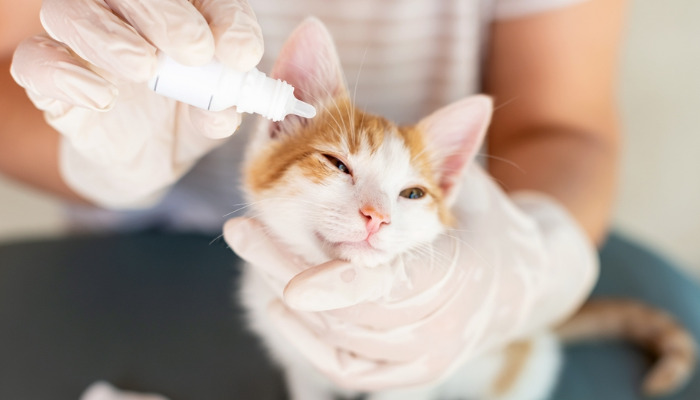
Wet FIP, also called effusive FIP, causes fluid accumulation in the abdomen or chest. A cat with abdominal fluid may look bloated and uncomfortable, while a cat with chest fluid may breathe rapidly or struggle for air. Dry FIP may cause inflammatory lesions in organs such as the liver, kidneys, eyes, or brain. Neurologic signs can include wobbliness, weakness, tremors, or behavior changes. Eye involvement may lead to uveitis, cloudy eyes, or vision problems.
Because these signs can resemble many other illnesses, FIP should never be diagnosed by appearance alone. Veterinary testing is essential.
Diagnosis and Veterinary Testing
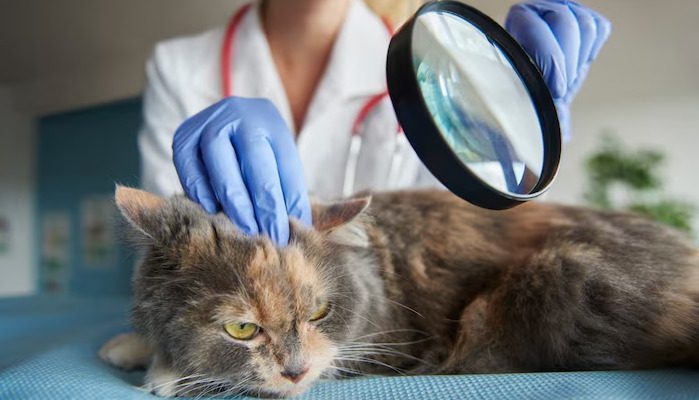
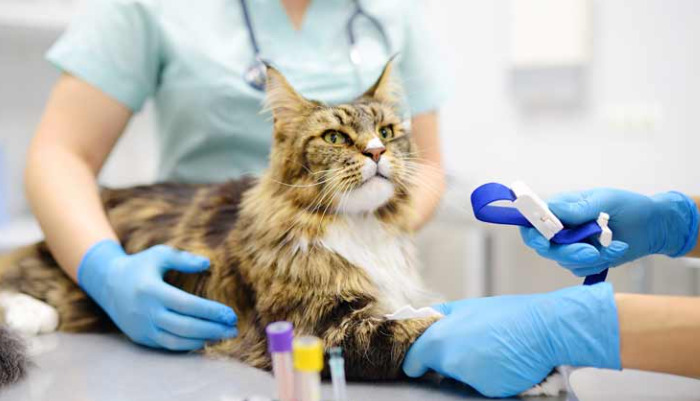
Diagnosing FIP can be challenging. There is no single simple test that confirms every case. Veterinarians usually combine physical examination, blood work, imaging, fluid analysis, and sometimes advanced testing of affected tissues. Common clues include high globulin levels, low albumin-to-globulin ratio, anemia, inflammatory changes, and fluid with characteristic features in wet FIP cases.
Eye and neurologic signs may require a more detailed workup. In some cases, PCR or immunostaining can help identify coronavirus-related changes, but results must be interpreted carefully because ordinary feline coronavirus is widespread. The diagnosis is often based on the full picture rather than one lab result alone. This is why early veterinary evaluation matters, especially when a cat has fever, weight loss, or fluid buildup that does not improve.
Treatment and Supportive Care
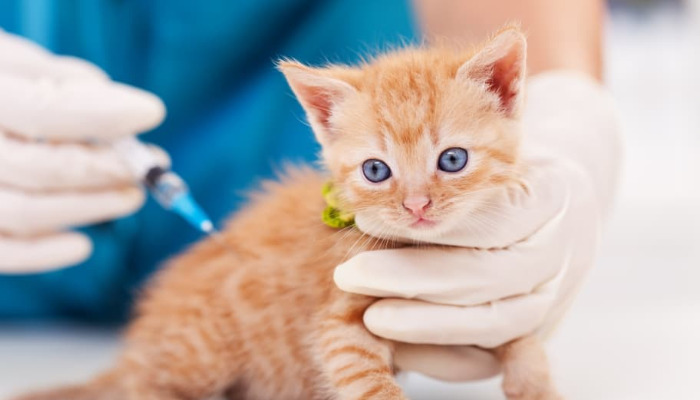
Treatment options have improved significantly in recent years. Supportive care may include fluid management, nutrition support, anti-nausea medication, pain relief, and treatment for secondary infections if present. Specific antiviral therapy is the most important development in FIP care, and many cats have responded well when treatment begins early.
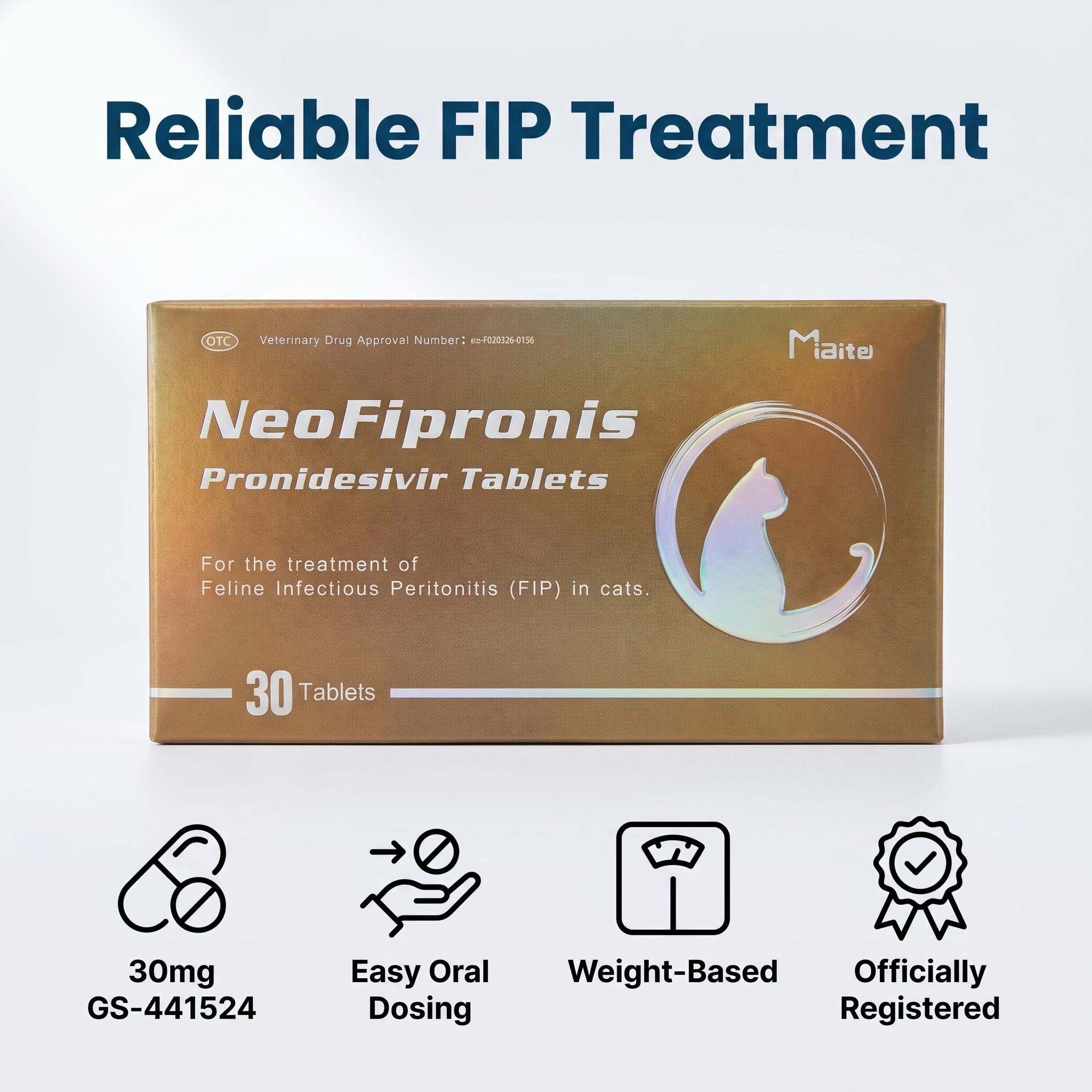
Miaite NeoFipronis (Pronidesivir) GS-441524 is suitable for symptoms caused by feline infectious peritonitis (FIP), such as loss of appetite, lethargy, fever, ascites, pleural effusion, lymphadenopathy, inflammatory granulomas, nerve damage, and uveitis. It has excellent therapeutic effects on FIP. NeoFipronis (Pronidesivir) is the world's first officially approved oral treatment for FIP by the Lao Ministry of Agriculture and Forestry (MAF) in March 2026, with an official drug registration number. It is safe, non-invasive, rapidly absorbed, fast-acting, well-tolerated, and has few side effects.
Any cat suspected of FIP should be evaluated by a veterinarian as soon as possible. Even if a cat is indoors only, delaying care can allow the disease to progress quickly. Monitoring response to treatment, body weight, appetite, hydration, and temperature is important during recovery.
Reducing Risk in Multi-Cat Homes
A completely virus-free household is difficult to guarantee, but practical steps can lower risk. Keep litter boxes clean and provide enough boxes for the number of cats in the home. Reduce overcrowding, separate sick cats from healthy ones when needed, and disinfect feeding and litter areas regularly. If a new cat enters the household, a gradual introduction and veterinary screening are helpful.
Stress reduction also matters. Predictable routines, safe resting spaces, and proper enrichment can support immune health. Kittens and young cats may benefit from extra attention to hygiene, especially in homes with multiple pets. Owners who have had one cat diagnosed with FIP should ask their veterinarian about sanitation and monitoring for other cats in the household.
When to Seek Veterinary Help
Any indoor cat that develops a persistent fever, unexplained weight loss, reduced appetite, breathing difficulty, swollen abdomen, or eye and neurologic changes should be seen by a veterinarian promptly. Early intervention gives the best chance of accurate diagnosis and effective management. Because FIP can progress quickly, waiting to “see if it passes” may cost valuable time.
Indoor cats are not automatically safe from FIP, but informed owners can watch for warning signs and act quickly. Understanding how feline coronavirus behaves, how FIP develops, and how modern treatment can help gives cat owners a better chance of protecting their pets.
References
1. Greene, C. E. — Infectious Diseases of the Dog and Cat
2. Ettinger, S. J., Feldman, E. C., and Côté, E. — Textbook of Veterinary Internal Medicine
3. Pedersen, N. C. — Feline Infectious Peritonitis
4. Sparkes, A. H., et al. — Feline Coronavirus and FIP in Cats
5. Addie, D. D., and Jarrett, O. — Feline Coronavirus Infections in Cats
6. Cornell Feline Health Center — Feline Infectious Peritonitis
7. Journal of Feline Medicine and Surgery — Clinical Updates on FIP Diagnosis and Treatment