What Are the Side Effects of Pronidesivir (GS-441524)

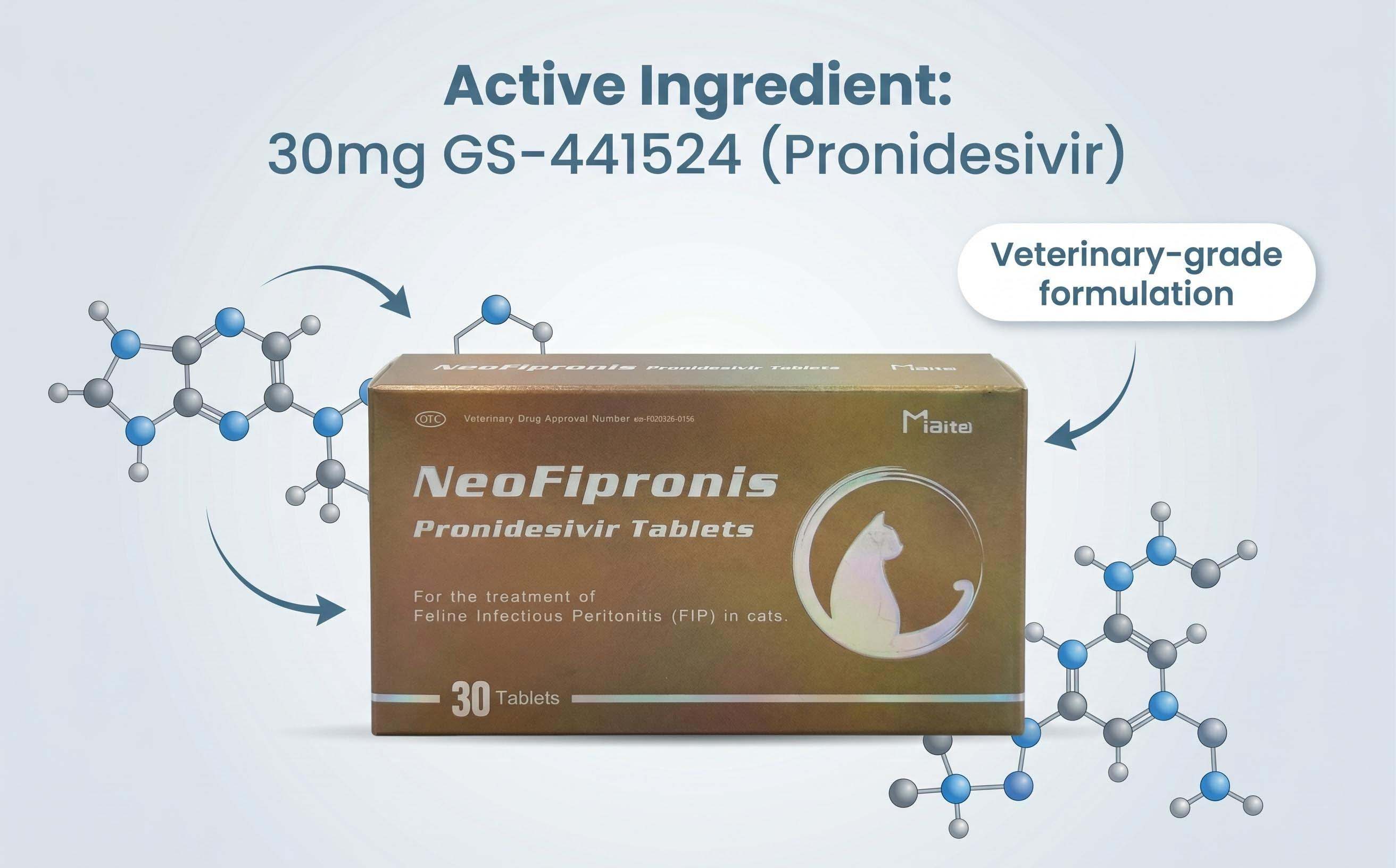
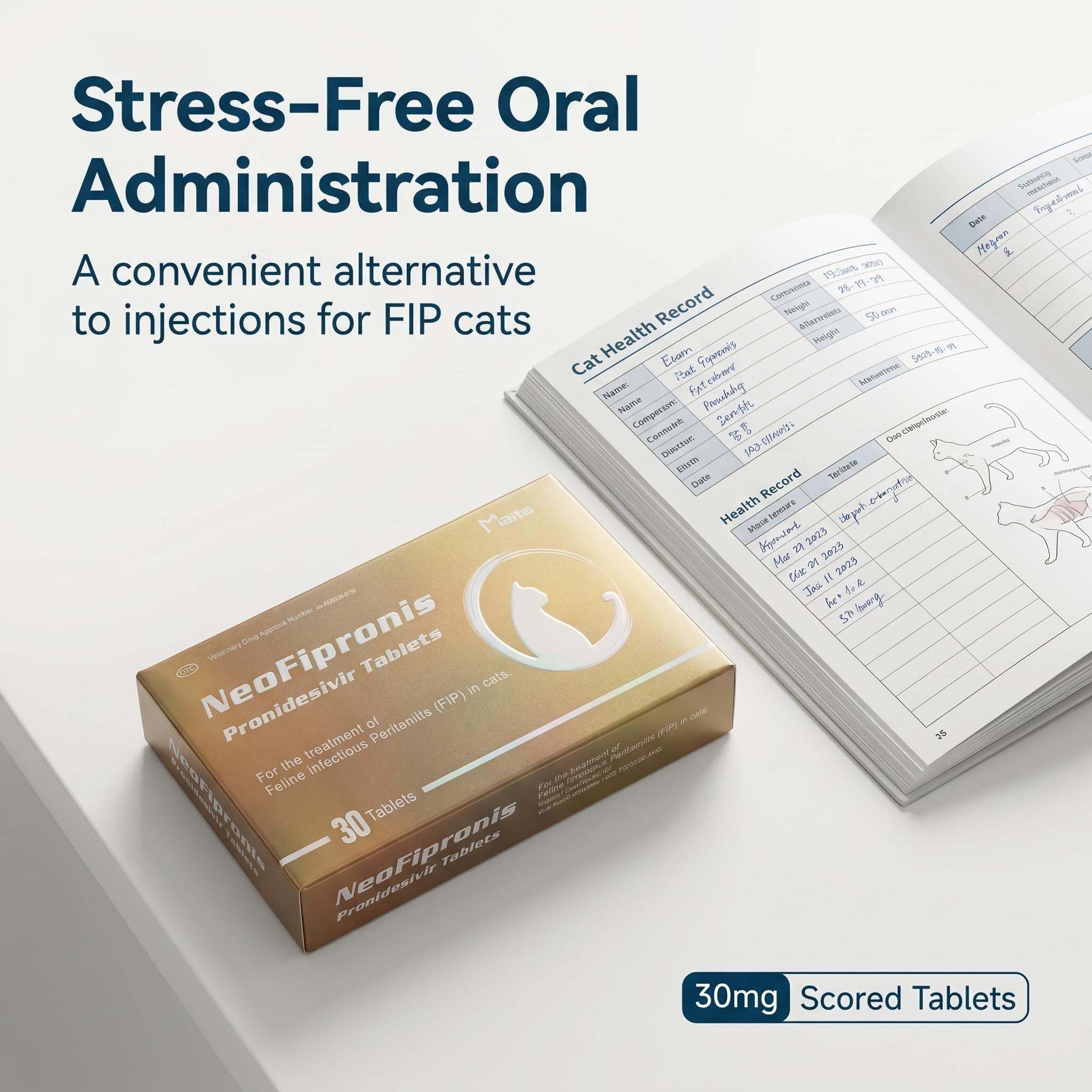
Pronidesivir (GS-441524) is a groundbreaking antiviral medication used primarily for the treatment of Feline Infectious Peritonitis (FIP), a deadly virus affecting cats. As the first officially registered oral medication for FIP in Laos, it has transformed the management of this severe disease. While Pronidesivir offers remarkable therapeutic benefits, understanding its potential side effects is crucial for pet owners and veterinarians alike.
Potential Side Effects of Pronidesivir (GS-441524)
Although Pronidesivir demonstrates excellent safety and tolerability, some cats may experience mild adverse reactions. Common side effects include temporary fluctuations in appetite, mild lethargy, or slight changes in body temperature. These reactions are typically transient and resolve without the need for discontinuing treatment. However, close monitoring during therapy is recommended to ensure the well-being of the feline patient.
Hepatic and Renal Effects
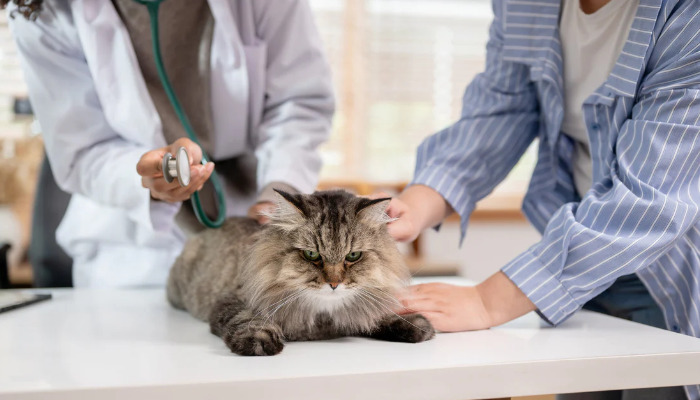
Since Pronidesivir is metabolized through the liver and kidneys, some cats might show signs of hepatic or renal stress. Elevated liver enzymes or alterations in kidney function tests have been observed in rare cases. Regular blood work, including liver and kidney panels, is advised during prolonged medication courses to detect any abnormalities early. If significant changes are detected, dosage adjustments or supportive therapies may be necessary.
Gastrointestinal Reactions
Gastrointestinal symptoms such as vomiting, diarrhea, or decreased appetite may occasionally occur. These issues are generally mild and manageable. Administering the medication with food, either one hour before or two hours after meals, might help reduce gastrointestinal discomfort. Should symptoms persist or worsen, veterinary consultation is essential to determine whether continued medication is appropriate.
Neurological and Ocular Side Effects
Pronidesivir has shown remarkable efficacy across different forms of FIP, including neuro and ocular variants. However, some cats treated with GS-441524 have experienced neurological signs such as ataxia or tremors, and ocular issues like conjunctivitis or uveitis. These effects are typically linked to the severity of FIP itself, but in some cases, may be related to drug sensitivity. Close observation of neurological and ocular health during treatment is vital, with prompt veterinary intervention if adverse signs appear.
Allergic Reactions and Hypersensitivity
Rarely, cats may develop allergic reactions characterized by itching, swelling, or difficulty breathing. Although infrequent, pet owners should be alert for these signs. Immediate discontinuation of the drug and veterinary care are necessary if hypersensitivity reactions are suspected.
Precautions and Safety Measures
Pronidesivir (GS-441524) requires a treatment duration of at least 12 weeks without missed doses for optimal results. Incomplete courses may reduce effectiveness and foster resistance. Regular monitoring of blood parameters helps ensure safety throughout therapy. While NeoFipronis (Pronidesivir) is available as an over-the-counter medication in some regions, veterinary supervision is strongly recommended to minimize risks.
Conclusion
Pronidesivir (GS-441524) provides a highly effective treatment for FIP with a generally favorable safety profile. Adverse effects are usually mild and manageable with proper veterinary guidance. Pet owners should adhere strictly to prescribed dosing regimens, monitor their cats’ health closely, and consult their veterinarian promptly if side effects arise. Ensuring medication is sourced from official providers like NeoFipronis' official website guarantees product quality and safety.
Disclaimer: This medication is intended solely for feline use. Do not administer to humans. Always seek veterinary advice before initiating treatment with Pronidesivir.