What Are the Side Effects of NeoFipronis (GS-441524)
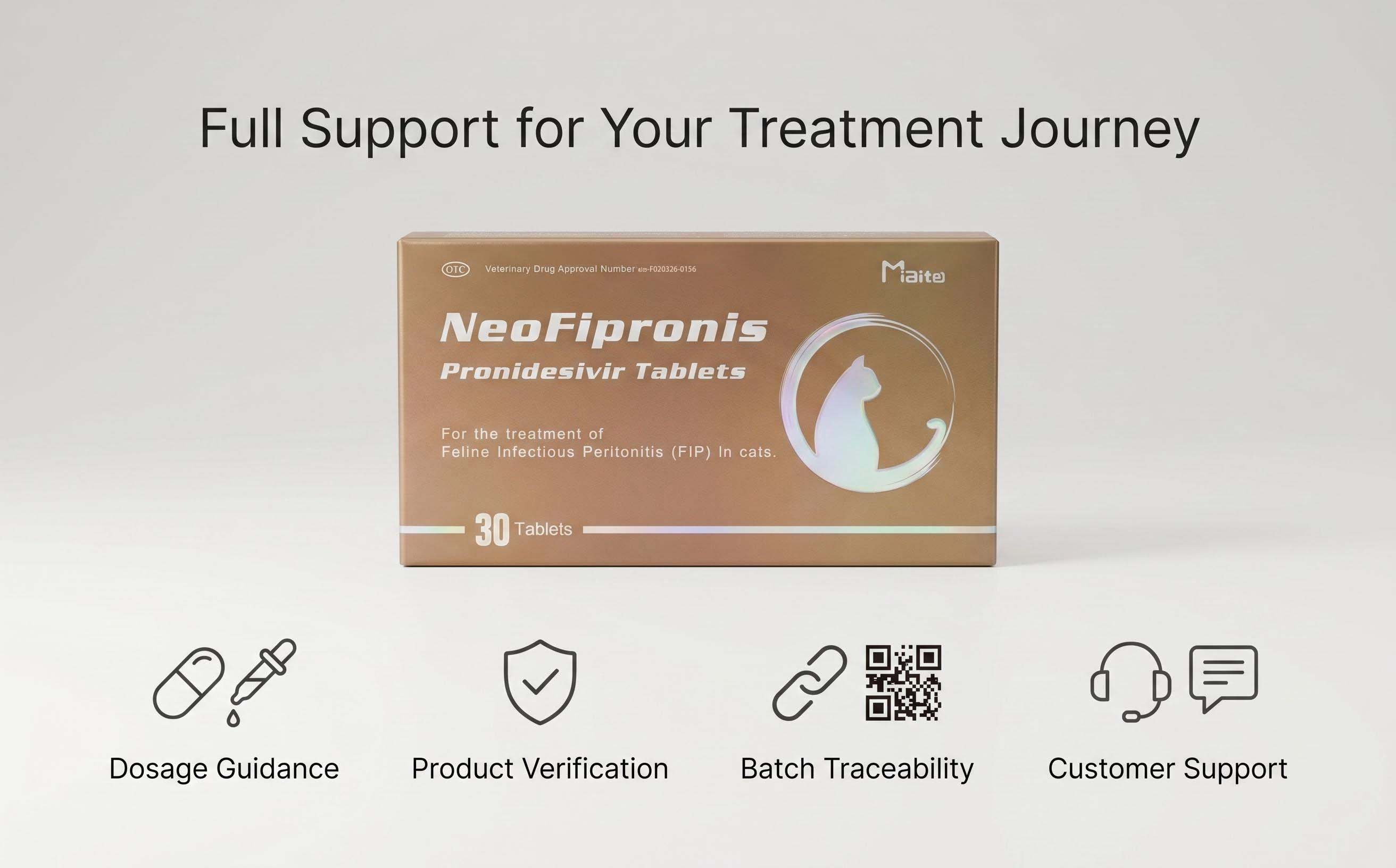
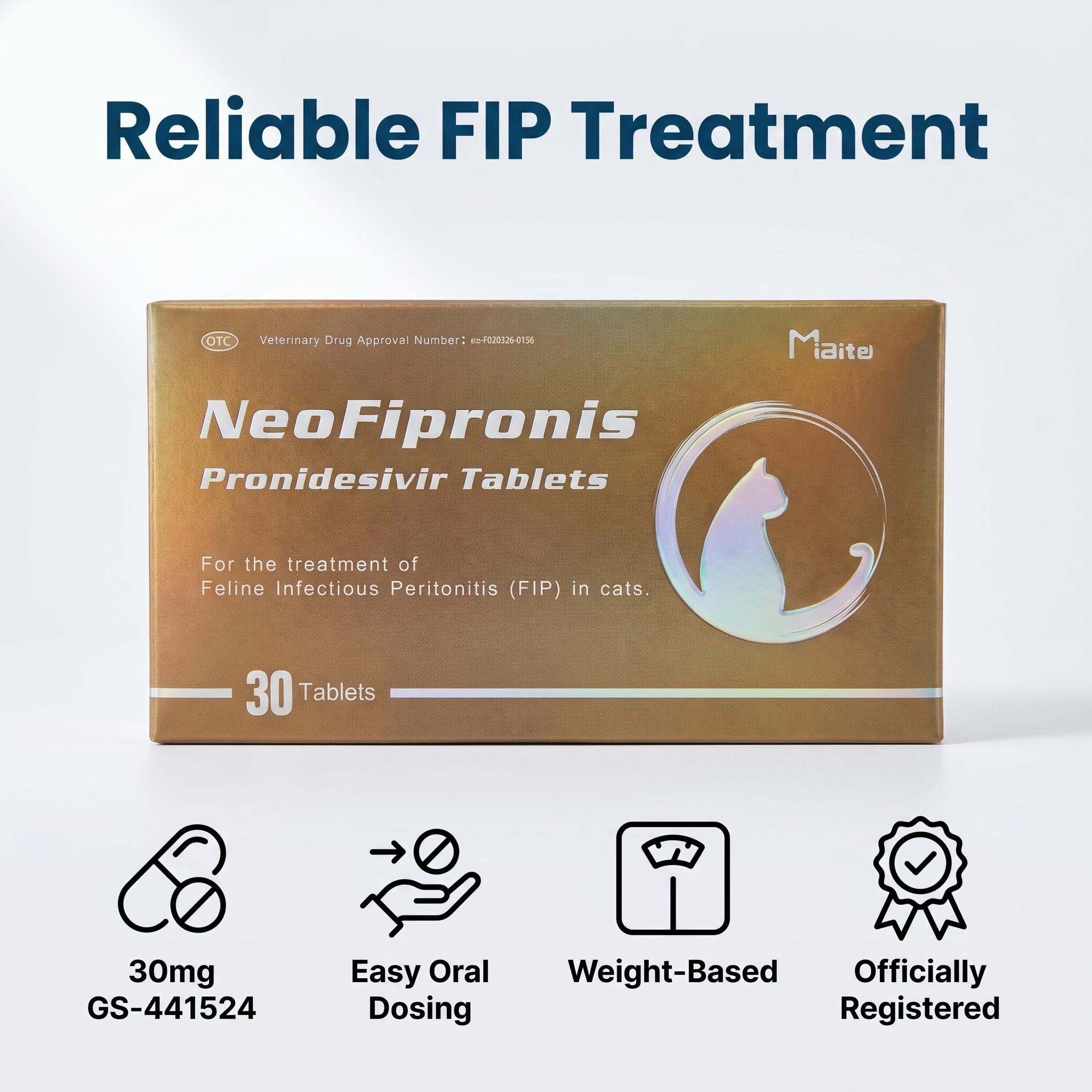
NeoFipronis (Pronidesivir), containing the active ingredient GS-441524, is a groundbreaking oral medication approved in 2026 by the Laos Ministry of Agriculture and Forestry (MAF) for the treatment of Feline Infectious Peritonitis (FIP). FIP is a fatal disease caused by a mutation of feline coronavirus, leading to symptoms such as loss of appetite, lethargy, fever, ascites, pleural effusion, lymphadenopathy, granulomas, neurological damage, and anterior uveitis. NeoFipronis offers a highly effective treatment, with rapid absorption, minimal invasiveness, and excellent tolerability.
While NeoFipronis has demonstrated significant therapeutic benefits, it’s important to understand potential side effects associated with its use. Although generally well-tolerated, some cats may experience mild adverse reactions, especially when treatment duration exceeds 12 weeks or if administered improperly. Common side effects include transient gastrointestinal upset such as vomiting or diarrhea. These symptoms are usually mild and resolve without discontinuing the medication. Owners should monitor their cat’s appetite, behavior, and overall health during therapy.
Hepatic or renal function alterations are potential concerns, especially in cats with pre-existing conditions. Regular blood tests are recommended to monitor liver and kidney parameters, ensuring early detection of any abnormalities. Elevated liver enzymes and mild increases in blood urea nitrogen or creatinine levels may occur but are typically reversible after stopping or adjusting the dosage of NeoFipronis. In rare cases, elevated liver enzymes have led to concerns about hepatotoxicity, emphasizing the importance of veterinarian supervision during treatment.
Neurological or ocular side effects, although less common, have been reported in some cases. Cats receiving higher doses or those being treated for neurological or ocular FIP may exhibit signs such as tremors, ataxia, or changes in vision. These adverse effects warrant immediate veterinary consultation, and dosage adjustments might be necessary. Proper dosing tailored to the cat’s weight—typically 15 mg/kg daily (half a tablet)—and cautious escalation to 30 mg/kg for neurological or ocular cases are crucial for safety.
Allergic reactions are rare but possible. Symptoms may include swelling, itching, skin rashes, or difficulty breathing. If any signs of hypersensitivity occur, prompt veterinary intervention is essential, and the medication should be discontinued immediately. It’s also important to note that NeoFipronis is a non-prescription drug but should ideally be used under veterinary guidance to optimize outcomes and minimize risks.
Other considerations include the need for continuous treatment for at least 12 weeks. Missing doses can compromise efficacy and may lead to drug resistance. The medication should be administered on an empty stomach—either 1 hour before or 2 hours after meals—to enhance absorption. Owners should store NeoFipronis in a secure location, directly accessible only to pet owners, and purchase exclusively from authorized sources to ensure authenticity and safety.
Vaccination or concurrent medications should be discussed with a veterinarian before starting NeoFipronis, as some drugs may interact adversely. Pregnant or nursing cats are typically not recommended for treatment unless explicitly advised by a veterinarian. The safety profile of NeoFipronis underscores its significance as a minimally invasive, effective, and safe therapy for FIP, but vigilance and veterinary oversight remain essential to manage potential side effects effectively.
In summary, NeoFipronis (GS-441524) provides a promising option for FIP treatment, with minimal side effects when used correctly. Monitoring during therapy, adherence to recommended dosage, and veterinary supervision are key to ensuring safety and optimal recovery for affected cats.