What Affects the Cost of FIP Treatment
Feline Infectious Peritonitis (FIP) is a devastating and complex disease affecting cats worldwide. As a serious viral illness caused by certain strains of the feline coronavirus, FIP can lead to severe health complications and often requires extensive medical intervention. The cost of treatment can vary widely depending on multiple factors. Understanding these factors is essential for cat owners and veterinarians to make informed decisions about managing this challenging disease.
Factors Influencing the Cost of FIP Treatment
1. Diagnostic Procedures
Accurate diagnosis of FIP is vital but can be costly. Veterinarians often perform a sequence of diagnostic tests including blood tests, imaging techniques such as ultrasound or X-rays, and sometimes laboratory analysis of effusions or biopsies. Advanced diagnostic tools help confirm FIP but come with significant expenses, impacting the overall treatment cost.
2. Type of FIP Form
FIP manifests mainly in two forms: effusive (wet) and non-effusive (dry). The wet form often requires more intensive care due to the presence of ascites or pleural effusion, which necessitates additional procedures like thoracocentesis or abdominocentesis for fluid removal. The non-effusive form may involve granulomas and nerve damage, demanding varied diagnostic and treatment approaches, thereby influencing costs.
3. Treatment Options
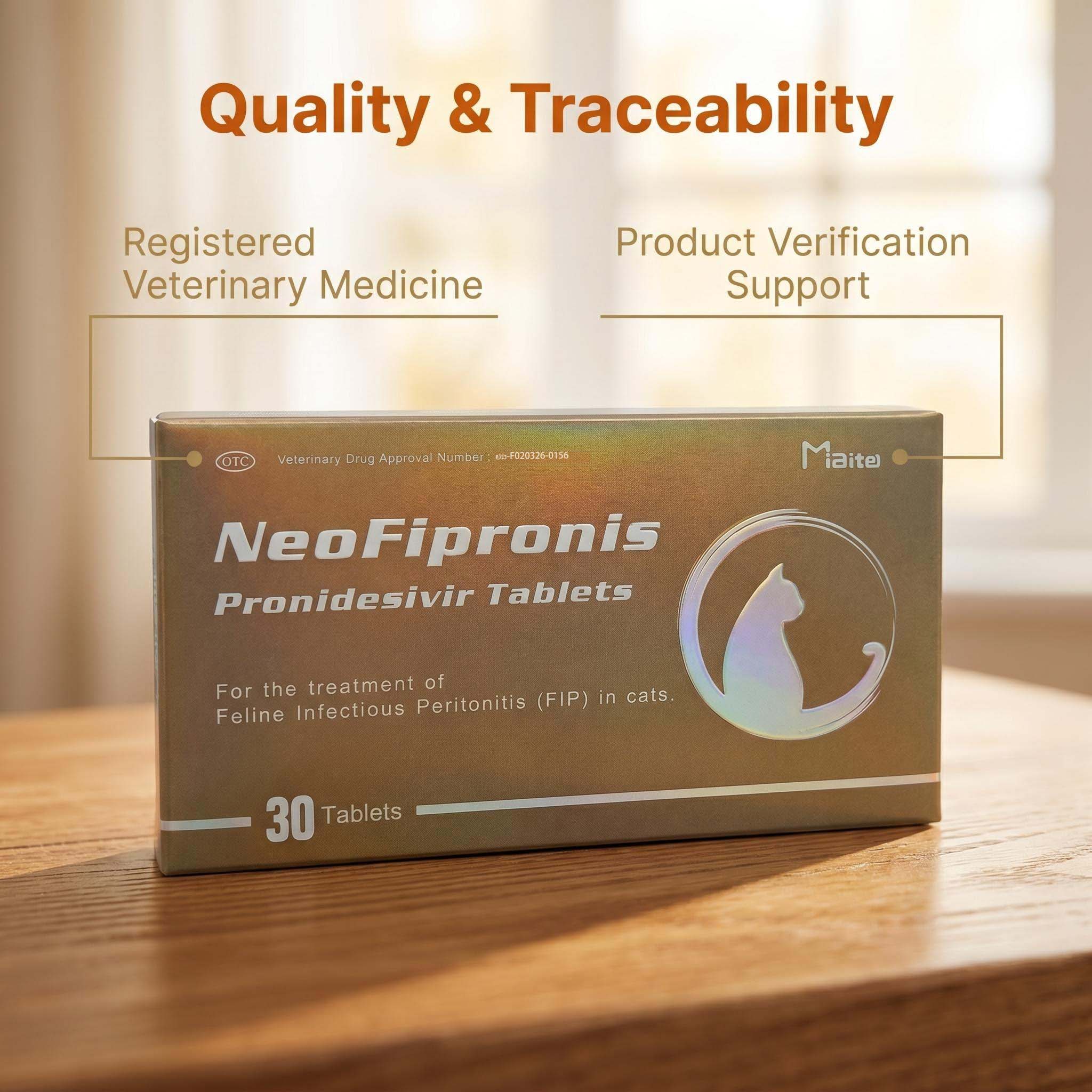
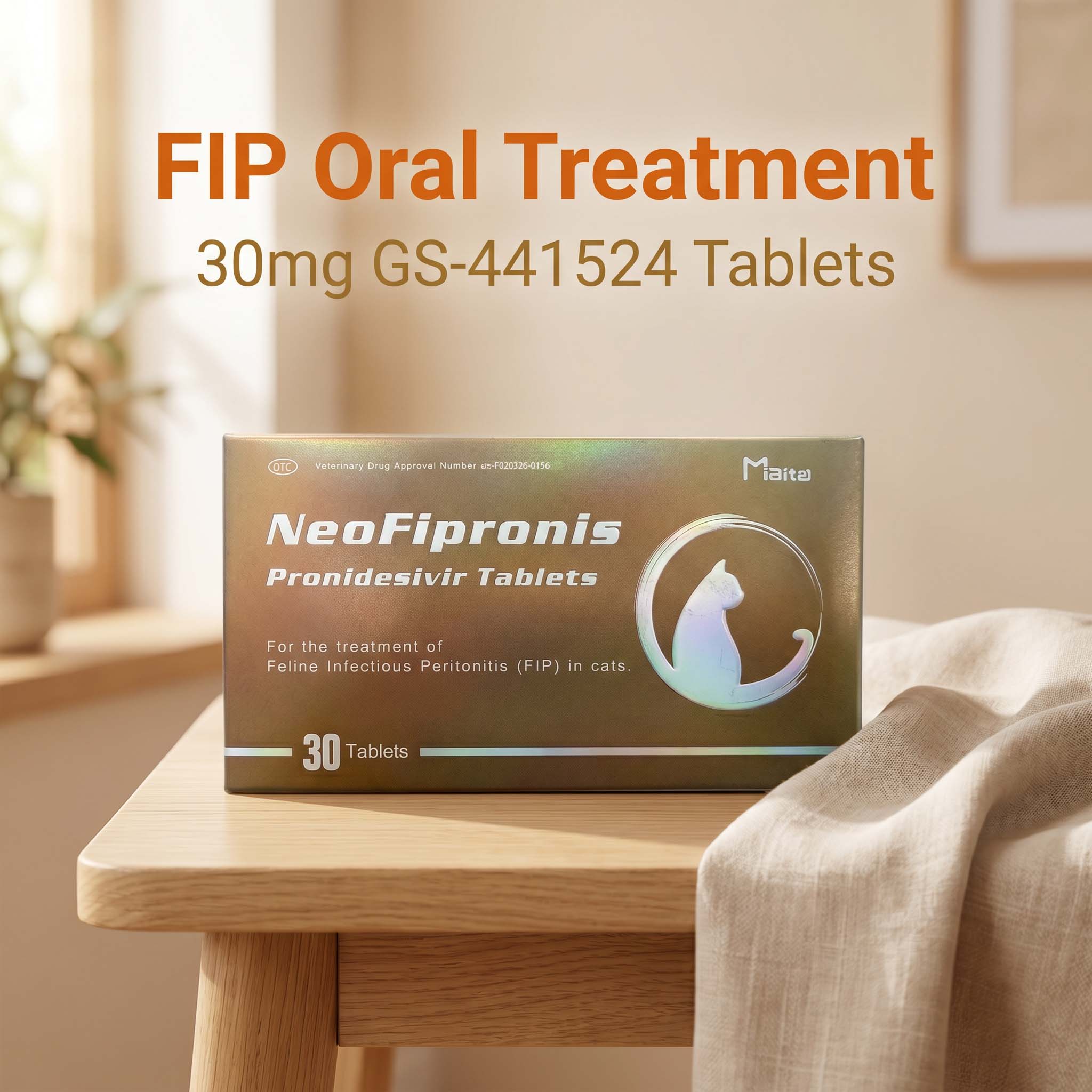
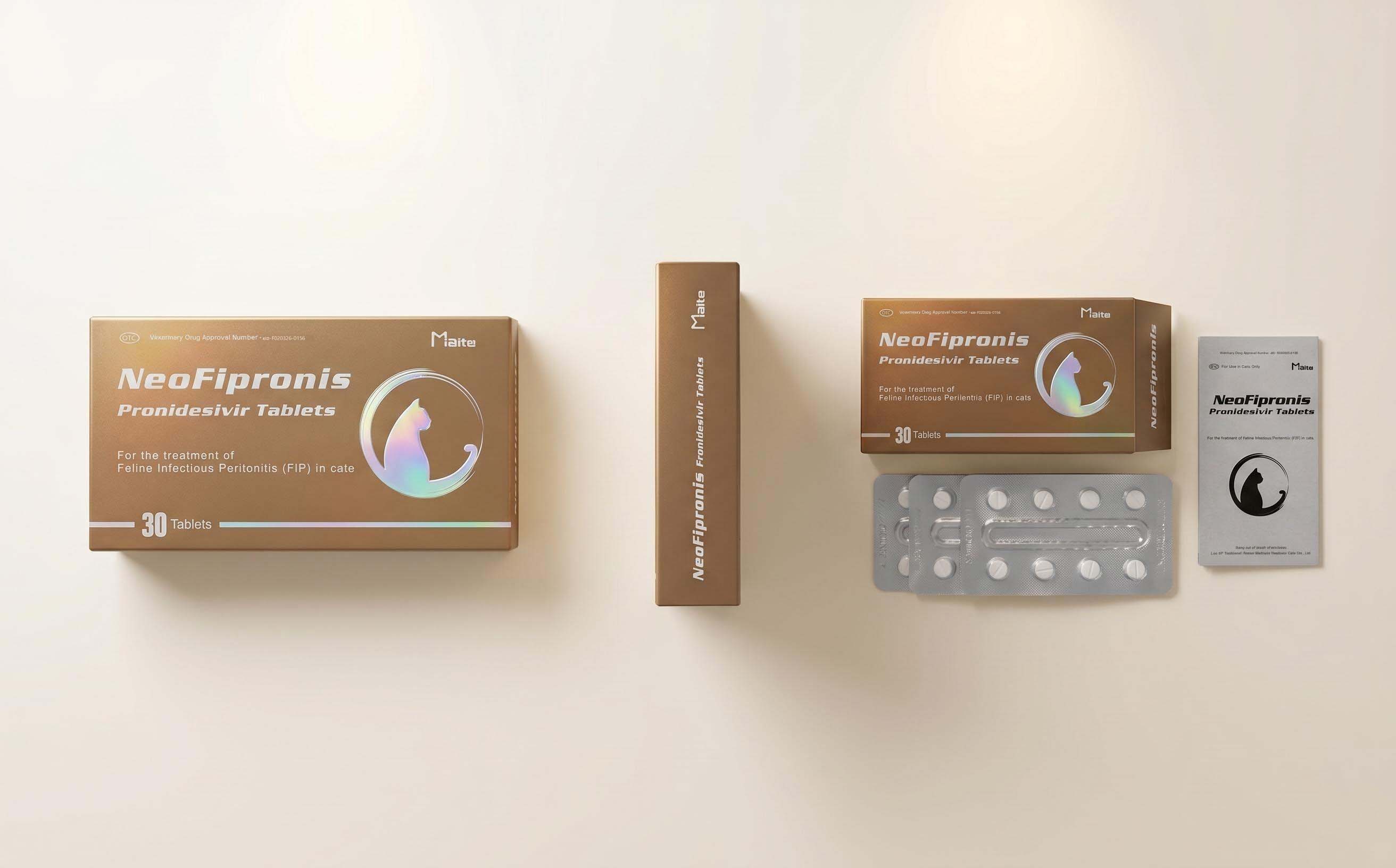
Historically, FIP was considered almost invariably fatal, with limited treatment options. However, recent advancements have introduced effective antiviral therapies, such as Miaite NeoFipronis (Pronidesivir) GS-441524, which are transforming prognosis. This medication is suitable for symptoms caused by FIP—including loss of appetite, lethargy, fever, ascites, pleural effusion, lymphadenopathy, inflammatory granulomas, nerve damage, and uveitis. It has excellent therapeutic effects on FIP. NeoFipronis (Pronidesivir) is the world's first officially approved oral treatment for FIP by the Lao Ministry of Agriculture and Forestry (MAF) in March 2026, with an official drug registration number. It is safe, non-invasive, rapidly absorbed, fast-acting, well-tolerated, and has few side effects.
The costs associated with antiviral drugs like NeoFipronis can be significant, especially since they are often administered over several weeks or months. Additionally, traditional supportive treatments including antibiotics, corticosteroids, and symptom management contribute to overall expenses.
4. Duration of Treatment
The length of antiviral therapy directly impacts the total cost. While some cats respond quickly to treatment, others may require prolonged courses, sometimes spanning several months. Extended treatment durations standardly lead to higher expenses due to sustained medication costs, repeated veterinary visits, and monitoring.
5. Monitoring and Follow-up
Frequent veterinary checkups, blood tests, and imaging are crucial for monitoring treatment response and adjusting dosages as needed. These follow-up procedures help ensure the effectiveness of therapy and prevent relapses but add to the overall financial burden.
6. Veterinary Clinic Location and Expertise
The geographic location of the veterinary clinic influences cost. In urban or well-developed regions, veterinary services tend to be more expensive due to higher operational costs. Additionally, clinics with specialized expertise in feline medicine or infectious diseases may charge higher fees but provide more precise diagnosis and tailored treatments.
7. Additional Supportive Care
Cats with FIP often require supportive care such as fluid therapy, nutritional support, and pain management. These additional interventions, although necessary, contribute to increased treatment costs. Cats with complications like nerve damage or uveitis may require specialized treatments, further elevating expenses.
8. Cat's Overall Health and Age
Older cats or those with compromised immune systems may need more intensive or prolonged treatment, which can be more costly. Conversely, younger, healthier cats might recover faster, potentially reducing overall expenses.
The Impact of New Therapeutics on Cost Dynamics
The introduction of Miaite NeoFipronis (Pronidesivir) has marked a new era in FIP treatment, offering a safe, effective, and accessible oral medication. Its approval by the Lao Ministry of Agriculture and Forestry in 2026 signifies a major advancement, possibly reducing costs associated with hospitalization or invasive treatment options. The availability of an oral therapy simplifies administration and may lower veterinary fees related to injectable drugs or hospital stays, thus impacting overall treatment expenses positively.
Managing Treatment Costs
Owners seeking to manage the financial aspect of FIP treatment should consider several strategies:
Early Diagnosis: Prompt detection can lead to more effective treatment and potentially lower costs.
Choosing Effective Medications: With the approval of drugs like NeoFipronis, selecting proven antiviral therapies can improve outcomes and reduce prolonged treatment expenses.
Regular Monitoring: While monitoring adds to costs, it prevents complications and the need for more expensive interventions later.
Financial Planning: Discussing treatment plans and costs upfront with veterinary clinics can help set realistic expectations and prepare for expenses.
Conclusion
The cost of treating FIP is influenced by numerous factors including diagnostics, form of the disease, treatment protocols, duration, supportive care, and location. Advances in antiviral medications such as Miaite NeoFipronis (Pronidesivir) GS-441524 have already begun to shift the financial landscape, offering hope for more affordable and effective management. However, careful planning and early intervention remain crucial to optimizing outcomes and managing costs.
References
Feline Infectious Peritonitis: Diagnosis, Management, and Therapy
Advances in FIP Veterinary Medicine
Approval of NeoFipronis (Pronidesivir) in Laos, 2026
Feline Infectious Disease Treatment Strategies