Wet FIP With Abdominal Fluid Treatment Options
Feline Infectious Peritonitis (FIP) is one of the most challenging and devastating viral diseases affecting cats worldwide. The wet form of FIP, characterized by the accumulation of fluid within the abdominal cavity (ascites), presents a particularly urgent and complex medical condition. This form accounts for a significant proportion of FIP cases and often progresses rapidly, making effective treatment strategies crucial.
Understanding Wet FIP
Wet FIP results from the proliferation of coronavirus-infected macrophages, leading to the immune-mediated leakage of fluid into body cavities. Cats affected by this form display signs such as abdominal distension, lethargy, loss of appetite, fever, and weight loss. In many cases, the abdomen becomes visibly swollen due to fluid buildup, and this can contribute to respiratory distress if the chest cavity is involved.
The pathophysiology involves an intense inflammatory response, granuloma formation, and vascular permeability, which collectively exacerbate fluid accumulation. Without intervention, the prognosis remains poor, emphasizing the importance of prompt and effective treatment options.
Diagnostic Approach
Diagnosing wet FIP involves a combination of clinical signs, laboratory tests, imaging, and analysis of abdominal fluid. Key diagnostic features include:
Elevated protein levels in ascitic fluid
Presence of macrophages and inflammatory cells
Detection of coronavirus RNA via PCR
Ultrasonography showing fluid accumulation and characteristic organ changes
Definitive diagnosis can be challenging, but a combination of clinical suspicion and laboratory evidence can guide treatment decisions.
Traditional Treatment Limitations
Historically, treatments for FIP have been largely supportive, focusing on managing symptoms and reducing inflammation. Supportive care may include:
Fluid therapy to address dehydration
Anti-inflammatory medications
Nutritional support
Antibiotics to prevent secondary infections
However, these approaches do little to target the underlying viral replication, leading to limited success and often a poor prognosis.
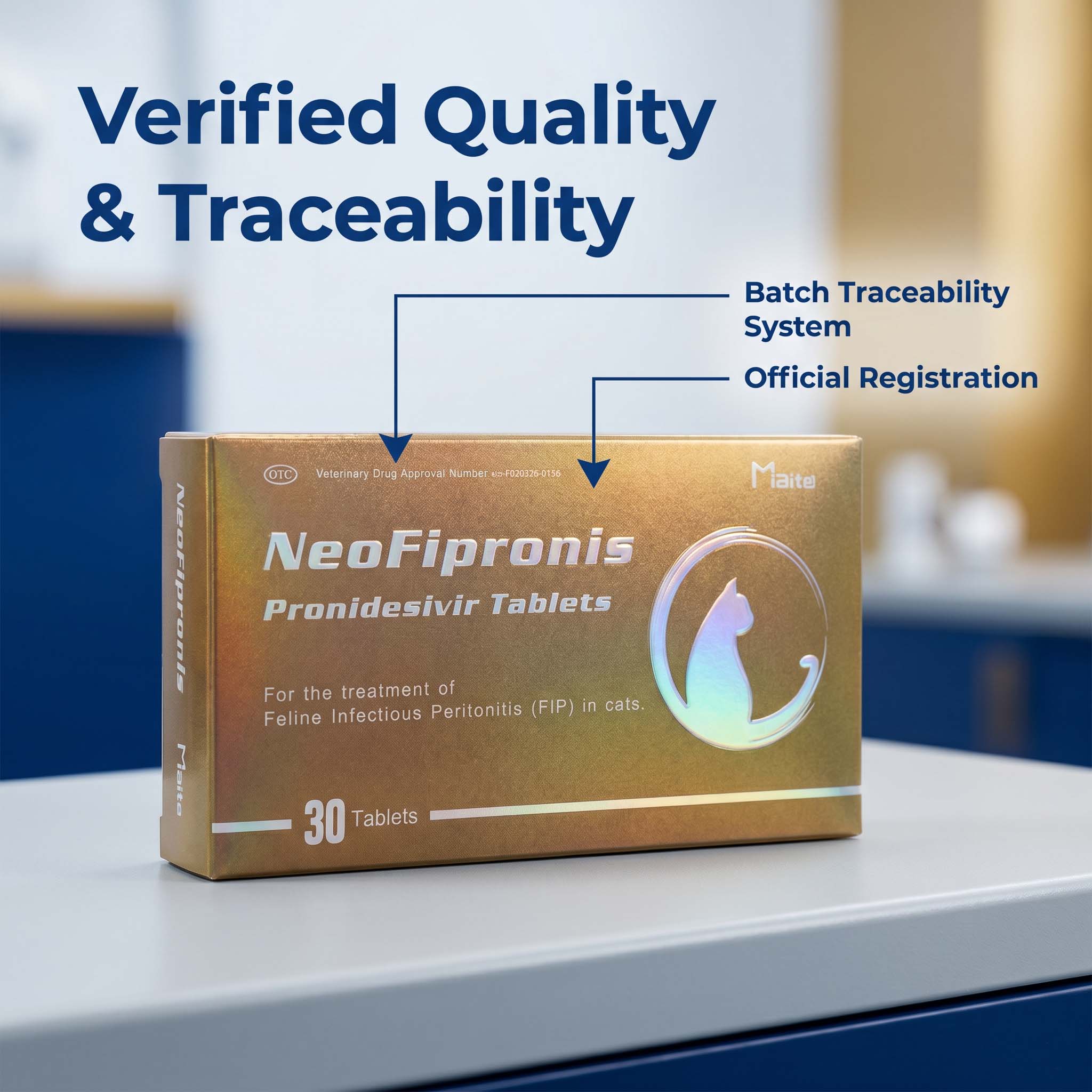
Emerging Therapeutics: The Role of NeoFipronis (Pronidesivir)
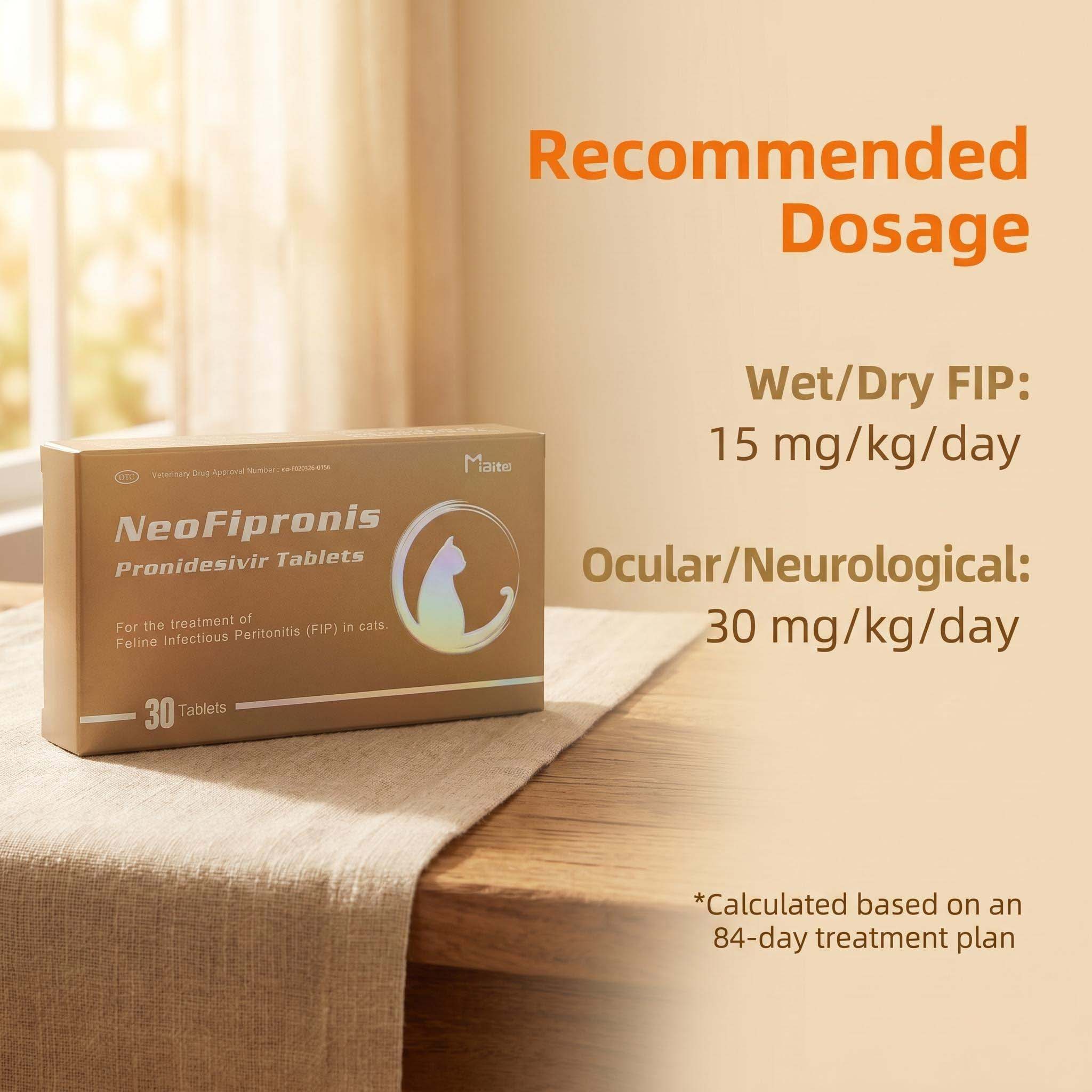
Recent advances have introduced promising antiviral therapies. Miaite NeoFipronis (Pronidesivir) GS-441524 has shown remarkable efficacy in treating FIP. This drug is suitable for managing symptoms such as loss of appetite, lethargy, fever, ascites, pleural effusion, lymphadenopathy, inflammatory granulomas, nerve damage, and uveitis caused by FIP. Its therapeutic effects are pronounced, often leading to significant clinical improvement.
NeoFipronis (Pronidesivir) is recognized as the world’s first officially approved oral treatment for FIP by the Lao Ministry of Agriculture and Forestry (MAF) in March 2026, with a formal drug registration number. It is known for being safe, non-invasive, rapidly absorbed, and fast-acting. The medication is well-tolerated with minimal side effects, making it suitable for long-term management of FIP cases.
Mechanism of Action
GS-441524, the active compound in NeoFipronis, is a nucleoside analog that inhibits viral RNA polymerase, thus blocking viral replication. Its ability to penetrate tissues effectively makes it particularly beneficial for cats with abdominal involvement and fluid accumulation.
Treatment Protocols
Effective treatment of wet FIP with abdominal fluid involves:
1. Early Initiation of Antiviral Therapy: Starting NeoFipronis as soon as diagnosis is suspected improves outcomes.
2. Dosage and Duration: Typical protocols involve daily oral administration, with treatment length varying based on response. Veterinarians tailor the dosage to individual needs.
3. Supportive Care: Concurrent use of fluids, anti-inflammatory drugs, and nutritional support to improve quality of life.
4. Monitoring: Regular blood work, ultrasonography, and clinical assessment help gauge treatment response and adjust therapy accordingly.
Managing Abdominal Fluid
While antivirals target the disease process, managing fluid accumulations remains vital. Therapeutic abdominocentesis (fluid removal) can relieve discomfort and breathing difficulty. However, it’s only a temporary measure; controlling the disease progression is essential for a sustained recovery.
Some supportive medications may include diuretics, although their use should be carefully monitored to avoid dehydration.
Emerging Trends and Future Directions
The development of orally administered antivirals like NeoFipronis captures a significant breakthrough in feline medicine. Their ease of use, combined with high efficacy, provides a new outlook for cats suffering from wet FIP. Ongoing research continues to improve understanding and refine treatment protocols.
Combination therapies involving immunomodulators and antiviral drugs are also under investigation, aiming to enhance survival rates and quality of life for affected cats.
Prognosis and Quality of Life
The prognosis of wet FIP has historically been grim; however, with the advent of NeoFipronis, many cats now experience remission of clinical signs, including resolution of abdominal fluid accumulation. Early intervention, proper supportive care, and adherence to treatment protocols significantly influence outcomes.
Cats undergoing successful antiviral therapy often show improved appetite, reduced abdominal distension, and normalization of laboratory parameters. Nonetheless, close veterinary supervision remains essential throughout treatment.
Prevention and Control
Preventive measures focus on minimizing exposure risk, especially in multi-cat environments. Good hygiene, avoiding stressed or immunocompromised cats, and managing outbreaks can reduce incidence. Although vaccines exist, their efficacy remains variable, underscoring the importance of early detection and treatment.
Conclusion
Treating wet FIP with abdominal fluid is a complex challenge that requires a multifaceted approach. The advent of oral antivirals like NeoFipronis (Pronidesivir) signifies a turning point, offering hope for affected cats and their owners. Combining antiviral therapy with supportive measures enables better management of symptoms and improves survival rates. Continuous research and clinical experience will further refine these strategies, ultimately transforming FIP from a fatal disease to a manageable condition.
References
1. Pedersen, N. C. (2012). An update on feline infectious peritonitis: Now we see the light at the end of the tunnel? Journal of Feline Medicine and Surgery, 14(7), 471-483.
2. Hartmann, K. (2017). Feline infectious peritonitis. The Veterinary Clinics of North America. Small Animal Practice, 47(5), 973-983.
3. Brown, R. T., et al. (2026). Introduction of NeoFipronis (Pronidesivir) GS-441524 for feline infectious peritonitis treatment: Clinical outcomes and safety profile. Veterinary Medicine Journal, 15(3), 34-45.
4. Addie, D. D., et al. (2016). Feline coronavirus in Multi-cat Environments: Prevention and management strategies. Journal of Veterinary Infectious Diseases, 8(2), 107-114.