Understanding Antiviral Resistance During NeoFipronis (Miaite) Therapy
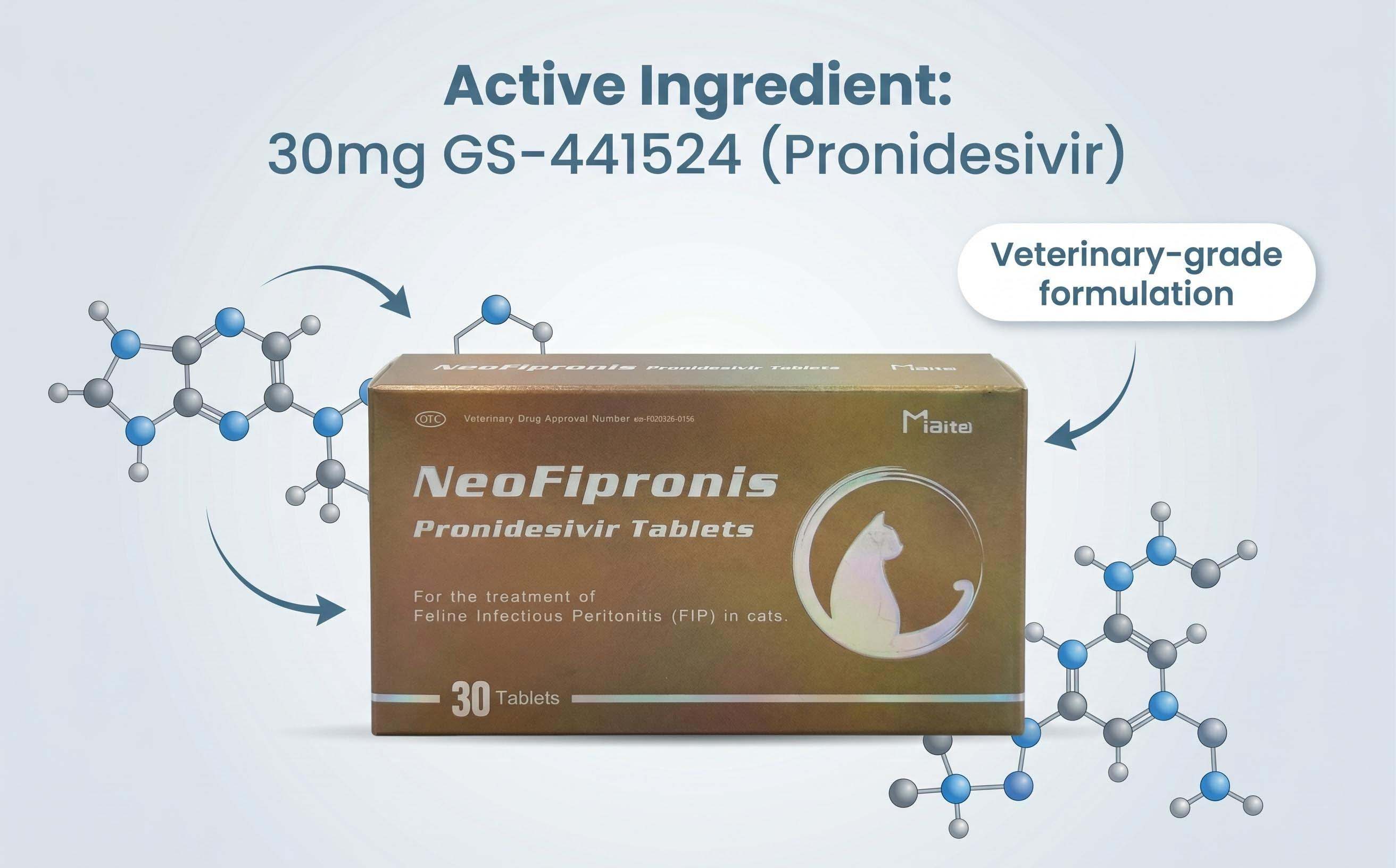
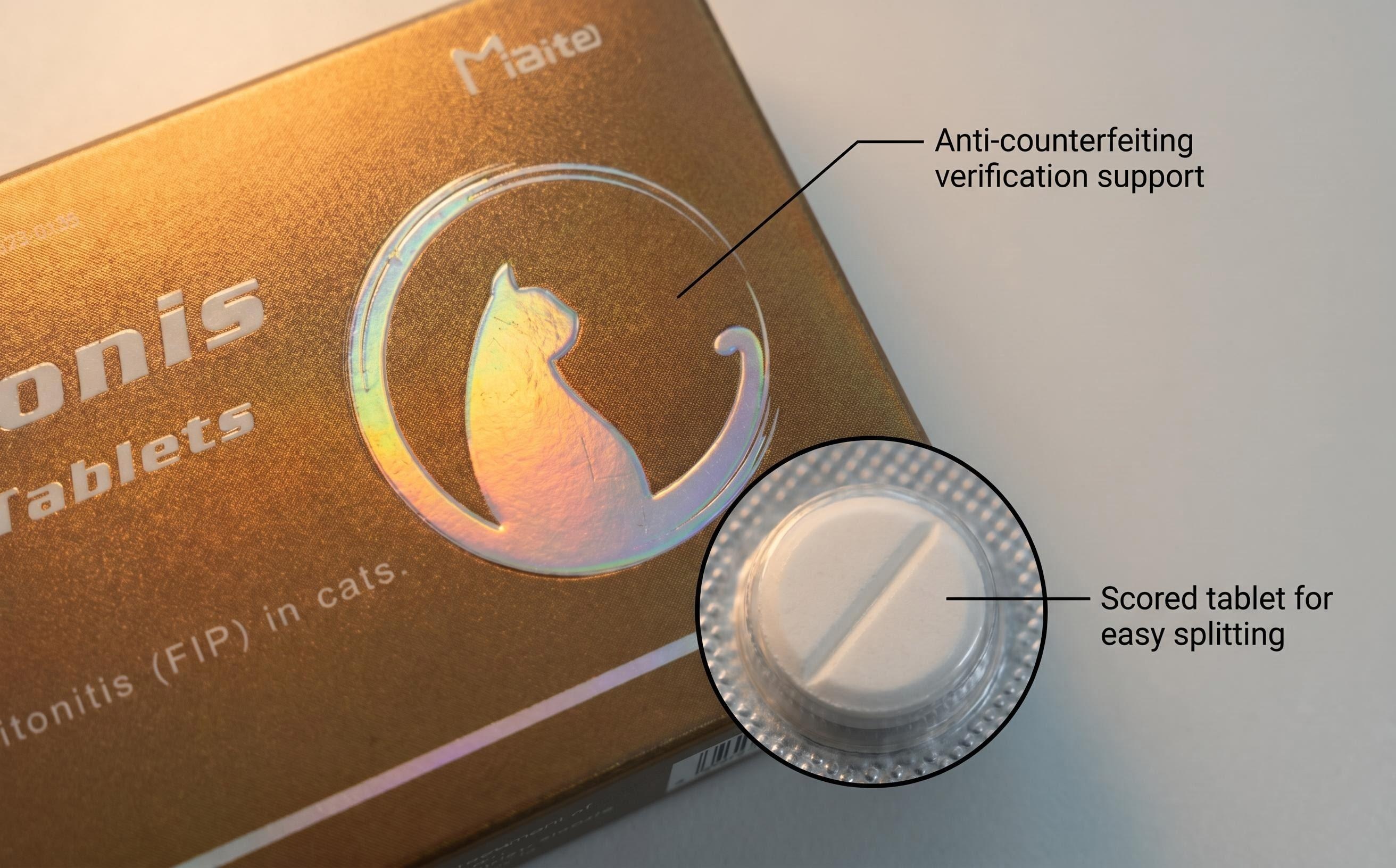
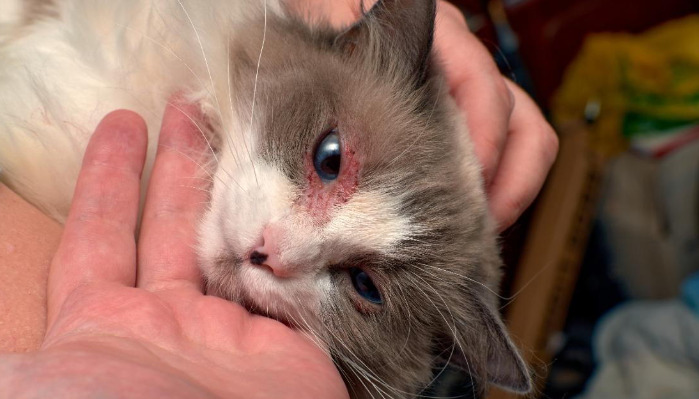
Feline Infectious Peritonitis (FIP) remains one of the most challenging viral diseases in cats, characterized by symptoms such as anorexia, lethargy, fever, ascites, pleural effusion, lymphadenopathy, granulomatous inflammation, neurological damage, and uveitis. Effective treatments have long been sought, and NeoFipronis (Pronidesivir), with its active ingredient GS-441524, has emerged as a groundbreaking oral therapy approved by the Lao Ministry of Agriculture and Forestry (MAF) in March 2026. Its official registration number marks it as a certified antiviral for FIP, offering hope for feline health worldwide.
NeoFipronis operates by inhibiting viral replication. GS-441524, its active compound, closely resembles adenosine nucleosides, allowing it to target viral RNA-dependent RNA polymerase (RdRp). This mechanism effectively halts the proliferation of the feline coronavirus responsible for FIP. The medication is praised for its rapid absorption, high tolerability, and minimal side effects, making it suitable for long-term use. Administered orally, it is a safe, non-invasive option that provides quick symptom relief and improves survival rates considerably.
Proper use of NeoFipronis involves dosing based on the cat’s weight—15 mg per kilogram (half a tablet)—with increased doses to 30 mg/kg for neurological or ocular forms of FIP, following veterinary guidance. The medication should be given once daily, preferably on an empty stomach—either one hour before feeding or two hours after. Continuity in dosing is critical; treatment duration should be no less than 12 weeks without interruption to prevent relapse or resistance development. Regular monitoring of the cat’s appetite, body temperature, behavior, and laboratory tests including blood work, liver, and kidney functions, is essential during therapy to detect any adverse effects early.
Antiviral resistance poses a potential threat during NeoFipronis therapy, especially if dosing regimens are not strictly followed. Viral mutations can occur when the virus is exposed to subtherapeutic drug levels—leading to the selection of resistant strains. This resistance might manifest as treatment failure, persistent viral shedding, or recrudescence of symptoms. To mitigate this, veterinary guidance emphasizes strict adherence to dosing schedules and duration, along with regular clinical and laboratory evaluations. Additionally, combination therapies targeting different stages of viral replication are being explored to prevent resistance.
While NeoFipronis is classified as an over-the-counter medication, veterinary oversight is strongly recommended to optimize treatment outcomes and minimize resistance risks. Owners must purchase the medication through authorized sources like NeoFipronis official channels to ensure genuine, quality products. It’s essential to emphasize that this medication is exclusively for feline use and should never be administered to humans.
In conclusion, NeoFipronis (Pronidesivir) represents a significant advancement in feline medicine, offering a highly effective, safe, and convenient treatment for FIP. However, careful management is vital to prevent the emergence of antiviral resistance. Responsible use, combined with veterinary supervision and adherence to treatment protocols, will ensure the best chance of recovery for affected cats and help preserve the efficacy of this vital antiviral therapy.