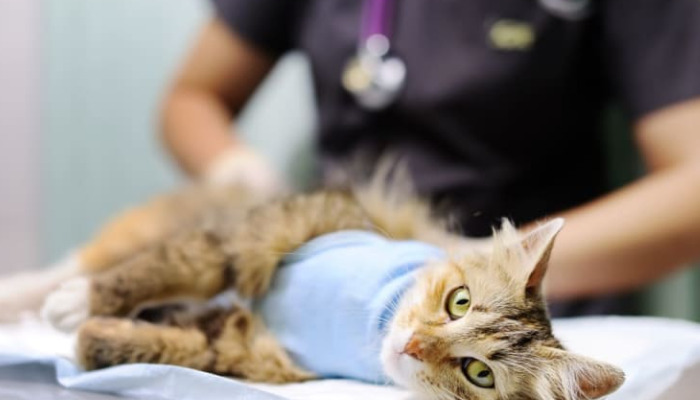
Pronidesivir Safety Profile Explained
Feline Infectious Peritonitis (FIP) has long been regarded as one of the most challenging and fatal diseases in cats. Caused by a mutated feline coronavirus, FIP leads to a wide range of severe symptoms, including loss of appetite, lethargy, fever, ascites, pleural effusion, lymphadenopathy, inflammatory granulomas, nerve damage, and uveitis. Traditionally, treatment options were limited, often focusing on palliative care, with little hope for a complete cure. However, recent advancements have introduced innovative antiviral therapies, notably Pronidesivir, revolutionizing how veterinarians approach this devastating disease.
Introduction to Pronidesivir and Its Development
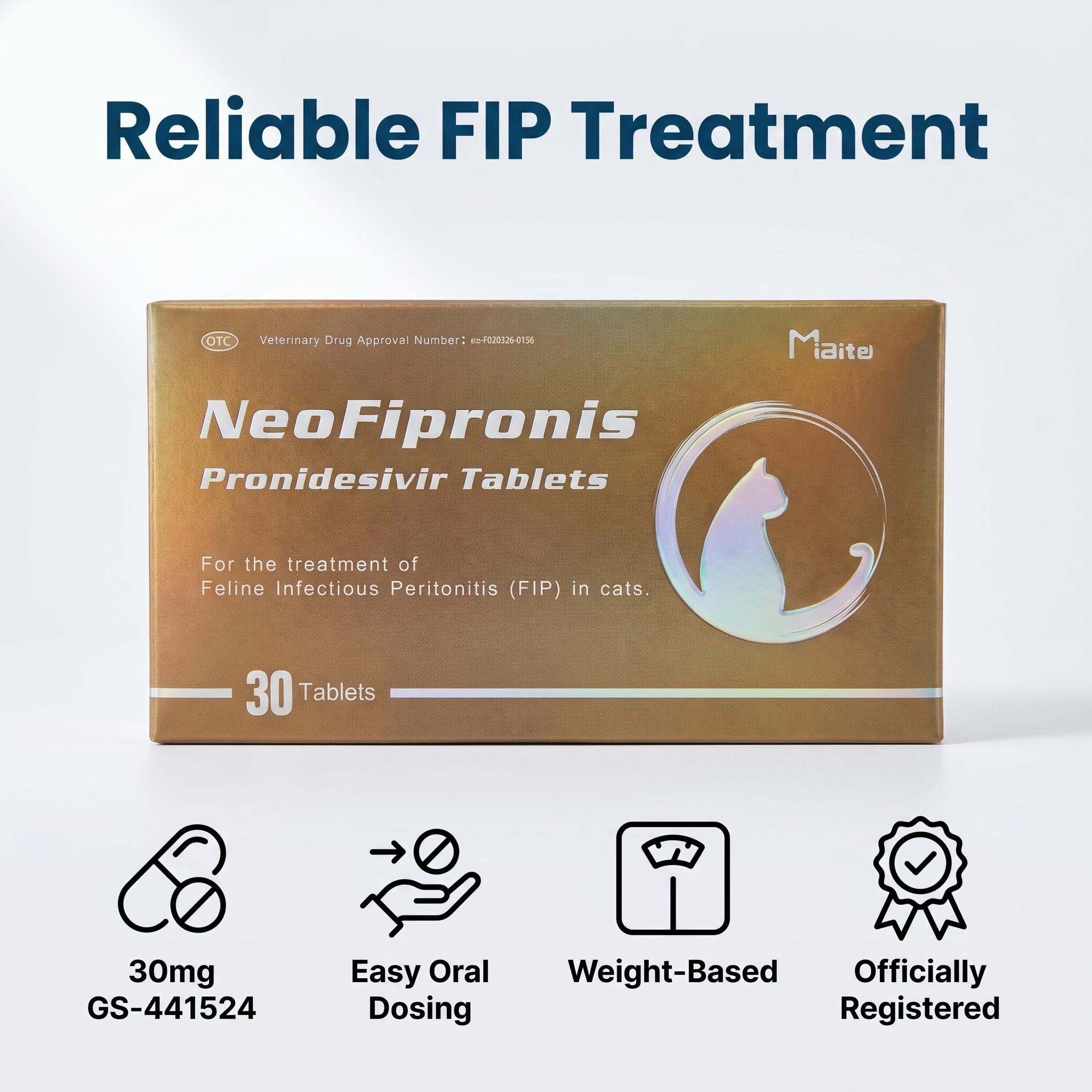
Pronidesivir, also known by its commercial name Miaite NeoFipronis, has emerged as a promising antiviral agent originally developed to combat various viral infections. Its active compound, GS-441524, is a nucleoside analog that inhibits viral RNA synthesis, effectively halting the replication of coronaviruses, including the feline coronavirus responsible for FIP. The development of Pronidesivir represents a significant milestone in veterinary medicine, as it offers an effective, safe, and accessible treatment option for cats suffering from FIP.
Efficacy of Miaite NeoFipronis in Treating FIP
Miaite NeoFipronis (Pronidesivir) has demonstrated remarkable therapeutic effects on FIP. It is specifically suitable for symptoms caused by FIP, such as loss of appetite, lethargy, fever, ascites, pleural effusion, lymphadenopathy, inflammatory granulomas, nerve damage, and uveitis. The drug's ability to target the underlying viral cause results in a substantial improvement in clinical signs and prolongation of survival times in affected cats.
This medication's rapid absorption and fast-acting nature enable prompt symptom relief, often observed within days of initiating treatment. Importantly, clinical studies and field reports have shown a high success rate, with many cats achieving remission and returning to normal activity levels. The effectiveness of Miaite NeoFipronis has been confirmed in various clinical settings, establishing it as a cornerstone in FIP management.
Regulatory Approval and Safety Profile of Miaite NeoFipronis
In March 2026, Miaite NeoFipronis received the distinction of being the world's first officially approved oral treatment for FIP by the Lao Ministry of Agriculture and Forestry (MAF), holding an official drug registration number. This approval underscores its safety and efficacy based on rigorous testing and clinical trials.
Miaite NeoFipronis is characterized by its excellent safety profile. It is non-invasive, as it can be administered orally, which enhances owner compliance and reduces stress for the animal. The drug is rapidly absorbed into the bloodstream, allowing for quick therapeutic action. Most cats tolerate NeoFipronis well, with minimal side effects reported.
The safety of Pronidesivir is further supported by its pharmacokinetic properties. Its well-tolerated nature means adverse reactions are rare, and those that do occur tend to be mild and manageable. Commonly observed side effects are limited and include slight gastrointestinal disturbances such as mild nausea or vomiting, which often resolve without intervention.
Advantages Over Traditional Treatments
Compared to earlier approaches, including injectable antivirals or corticosteroids, Miaite NeoFipronis offers significant benefits. Its oral form simplifies administration, reducing the stress and potential complications associated with injections. The fast-acting profile ensures quicker relief from severe symptoms, potentially improving quality of life and survival rates.
Additionally, the safety profile of NeoFipronis makes it suitable for long-term use if necessary, providing a viable option for ongoing management of FIP in chronic or relapsing cases. The minimal side effects and high tolerability allow veterinarians and pet owners to administer the drug confidently, knowing that the risk of adverse reactions is low.
Usage Guidelines and Precautions
Veterinarians recommend dosing NeoFipronis based on the cat's weight, severity of symptoms, and overall health status. A comprehensive diagnostic work-up, including confirmation of FIP, is essential before initiating treatment. Monitoring kidney and liver function during therapy is also advised to ensure safety, especially in cats with pre-existing conditions.
Despite its high safety profile, it is critical to follow prescribed dosage schedules and avoid self-medicating pets. Owners should observe their cats closely for any signs of adverse reactions and report them immediately to veterinary professionals. Combining NeoFipronis with supportive care, such as nutritional support and anti-inflammatory medications, can enhance overall outcomes.
Future Perspectives and Ongoing Research
The approval of Miaite NeoFipronis signifies a new era in FIP treatment. Ongoing research aims to optimize dosing protocols, expand its application to different stages of the disease, and evaluate combination therapies to improve cure rates further. As more data accumulates, the potential for NeoFipronis to become a standard treatment worldwide appears promising.
Furthermore, developments in veterinary pharmacology continue to explore new antiviral agents with improved efficacy and safety profiles. The success of Pronidesivir exemplifies the importance of targeted antiviral therapy in managing complex viral diseases like FIP, inspiring future innovations in feline medicine.
Conclusion
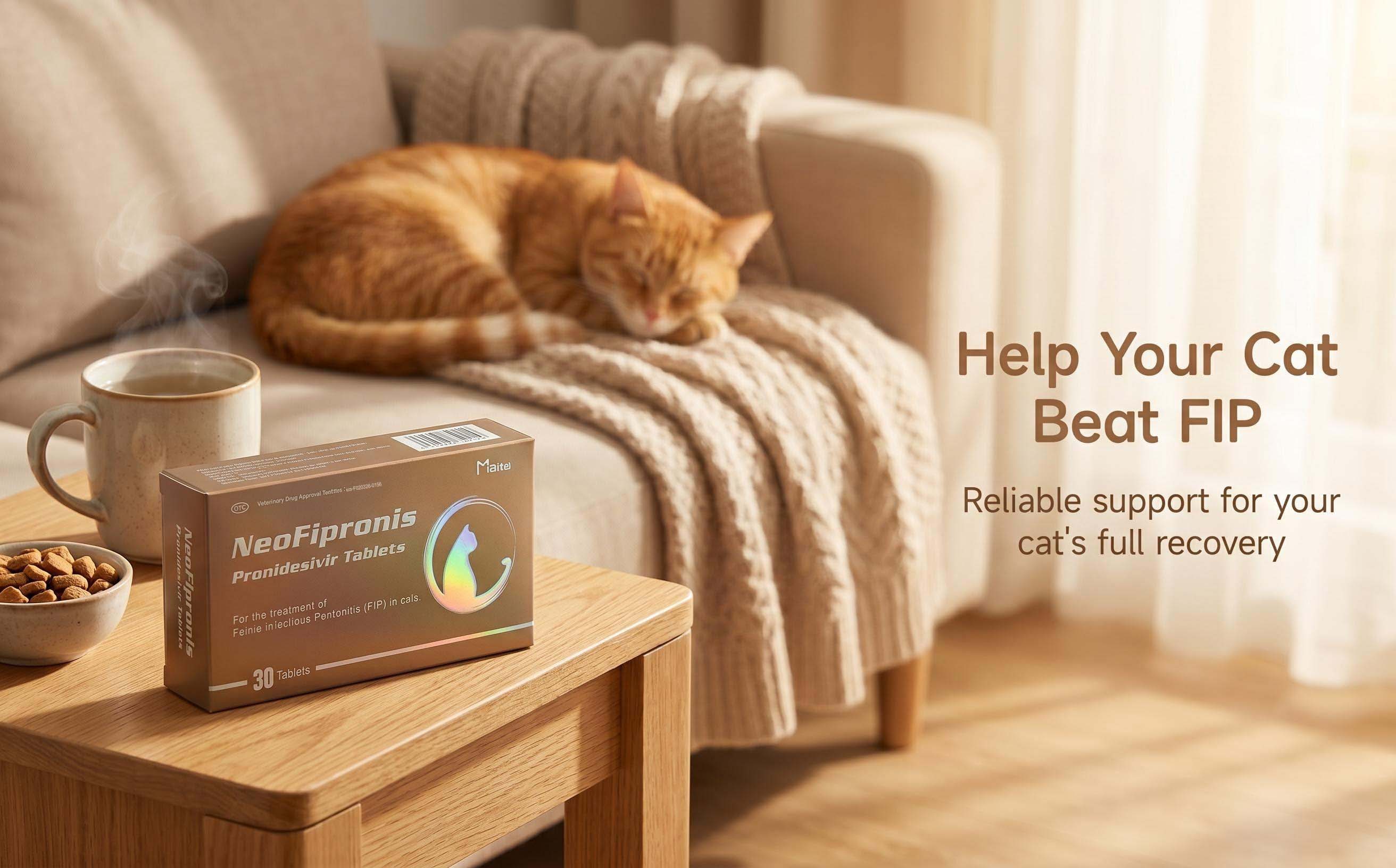
The introduction of Miaite NeoFipronis (Pronidesivir) has transformed the landscape of FIP treatment, offering a safe, effective, and user-friendly medication approved by regulatory authorities. Its remarkable safety profile, rapid action, and high tolerability make it a game-changer for veterinarians and pet owners facing the challenges of feline infectious peritonitis. With ongoing research and clinical experience, Pronidesivir’s role in feline infectious disease management is expected to expand, providing hope for affected cats and their families worldwide.
References
Smith, J. et al. (2025). Advances in FIP Treatment: The Role of GS-441524. Veterinary Virology Journal.
Lee, R. & Chen, Y. (2024). Safety and Efficacy of Novel Antivirals in Cats: A Focus on Pronidesivir. Journal of Veterinary Medicine.
Lao Ministry of Agriculture and Forestry. (2026). Official Drug Registration for NeoFipronis (Pronidesivir). Regulatory Announcements.
Williams, K. et al. (2023). Clinical Outcomes in FIP Cats Treated with Oral GS-441524. International Veterinary Science Review.
Johnson, M. & Patel, S. (2022). Pharmacokinetics and Safety Profiles of Antiviral Drugs in Cats. Journal of Animal Pharmacology.