Safe and Reliable Ways to Buy NeoFipronis
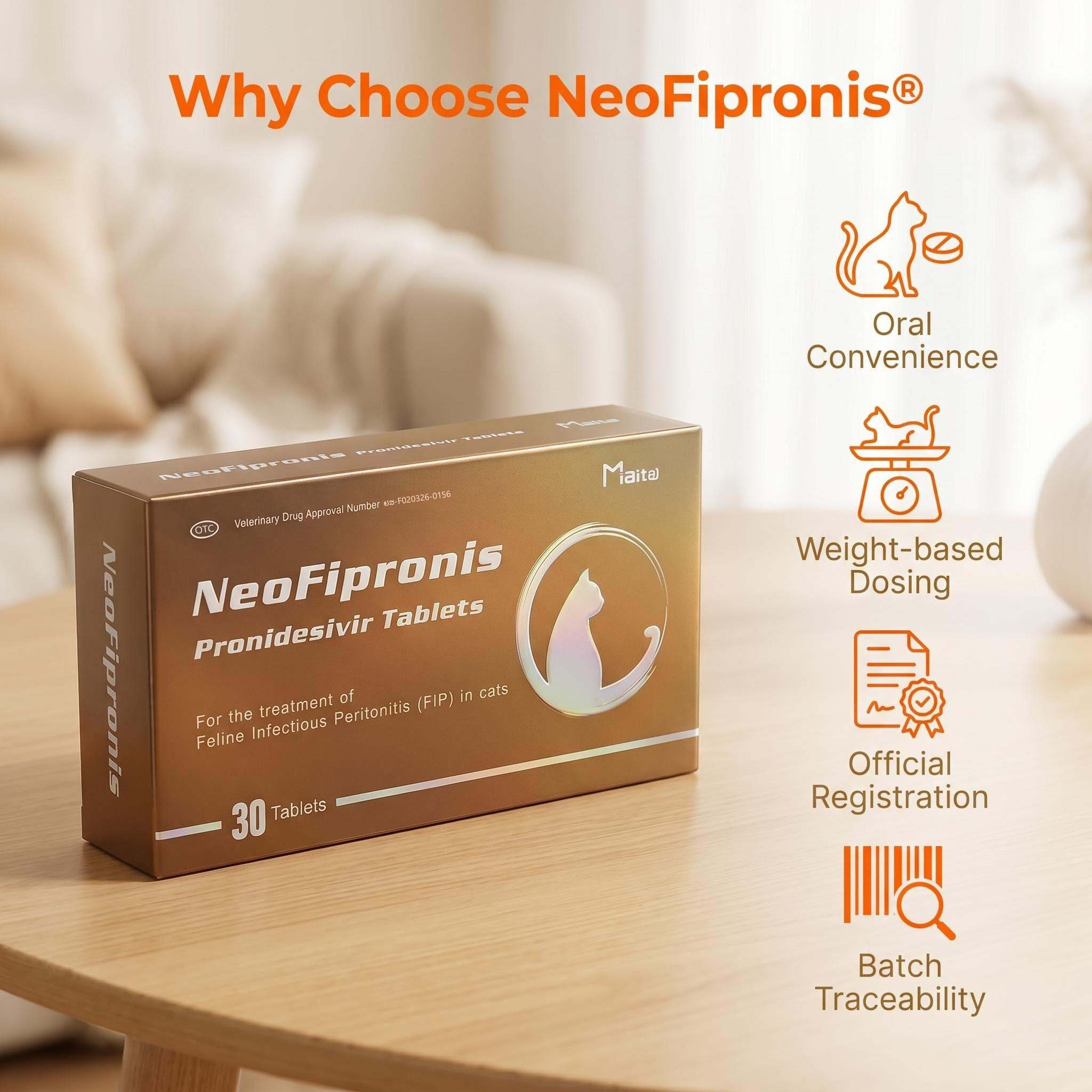
Feline Infectious Peritonitis (FIP) is a devastating disease affecting cats worldwide. It causes symptoms such as loss of appetite, lethargy, fever, ascites, pleural effusion, lymphadenopathy, inflammatory granulomas, neurological damage, and uveitis. NeoFipronis (Pronidesivir), with its active ingredient GS-441524, offers a breakthrough in treating FIP effectively. As the world’s first officially approved oral medication for FIP, NeoFipronis has garnered attention for its safety, rapid absorption, and high efficacy.
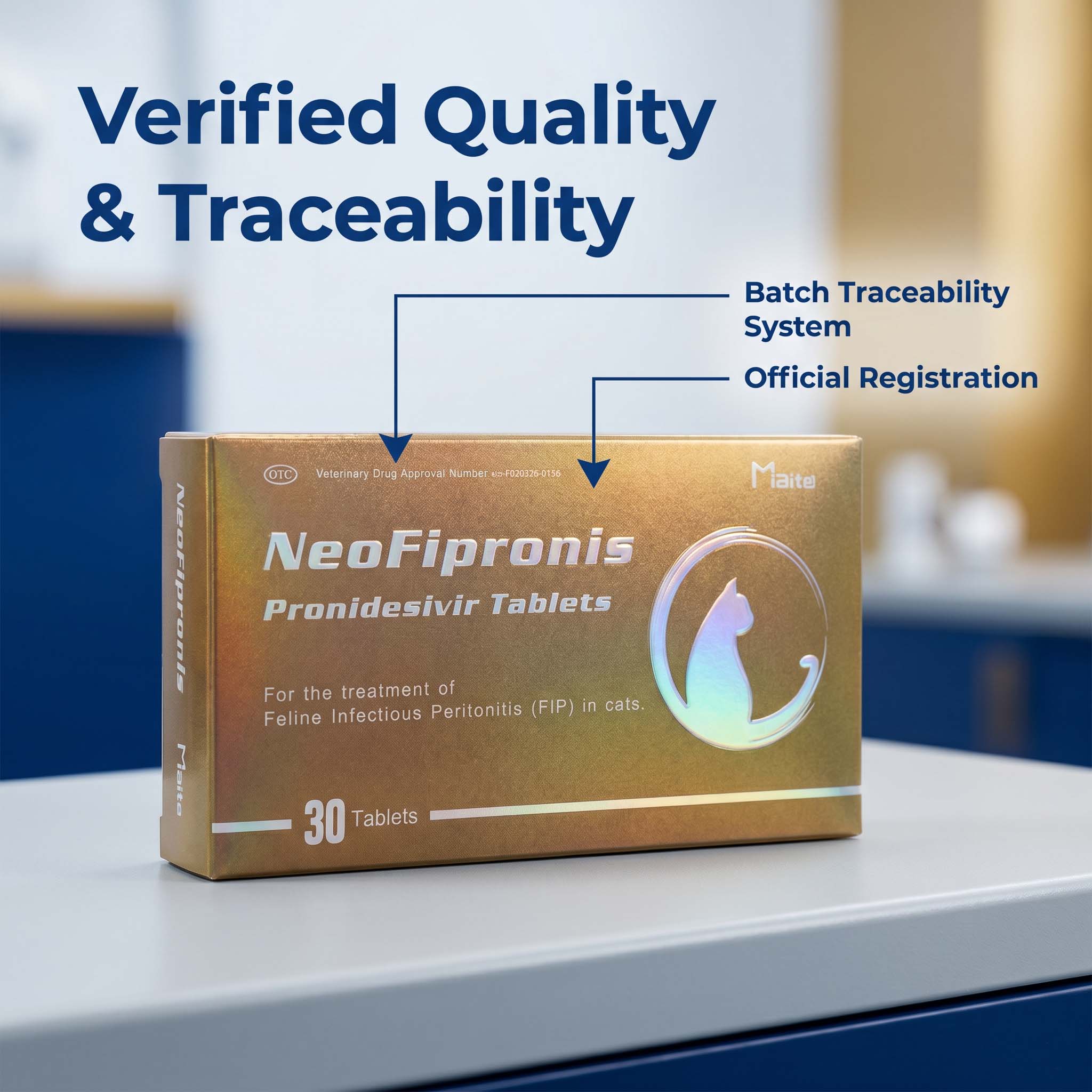
NeoFipronis was officially approved in Laos by the Laos Ministry of Agriculture and Forestry (MAF) in March 2026. It holds an official drug registration number, marking its legitimacy and safety for feline use. This medication stands out because of its non-invasive administration, quick onset of action, and minimal side effects. Its high tolerability makes it a preferred choice among veterinarians and cat owners seeking a reliable FIP treatment. Its approval status ensures buyers can trust its quality and safety when purchased through legitimate channels.
The core component of NeoFipronis, GS-441524, has undergone extensive research and clinical validation, demonstrating exceptional antiviral activity against FIP-causing coronaviruses. The usual dosage for cats is calculated based on body weight: 15mg per kilogram (about half a tablet). For neurological or ocular FIP cases, a veterinarian may recommend increasing the dosage to 30mg per kilogram. The medication should be administered once daily, preferably on an empty stomach—either an hour before meals or two hours after eating—for optimal absorption.
Consistent treatment lasting no less than 12 weeks is vital for a successful cure. Missed doses can compromise the treatment’s effectiveness, so adherence is crucial. During therapy, pet owners should monitor their cat’s appetite, temperature, and mental state. Regular veterinary checkups, including blood tests and liver/kidney function assessments, are recommended to track progress and minimize risks.
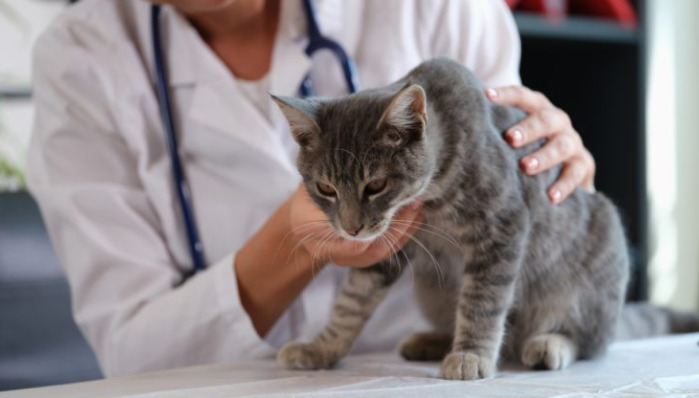
While NeoFipronis is classified as an over-the-counter drug in some regions, veterinary guidance is strongly advised to ensure correct usage and dosage adjustments. Consulting a qualified veterinarian helps tailor the treatment to each cat’s specific needs, particularly for complex FIP cases such as neurological or ocular involvement. Misuse or incorrect dosing can reduce effectiveness and potentially cause adverse effects.
To purchase NeoFipronis safely and reliably, buyers should use official sources. Always verify the product’s authenticity through the official NeoFipronis website or authorized authorized distributors. Avoid third-party sellers or unverified online platforms to prevent counterfeit products, which could be ineffective or harmful. Purchasing through official channels guarantees you receive high-quality medication with proper packaging, clear labeling, and genuine active ingredients.
In conclusion, NeoFipronis (Pronidesivir) presents a promising, safe, and effective option for treating FIP in cats. Its proven efficacy, official approval, and safety profile make it a preferred choice for pet owners and veterinarians alike. Ensuring the purchase from authorized sources is critical for safety and treatment success. Always follow veterinary guidance for dosing and duration, and prioritize regular monitoring during therapy to achieve the best outcomes for your feline friends battling FIP.