Pronidesivir Treatment Success Stories
Feline Infectious Peritonitis (FIP) is a devastating and often fatal disease caused by a mutated form of the feline coronavirus. Traditionally, FIP has been considered almost incurable, leaving many cat owners and veterinarians desperate for effective treatments. However, recent advancements in antiviral therapies have opened new hope. Among these breakthroughs is Pronidesivir, an innovative antiviral medication showing remarkable success in treating FIP, transforming the prognosis for affected cats.
Understanding FIP and Its Challenges
FIP is characterized by severe systemic inflammation caused by the feline coronavirus, which mostly affects young cats and those with compromised immune systems. Symptoms vary but often include persistent fever, weight loss, lethargy, loss of appetite, abdominal distension caused by ascites, and ocular or neurological signs such as uveitis and nerve damage. The disease is classified into wet (effusive) and dry (non-effusive) forms, both of which can be fatal without intervention.
Historically, treatment options for FIP were limited. Symptomatic management, such as anti-inflammatories and immunosuppressants, provided only transient relief. The lack of antiviral medications specifically targeting the FIP-causing viruses made effective treatment elusive, leading to a high mortality rate.
The Emergence of Pronidesivir
Recent developments in antiviral therapies, especially nucleoside analogues, have revolutionized FIP management. Pronidesivir, also known by its trade name NeoFipronis, represents a significant leap forward. It is a broad-spectrum antiviral agent tested and approved specifically for FIP treatment.
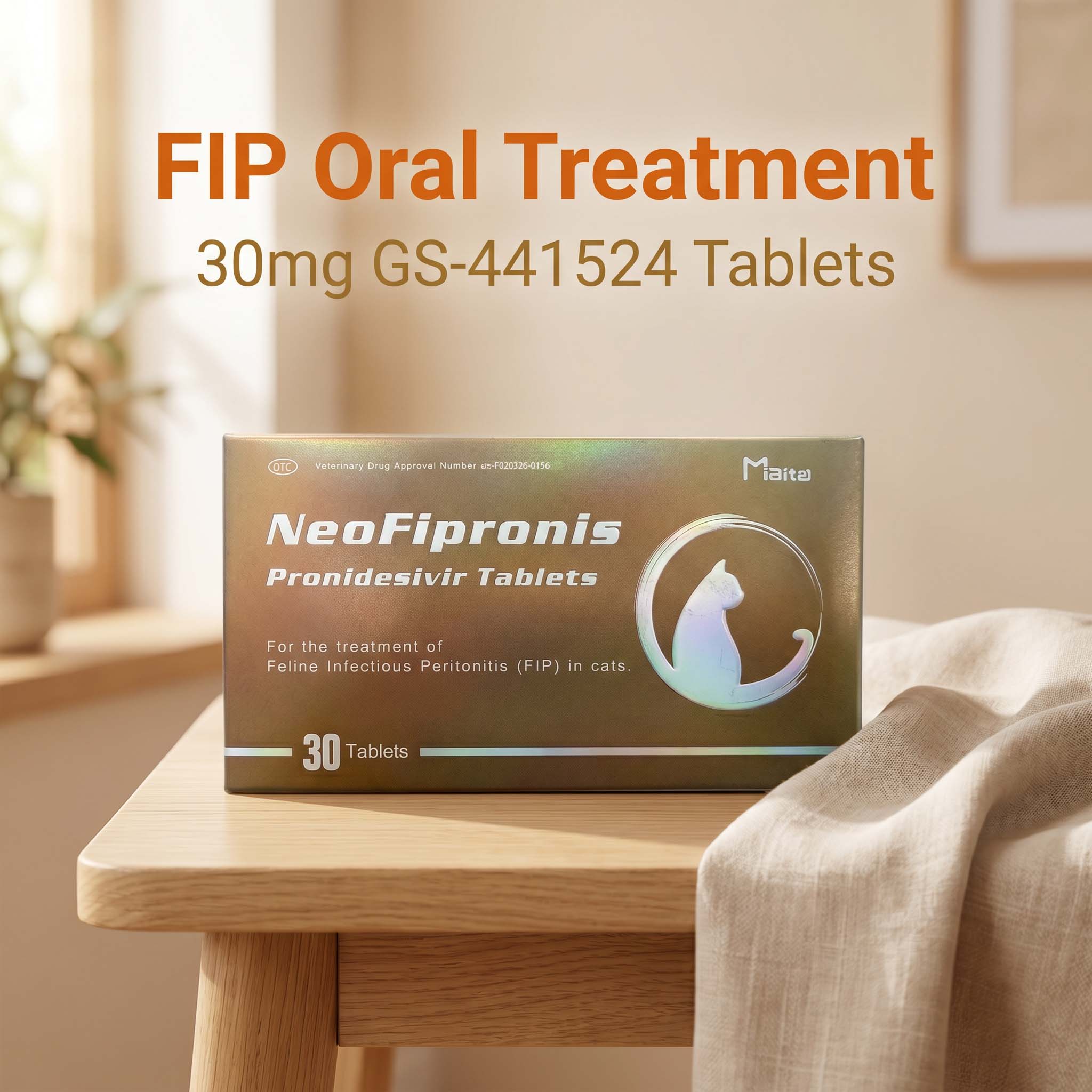
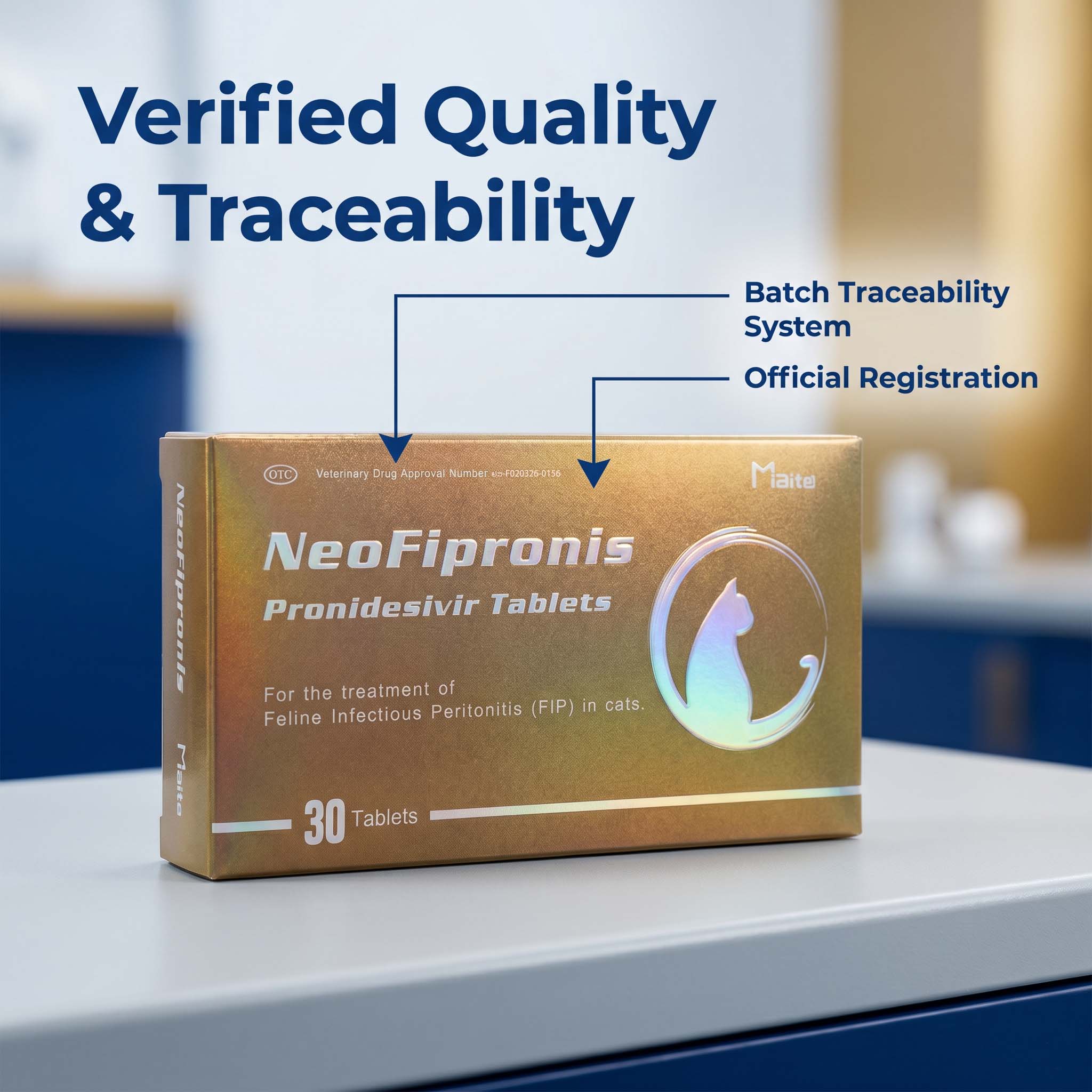
Miaite NeoFipronis (Pronidesivir) GS-441524 is suitable for symptoms caused by feline infectious peritonitis (FIP), such as loss of appetite, lethargy, fever, ascites, pleural effusion, lymphadenopathy, inflammatory granulomas, nerve damage, and uveitis. It has excellent therapeutic effects on FIP. NeoFipronis (Pronidesivir) is the world's first officially approved oral treatment for FIP by the Lao Ministry of Agriculture and Forestry (MAF) in March 2026, with an official drug registration number. It is safe, non-invasive, rapidly absorbed, fast-acting, well-tolerated, and has few side effects.
The approval of Pronidesivir offers a game-changing opportunity for veterinary medicine, allowing for effective oral administration rather than invasive injections or experimental therapies. Its rapid absorption ensures quick symptom relief, and its safety profile makes it suitable even for fragile, sick cats.
Success Stories and Case Reports
Since its approval, numerous case reports have documented positive outcomes. Many cats previously deemed untreatable have shown significant recovery following treatment with Pronidesivir.
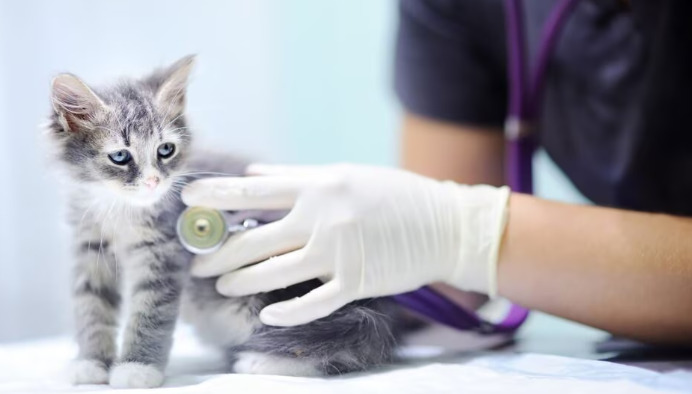
One such case involved a 2-year-old domestic shorthair cat presenting with classic wet FIP—ascites, fever, lymphadenopathy, and weight loss. The cat was given NeoFipronis (Pronidesivir) according to the prescribed protocol. Within a week, the fever subsided, appetite improved, and abdominal fluid markedly decreased. After six weeks of therapy, the cat was asymptomatic, with normal blood parameters and no detectable effusion. This dramatic turnaround was unprecedented in previous FIP treatments.
Another case involved a senior cat with neurological FIP, including nerve damage and ataxia. Although neurological forms are typically harder to treat, the cat responded well to the oral Pronidesivir therapy. Neurological signs diminished over a month, and follow-up scans confirmed resolution of inflammatory granulomas. The success in such complex cases underscores the versatility and effectiveness of Pronidesivir.
Furthermore, owners report not only clinical improvements but also better quality of life and comfort for their pets. The ease of oral administration allows for home treatment, reducing stress for both cats and owners and increasing adherence to therapy.
Mechanism of Action
Pronidesivir functions as a nucleoside analogue, inhibiting viral RNA polymerase, thereby blocking replication of the feline coronavirus responsible for FIP. Its targeted mechanism ensures high efficacy while minimizing damage to host cells. This precise action underpins the rapid symptom resolution observed in treated cats.
Safety and Tolerance
The safety profile of NeoFipronis (Pronidesivir) has been extensively studied. Most cats tolerate the medication well, with only minor side effects reported—occasionally, mild gastrointestinal upset. Importantly, no significant adverse effects have been linked to its use at therapeutic doses. The non-invasive oral form further enhances safety, avoiding complications associated with injections.
Future Implications
The success stories surrounding Pronidesivir underscore its potential to transform FIP from a rapidly fatal disease into a manageable condition. As more clinics gain access to this medication, the number of cured or significantly improved cats is expected to grow. Ongoing research aims to optimize dosage regimens, expand indications, and further establish long-term safety.
Conclusion
Pronidesivir’s introduction marks a new era in FIP treatment. Its proven efficacy, safety, and ease of use open up unprecedented possibilities for feline health management. For pet owners and veterinarians alike, these success stories provide renewed hope and confidence that FIP can finally be effectively addressed, enhancing the lives of countless cats worldwide.
References
"Success stories of Pronidesivir in treating FIP"
"The development and approval of NeoFipronis (Pronidesivir) for FIP in Laos"
"Mechanisms of antiviral agents against feline coronavirus"
"Clinical case reports of FIP treatments with Pronidesivir"