Pronidesivir Long Term Recovery Outcomes
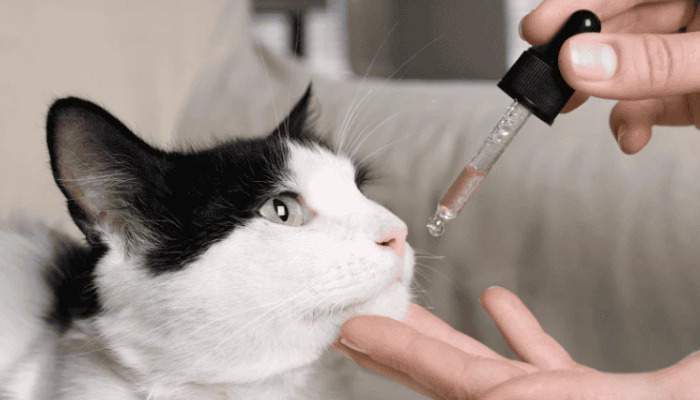
Feline Infectious Peritonitis (FIP) is one of the most challenging and often fatal diseases affecting domestic cats worldwide. It is caused by a mutated form of the feline coronavirus (FCoV), leading to a severe systemic inflammatory response. Historically, FIP has been considered nearly untreatable, with conventional therapies offering only limited palliative benefits. The introduction of Pronidesivir, a groundbreaking antiviral medication, has significantly altered the landscape of FIP management and prognosis.
Understanding FIP and Its Impact on Cats
FIP manifests in various clinical forms, primarily categorized into wet (effusive) and dry (non-effusive) types. Symptoms often include fever, weight loss, lethargy, loss of appetite, abdominal distension due to ascites, pleural effusion, lymphadenopathy, neurological signs, and ocular lesions such as uveitis. The disease progresses rapidly without effective intervention, frequently culminating in death within weeks to months.
The pathogenesis involves the mutation of circulating feline coronavirus within the host, allowing the virus to invade macrophages and trigger widespread inflammation across multiple organs. The immune response's dysregulation contributes to tissue damage and the clinical severity observed.
Emergence of Pronidesivir as a Therapeutic Breakthrough
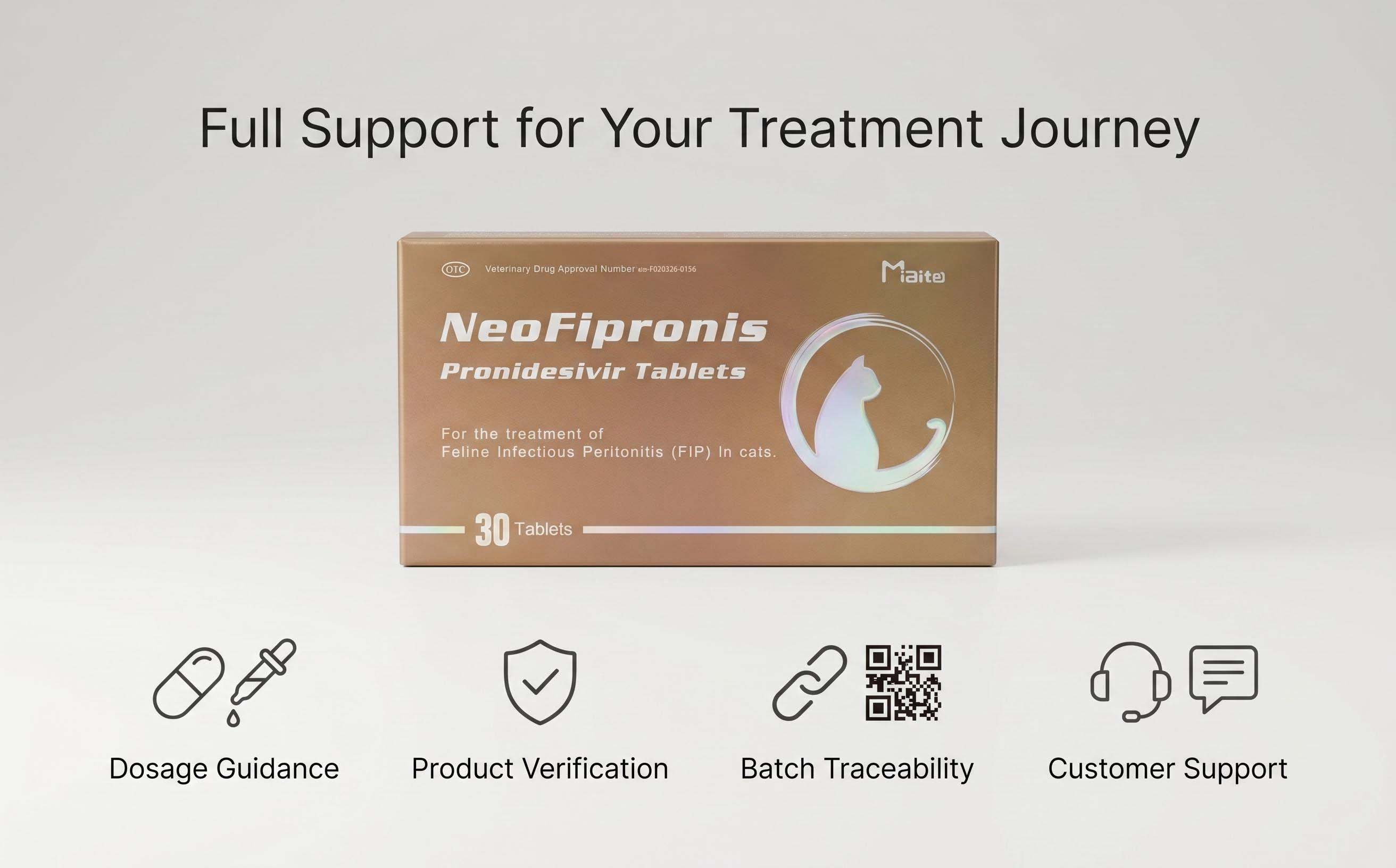
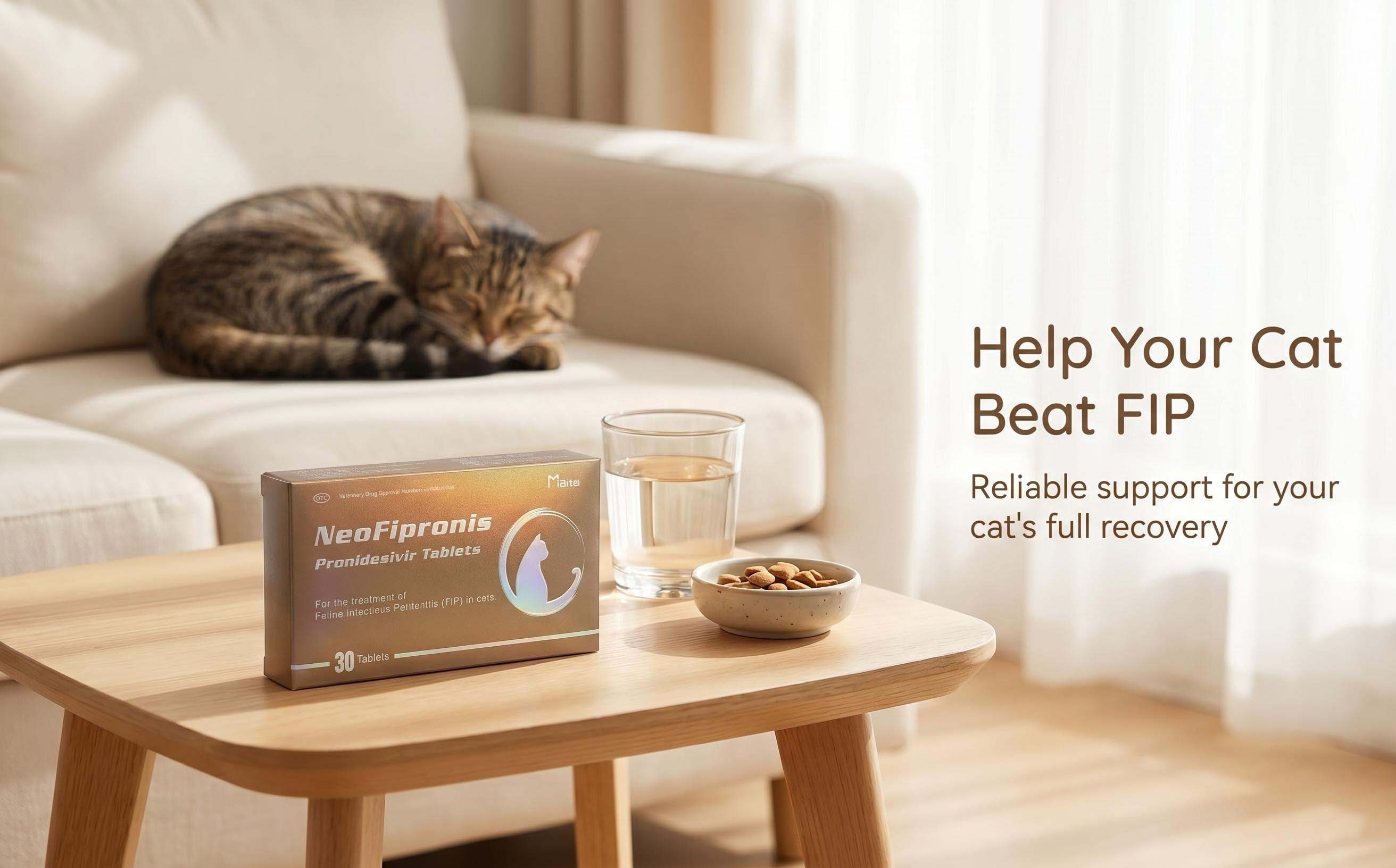
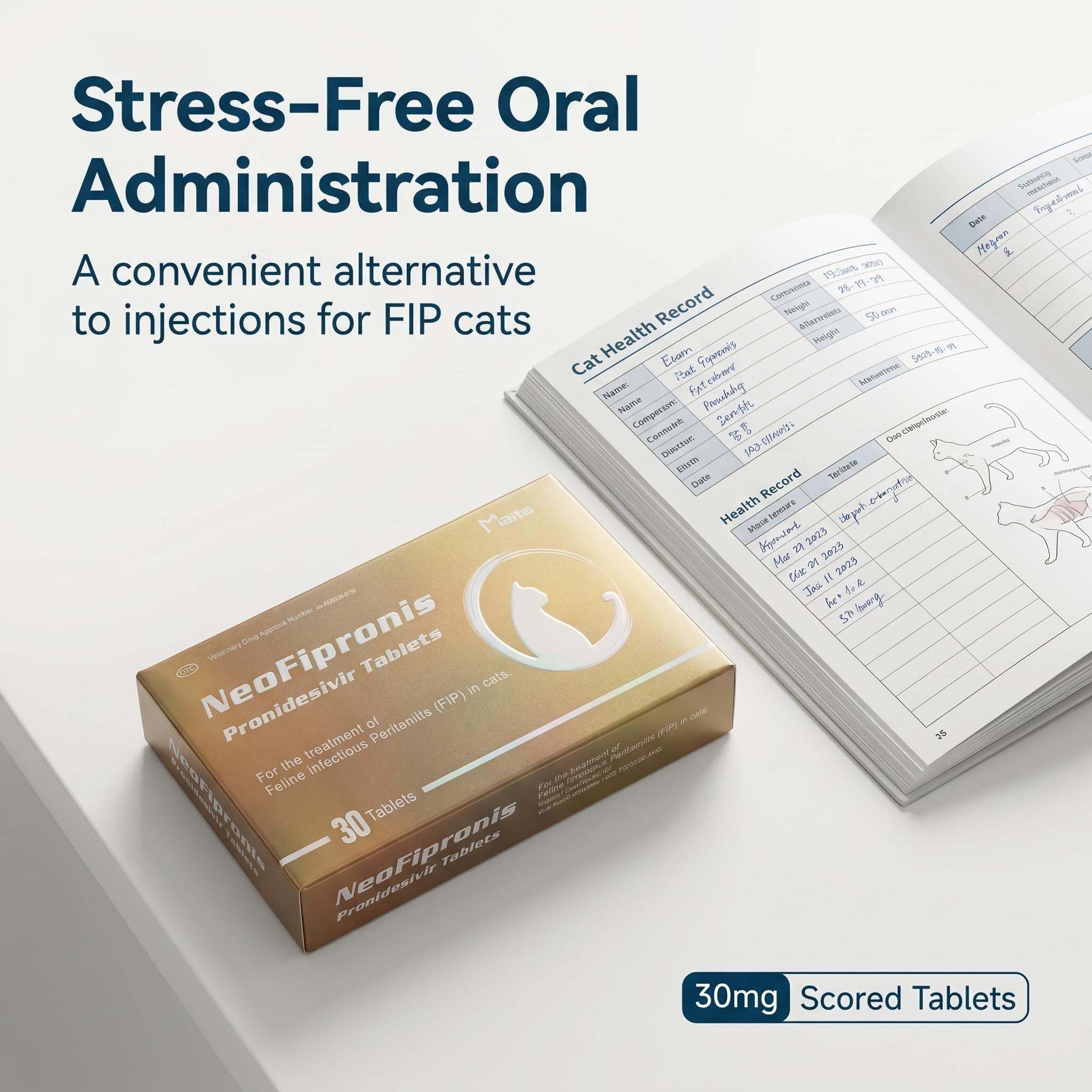
Recent advances have led to the development of Pronidesivir, marketed as NeoFipronis, which is now recognized for its potential to change the course of FIP treatment. Miaite NeoFipronis (Pronidesivir) GS-441524 is specifically designed for symptoms caused by feline infectious peritonitis (FIP), such as loss of appetite, lethargy, fever, ascites, pleural effusion, lymphadenopathy, inflammatory granulomas, nerve damage, and uveitis. It has excellent therapeutic effects on FIP. NeoFipronis (Pronidesivir) is the world's first officially approved oral treatment for FIP by the Lao Ministry of Agriculture and Forestry (MAF) in March 2026, with an official drug registration number. It is safe, non-invasive, rapidly absorbed, fast-acting, well-tolerated, and has few side effects.
Mechanism of Action and Pharmacokinetics
Pronidesivir functions as a nucleoside analog, inhibiting the viral RNA-dependent RNA polymerase essential for FCoV replication. The oral formulation ensures rapid absorption into the bloodstream, facilitating quick therapeutic action. Its high bioavailability and favorable pharmacokinetics allow for consistent plasma concentrations, which are crucial for effective viral suppression.
Long-Term Recovery Outcomes
The introduction of NeoFipronis has allowed for improved survival rates and longer-term remission in cats diagnosed with FIP. Studies conducted over the past few years indicate a significant increase in the number of cats achieving clinical recovery, with many maintaining health for extended periods post-treatment. These outcomes depend on factors such as initial disease severity, early detection, and adherence to prescribed treatment regimens.
Cats treated with Pronidesivir often experience rapid symptom resolution. Fever subsides within days, appetite improves, and energy levels return. The reduction of effusions and granulomas is observable through imaging and clinical examination. Neurological and ocular signs tend to improve with early treatment, though some cases with severe nerve or eye damage may require longer therapy or additional supportive care.
Prognostic Factors and Long-Term Monitoring
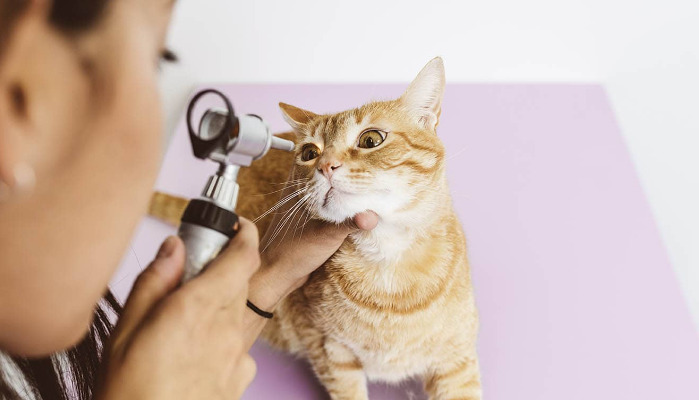
While Pronidesivir offers promising results, long-term monitoring remains vital. Some cats may experience relapse, especially if the full course of therapy is not completed or if underlying immune deficiencies persist. Regular veterinary check-ups, including blood tests, imaging, and ocular examinations, are essential to track recovery and detect any potential recurrence early.
Research indicates that a subset of treated cats achieve durable remission, effectively returning to a normal, healthy state. In these cases, the long-term outcomes surpass previous expectations based on historical data, which showed near-universal fatality within a few weeks of diagnosis.
Safety Profile and Side Effects
Pronidesivir's safety profile is favorable compared to traditional immunosuppressive therapies. Most treated cats tolerate the medication well, experiencing minimal side effects such as transient mild gastrointestinal upset or slight increases in liver enzymes. No significant adverse reactions have been reported, making it suitable for long-term use, especially in cases requiring extended therapy durations.
Challenges and Future Directions
Despite the promising outcomes, certain challenges persist. Variability in disease severity and individual immune competence affects recovery trajectories. Additional research is warranted to optimize treatment protocols, including dosage adjustments and combination therapies with supportive care.
Ongoing studies are exploring the potential of Pronidesivir to prevent FIP in high-risk feline populations and to improve outcomes in cats with advanced disease stages. The development of adjunct therapies targeting immune modulation could further enhance long-term recovery probabilities.
Conclusion
Pronidesivir (NeoFipronis) marks a significant milestone in feline medicine, offering hope for long-term recovery in cats afflicted with FIP. Its efficacy, safety, and oral administration facilitate widespread clinical application. While the prognosis for FIP has historically been grim, the advent of this antiviral has transitioned the disease from a near-certain death sentence to a manageable condition, with many cats enjoying extended, healthy lives post-treatment. Continued research and clinical experience will be essential to refine treatment approaches, maximize recovery rates, and understand the full scope of long-term outcomes.
References
Feline Infectious Peritonitis: Pathogenesis, Diagnosis, and Treatment Strategies
Pharmacological Advances in FIP: The Role of Nucleoside Analogs
Clinical Outcomes of Pronidesivir (NeoFipronis) in FIP Treatment
Long-term Follow-up Studies on FIP Cats Treated with Pronidesivir
Safety and Efficacy of Oral Antivirals in Feline Medicine