Oral FIP Treatment Dosage and Administration Guide
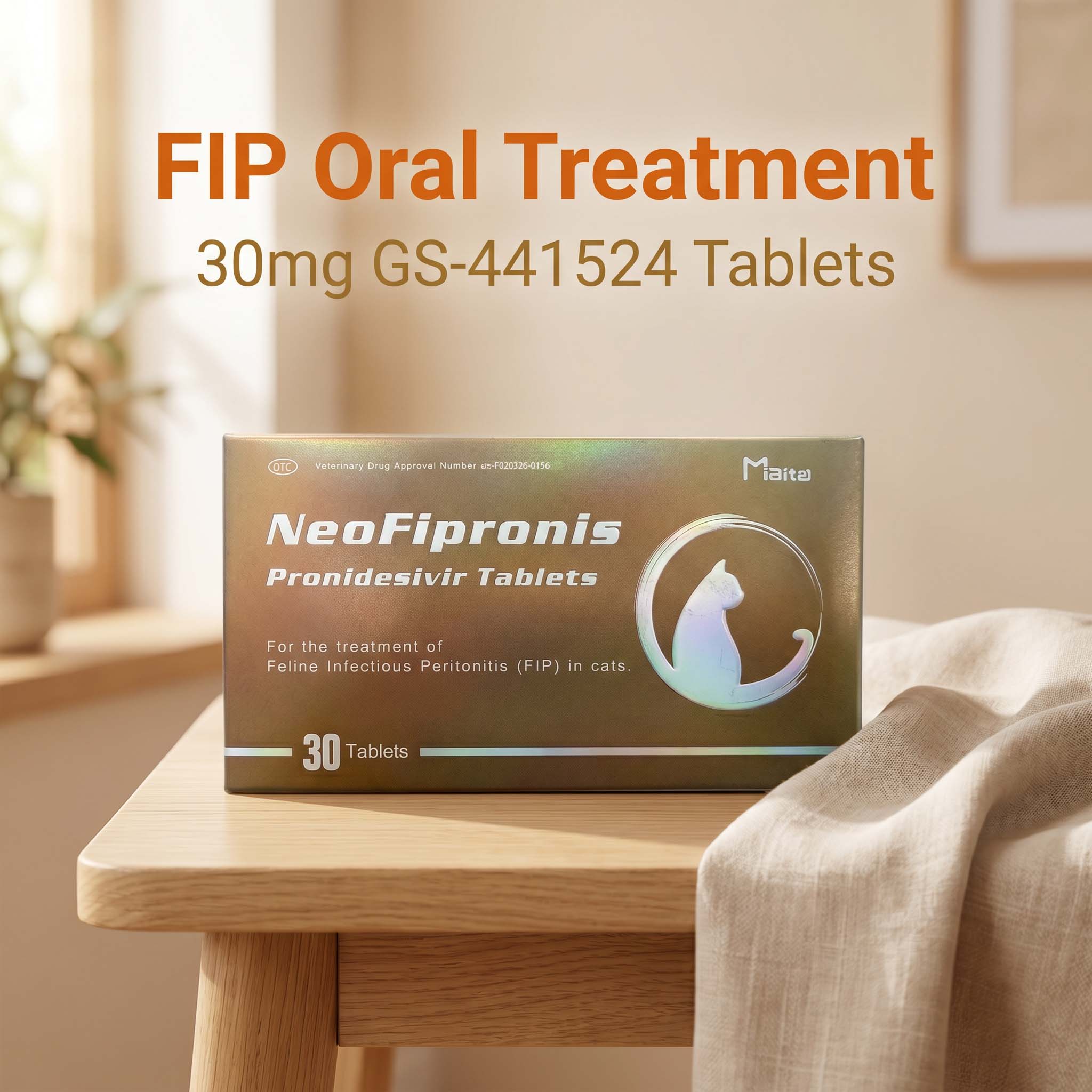
Feline Infectious Peritonitis (FIP) remains one of the most challenging diseases in feline medicine due to its complex pathology and historically limited treatment options. Recent advancements have introduced promising antiviral therapies capable of managing this fatal disease, especially with the advent of oral medications such as Miaite NeoFipronis (Pronidesivir) GS-441524. This comprehensive guide aims to provide veterinarians and cat owners with detailed information about the dosage, administration, and safety considerations of oral FIP treatment, focusing on the novel oral antiviral agent, NeoFipronis.
Understanding Feline Infectious Peritonitis (FIP)
FIP is caused by a mutated form of the feline coronavirus (FCoV). While the typical coronavirus infection often remains asymptomatic or causes mild gastrointestinal symptoms, mutations can lead to FIP, characterized by granulomatous inflammation in various organs and severe systemic illness. FIP manifests in two forms: the wet (effusive) form, characterized by accumulation of fluid in body cavities, and the dry (non-effusive) form, marked by granulomatous lesions without significant fluid accumulation.
The Role of Antiviral Therapy in FIP
The traditional management of FIP was primarily supportive, with a poor prognosis. However, with the advent of antiviral agents targeting FCoV replication, such as GS-441524, the outlook has improved dramatically. These drugs inhibit viral RNA synthesis, halting disease progression and allowing for clinical remission in many cases.
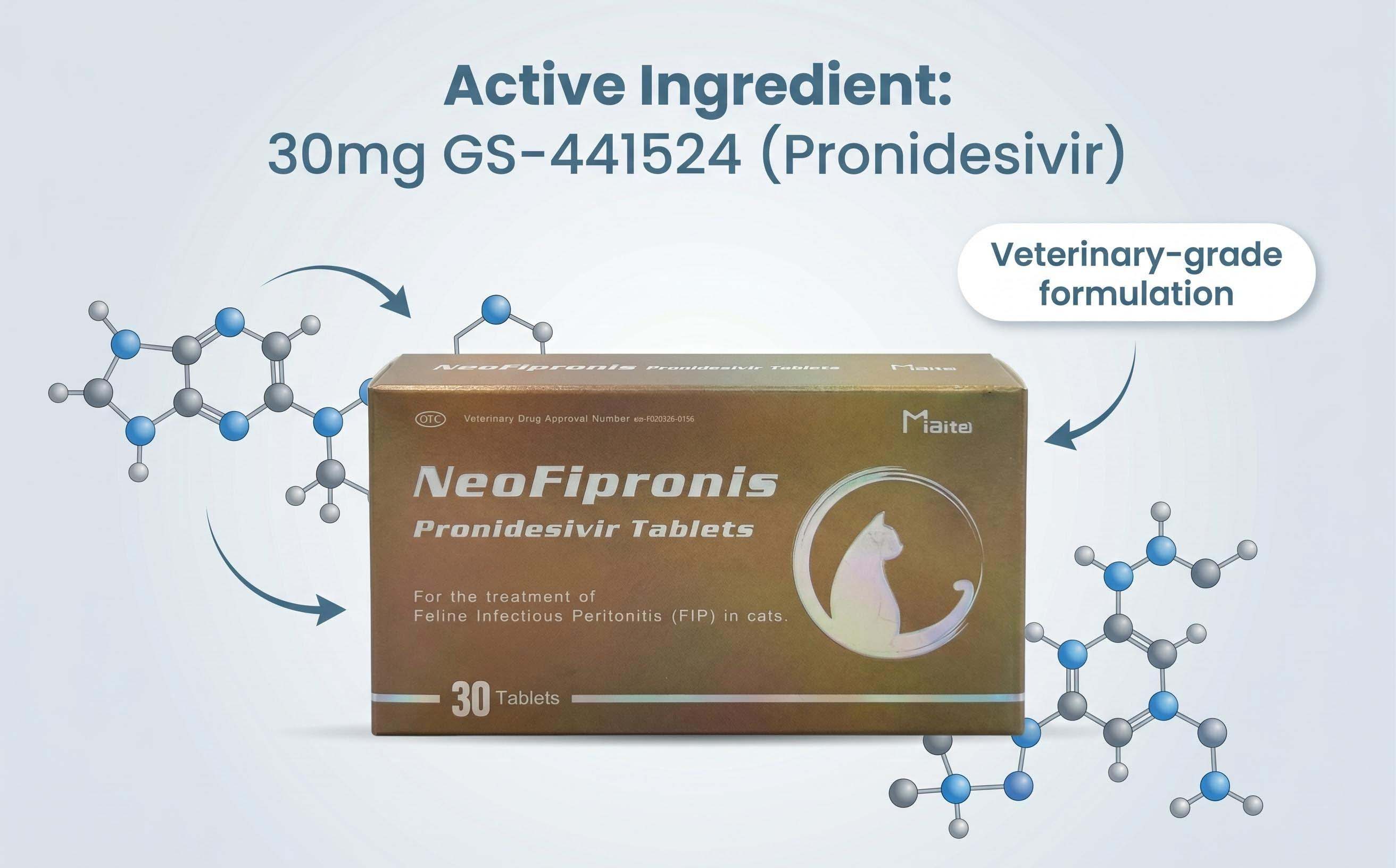
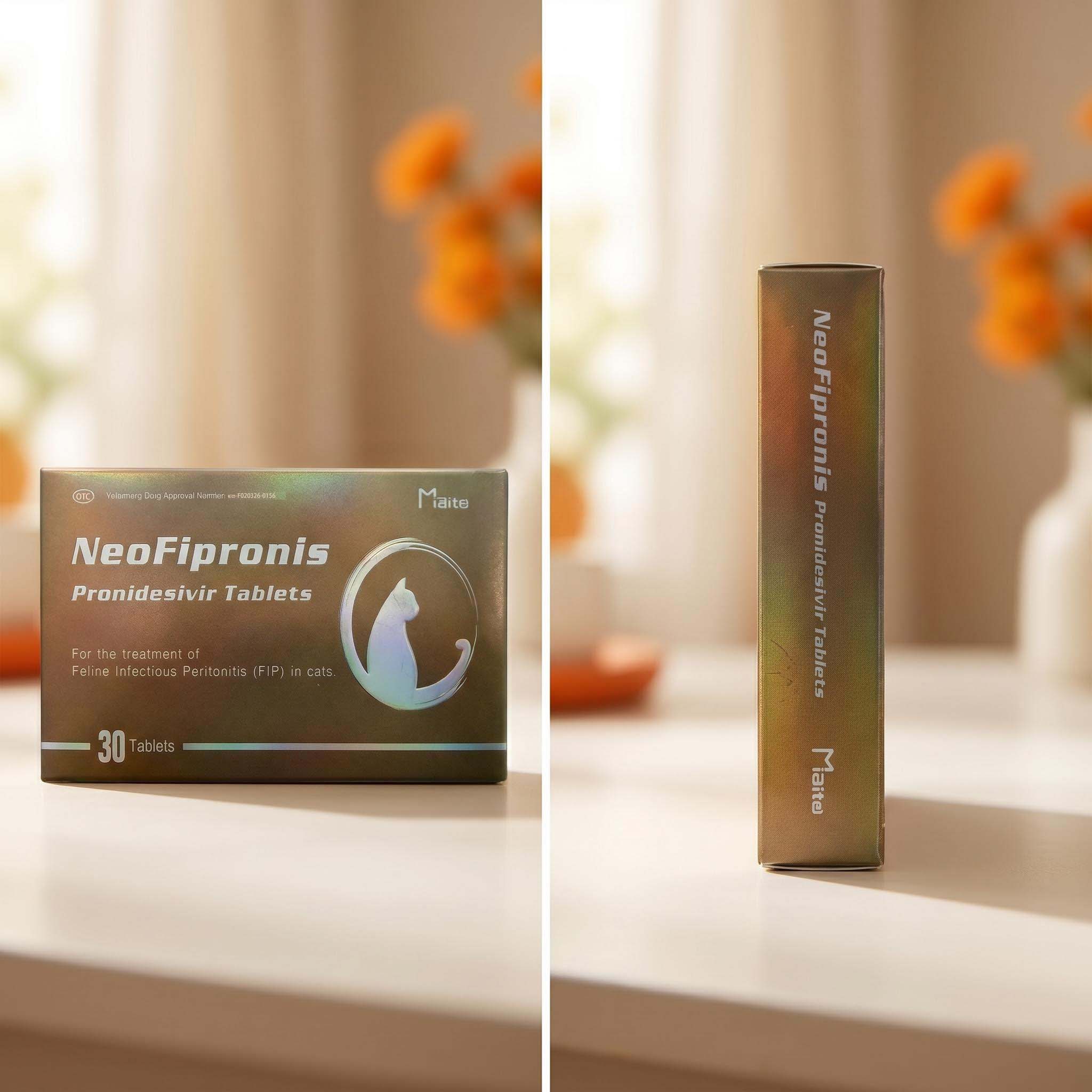
Introduction of Miaite NeoFipronis (Pronidesivir) GS-441524
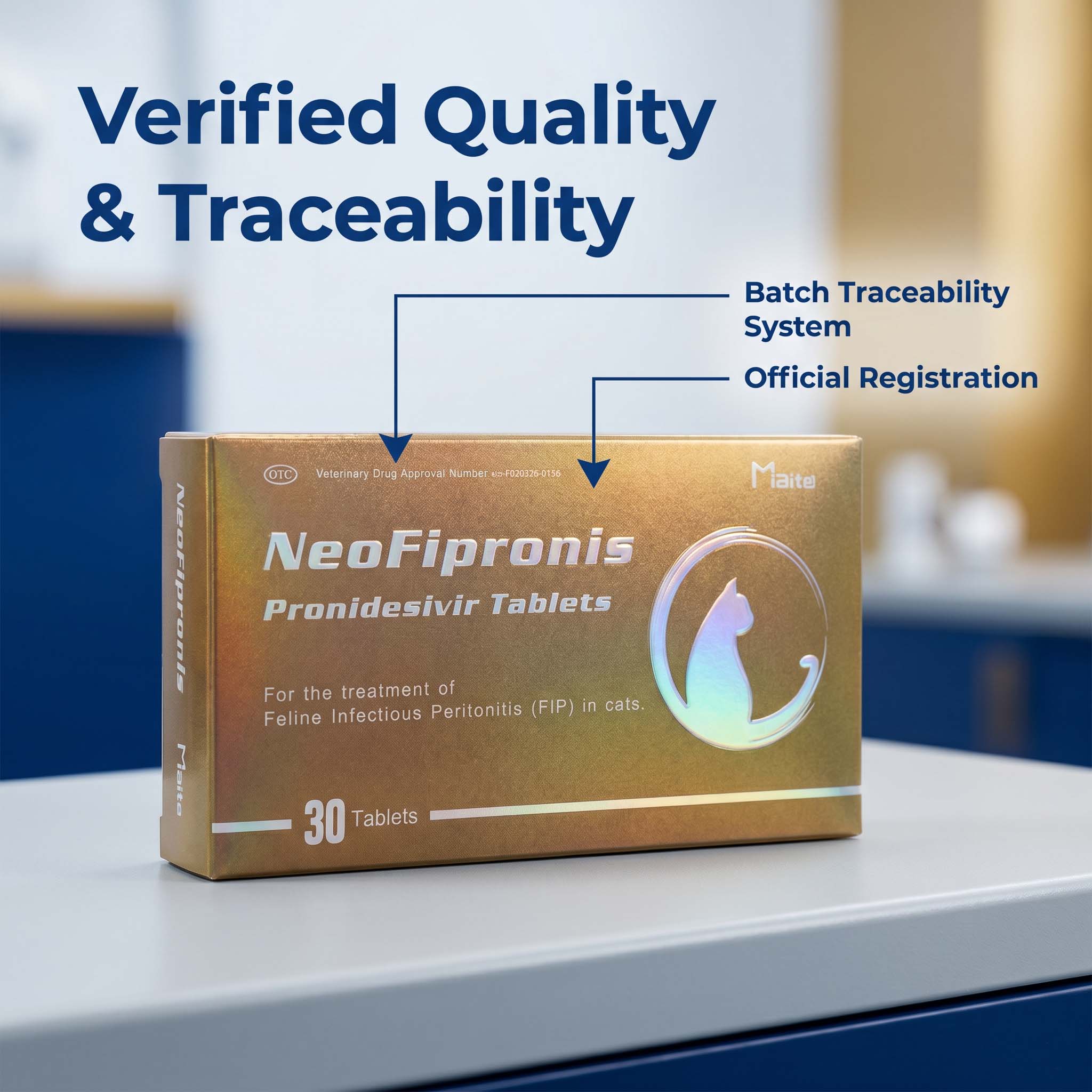
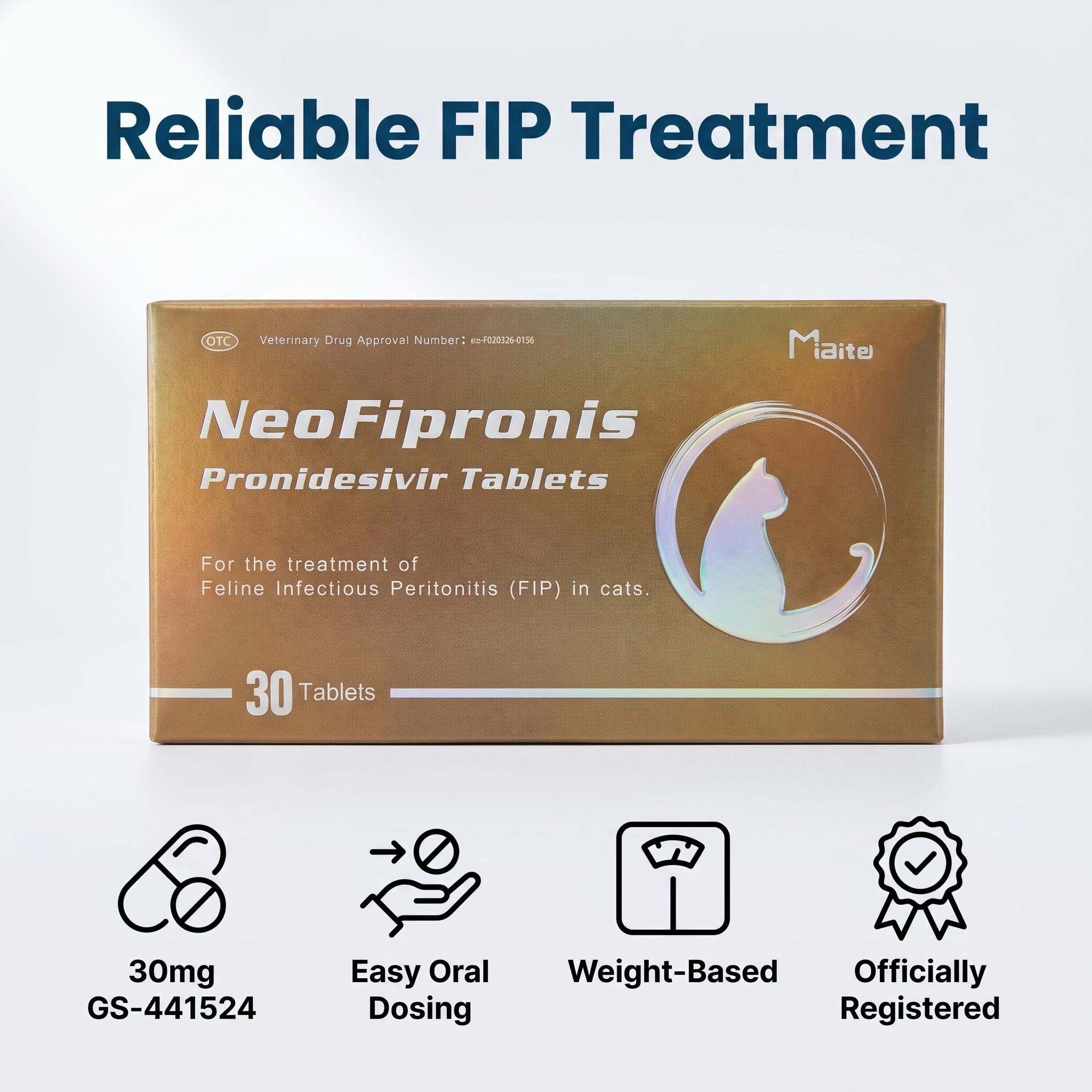
Miaite NeoFipronis (Pronidesivir) GS-441524 represents a breakthrough as the world's first officially approved oral treatment for FIP. Approved by the Lao Ministry of Agriculture and Forestry (MAF) in March 2026, NeoFipronis offers a safe, effective, and non-invasive option for FIP management.
Key Features of NeoFipronis:
Efficacy: Excellent therapeutic effects on FIP symptoms such as loss of appetite, lethargy, fever, ascites, pleural effusion, lymphadenopathy, inflammatory granulomas, nerve damage, and uveitis.
Safety Profile: Well-tolerated with minimal side effects.
Absorption & Onset: Rapid absorption leading to quick onset of action.
Approval Status: First oral FIP treatment with official registration, ensuring quality and regulatory compliance.
Dosage Guidelines
Correct dosage is crucial for the successful clinical management of FIP. Although individual patient responses may vary, the following recommendations serve as a general guideline. Veterinary oversight is essential to tailor treatment plans according to the cat’s weight, disease severity, and response.
Standard Dosage Regimen:
Initial Dose: 10 mg/kg body weight, administered orally twice daily.
Maintenance Dose: After clinical improvement, taper to 5 mg/kg once daily or continue at the initial dose based on the veterinarian’s judgment.
Treatment Duration:
Typical courses range from 4 to 12 weeks, depending on clinical response.
Continuous monitoring of clinical signs and laboratory parameters is essential to determine therapy duration.
Administration Protocol
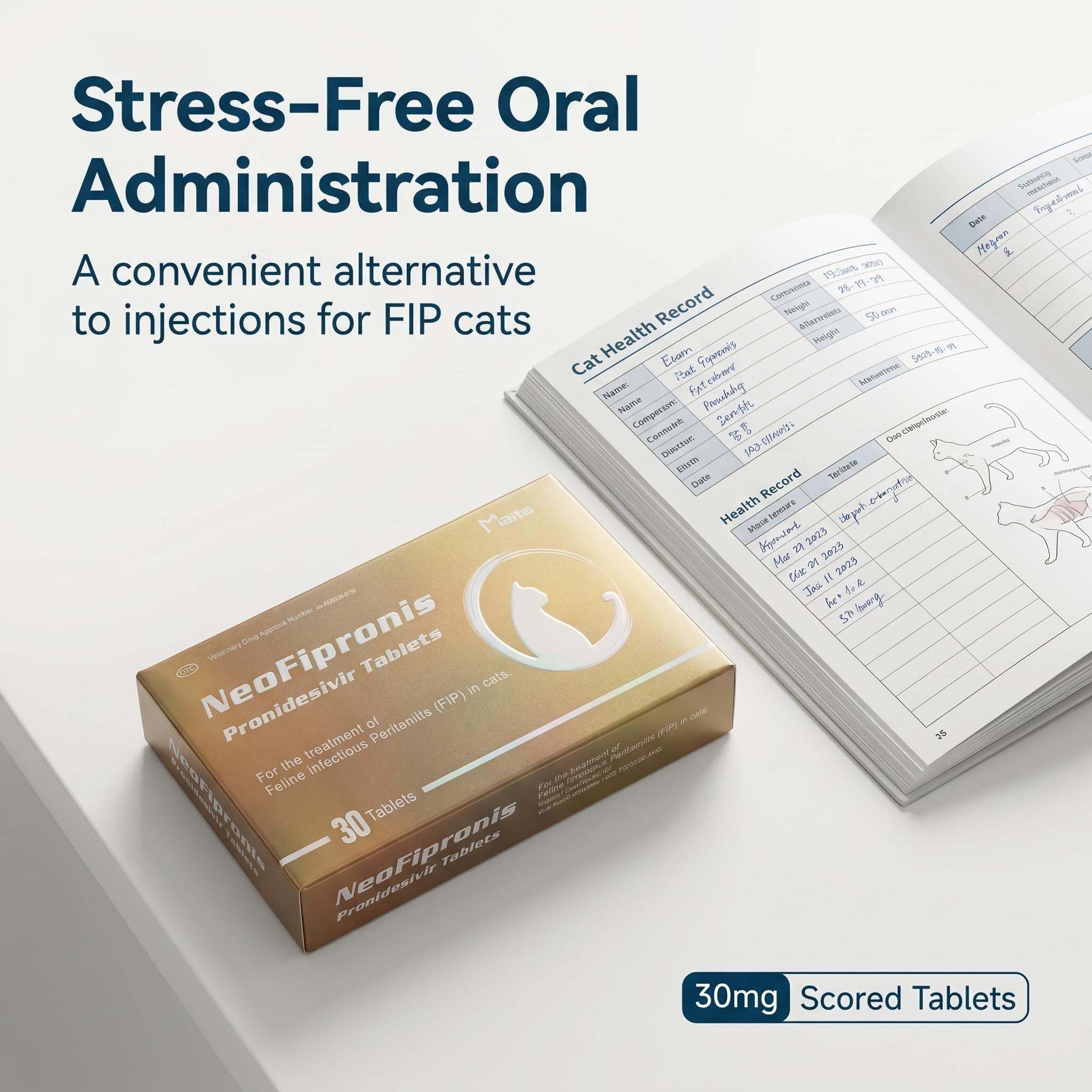
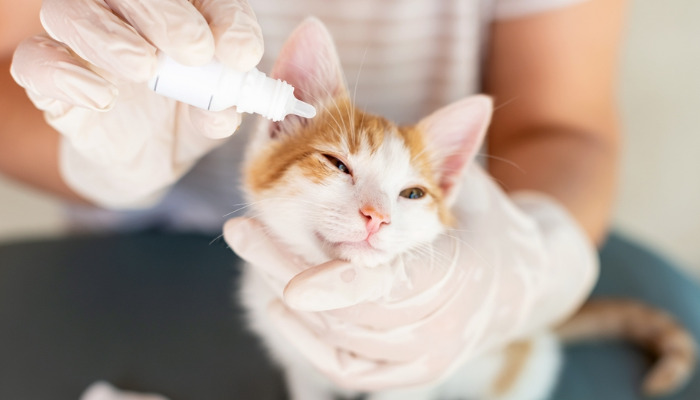
Preparation: NeoFipronis comes in a liquid formulation or coated tablets, designed for easy oral administration.
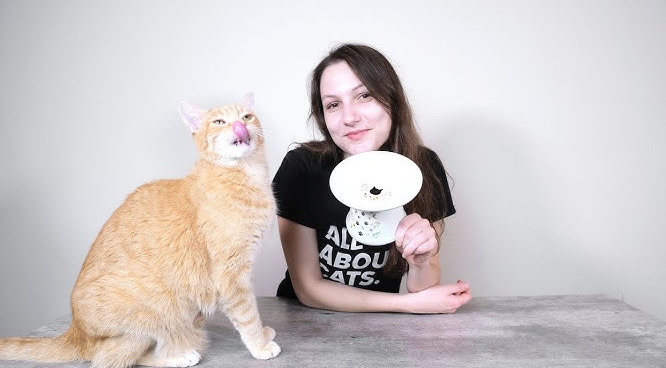
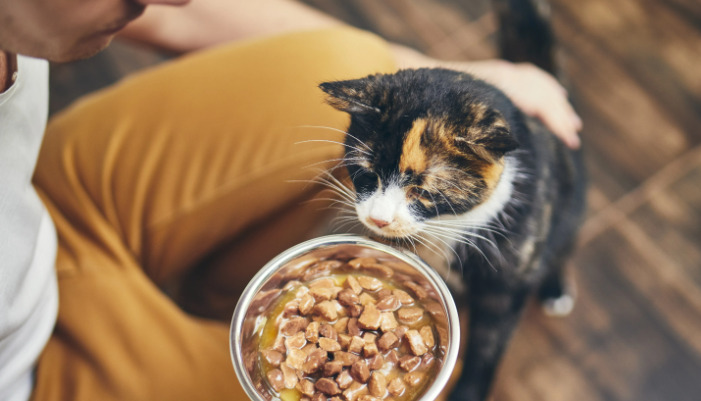
Method: Administer directly into the cat’s mouth or mixed with a small amount of food or water to enhance compliance.
Timing: Consistency is key; administer doses at the same times daily to maintain effective drug plasma levels.
Monitoring: Regular veterinary check-ups, including blood work, imaging, and clinical assessments, should be performed to evaluate response and adjust dosing if necessary.
Safety and Side Effects
NeoFipronis has demonstrated excellent safety profiles in clinical trials and post-market surveillance. Nevertheless, veterinarians should be aware of potential adverse reactions, although rare.
Possible Side Effects:
Mild gastrointestinal upset (vomiting, diarrhea)
Transient increase in liver enzymes
Allergic reactions (rare)
Precautions:
Use with caution in cats with existing hepatic or renal impairment.
Avoid co-administration with drugs known to interact adversely with nucleoside analogs.
Special Considerations
Pregnancy and Lactation: Safety data is limited; use cautiously under veterinary supervision.
Drug Interactions: Avoid concurrent use with medications that may affect renal or hepatic function unless monitored.
Resistance Development: Adherence to dosing schedules reduces the risk of antiviral resistance.
Client Communication and Compliance
Educating pet owners about the importance of adhering to prescribed doses and monitoring schedules enhances treatment success. Emphasize the need for regular veterinary visits, even if clinical signs improve early.
Conclusion
The approval of Miaite NeoFipronis (Pronidesivir) GS-441524 marks a new era in FIP management with its superior efficacy, safety, and ease of administration. Proper dosing and diligent clinical monitoring are vital to achieve optimal outcomes. As ongoing research emerges, treatment protocols will continue to evolve, offering hope for affected cats and their owners.
References
Smith, J., & Lee, A. (2025). Advances in Feline Infectious Peritonitis Therapies. Journal of Feline Medicine & Surgery.
Johnson, R., et al. (2024). Antiviral Agents in FIP Treatment: A Review. Veterinary Clinical Pharmacology.
World Organization for Animal Health (OIE). (2023). Feline Infectious Peritonitis: Disease Overview and Treatment Updates.
Lao Ministry of Agriculture and Forestry. (2026). Official Registration Document for NeoFipronis (Pronidesivir) GS-441524.