NeoFipronis (GS-441524) Dosing Recommendations for Cats

NeoFipronis, containing the active ingredient GS-441524, is a groundbreaking oral medication designed specifically for feline infectious peritonitis (FIP). Approved by the Lao Ministry of Agriculture and Forestry (MAF) in March 2026, NeoFipronis is the world's first officially registered and licensed FIP-specific treatment. Its rapid absorption, high safety profile, and proven efficacy make it a preferred choice for managing this devastating disease in cats.
FIP manifests through symptoms such as inappetence, lethargy, fever, ascites, pleural effusion, lymphadenopathy, granulomas, neurological damage, and uveitis. NeoFipronis offers remarkable therapeutic results, significantly improving clinical outcomes when administered appropriately. Its ease of oral administration and minimal side effects allow for effective outpatient treatment with minimal stress to the animal.
Dosage guidelines are based on the cat’s body weight. The standard dose is 15 mg per kilogram of body weight per day, approximately half of a NeoFipronis tablet for each kilogram. For cats exhibiting neurological or ocular involvement, the dosage should be increased to 30 mg/kg per day, as directed by a veterinarian. Administer the medication once daily, preferably on an empty stomach—either 1 hour before meals or 2 hours after meals—to optimize absorption.
Treatment duration should be no less than 12 weeks. Consistency is critical; daily medication without missed doses significantly influences treatment success. Cats require close monitoring throughout the course, including regular assessments of appetite, body temperature, mental status, and weight. Periodic blood tests are recommended to evaluate liver and kidney functions, as well as to monitor for any adverse effects.
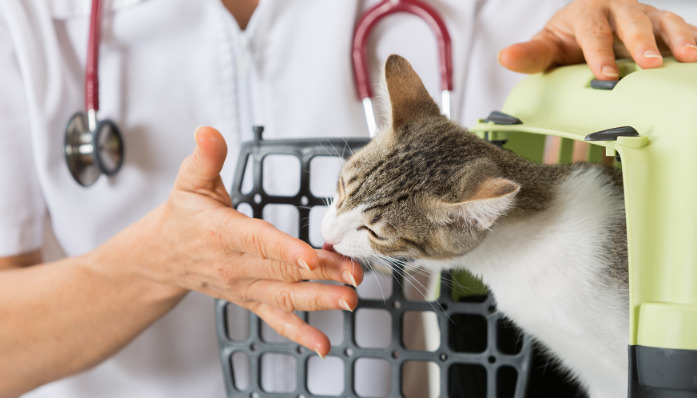
NeoFipronis, although available OTC, is best used under veterinary supervision. Veterinarians can tailor the treatment plan, especially for cases with neurological or ocular FIP, ensuring safe dose escalation and comprehensive care. Owners should strictly follow prescribed dosages and schedules to prevent relapse or resistance development.
Safety remains paramount; NeoFipronis has a high tolerability profile with minimal side effects reported. Common observations are usually limited to mild gastrointestinal symptoms or transient changes in behavior, which typically resolve without intervention. However, any adverse reactions or signs of toxicity should be promptly reported to a veterinarian.
This medication should be purchased solely from authorized sources listed on the official NeoFipronis website to guarantee product quality and authenticity. It is critical to adhere strictly to FDA or equivalent regulatory guidelines, avoiding unverified online vendors.
NeoFipronis (Pronidesivir) represents a significant advance in the fight against FIP. Its targeted antiviral activity, combined with ease of use and safety, offers hope for many cats suffering from this once-fatal disease. Proper dosing, vigilant monitoring, and veterinary guidance can maximize the likelihood of remission and improve the quality of life for feline patients battling FIP.