NeoFipronis Mechanism of Action Explained
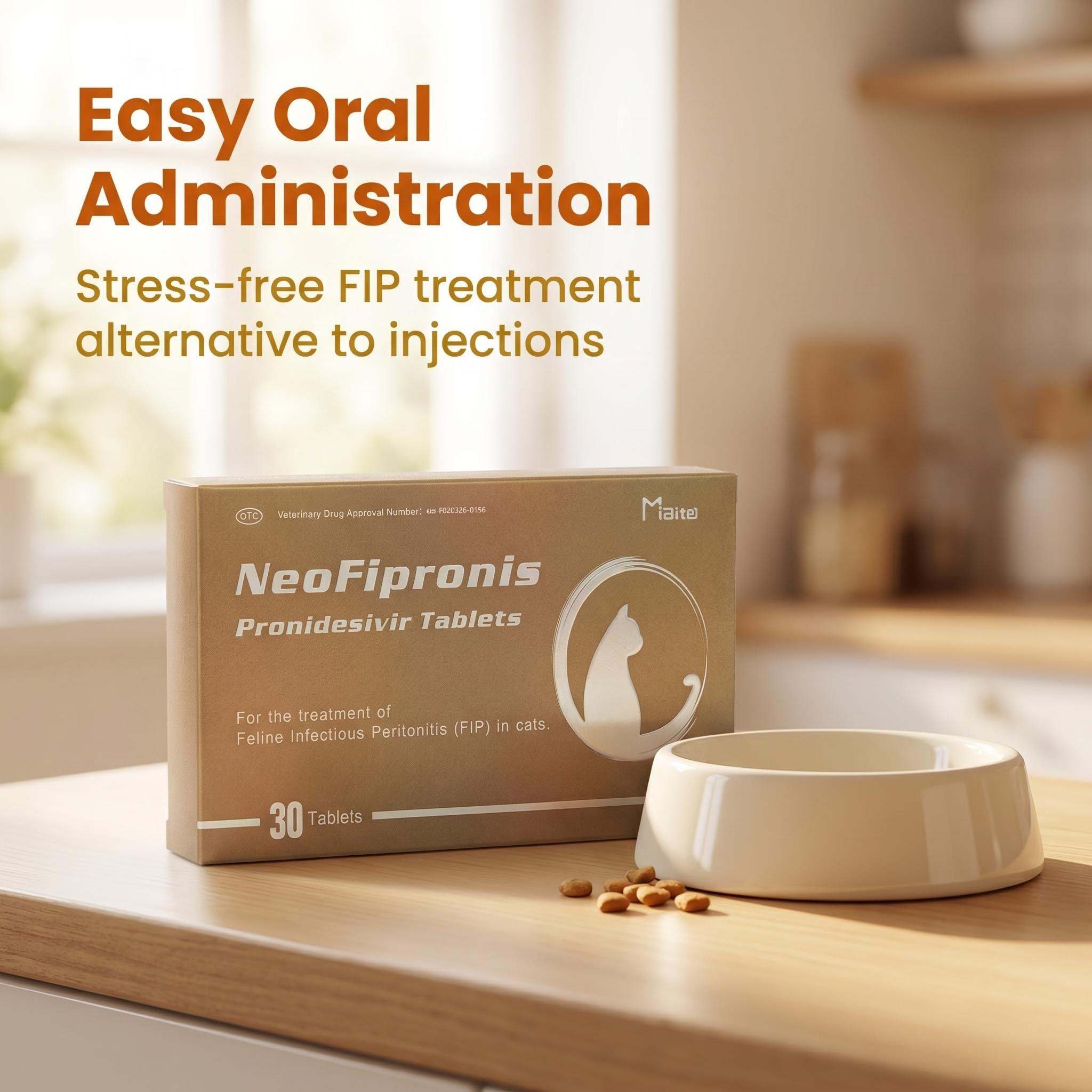
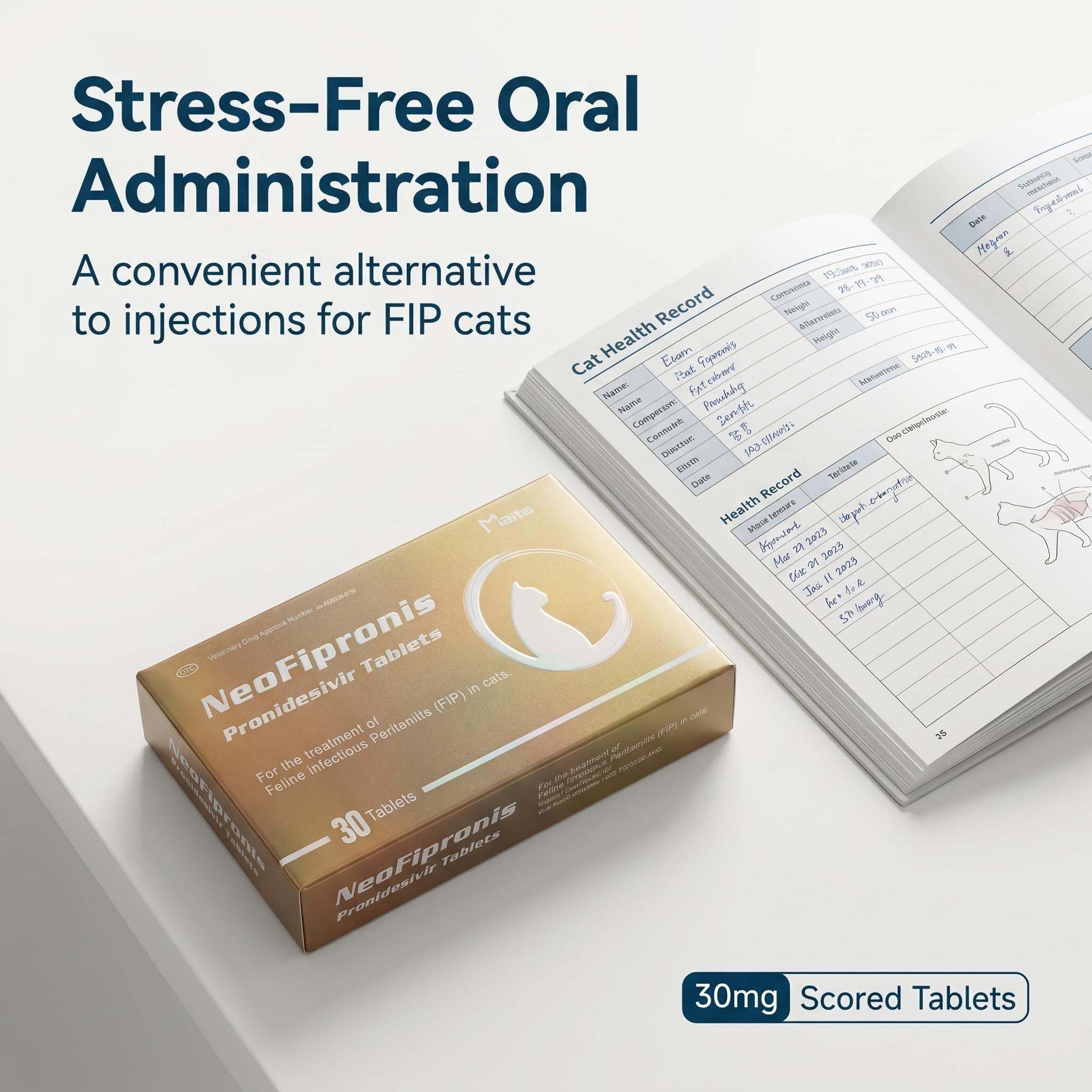
Feline Infectious Peritonitis (FIP) is a deadly viral disease in cats caused by certain strains of feline coronavirus (FCoV). Traditional treatments have struggled to effectively combat this disease, but recently, NeoFipronis (Pronidesivir) with the active ingredient GS-441524 has shown remarkable promise. Approved by the Lao Ministry of Agriculture and Forestry (MAF) in March 2026, NeoFipronis is the world’s first officially registered oral medication specifically designed to treat FIP in cats. Its development marks a significant breakthrough in feline medicine, offering a safe, non-invasive, rapid-acting option with minimal side effects.
Active Ingredient: GS-441524
GS-441524 is a nucleoside analog that functions as the core compound in NeoFipronis. It is a prodrug that mimics the natural nucleosides involved in viral RNA synthesis. Once administered, GS-441524 is efficiently absorbed through the gastrointestinal tract, allowing for rapid onset of action. Inside the feline body, it is phosphorylated into its active triphosphate form, which targets the viral RNA-dependent RNA polymerase (RdRp). This enzyme is crucial for the replication of the feline coronavirus, and by inhibiting its activity, GS-441524 effectively halts the viral replication process.
Mechanism of Action
The primary antiviral effect of NeoFipronis stems from its active metabolite, GS-441524 triphosphate. It competes with natural nucleotides, incorporating into the viral RNA strand during replication. This incorporation leads to premature chain termination, preventing the virus from producing functional viral genomes. Consequently, the viral load decreases sharply, reducing the progression of FIP and alleviating associated symptoms such as fever, lethargy, anorexia, ascites, pleural effusion, lymphadenopathy, granulomatous inflammation, neurological deficits, and uveitis.
By disrupting viral replication, NeoFipronis not only controls the disease’s progression but also allows the immune system to recover and restore normal physiological functions. This targeted approach reduces tissue damage caused by the virus and minimizes inflammatory responses often seen in FIP-affected cats.
Administration and Dosing
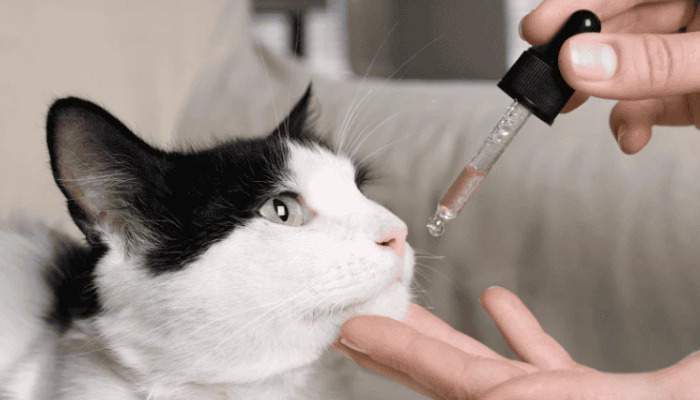
NeoFipronis is administered orally, with dosing tailored to the cat’s weight. The standard dose is 15 mg per kilogram of body weight once daily—approximately half a tablet. For cats exhibiting nervous system or ocular (neurological or ocular FIP), the dosage may be increased to 30 mg/kg, but only under veterinary supervision. It is recommended to administer the medication on an empty stomach—either one hour before feeding or two hours after—to optimize absorption.
Treatment Duration and Monitoring
Continuous treatment for at least 12 weeks is essential to ensure full viral suppression and disease remission. Missing doses can affect treatment efficacy; hence, strict adherence is vital. During therapy, veterinarians should regularly monitor the cat's clinical signs, including appetite, temperature, and mental status. Periodic blood tests assessing liver and kidney function are recommended to detect any adverse effects early. Although NeoFipronis is an over-the-counter medication, consulting a veterinarian before starting treatment maximizes safety and effectiveness.
Safety and Precautions
NeoFipronis is considered safe with a high tolerability profile—few side effects have been reported. Its non-invasive oral delivery minimizes stress and discomfort for feline patients. However, it is strictly indicated for use in cats only; human administration is not advised. To ensure product quality and authenticity, purchasing strictly through the official NeoFipronis website or authorized veterinary channels is encouraged.
Conclusion
NeoFipronis (Pronidesivir) offers a groundbreaking approach to treating FIP through its potent antiviral activity of GS-441524. Its mechanism—targeting and inhibiting viral RNA polymerase—disrupts coronavirus replication, effectively controlling a disease once deemed almost incurable. With fast absorption, minimal side effects, and proven clinical efficacy, NeoFipronis is transforming feline healthcare, giving cats affected by FIP renewed hope for recovery.