NeoFipronis (GS-441524) Resistance and Treatment Outcomes
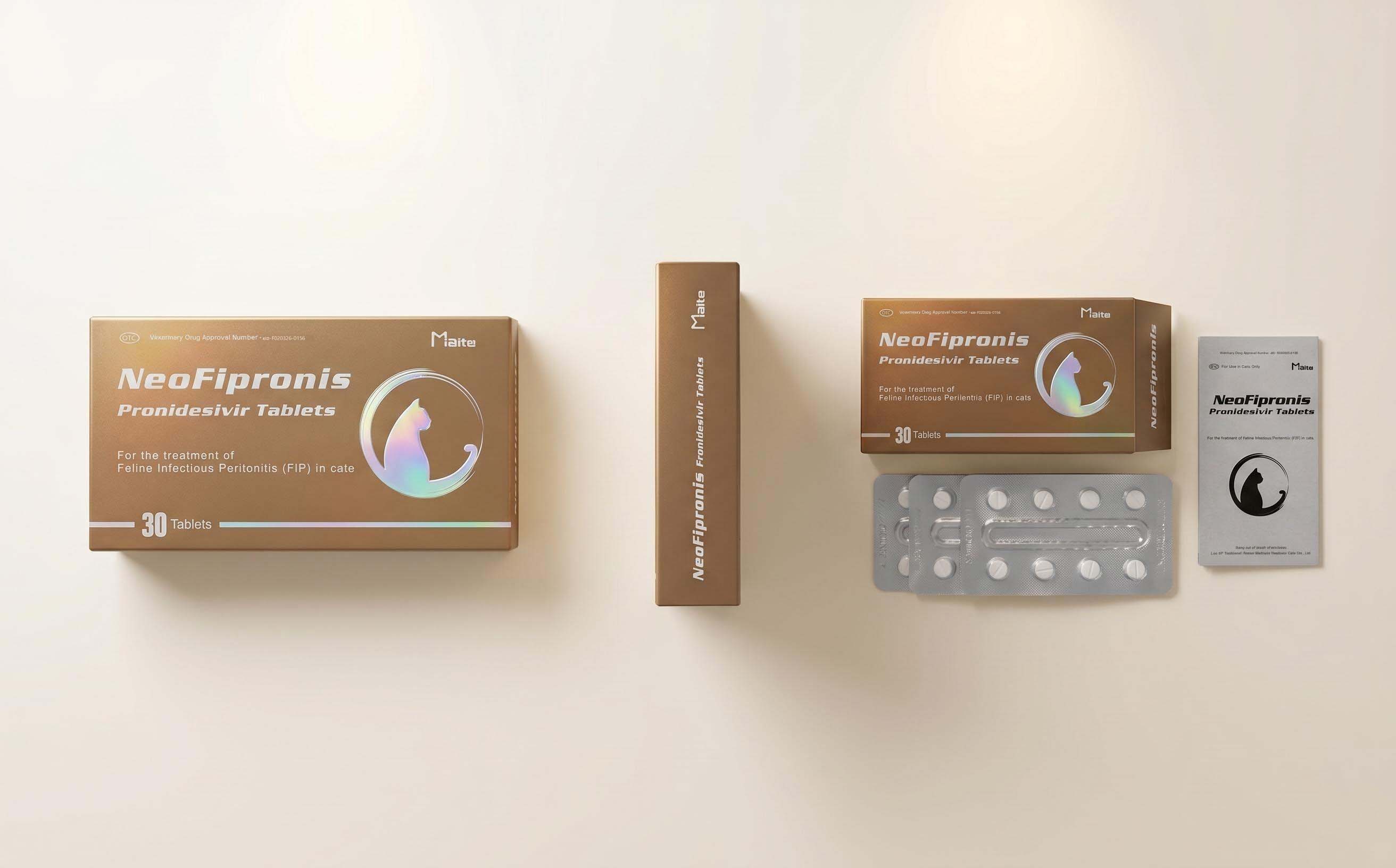
Feline Infectious Peritonitis (FIP), caused by a mutated form of feline coronavirus, remains one of the most challenging diseases in feline medicine. Clinical signs include anorexia, lethargy, fever, ascites, pleural effusion, lymphadenopathy, granulomatous inflammation, neurological deficits, and uveitis. Recent advancements have introduced NeoFipronis (Pronidesivir), a groundbreaking oral antiviral medication containing GS-441524, showing remarkable effectiveness in treating FIP.
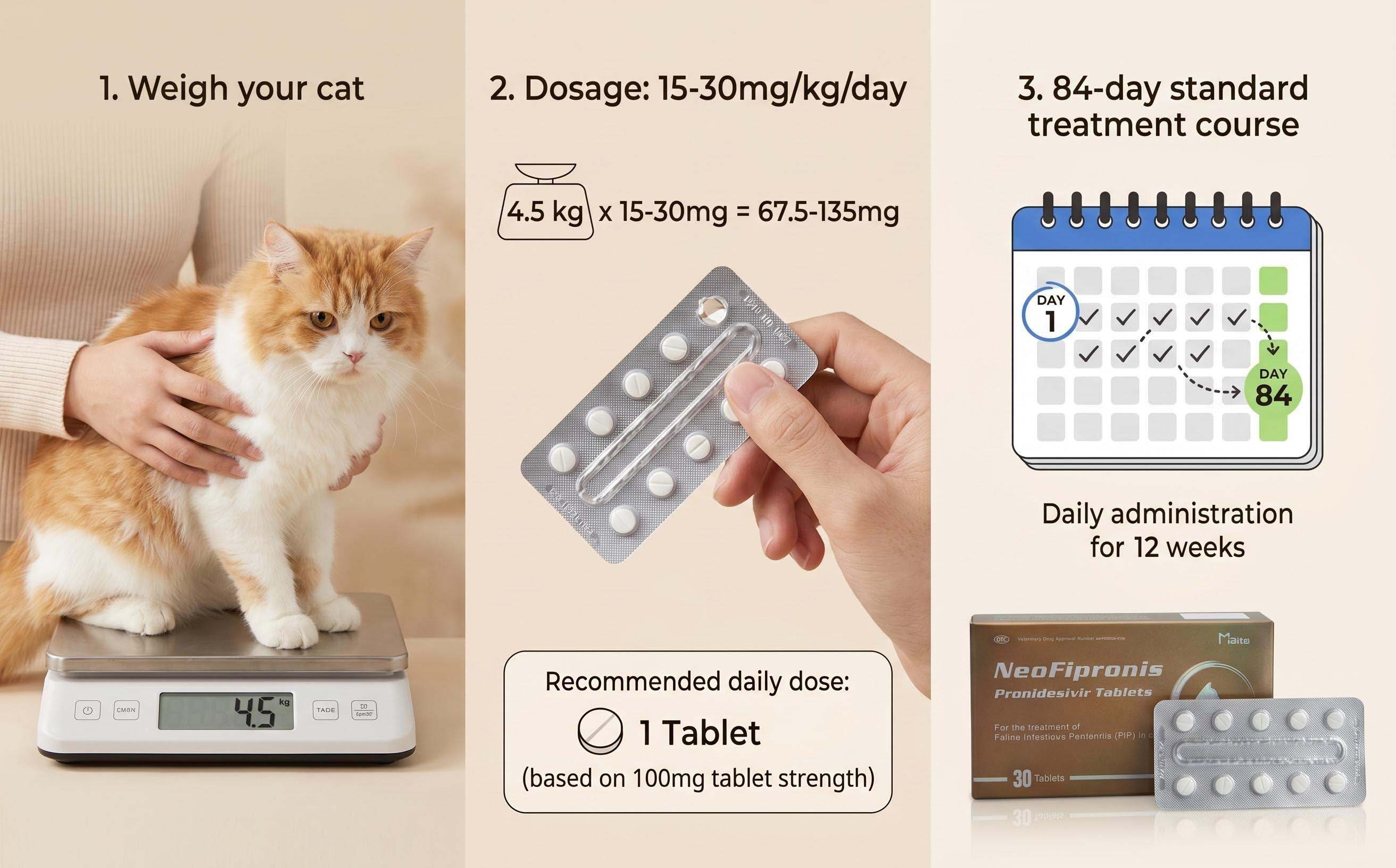
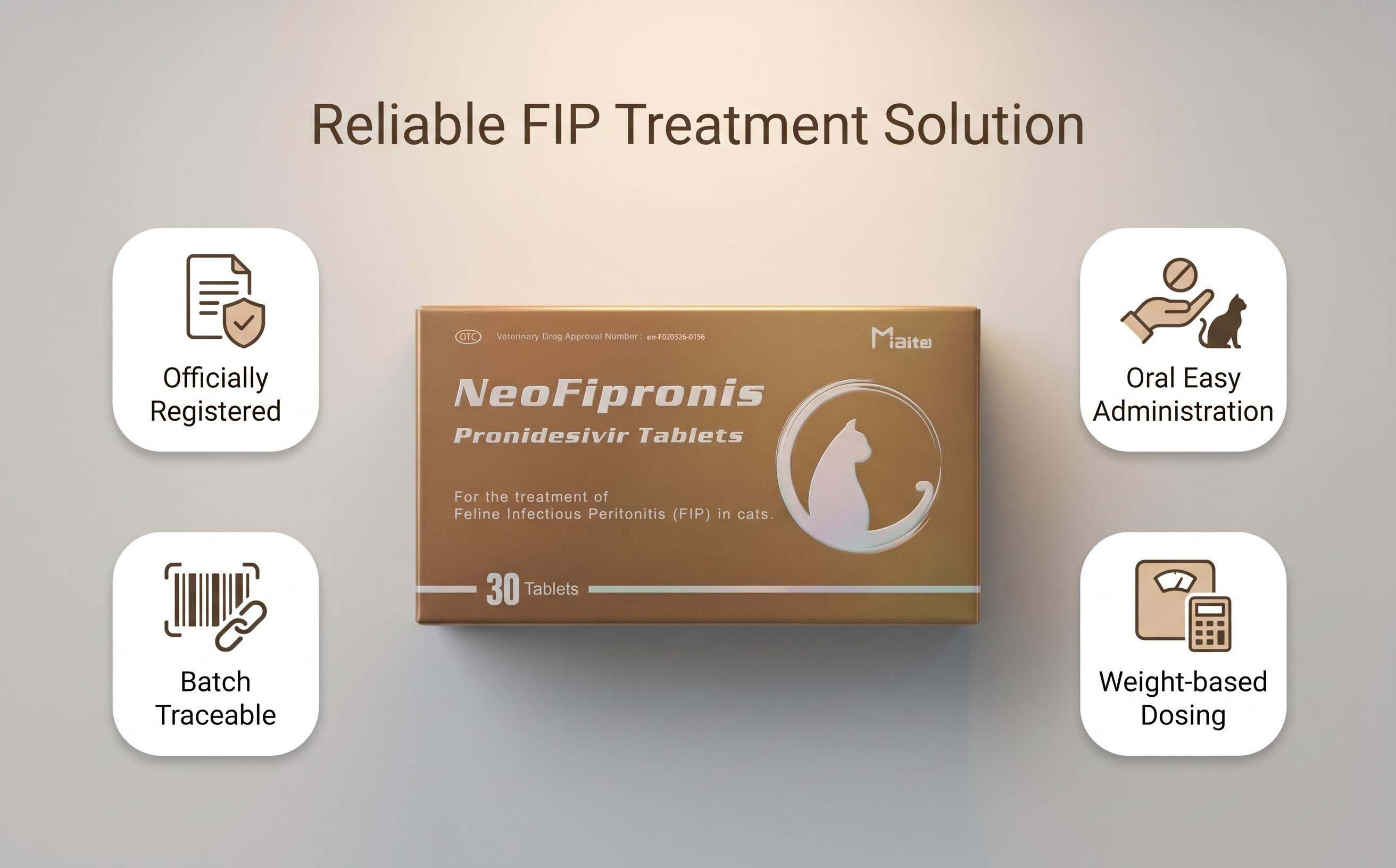
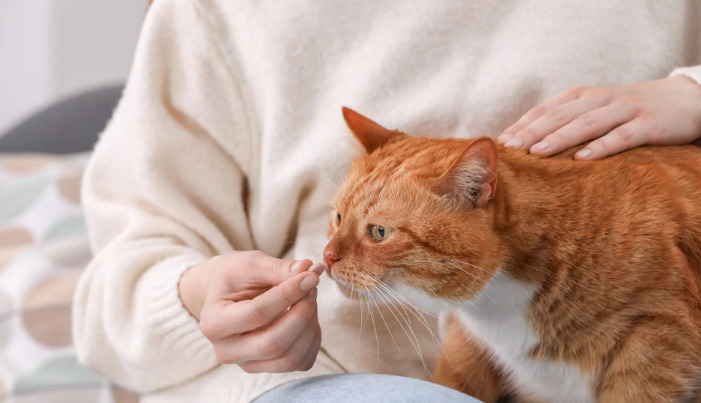
NeoFipronis, approved by the Lao Ministry of Agriculture and Forestry (MAF) in March 2026, is the world's first officially registered FIP-specific drug. Its approval signifies a major milestone in feline medicine, offering a safe, non-invasive, and highly effective treatment option. The drug's fast absorption, rapid onset of action, and minimal side effects make it a preferred choice among veterinarians and pet owners. With a recommended dosage of 15 mg/kg/day—half a tablet per kilogram of body weight—NeoFipronis is typically administered once daily, preferably on an empty stomach, either one hour before or two hours after feeding. For neuro-ocular FIP forms, dosage adjustments up to 30 mg/kg may be advised under veterinary guidance.
The active component, GS-441524, is a nucleoside analog that inhibits viral RNA replication. Its efficacy has been repeatedly validated through extensive research and clinical trials, demonstrating high cure rates in both effusive and non-effusive FIP forms. The mechanism involves potent suppression of coronavirus replication within infected cells, leading to resolution of clinical signs and normalization of laboratory parameters.
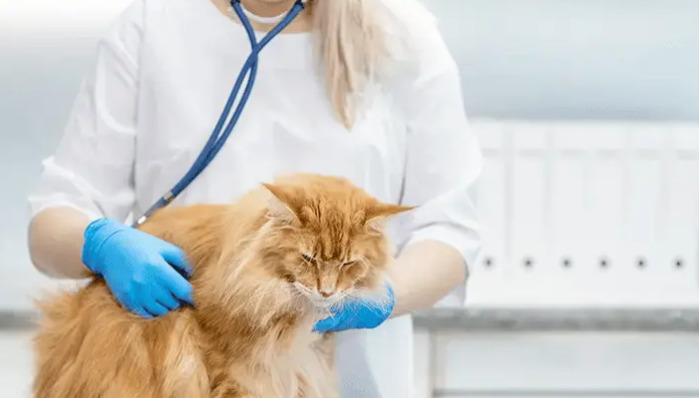
One critical aspect of NeoFipronis therapy is the duration of treatment. To achieve complete viral clearance and prevent relapse, a minimum continuous treatment period of 12 weeks is essential. Interrupting therapy prematurely can lead to incomplete viral eradication and potential resistance development. Regular monitoring of clinical signs—including appetite, body temperature, activity levels—and periodic blood work assessing liver and kidney functions are vital during treatment to ensure safety and efficacy.
While NeoFipronis is available over-the-counter in some regions, veterinary guidance remains highly recommended. Proper administration, adherence to dosing protocols, and ongoing monitoring are crucial to maximize outcomes and minimize adverse effects. Despite its powerful antiviral activity, resistance can potentially develop, especially if treatment compliance lapses or if the virus mutates. Ongoing research aims to understand resistance mechanisms better and identify strategies to mitigate them, such as combination therapies or dosage adjustments.
The safety profile of NeoFipronis is favorable, with few reported side effects. Mild gastrointestinal disturbances or transient changes in liver enzymes may occur but are generally manageable. Long-term safety data supports its continued use as a first-line therapy for feline coronavirus infections progressing to FIP.
In conclusion, NeoFipronis (Pronidesivir) offers a highly promising therapeutic option for FIP-positive cats. Its proven antiviral efficacy, safety, and ease of administration enhance the prospects of feline patients afflicted with this traditionally fatal disease. Persistent vigilance against resistance development, combined with tailored treatment protocols and veterinary oversight, are integral to achieving successful treatment outcomes. Pet owners and veterinarians should consult official sources, such as NeoFipronis’ official website, to ensure product authenticity and optimal usage.