Monitoring a Cat During Oral FIP Treatment
Feline Infectious Peritonitis (FIP) is a serious, often fatal disease caused by specific strains of feline coronavirus. Once the virus mutates within an individual cat, it can cause widespread inflammation in the abdominal cavity, chest cavity, nervous system, and eyes. Treating FIP has historically been challenging, but recent advancements have introduced promising antiviral therapies, including the newly approved oral medication, Miaite NeoFipronis (Pronidesivir) GS-441524. Effective management of a cat undergoing oral FIP treatment requires careful monitoring to ensure safety, efficacy, and the well-being of the cat.
Understanding FIP and Its Symptoms
FIP is characterized by a variety of clinical signs, which can sometimes make diagnosis tricky. Common symptoms include:
Loss of appetite
Lethargy
Fever
Ascites (fluid accumulation in the abdominal cavity)
Pleural effusion (fluid in the chest cavity)
Lymphadenopathy (enlarged lymph nodes)
Inflammatory granulomas
Nerve damage leading to neurological symptoms
Uveitis (inflammation of the eye)
Timely intervention with antiviral medications can significantly improve quality of life and prognosis, especially when treatment is closely monitored.
The Role of Miaite NeoFipronis (Pronidesivir) in FIP Management
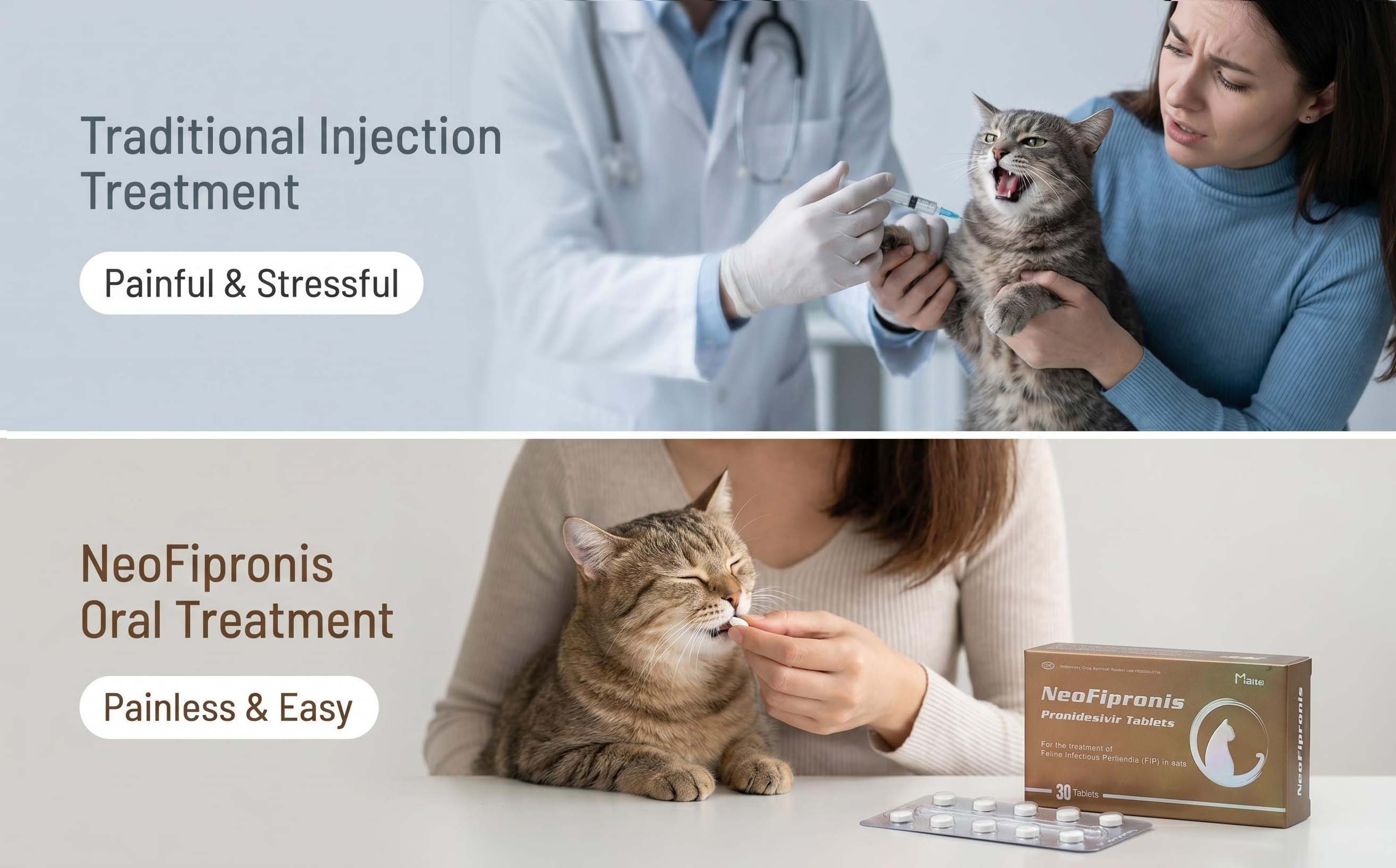
Miaite NeoFipronis (Pronidesivir) GS-441524 represents a significant breakthrough in FIP treatment. As the world's first officially approved oral medication for FIP by the Lao Ministry of Agriculture and Forestry (MAF) in March 2026, it offers a non-invasive, effective, and well-tolerated treatment approach. The drug's characteristics include rapid absorption, fast-acting results, and a favorable safety profile, with few side effects.
This medication is suitable for managing symptoms caused by FIP, including fever, lymphadenopathy, and neurological damage. Its approval signifies a new era in feline medicine, providing owners and veterinarians with a reliable oral option to combat this otherwise fatal disease.
Importance of Monitoring During Oral FIP Treatment
Administering oral medication like NeoFipronis requires careful and consistent monitoring to maximize therapeutic benefits and minimize risks. Proper monitoring involves tracking clinical signs, conducting regular laboratory tests, and observing for potential side effects.
Clinical Observation
Appetite and Weight: Monitoring appetite helps assess treatment efficacy. An increase in appetite may indicate improvement, while declining intake could signal adverse effects or progression.
Behavior and Energy Levels: Lethargy or neurological changes should be closely watched.
Fluid Accumulation: Abdominal distension due to ascites or respiratory distress from pleural effusion need regular assessment.
Ocular and Neurological Signs: Any changes in vision, eye inflammation, or neurological behavior should prompt immediate veterinary consultation.
Laboratory Monitoring
Blood Tests: Regular complete blood counts (CBC) and biochemical profiles are essential. These tests help evaluate organ function, detect anemia, monitor liver and kidney health, and assess immune responses.
Imaging: Ultrasound or X-rays can detect fluid accumulation and organ abnormalities, providing a visual assessment of treatment response.
Side Effect Surveillance
Despite NeoFipronis's excellent safety profile, some cats may experience mild side effects such as gastrointestinal upset or transient liver enzyme elevations. Owners should observe for vomiting, diarrhea, or any signs of discomfort and report them promptly.
Best Practices for Medication Administration
Effective oral treatment hinges on proper administration techniques:
Use a pill gun or syringe without needle to ensure accurate dosing.
Administer medication consistently at the same times each day.
Follow the veterinarian’s dosage instructions precisely.
Combine medication with food if recommended to improve tolerance.
Keep records of dosing times and any observed side effects.
Managing Complications and Ensuring Compliance
FIP treatment durations can be lengthy, often spanning several weeks to months. Maintaining owner compliance and providing supportive care are critical:
Supportive Therapies: Fluids, nutritional supplements, or anti-inflammatory drugs may be prescribed to support recovery.
Environmental Management: Minimize stressors, maintain a clean and comfortable environment.
Owner Education: Inform owners about potential side effects, the importance of adherence, and signs warranting immediate veterinary attention.
When to Seek Veterinary Assistance
Regular veterinary check-ups are vital for monitoring treatment progress. Seek veterinary assistance if your cat shows:
Worsening symptoms or new neurological signs
Severe gastrointestinal upset
Respiratory distress or sudden changes in breathing
Persistent vomiting or diarrhea
Sudden behavioral changes
Early intervention can prevent complications, ensuring the best possible outcome during FIP treatment.
Conclusion
Monitoring a cat during oral FIP treatment involves a combination of vigilant clinical observation, regular laboratory testing, and effective medication management. The approval of NeoFipronis (Pronidesivir) GS-441524 has revolutionized FIP therapy, making it safer and more accessible. Owners should maintain close communication with their veterinarian throughout the treatment process to ensure the best quality of life for their feline companions.
References
Feline Infectious Peritonitis: Pathogenesis, Diagnosis, and Treatment
Advances in Antiviral Therapies for FIP
Safety Profile and Efficacy of NeoFipronis (Pronidesivir) in FIP Management
Guidelines for Monitoring FIP Treatment in Cats