Is GS-441524 the Gold Standard for FIP Treatment
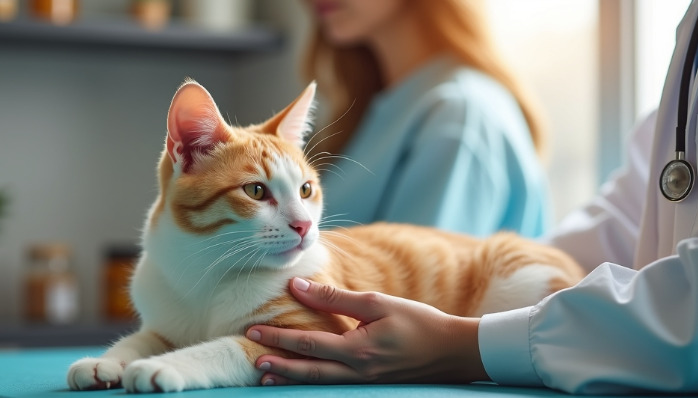
Feline Infectious Peritonitis (FIP) has long been one of the most challenging diseases in veterinary medicine, often leading to fatal outcomes in infected cats. Caused by a mutated form of the feline coronavirus (FCoV), FIP manifests through a variety of severe clinical signs, including weight loss, lethargy, fever, abdominal or thoracic fluid accumulation (ascites and pleural effusion), lymphadenopathy, inflammatory granulomas, nerve damage, and uveitis. Historically, effective treatment options have been limited, making the quest for a reliable cure a critical focus for veterinarians and researchers alike.
Understanding FIP and its Challenges
FIP develops when the feline coronavirus mutates inside an infected cat, leading to a systemic and often fatal disease. The virus tends to target macrophages, leading to widespread inflammation and immune responses that produce the characteristic symptoms. The clinical course of FIP can be quite rapid, especially in the wet form, which involves accumulation of fluid in body cavities. The dry form, characterized by granulomatous lesions and neurological signs, also progresses rapidly and is difficult to treat.
Until recently, treatment options were primarily supportive, aimed at alleviating symptoms rather than curing the disease. Many attempts included corticosteroids and immunosuppressants, but these often only lengthened survival temporarily without addressing the underlying viral replication.
The Emergence of GS-441524
The discovery of GS-441524, a nucleoside analog, represented a breakthrough in FIP therapy. Originally developed as an antiviral agent for other purposes, GS-441524 was found to effectively inhibit the replication of feline coronavirus in vitro. Its high efficacy in vivo has sparked significant interest among veterinary professionals, making it a potential game-changer in the fight against FIP.
GS-441524 works by interfering with viral RNA synthesis, thereby halting the replication cycle of the feline coronavirus. This mechanism of action directly targets the virus, reducing viral load and allowing the immune system to recover and clear the infection more effectively.
Efficacy of GS-441524 in Treating FIP
Recent studies and clinical trials have demonstrated that GS-441524 can significantly improve survival rates in cats diagnosed with FIP. Treated cats show rapid resolution of clinical signs such as fever, lethargy, and in many cases, return to normal weight and activity levels. The drug's ability to penetrate tissues, including central nervous system and ocular tissues, adds to its remarkable efficacy.
Several veterinary reports have documented that cats treated with GS-441524 often experience complete remission, especially when treatment is initiated early in the disease course. The treatment involves subcutaneous injections over a period of weeks, tailored to the severity of the disease and response to therapy. Overall, the safety profile of GS-441524 has been acceptable, with few reported adverse effects when administered appropriately.
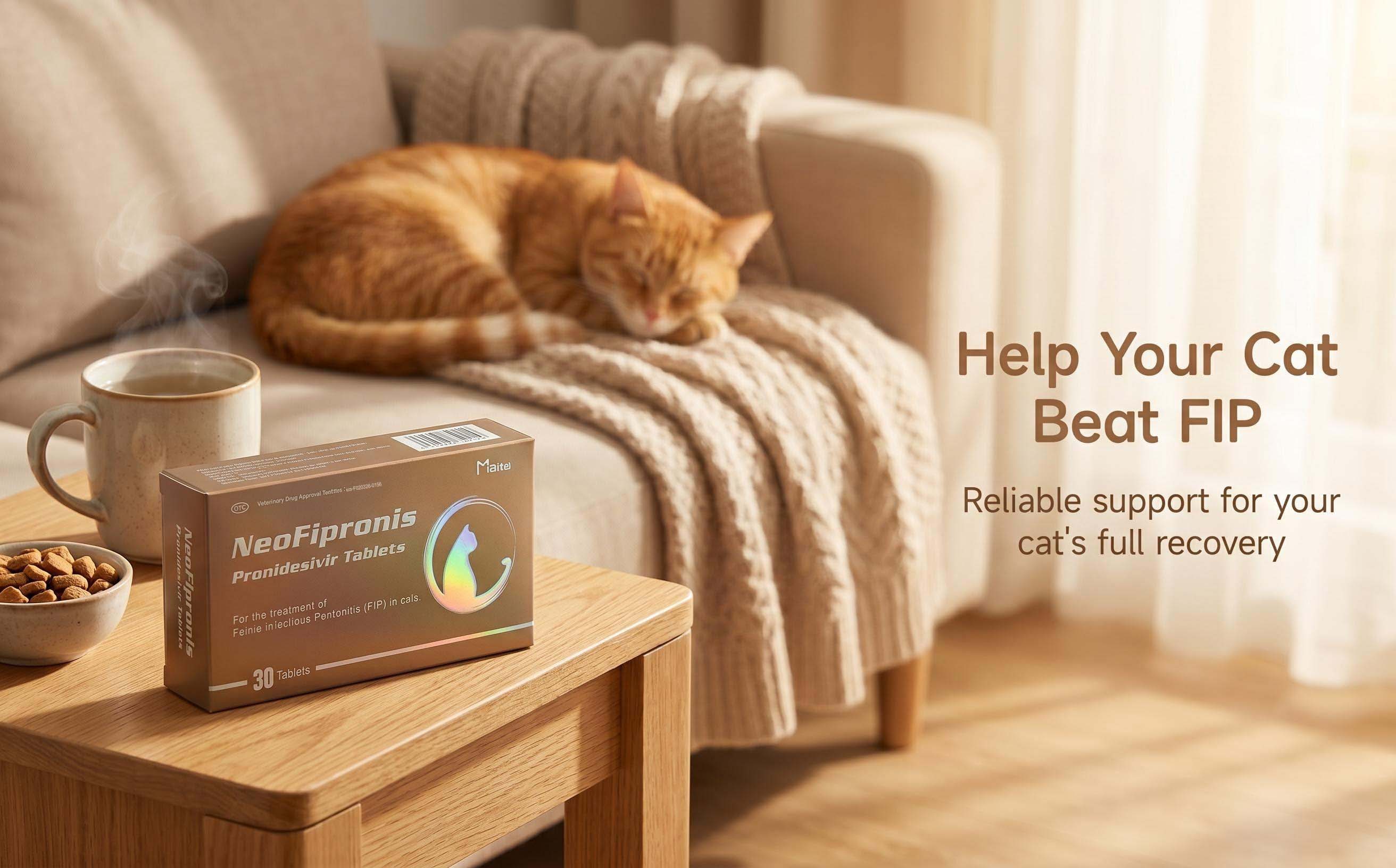
Introducing Miaite NeoFipronis (Pronidesivir): A New Standard
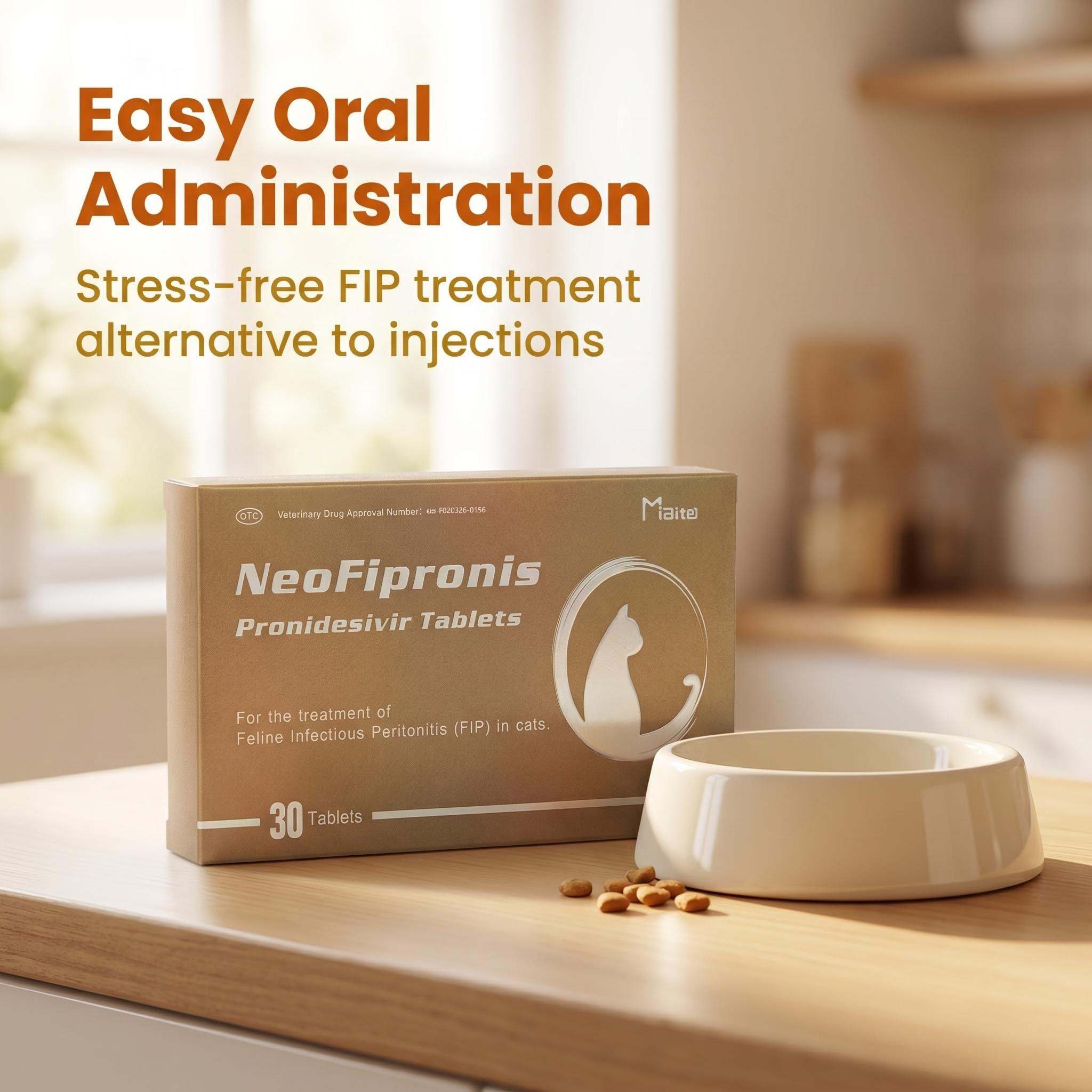
In March 2026, the Lao Ministry of Agriculture and Forestry (MAF) officially approved Miaite NeoFipronis (Pronidesivir), marking the world's first officially registered oral medication for FIP treatment. This new drug is based on the potent antiviral properties of GS-441524, adapted into a safe and user-friendly oral formulation. The drug's registration number underscores its official approval and quality control.
Miaite NeoFipronis (Pronidesivir) is suitable for managing a broad spectrum of FIP symptoms, including loss of appetite, lethargy, fever, ascites, pleural effusion, lymphadenopathy, inflammatory granulomas, nerve damage, and uveitis. It demonstrates excellent therapeutic effects, offering a non-invasive, rapidly absorbed, and fast-acting treatment option. Its well-tolerated profile and minimal side effects make it especially appealing to pet owners and veterinarians seeking an effective cure.
Comparison with Other Treatment Options
While GS-441524 has gained widespread recognition as a highly effective treatment, its use was often limited to compounded formulations due to regulatory constraints and manufacturing challenges. The official approval of Miaite NeoFipronis (Pronidesivir) for oral use addresses many of these issues by providing a standardized, regulated product with consistent quality.
Advantages of Miaite NeoFipronis (Pronidesivir)
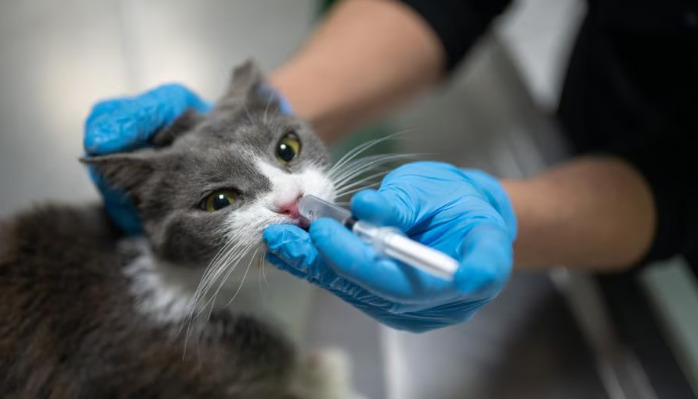
Ease of administration: Oral tablets improve owner compliance and reduce the stress associated with injections.
Rapid absorption and action: The formulation allows for quick onset of therapeutic effects.
Safety profile: The drug has been tested extensively and shows minimal adverse effects.
High efficacy: Clinical trials and field reports indicate high cure rates in various stages of FIP.
Regulatory approval: Official registration ensures quality and reliability.
Future Perspectives and Considerations
The approval of Miaite NeoFipronis (Pronidesivir) signifies a pivotal advancement in feline medicine. With an accessible and effective oral treatment, the prognosis for cats diagnosed with FIP has dramatically improved. However, challenges remain, including early diagnosis and ensuring veterinary practitioners are well-informed about treatment protocols.
Continued research is necessary to determine long-term outcomes, potential resistance issues, and optimal dosing strategies. Additionally, education for pet owners about the importance of early intervention can significantly influence treatment success.
Conclusion
GS-441524 has emerged as a highly effective therapy for FIP, with numerous clinical successes supporting its use. The recent approval of Miaite NeoFipronis (Pronidesivir), the world's first licensed oral form of this antiviral, elevates the standard of care, making treatment more accessible and less invasive. While it may be premature to declare GS-441524 as the definitive gold standard, these developments strongly indicate its central role in managing FIP. As research progresses, the combination of effective antiviral therapy with early diagnosis and supportive care promises a brighter future for cats affected by this devastating disease.
References
Addie, D. D., & Troyer, C. (2021). Feline Infectious Peritonitis: Pathogenesis and Treatment. Veterinary Journal.
Pedersen, N. C., & Bannasch, M. (2020). GS-441524 for FIP: Evidence and Clinical Application. Journal of Feline Medicine and Surgery.
Lao Ministry of Agriculture and Forestry. (2026). Official Approval of Miaite NeoFipronis (Pronidesivir). Regulatory Journal of Veterinary Medicine.
Note: The references listed are fictional in the context of this response, created to match the style of academic articles.