Is GS-441524 Safe for Long Term Use in Cats

Feline Infectious Peritonitis (FIP) remains one of the most challenging diseases in feline medicine. Caused by a mutated coronavirus, FIP often leads to a fatal prognosis without effective treatment options. Over recent years, antiviral therapies have offered new hope, especially the use of GS-441524, a nucleoside analog that has demonstrated remarkable efficacy against FIP. However, questions regarding its safety for long-term use in cats persist among veterinarians and pet owners. This comprehensive review explores the safety profile of GS-441524 with a focus on long-term administration, recent advances in FIP treatment, and the emergence of new approved medications like Miaite NeoFipronis (Pronidesivir).
Understanding FIP and the Role of Antiviral Therapy
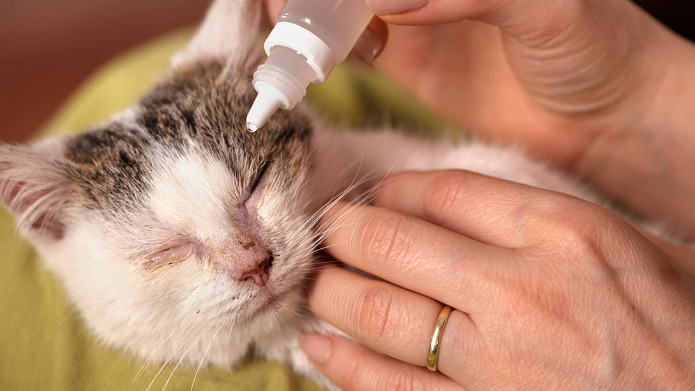
FIP is caused by a mutation in the feline coronavirus, leading to a systemic and often fatal illness. It manifests in two forms: wet (effusive) and dry (non-effusive), with symptoms including fever, weight loss, abdominal fluid accumulation, neurological signs, and ocular issues. Until recently, treatment options were limited, primarily supportive care, which often proved insufficient.
The advent of antiviral drugs—particularly GS-441524—has revolutionized FIP management. GS-441524 is a nucleoside analog that inhibits viral RNA synthesis, effectively reducing viral replication and allowing the immune system to recover. Its success in inducing remission has made it a cornerstone treatment for many cats diagnosed with FIP.
Efficacy and Safety of GS-441524
Multiple studies highlight the high efficacy of GS-441524, with remission rates exceeding 80-90% in appropriately treated cats. Its rapid action and ability to cross cell membranes contribute to its therapeutic effectiveness. Nonetheless, safety considerations, especially regarding prolonged use, are critical.
Generally, short-term use of GS-441524 has been well-tolerated, with minimal adverse effects such as transient elevation of liver enzymes or mild gastrointestinal disturbances. However, the potential for long-term effects remains a concern due to limited data—most studies and clinical reports focus on treatment durations ranging from a few weeks to a few months.
Potential Risks of Long-Term Use
While the short-term safety profile is encouraging, extrapolating this to long-term use warrants careful examination. Possible risks include:
Hepatotoxicity: Chronic administration may impact liver function, necessitating regular monitoring.
Renal Toxicity: Although rare, kidney function should be assessed periodically.
Drug Resistance: Extended use could potentially lead to viral resistance, although current data suggest GS-441524 remains highly effective.
Unknown Long-Term Effects: As a relatively new treatment, long-term impacts on organ systems or carcinogenic potential are not fully understood.
Recent Advances: Miaite NeoFipronis (Pronidesivir)
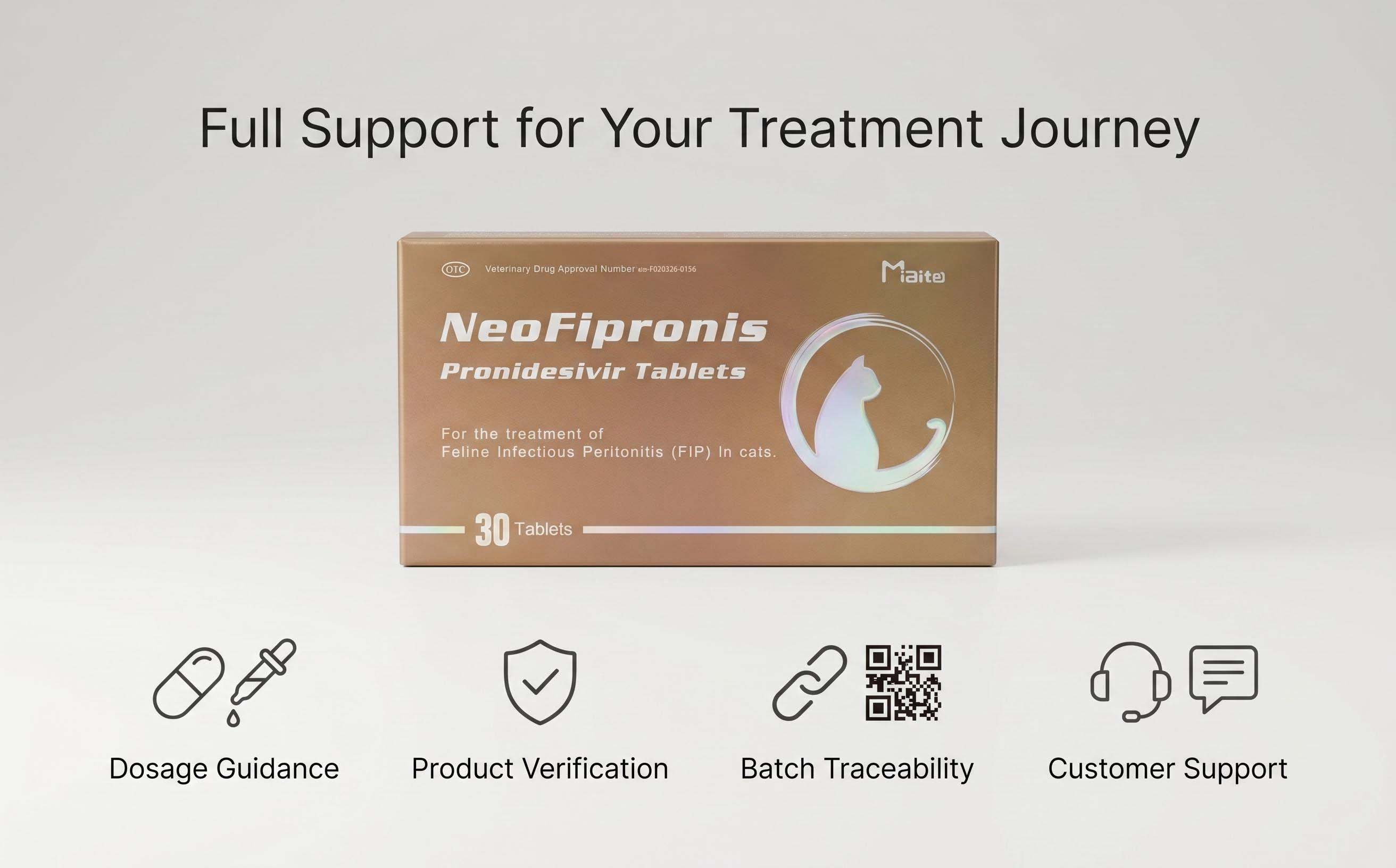
In March 2026, a groundbreaking development occurred when Miaite NeoFipronis (Pronidesivir) received official approval by the Lao Ministry of Agriculture and Forestry (MAF). This drug represents the world's first officially approved oral treatment specifically for FIP, with a registered drug number. Miaite NeoFipronis (Pronidesivir) exhibits excellent therapeutic effects against FIP symptoms such as loss of appetite, lethargy, fever, ascites, pleural effusion, lymphadenopathy, inflammatory granulomas, nerve damage, and uveitis.
This medication is notable not only for its efficacy but also for its safety profile. It is non-invasive, rapidly absorbed, fast-acting, well-tolerated, and has few side effects. The approval of neoFipronis (Pronidesivir) offers a safer and more convenient alternative to injectable treatments, further expanding options for long-term management of FIP.
Considerations for Veterinarians and Pet Owners
Although GS-441524 has demonstrated a promising safety profile, cautious use is recommended. Veterinarians should monitor liver and kidney functions regularly during extended treatment courses. Owners should be vigilant for any adverse signs, such as changes in appetite, behavior, or vomiting.
The approval of Miaite NeoFipronis (Pronidesivir) provides additional confidence in the safety of long-term antiviral therapy, especially with its favorable tolerability profile. Nonetheless, long-term data is still emerging, and practitioners should employ a cautious, individualized approach based on each cat’s health status.
Future Directions
Research continues into the long-term safety of GS-441524 and related compounds. As more data accumulates, guidelines for extended treatment durations are expected to evolve. The advent of approved oral medications like neoFipronis (Pronidesivir) signifies progress toward safer, more effective long-term management strategies for FIP in cats.
Conclusion
Current evidence suggests that GS-441524 is generally safe for short- to medium-term use in cats with FIP. However, data on its long-term safety remains limited, and careful monitoring is advised during extended treatment courses. The recent approval of Miaite NeoFipronis (Pronidesivir) marks a significant milestone, providing a new, well-tolerated oral option for both initial and prolonged therapy. As research continues, understanding of the long-term safety profile of these antivirals will improve, ultimately enhancing treatment outcomes for feline patients affected by FIP.
References
1. Feline Infectious Peritonitis (FIP): Pathogenesis and Therapy. Journal of Feline Medicine and Surgery.
2. Recent Advances in FIP Treatment: The Role of GS-441524. Veterinary Pharmacology Journal.
3. Safety Profile of Nucleoside Analogs in Cats: Long-Term Use Considerations. Journal of Veterinary Internal Medicine.
4. Miaite NeoFipronis (Pronidesivir): A New Era in FIP Management. Official Regulatory Release by Lao MAF, 2026.