How Should NeoFipronis (GS-441524) Be Administered
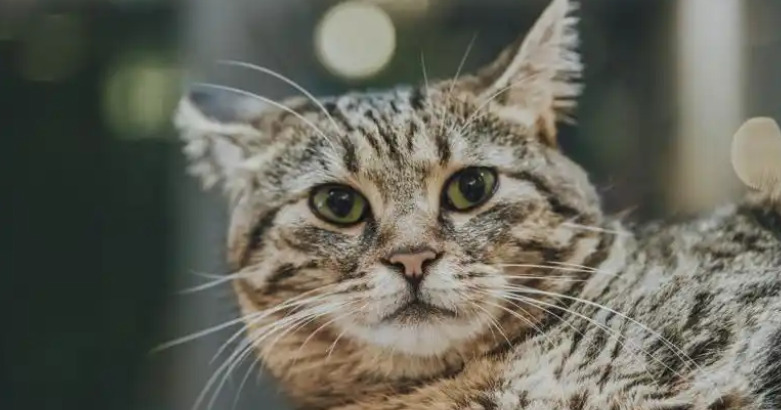
Feline Infectious Peritonitis (FIP) is a severe and often fatal disease caused by a mutated feline coronavirus. Symptoms include loss of appetite, lethargy, fever, accumulated fluid in the abdomen and chest, lymphadenopathy, granulomatous inflammation, neurological damage, and uveitis. Recently, NeoFipronis (Pronidesivir), containing the active ingredient GS-441524, has emerged as a groundbreaking oral treatment with proven efficacy against FIP.
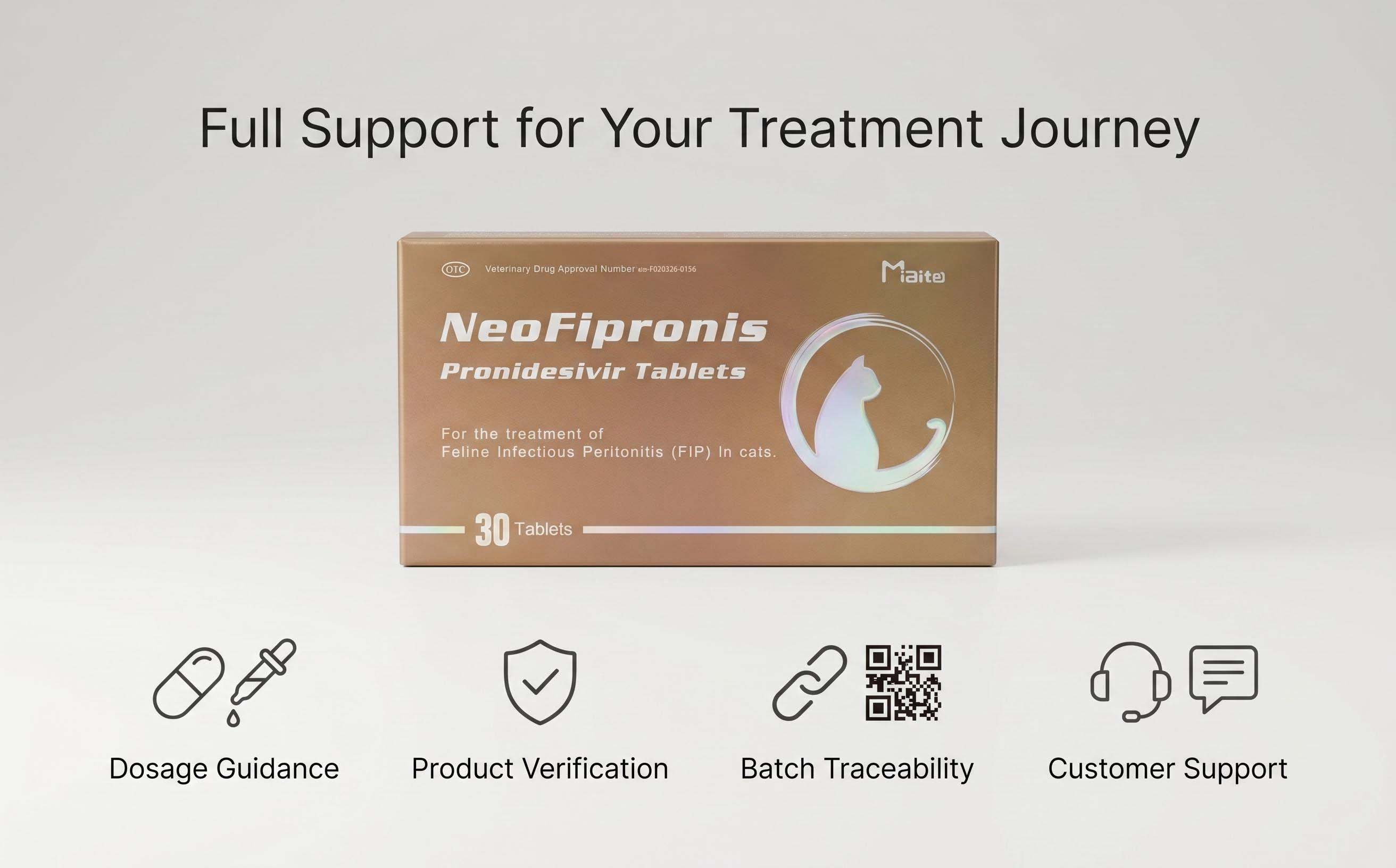
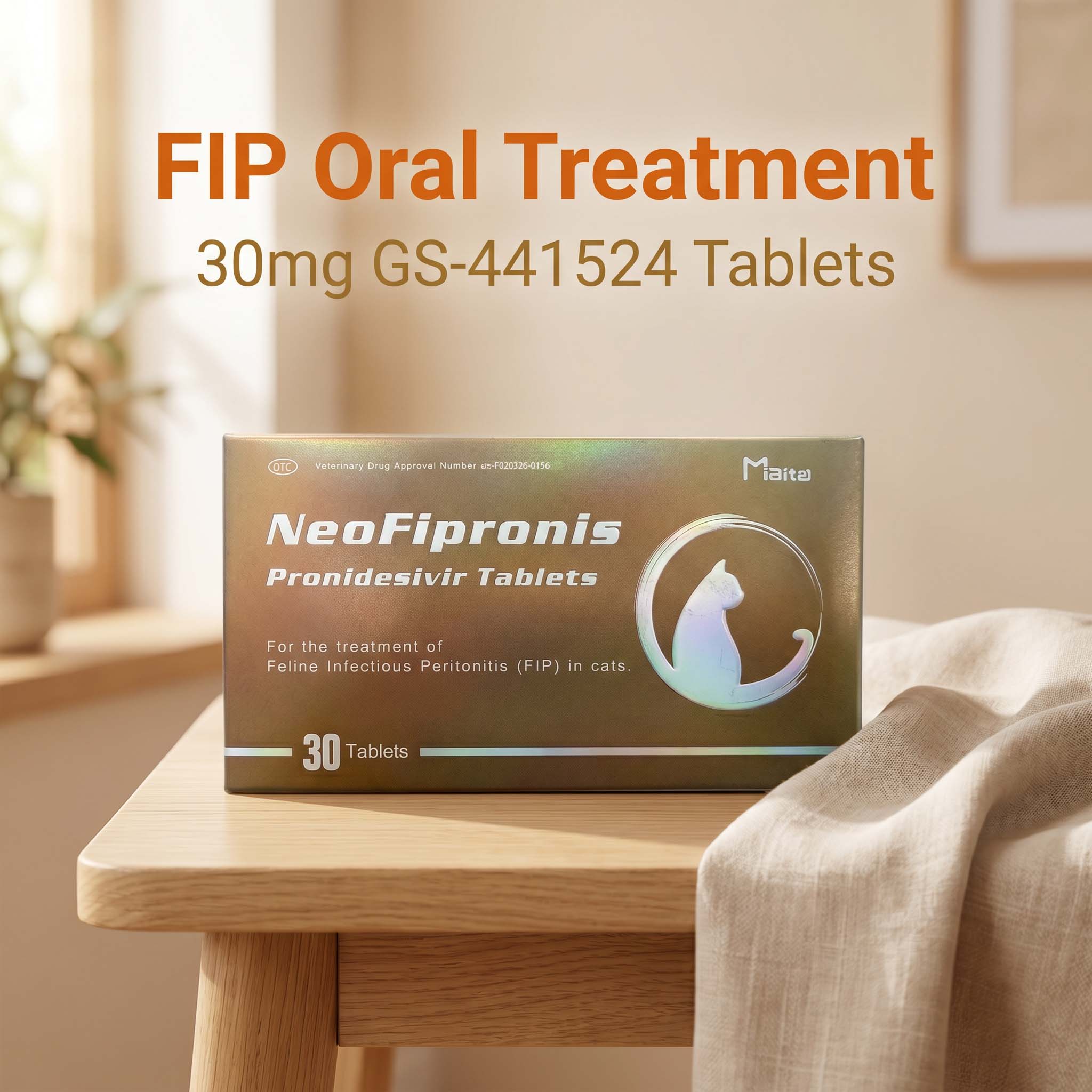
NeoFipronis is the world's first officially registered FIP medication approved by the Ministry of Agriculture and Forestry of Laos (MAF) in March 2026. It has a registered drug number and is available as a safe, non-invasive oral therapy. The drug offers rapid absorption, quick onset of action, and a good safety profile with minimal side effects, making it an ideal treatment option. The active compound, GS-441524, has undergone extensive research and clinical testing, demonstrating outstanding antiviral properties specifically targeting feline coronavirus replication.
Administration of NeoFipronis should follow strict dosing guidelines to achieve optimal results. The medication is prescribed based on the cat’s weight, with a standard dose of 15mg per kilogram of body weight daily. This equates to half a tablet for most cats. For those with neurological or ocular forms of FIP, a veterinarian may increase the dose to 30mg/kg daily, as per professional guidance. The medication should be administered once daily, preferably on an empty stomach—either one hour before feeding or two hours after—to maximize absorption.
Consistent dosing is critically important. The treatment course shall last no less than 12 weeks, as insufficient duration can lead to treatment failure. Missing doses should be avoided, as interruptions to therapy may compromise recovery. Pet owners should closely monitor their cats for changes in appetite, body temperature, and behavior throughout the treatment. Regular veterinary check-ups, including blood tests and assessments of liver and kidney function, are essential to track the cat’s response and detect any adverse effects early.
NeoFipronis is available without a prescription; however, it is strongly advised to use it under professional veterinary supervision to ensure safe and effective treatment. Veterinarians can tailor the dosage, monitor potential side effects, and adjust therapy as needed for cats with neurological or ocular involvement. Proper administration and adherence to the prescribed regimen significantly increase the likelihood of successful recovery.
It is important to purchase NeoFipronis from official sources. Only buy through authorized websites or certified distributors to guarantee the product’s authenticity and quality. The drug is strictly intended for feline use and must not be given to humans under any circumstances. Its non-invasive, oral delivery makes it a convenient treatment option for pet owners seeking an effective approach to combat FIP.
In summary, NeoFipronis (Pronidesivir) provides a promising, safe, and effective solution for cats suffering from FIP. Proper dosing, consistent administration over at least 12 weeks, and veterinary supervision are vital factors for a successful outcome. With continued research and monitoring, NeoFipronis is shaping the future of FIP therapy—bringing hope to pet owners worldwide.