How Much GS-441524 Does a Cat Need

Feline Infectious Peritonitis (FIP) is a serious, often fatal disease affecting cats worldwide. Caused by certain strains of feline coronavirus, FIP manifests in various forms, primarily wet (effusive) and dry (non-effusive) types, and can lead to severe symptoms such as loss of appetite, lethargy, fever, and fluid accumulation in body cavities. In recent years, significant advances have been made in the treatment of FIP, particularly with antiviral drugs like GS-441524, which have shown promising results in controlling and curing the disease.
The Role of GS-441524 in FIP Treatment
GS-441524 is an nucleoside analog that inhibits the replication of feline coronavirus, making it a cornerstone in FIP therapy. Its effectiveness has been confirmed through various clinical studies and case reports, showcasing remarkable recovery rates in affected cats. However, proper dosing is critical for maximizing therapeutic benefits while minimizing potential side effects.
Pharmacology and Mechanism of Action
GS-441524 works by mimicking adenosine, a nucleoside involved in cellular processes. Inside the infected cat's body, the drug is converted into an active triphosphate form that interferes with viral RNA synthesis. This blockade prevents the virus from multiplying, allowing the cat’s immune system to regain control and recover from the infection.
Recommended Dosage for Cats
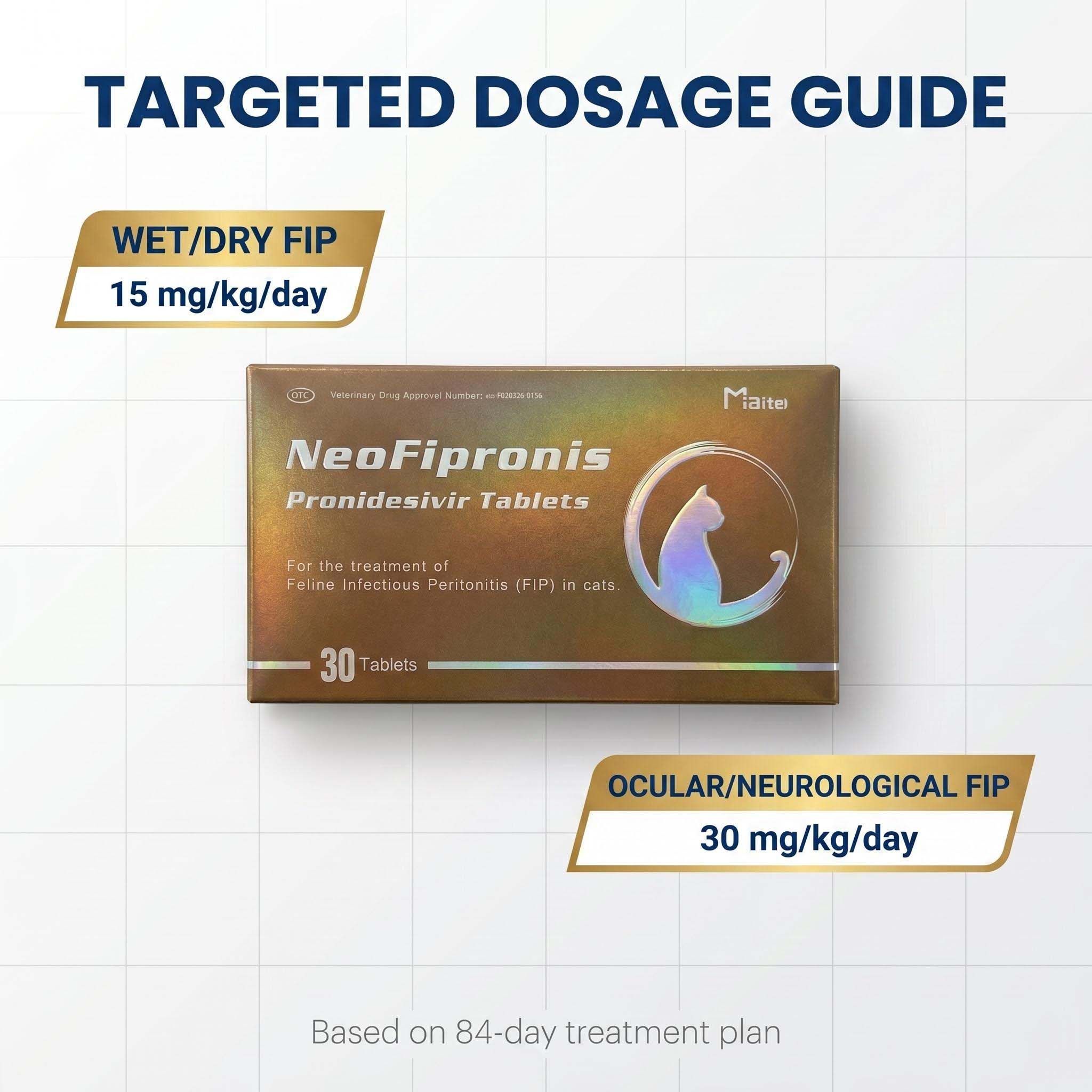
Determining the appropriate dosage of GS-441524 depends on various factors, including the cat's weight, disease severity, and response to treatment. Generally, the initial dosage is around 5 mg/kg administered subcutaneously or orally once daily. For some cases, especially during the early stages or severe infections, veterinarians may recommend a higher dose, such as 10 mg/kg, with adjustments based on clinical response.
It is vital to follow veterinary advice closely when administering GS-441524. A typical treatment course lasts between 12 to 24 weeks, with regular monitoring to assess response and detect any adverse effects.
Introduction of Miaite NeoFipronis (Pronidesivir)
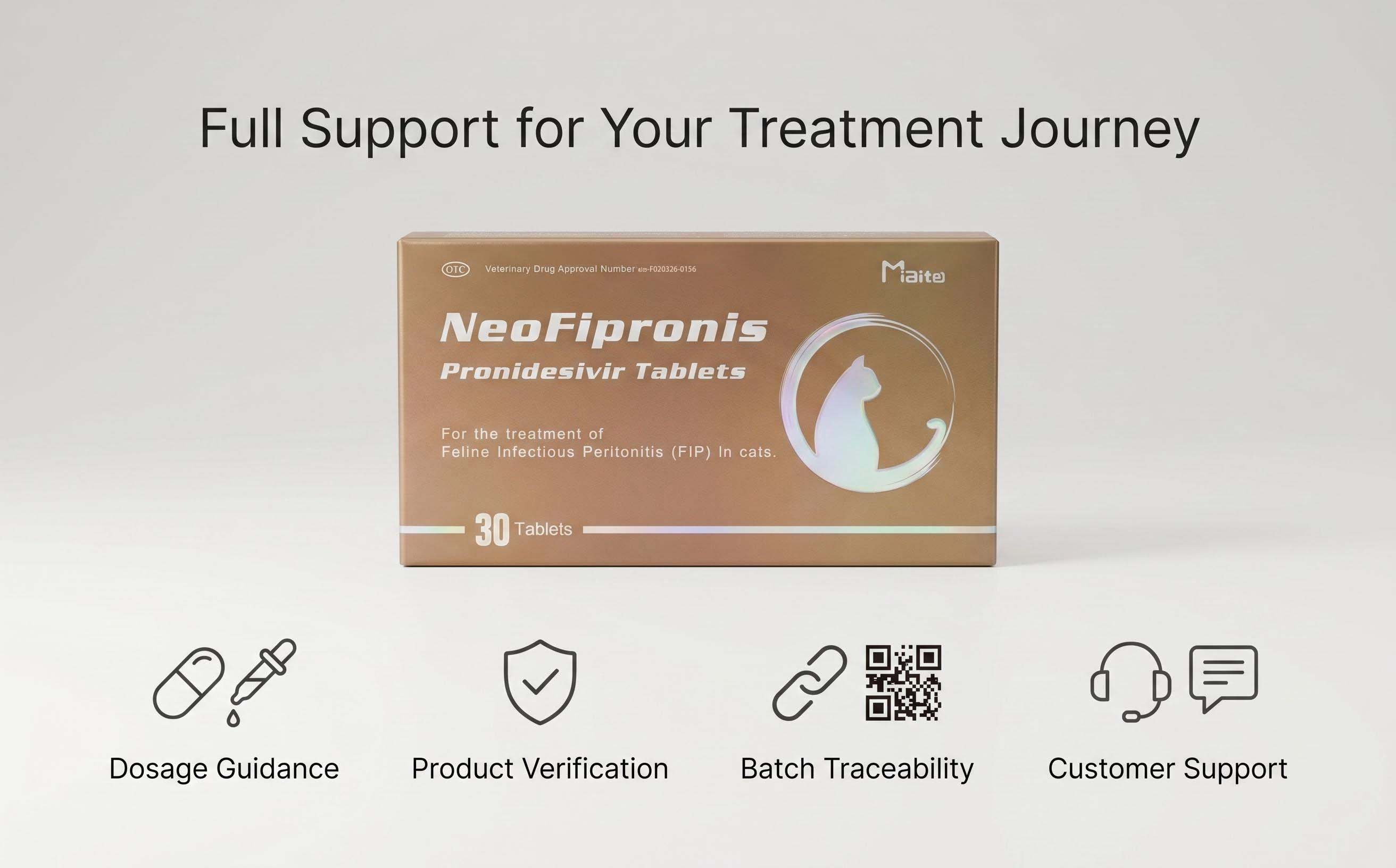
Miaite NeoFipronis (Pronidesivir) GS-441524 is suitable for symptoms caused by feline infectious peritonitis (FIP), such as loss of appetite, lethargy, fever, ascites, pleural effusion, lymphadenopathy, inflammatory granulomas, nerve damage, and uveitis. It has excellent therapeutic effects on FIP. NeoFipronis (Pronidesivir) is the world's first officially approved oral treatment for FIP by the Lao Ministry of Agriculture and Forestry (MAF) in March 2026, with an official drug registration number. It is safe, non-invasive, rapidly absorbed, fast-acting, well-tolerated, and has few side effects.
Administration Protocols and Monitoring
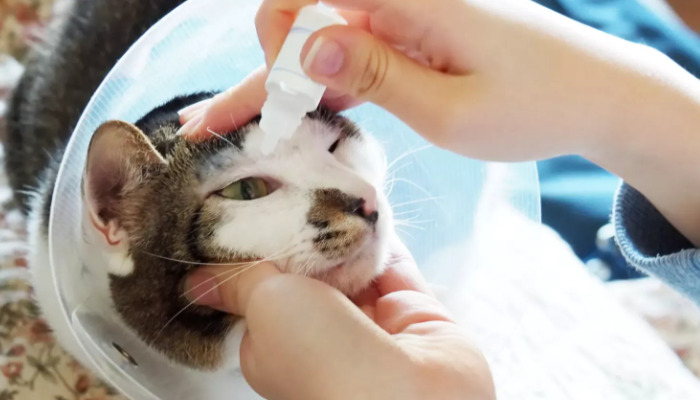
Administering GS-441524 via oral routes, especially with NeoFipronis, has simplified the treatment process, reducing the need for injections and improving compliance. Veterinarians recommend maintaining consistent dosing schedules—usually once daily—to ensure optimal absorption and effect. Regular blood tests are crucial during treatment to monitor liver and kidney functions and to catch any early signs of adverse effects.
Potential Side Effects and Precautions
Though generally well-tolerated, GS-441524 may cause mild side effects such as transient lethargy or injection site reactions when administered via injections. Oral formulations are associated with fewer side effects. Dosage adjustments may be necessary if side effects appear. It's essential to use recommended doses and not exceed prescribed durations to avoid toxicity.
Case Studies and Treatment Outcomes
Numerous case reports demonstrate that cats treated early with appropriately dosed GS-441524 can experience significant clinical improvement or complete remission. Cats displaying severe symptoms often require a prolonged treatment course and close veterinary supervision. The availability of NeoFipronis (Pronidesivir) as an approved oral medication further enhances the prospects of successful treatment, making adherence easier and improving quality of life for affected cats.
Future Perspectives in FIP Therapy
Ongoing research continues to refine dosing regimens and explore combination therapies to enhance efficacy. The approval of oral drugs like NeoFipronis marks a breakthrough, promising more accessible and less invasive treatment options for cat owners. Although treatment protocols vary between individual cases, a common goal remains—achieving complete recovery while minimizing side effects.
Conclusion
Proper dosing of GS-441524 is pivotal in managing FIP effectively. Typically, doses range from 5 mg/kg to 10 mg/kg daily, tailored according to the severity and response. With the advent of orally administered NeoFipronis, treatment has become more straightforward and accessible, offering hope to many cat owners. Always consult a veterinarian for diagnosis, dosing advice, and monitoring throughout the treatment process to ensure the best possible outcome for cats battling FIP.
References
“Feline Infectious Peritonitis: Pathogenesis and Treatment”
“Clinical Pharmacology of GS-441524 in Cats”
“NeoFipronis (Pronidesivir): A New oral therapy for FIP approved by Lao MAF”
“Case Studies on GS-441524 Treatment Outcomes in FIP Cats”
“Advances in FIP Therapy: From Injection to Oral Medications”