How Much Does GS-441524 Treatment Cost for a Cat
Feline Infectious Peritonitis (FIP) is one of the most challenging and devastating diseases affecting cats worldwide. Caused by a mutated form of the feline coronavirus, FIP can lead to severe health issues, including abdominal and chest fluid accumulation, neurological problems, and ocular inflammation. Until recently, FIP was considered almost universally fatal, leaving pet owners desperate for effective treatment options. However, recent developments in antiviral therapies, particularly GS-441524, have revolutionized the prognosis for cats diagnosed with FIP.
Understanding Feline Infectious Peritonitis (FIP)
FIP manifests in two main forms: wet (effusive) and dry (non-effusive). The wet form involves accumulation of fluid in the abdomen or chest, leading to difficulty breathing, abdominal distension, and lethargy. The dry form presents with granulomas in various organs, neurological symptoms, or eye problems. Both forms progressively deteriorate without effective intervention.
Traditional treatments for FIP were limited, with most options being supportive and palliative. The development of antiviral drugs like GS-441524 offers a promising solution to this previously incurable disease.
What is GS-441524?
GS-441524 is a nucleoside analog that inhibits the replication of the feline coronavirus responsible for FIP. It has demonstrated remarkable efficacy in clearing the virus, leading to remission in many treated cats. While initially used as an investigational drug, the rising demand and promising results have led to the development and approval of related formulations.
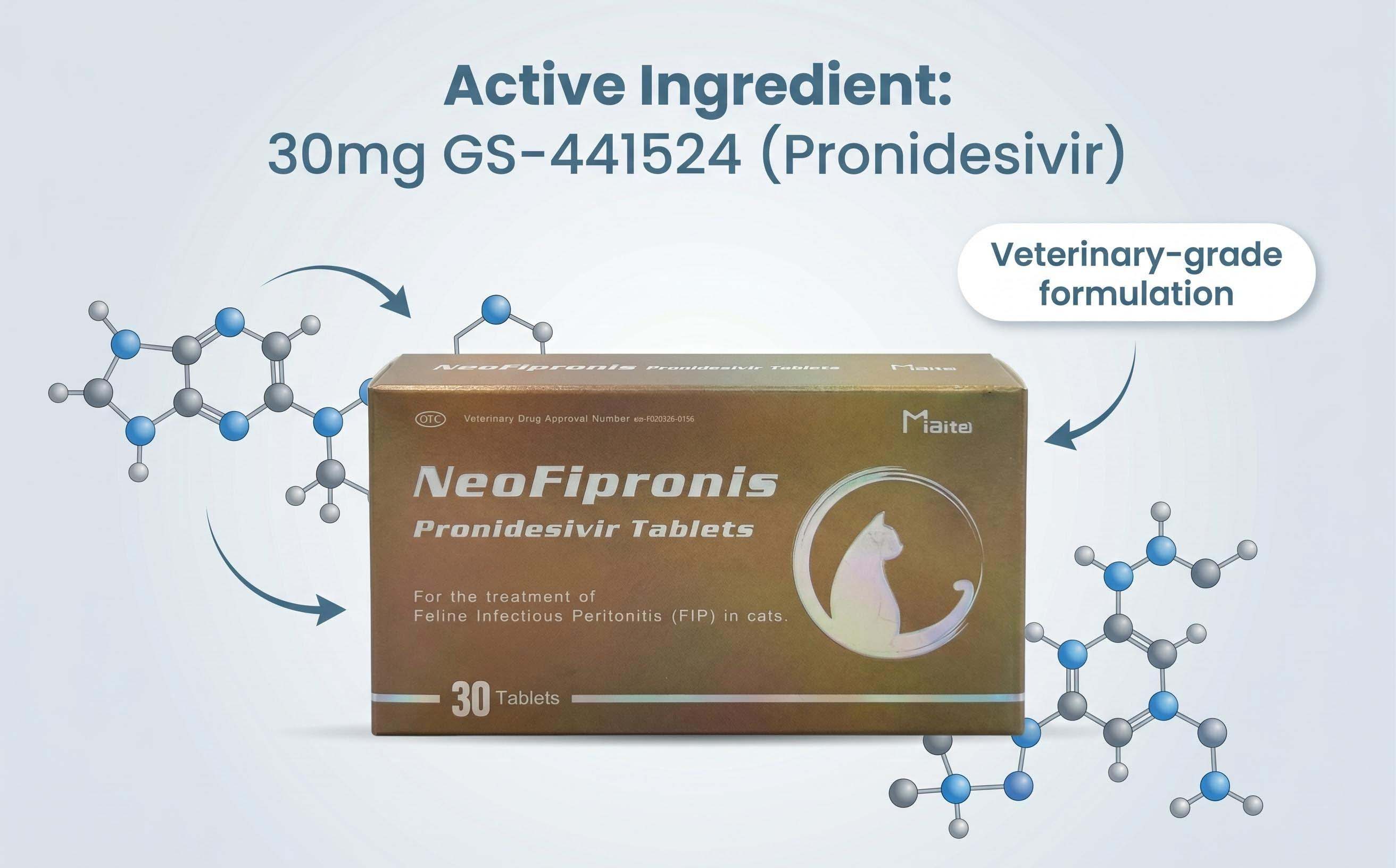
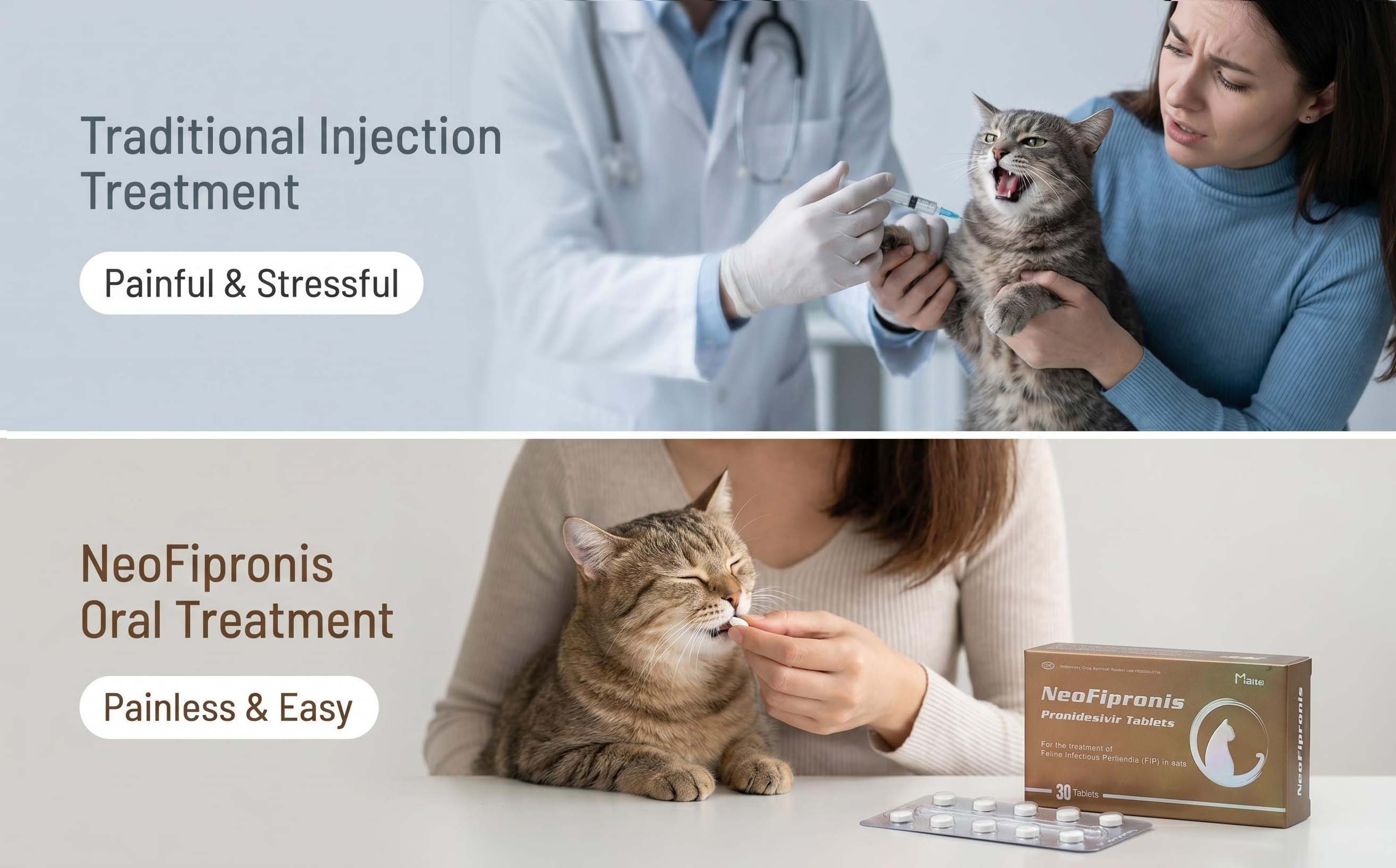
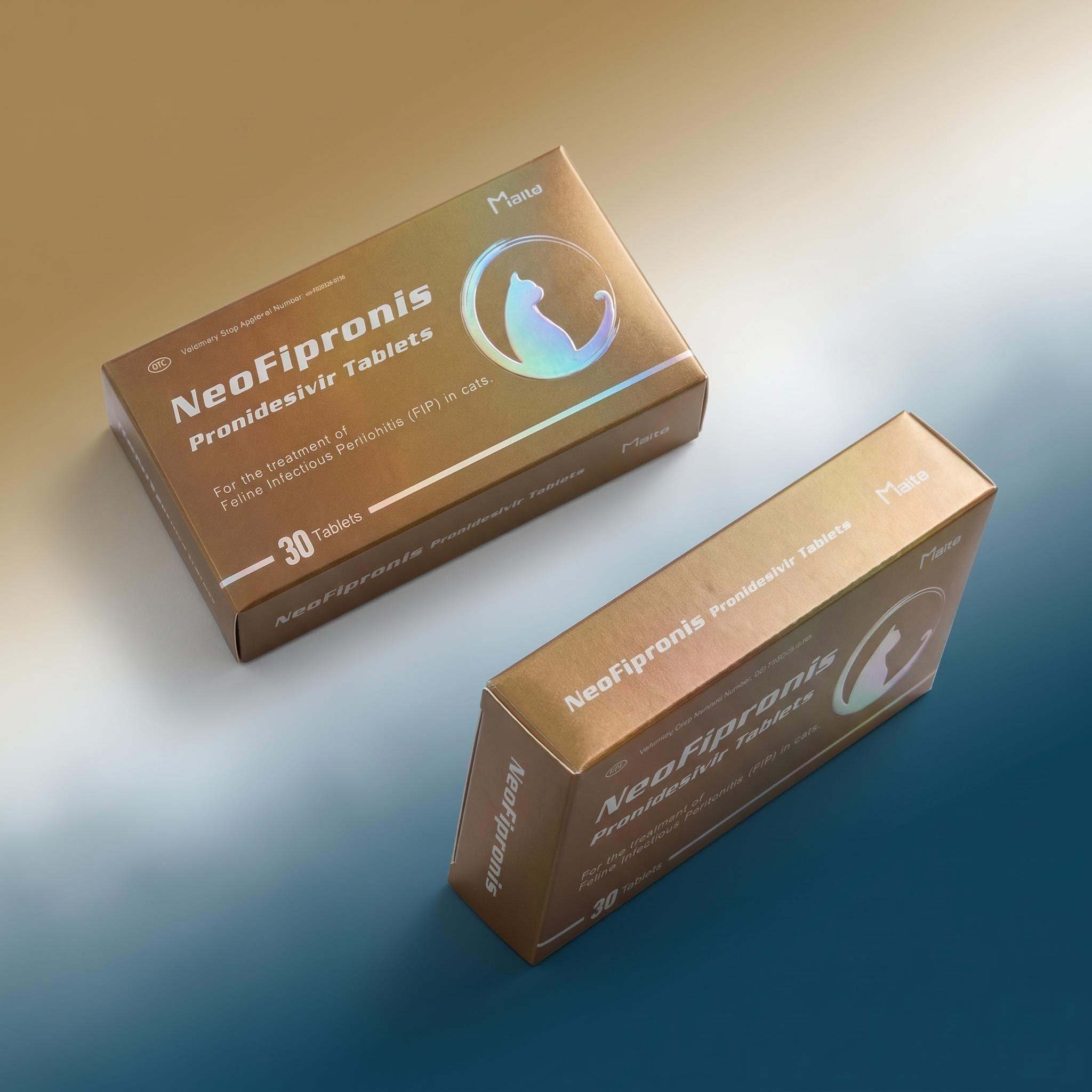
Miaite NeoFipronis (Pronidesivir): The New Standard
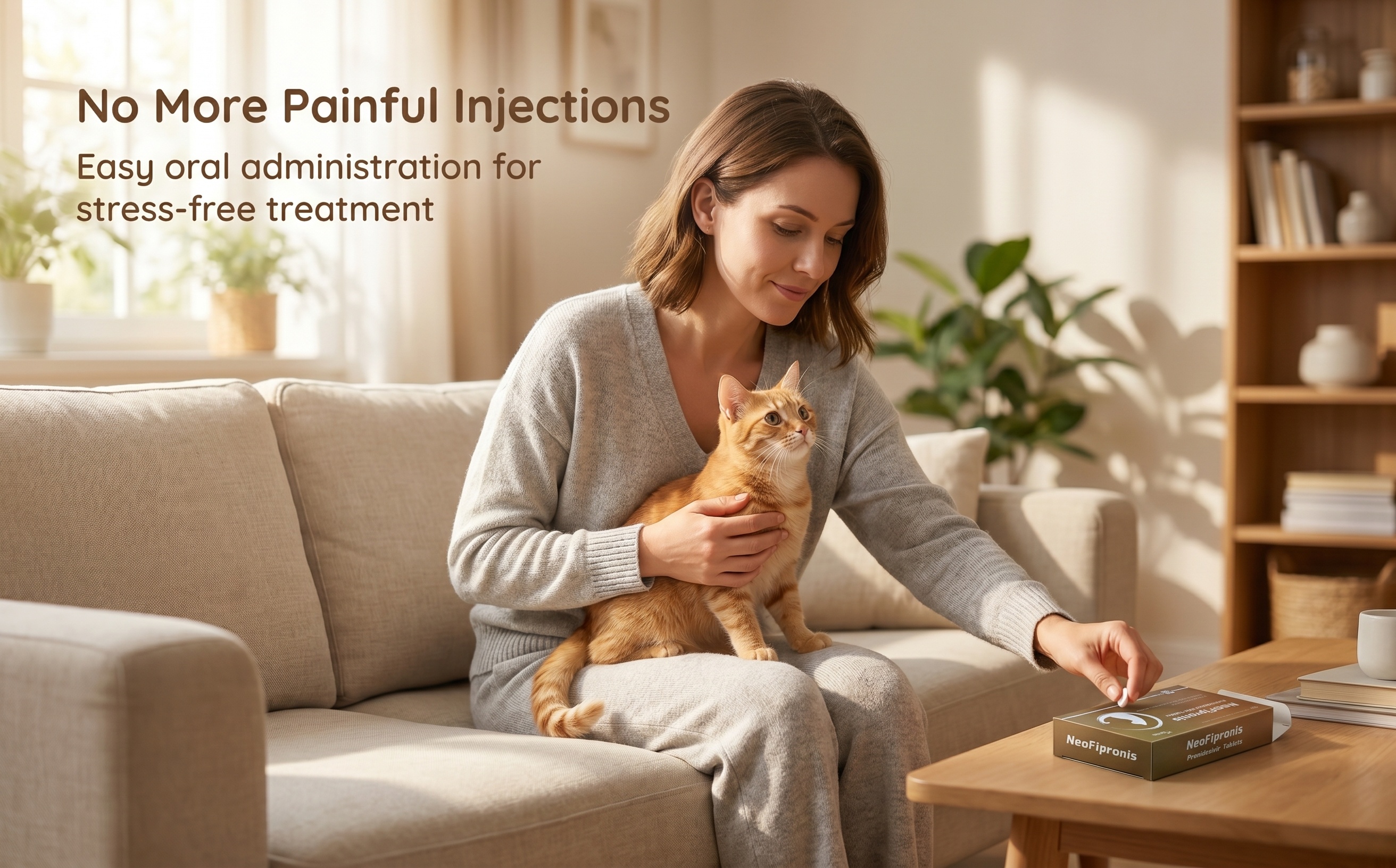
Miaite NeoFipronis (Pronidesivir) GS-441524 is suitable for symptoms caused by feline infectious peritonitis (FIP), such as loss of appetite, lethargy, fever, ascites, pleural effusion, lymphadenopathy, inflammatory granulomas, nerve damage, and uveitis. It has excellent therapeutic effects on FIP. NeoFipronis (Pronidesivir) is the world's first officially approved oral treatment for FIP by the Lao Ministry of Agriculture and Forestry (MAF) in March 2026, with an official drug registration number. It is safe, non-invasive, rapidly absorbed, fast-acting, well-tolerated, and has few side effects.
Cost Components of GS-441524 Treatment
The cost of GS-441524 treatment varies based on several factors, including the dosage regimen, treatment duration, the source of the drug, and geographic location:
Drug Price: The primary expense is the medication itself. As of 2026, the price of GS-441524 per vial ranges from $60 to $120 USD, depending on the supplier and purity. The total dosage required for a typical FIP treatment course can involve multiple vials, often ranging from 3 to 20 or more, depending on the severity and response.
Treatment Duration: Most cats require a 12- to 16-week treatment course. Longer treatments with higher doses naturally increase costs.
Veterinary Consultations: Regular veterinary visits for diagnosis, monitoring, and adjusting dosages are necessary. Consultation fees may add approximately $50 to $150 per visit.
Additional Medications and Support: Supplements, anti-inflammatory drugs, fluids, and nutritional support may also contribute to total expenses.
Geographic Variations: Treatment costs can vary significantly across countries and regions due to availability, regulations, and import duties.
Estimating the Total Cost
Based on current market data and treatment protocols:
Average Cost Range: The total cost for a complete GS-441524 treatment course for a cat typically ranges from $1,500 to $4,500 USD.
Breakdown: For a standard 16-week treatment, the overall drug cost might be approximately $900 to $2,400, with veterinary consultations adding another $400 to $900, and supplementary medications possibly reaching $200 to $500.
Variable Factors: Cats with severe symptoms requiring higher doses or prolonged treatment may face higher costs. Conversely, early diagnosis and prompt treatment can sometimes reduce overall expenses.
Factors Influencing Cost Variability
Quality of the Drug: Authentic, pharmaceutical-grade GS-441524 from reputable sources ensures safety and efficacy but may come at a higher price.
Treatment Monitoring: Frequent blood tests and imaging for monitoring disease progression can increase costs.
Follow-up Care: Post-treatment testing to confirm remission and prevent relapse adds to the overall expense.
Location: Countries with stricter drug regulations or limited supply may see higher prices and fewer options.
Financial Considerations and Access
Given the high cost of treatment, many pet owners face financial stress. Some veterinary clinics and organizations offer payment plans or financial assistance programs. Additionally, as the drug becomes more widely available and manufacturing scales up, costs are expected to decrease over time.
Conclusion
While GS-441524 represents a significant advancement in FIP treatment, the financial aspect remains a barrier for many pet owners. Carefully considering the total costs—including medication, veterinary care, and supportive therapies—is essential when making treatment decisions. Early intervention and choosing reputable sources for the medication can optimize outcomes and potentially reduce overall expenses.
For cat owners facing FIP, consulting with a veterinarian experienced in antiviral therapies is crucial. They can help develop a tailored treatment plan, estimate costs accurately, and explore financing options if needed.
References
1. Veterinary Medicine Journal – "Antiviral Therapy for Feline Infectious Peritonitis"
2. Journal of Feline Medicine and Surgery – "Efficacy and Cost Analysis of GS-441524 in FIP Treatment"
3. International Cat Health Association – "Advances in FIP Management and Treatment Costs"
4. Lao Ministry of Agriculture and Forestry Official Publication – "Approval and Registration of NeoFipronis (Pronidesivir) for FIP"
5. PetOwner Economics Review – "Cost-Benefit Analysis of FIP Treatments in Different Regions"