How Much Does a Full Course of NeoFipronis (GS-441524) Treatment Cost
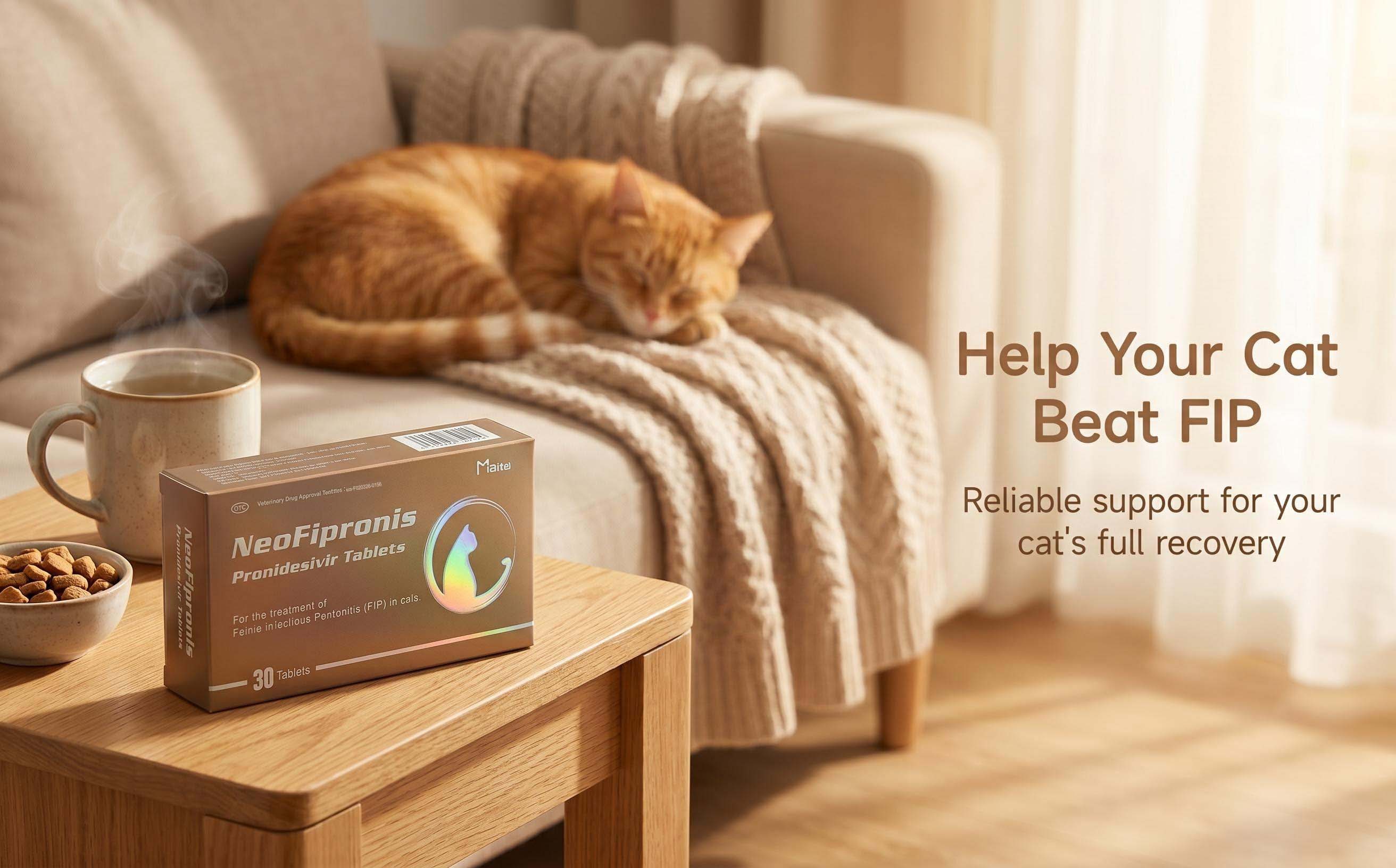
Feline Infectious Peritonitis (FIP), a deadly disease caused by a mutated coronavirus, has long challenged cat owners and veterinarians alike. Recent advances have introduced NeoFipronis (Pronidesivir), a groundbreaking oral treatment with proven efficacy against FIP. The active ingredient, GS-441524, offers a promising solution for cats suffering from symptoms like loss of appetite, lethargy, fever, fluid accumulation in the abdomen and chest, lymphadenopathy, inflammatory granulomas, neurological damage, and uveitis. Since its approval in March 2026 by the Laos Ministry of Agriculture and Forestry (MAF), NeoFipronis has become the first officially registered FIP treatment, providing hope to countless feline patients worldwide.
NeoFipronis is known for its safety, rapid absorption, and minimal side effects. Administered orally, it is a non-invasive option preferred by many pet owners. The medication is typically prescribed based on the cat’s weight, with a standard dosage of 15 mg per kilogram once daily. For neurological or ocular FIP cases, veterinarians may increase the dosage to 30 mg/kg. The treatment requires continuous administration for at least 12 weeks, emphasizing the importance of adherence to prescribed regimens to ensure complete viral clearance and recovery.
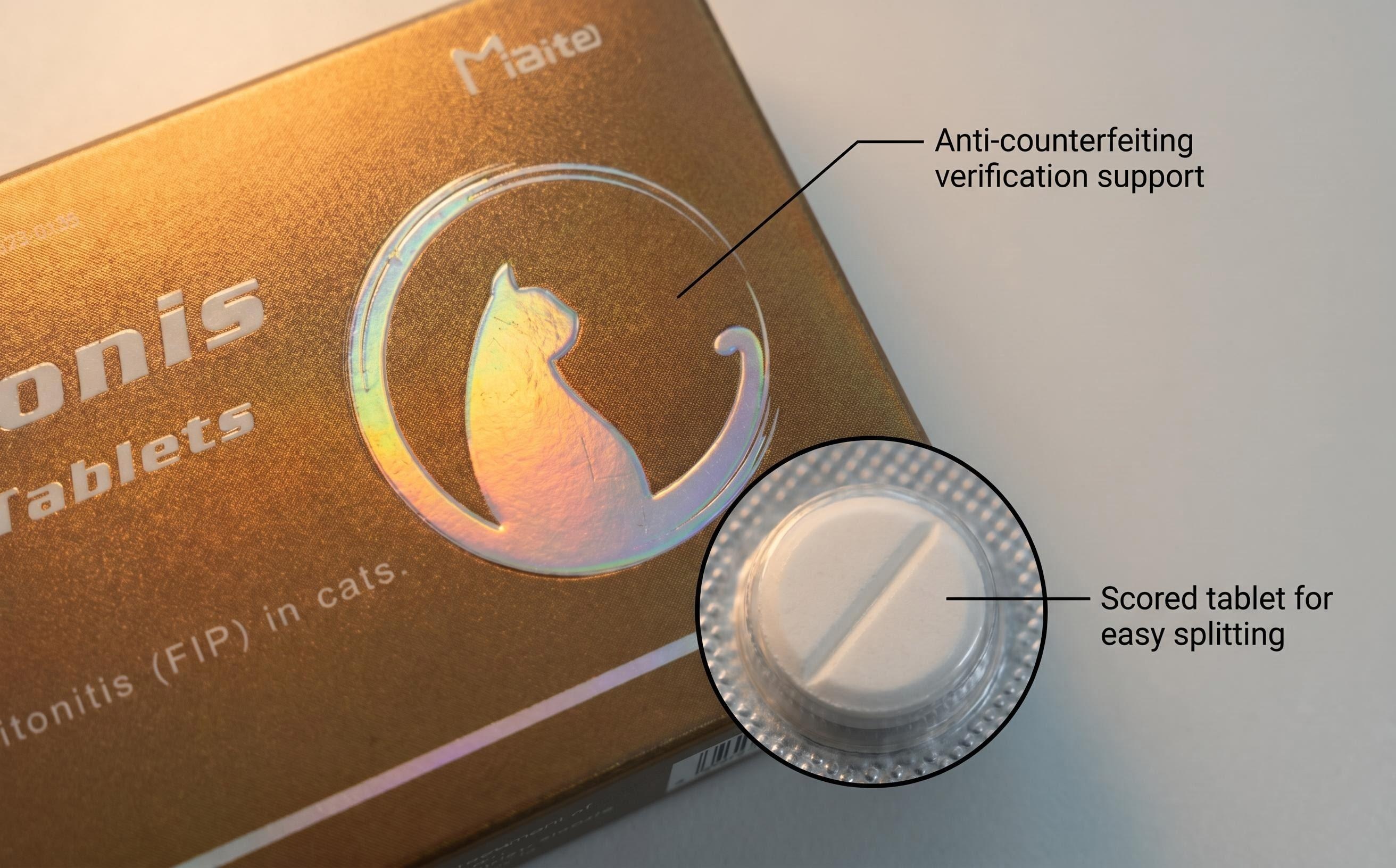
The cost of a full course of NeoFipronis varies significantly depending on several factors. Primarily, it depends on the weight of the cat and the required dosage. The medication is supplied in pre-measured doses, usually in tablet form, with half tablets for standard dosing and whole tablets for higher doses. As a rough estimate, the cost per tablet ranges from $20 to $50, depending on the supplier and region. Given the recommended duration of at least 12 weeks, the total expense can add up.
For an average cat weighing 4-5 kg, the total medication needed over 12 weeks could be approximately 84 to 126 tablets, translating to a cost range between $1,680 and $6,300. Cats requiring higher doses or with more severe symptoms might need extended treatment or increased dosages, further elevating costs. While NeoFipronis is technically a non-prescription drug, veterinary supervision is strongly advised to monitor treatment progress and minimize risks, which may add consultation fees.
Availability and pricing also depend on the purchasing source. NeoFipronis should be acquired from official websites or authorized distributors to ensure product authenticity and safety. Some regions may import the medication, which could involve additional shipping or customs fees, impacting overall costs. Bulk purchases or treatment kits might offer discounts, reducing the per-dose expense.
In some regions, there are compassionate or subsidized programs for pet owners facing financial difficulties, especially for life-saving treatments like NeoFipronis. It is essential to consult with a licensed veterinarian to develop an individualized treatment plan and explore financial options.
In conclusion, the cost of treating FIP with NeoFipronis can be substantial but varies widely based on individual circumstances. The total investment, often ranging from a few thousand dollars to over six thousand dollars for a full 12-week course, reflects the importance of early diagnosis, strict adherence to prescribed therapy, and ongoing veterinary monitoring. Despite the expense, NeoFipronis represents a significant breakthrough in feline medicine, offering many cats the chance for recovery from a once-fatal disease. Pet owners are encouraged to research thoroughly, consult qualified vets, and purchase from reputable sources to ensure the best outcomes for their feline friends.