GS-441524 (NeoFipronis) Dosage and Side Effects
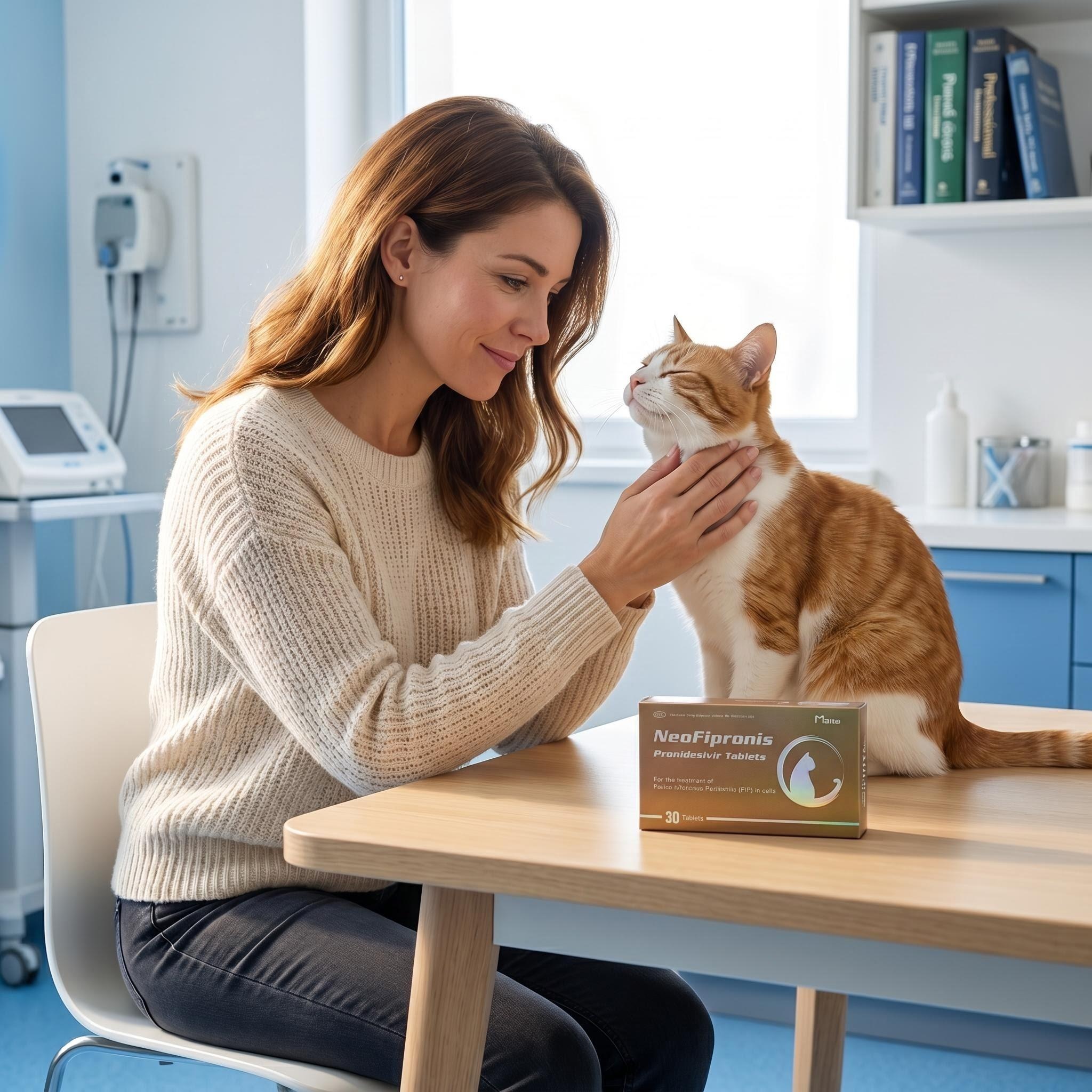
Feline Infectious Peritonitis (FIP) remains one of the most challenging viral diseases affecting cats worldwide. Caused by a mutation of the feline coronavirus, FIP manifests through symptoms like loss of appetite, lethargy, fever, abdominal or chest fluid accumulation, lymphadenopathy, granulomatous inflammation, neurological impairments, and uveitis. Recent breakthroughs have introduced GS-441524, the active component of NeoFipronis (Pronidesivir), as an effective antiviral treatment with proven clinical success against FIP.
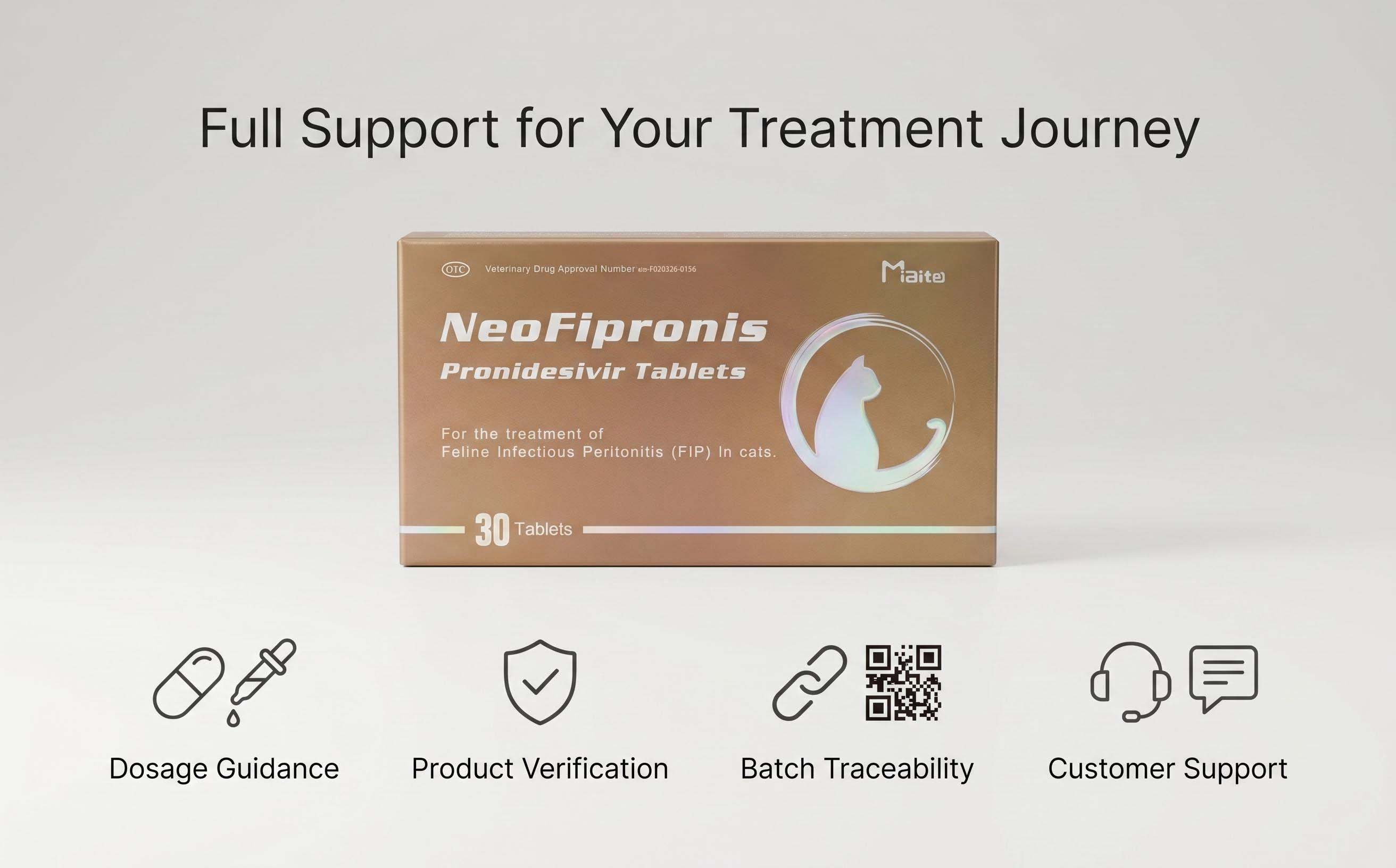
NeoFipronis (Pronidesivir) was officially approved by the Ministry of Agriculture and Forestry of Laos (MAF) in March 2026. It is the first orally administered drug specifically licensed for FIP treatment, with official registration number. The medication is characterized by its safety profile, non-invasive administration, rapid absorption, and quick onset of action. The high tolerability and minimal side effects make NeoFipronis an attractive option for pet owners and veterinarians aiming to combat FIP effectively.
The cornerstone of NeoFipronis’s efficacy lies in its active ingredient, GS-441524. This nucleoside analog interferes with viral RNA replication, thereby inhibiting the proliferation of the feline coronavirus and preventing the progression of FIP. Extensive research and clinical trials have demonstrated GS-441524's superior antiviral activity, especially in reducing inflammatory lesions, resolving effusions, and improving neurological and ocular symptoms.
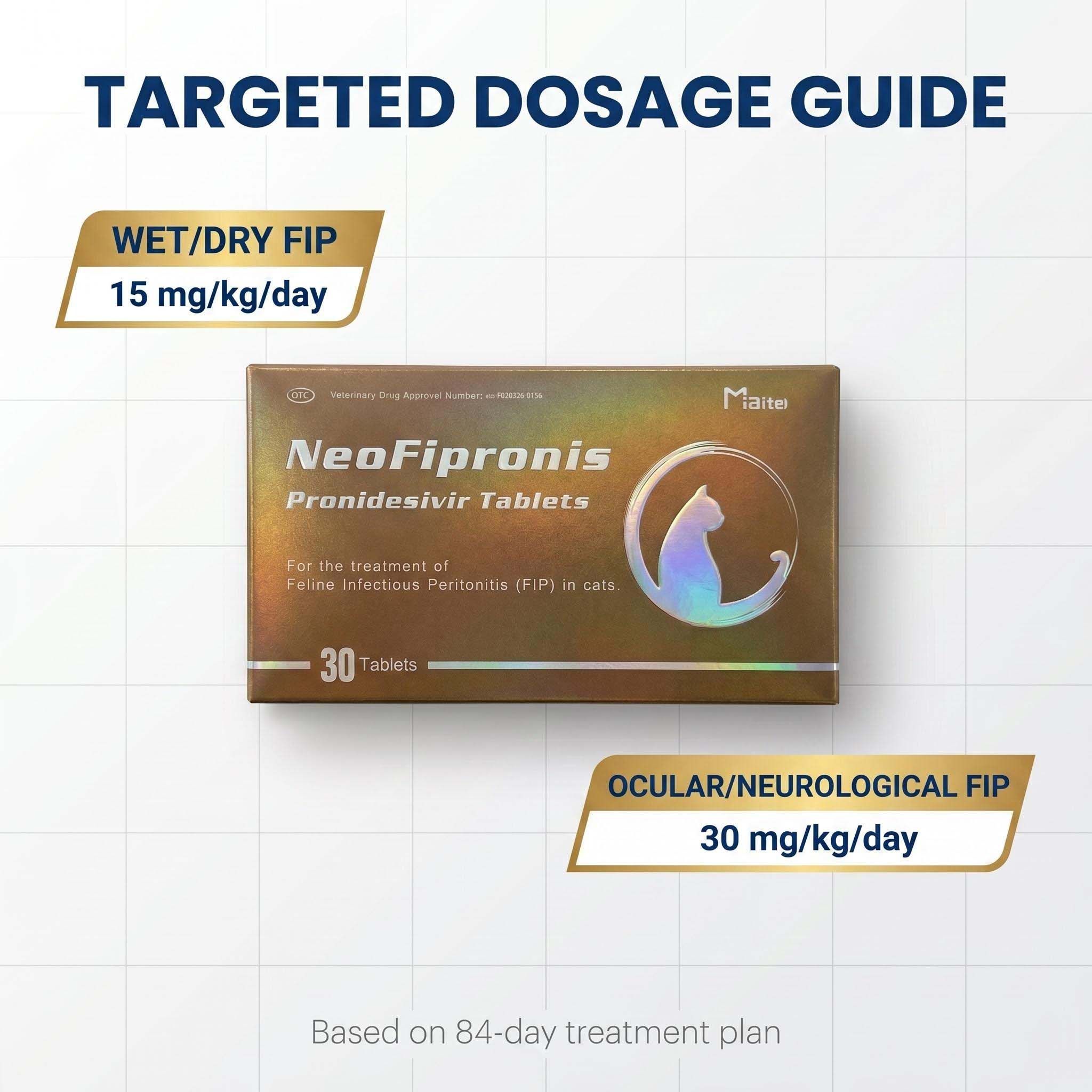
Dosage guidelines for cats depend primarily on weight. The standard dose is 15 mg per kilogram of body weight, approximately half a tablet. In cases with neurological or ocular FIP, the dose may be increased to 30 mg/kg as per veterinarian’s advice. Administering the medication once daily on an empty stomach—either one hour before feeding or two hours after—ensures optimal absorption. Consistency in medication intake is crucial, with a treatment course that usually spans no less than 12 weeks. It is vital that no doses are missed, as inconsistent therapy can undermine treatment efficacy and promote viral resistance.
Monitoring during treatment is essential. Owners should observe any changes in appetite, body temperature, or behavior, and schedule regular veterinary examinations. Periodic blood tests to evaluate liver and kidney functions can prevent potential adverse effects. While NeoFipronis is classified as an over-the-counter medication in some regions, it is strongly recommended that treatment be supervised or guided by a licensed veterinarian to ensure safety and proper dosage adjustments.
Side effects associated with NeoFipronis are generally mild and infrequent. Some cats may experience transient gastrointestinal upset, such as vomiting or diarrhea, especially during initial treatment phases. Allergic reactions are rare but possible. Close monitoring during the first few weeks is advisable. In rare cases, elevated liver enzymes may occur, necessitating dose adjustments or temporary discontinuation. Overall, NeoFipronis’s safety profile remains favorable, especially when used as directed.
It is important to emphasize that NeoFipronis is exclusively formulated for feline use, with no application for humans. Pet owners should only purchase the medication from verified sources via the NeoFipronis official website to ensure product authenticity and quality. Proper storage—keeping the medication at room temperature away from direct sunlight—also preserves drug efficacy.
In conclusion, NeoFipronis (Pronidesivir), containing GS-441524, offers a groundbreaking, effective, and safe oral treatment for cats suffering from FIP. Its ease of administration, rapid action, and minimal side effects have transformed the landscape of FIP management. Veterinarians and pet owners who follow the recommended dosage and treatment protocols can significantly improve the prognosis for affected cats, providing hope where once there was little.