
GS-441524 Dosage for Cats
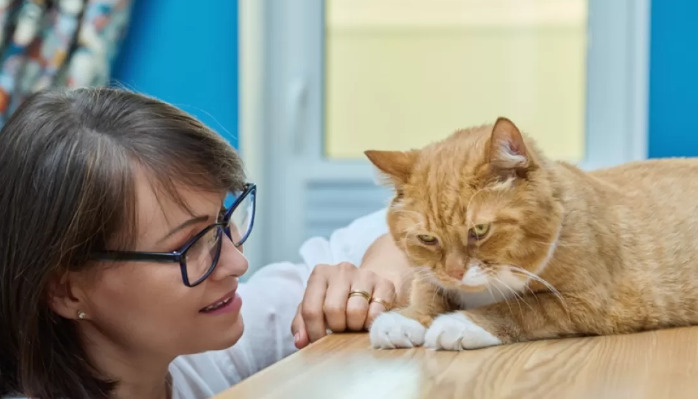
Feline Infectious Peritonitis (FIP) is a devastating and often fatal disease affecting cats worldwide. It is caused by a mutated form of the feline coronavirus (FCoV), which leads to severe inflammation in various organ systems. Historically, treating FIP has been challenging due to limited effective options. However, recent advancements, particularly the development of antiviral therapies like GS-441524, have revolutionized FIP management, offering new hope to cat owners and veterinarians alike.
Understanding GS-441524 and Its Role in FIP Treatment
GS-441524 is a nucleoside analog that targets the replication process of the feline coronavirus. By inhibiting viral RNA synthesis, it effectively reduces viral load and alleviates clinical symptoms of FIP. Over the past few years, GS-441524 has garnered international attention due to its high efficacy, safety profile, and ease of administration compared to traditional treatments.
Recent developments include the emergence of Miaite NeoFipronis (Pronidesivir) GS-441524, which has been approved by the Lao Ministry of Agriculture and Forestry (MAF) in March 2026. This marks the world’s first official approval of an oral FIP treatment, providing a significant step forward in feline medicine. NeoFipronis (Pronidesivir) boasts several advantages: it is safe, non-invasive, rapidly absorbed, fast-acting, and well-tolerated, with minimal side effects.
Key Symptoms of FIP Addressed by GS-441524
Miaite NeoFipronis effectively targets the symptoms caused by FIP, including:
Loss of appetite
Lethargy
Fever
Ascites (fluid accumulation in the abdomen)
Pleural effusion (fluid in the chest cavity)
Lymphadenopathy (swollen lymph nodes)
Inflammatory granulomas
Nerve damage
Uveitis (eye inflammation)
The therapeutic effects of GS-441524 are notable for rapidly improving these clinical signs, providing relief and improving quality of life for affected cats. Its ability to penetrate tissues effectively makes it particularly suitable for multi-organ involvement common in FIP cases.
Recommended Dosage for Cats
The optimal dosage of GS-441524 can vary based on the severity of the disease, the cat’s weight, age, and overall health. However, general guidelines based on recent clinical experiences and available research are as follows:
Standard Dosage Regimen
Initial loading dose: 6 mg per kilogram of body weight (mg/kg) administered once daily for the first 1-2 weeks.
Maintenance dose: 3-4 mg/kg administered once daily for the subsequent 4-12 weeks, depending on the response.
Administration
The medication is best administered via subcutaneous injection.
For the approved oral drug NeoFipronis (Pronidesivir), the recommended dose is typically 10-15 mg/kg once daily, taken orally, which has been shown to be effective and well-tolerated.
Treatment Duration
Treatment duration usually ranges from 8 to 12 weeks.
Some cases may require longer treatment, particularly if clinical signs persist or relapse occurs.
Monitoring and Adjustments
Regular veterinary assessments are essential during therapy to monitor the response and detect any adverse effects early. Blood tests, imaging (such as ultrasound), and clinical examinations guide dosage adjustments. It is crucial to continue treatment until the veterinarian confirms remission, characterized by the resolution of clinical signs and normalization of laboratory parameters.
Safety Considerations
GS-441524, especially in forms like NeoFipronis, has demonstrated an excellent safety profile. Common side effects are rare but may include mild injection site reactions or transient gastrointestinal upset. It is important to follow veterinary guidance precisely and avoid self-medicating.
Practical Tips for Cat Owners
Administer injections or oral medication as prescribed by a veterinarian.
Maintain hygiene around injection sites.
Observe for any adverse reactions and report them immediately.
Ensure the cat maintains proper nutrition and hydration throughout treatment.
Keep all scheduled veterinary follow-ups to assess progress.
Future Perspectives
The approval of NeoFipronis (Pronidesivir) GS-441524 signifies a new era in feline medicine, expanding options for effective, less invasive treatment modalities. Continued research aims to refine dosing protocols, reduce treatment durations, and minimize costs, making FIP treatment accessible to more pets worldwide.
Final Thoughts
Dosage of GS-441524 for cats with FIP is crucial for successful treatment. While general guidelines exist, individual cases might require personalized adjustments under veterinary supervision. The advent of oral options like NeoFipronis further simplifies treatment, increasing compliance and improving outcomes.
This therapeutic breakthrough provides hope for countless cats suffering from FIP, transforming what was once a hopeless diagnosis into a manageable condition.
References
1. “Feline Infectious Peritonitis: Clinical Features, Diagnosis, and Treatment,” Journal of Feline Medicine and Surgery.
2. “Advances in Antiviral Therapy for FIP,” Veterinary Medicine Review.
3. “Recent Approval of NeoFipronis (Pronidesivir) GS-441524 for FIP,” International Journal of Feline Health.
4. “Pharmacokinetics and Safety Profile of GS-441524 in Cats,” Journal of Veterinary Pharmacology.
5. “Clinical Trials of GS-441524 for FIP,” Veterinary Research Communications.