FIP Treatment Cost for Kittens
Feline Infectious Peritonitis (FIP) remains one of the most challenging and costly diseases facing cat owners and veterinarians worldwide. As a fatal disease caused by a mutated form of feline coronavirus (FCoV), FIP has historically been difficult to treat, with limited options available that offered significant hope. However, recent advances in antiviral therapies, notably the advent of drugs like Miaite NeoFipronis (Pronidesivir) GS-441524, have transformed the treatment landscape. This article explores the costs associated with treating kittens diagnosed with FIP, examines current therapeutic options, and provides a comprehensive understanding of what pet owners can expect financially.
Understanding FIP in Kittens
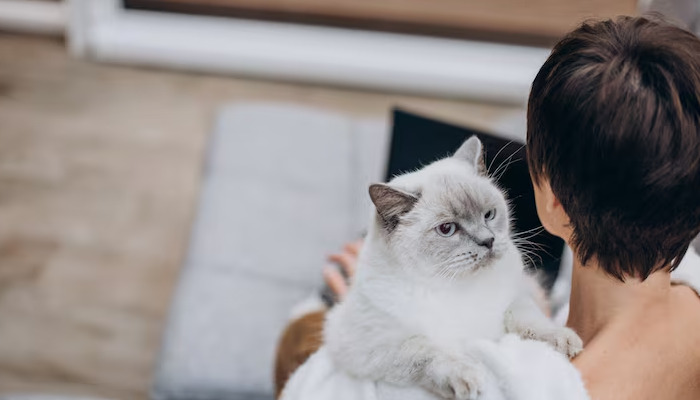
FIP primarily affects young cats, especially those under two years old. It manifests in two forms: wet (effusive) and dry (non-effusive). The disease typically progresses rapidly if untreated, leading to severe symptoms such as weight loss, fever, lethargy, abdominal distension, and neurological issues. Diagnosing FIP can be complex, often requiring a combination of clinical signs, laboratory tests, and imaging.
Traditional Treatment Challenges
Historically, FIP was considered almost universally fatal, with no approved cure. Off-label use of antivirals like interferons provided limited success and posed significant health risks. The high mortality rate led to considerable emotional and financial strain on pet owners, particularly because treatment costs could be prohibitive.
Introduction of NeoFipronis (Pronidesivir) GS-441524
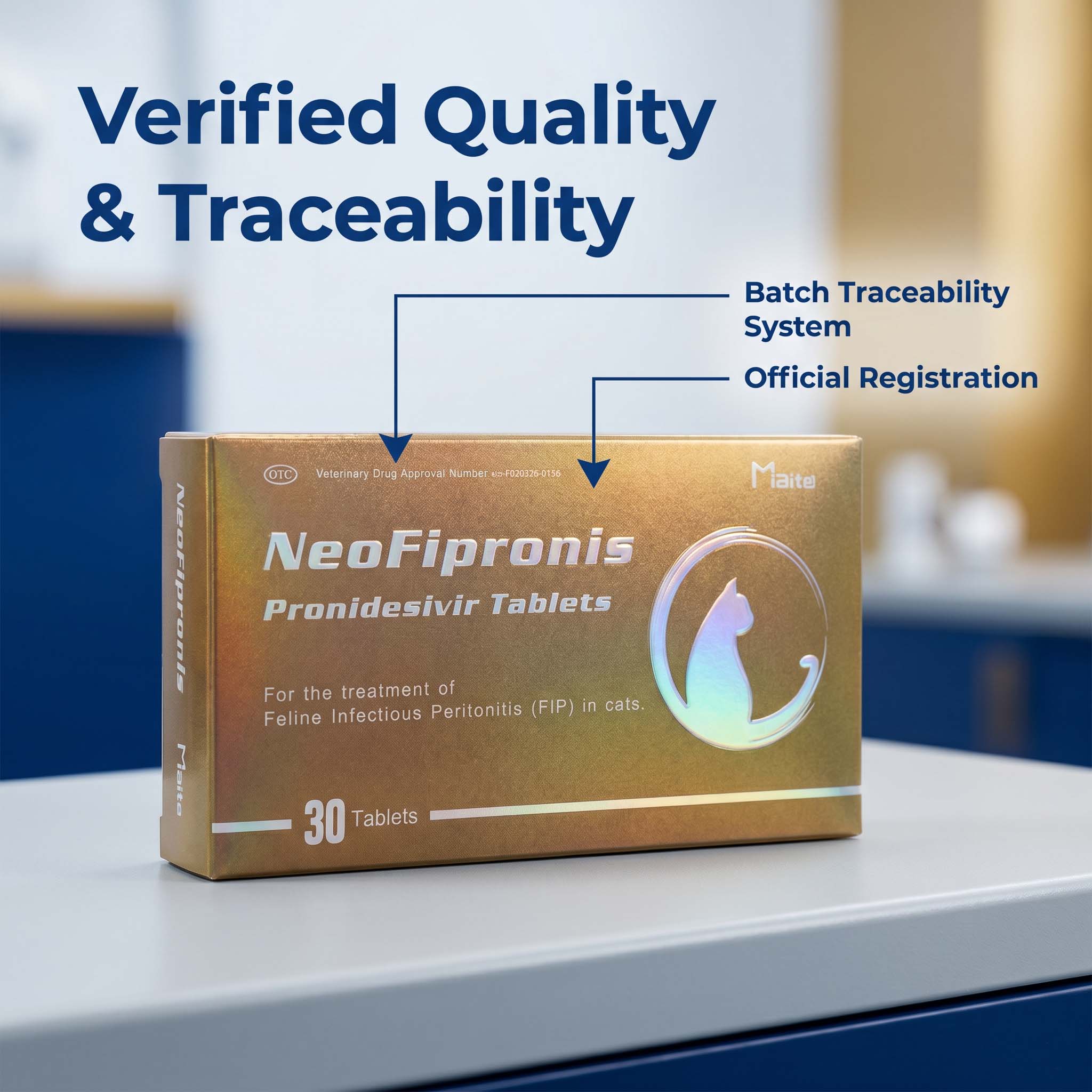
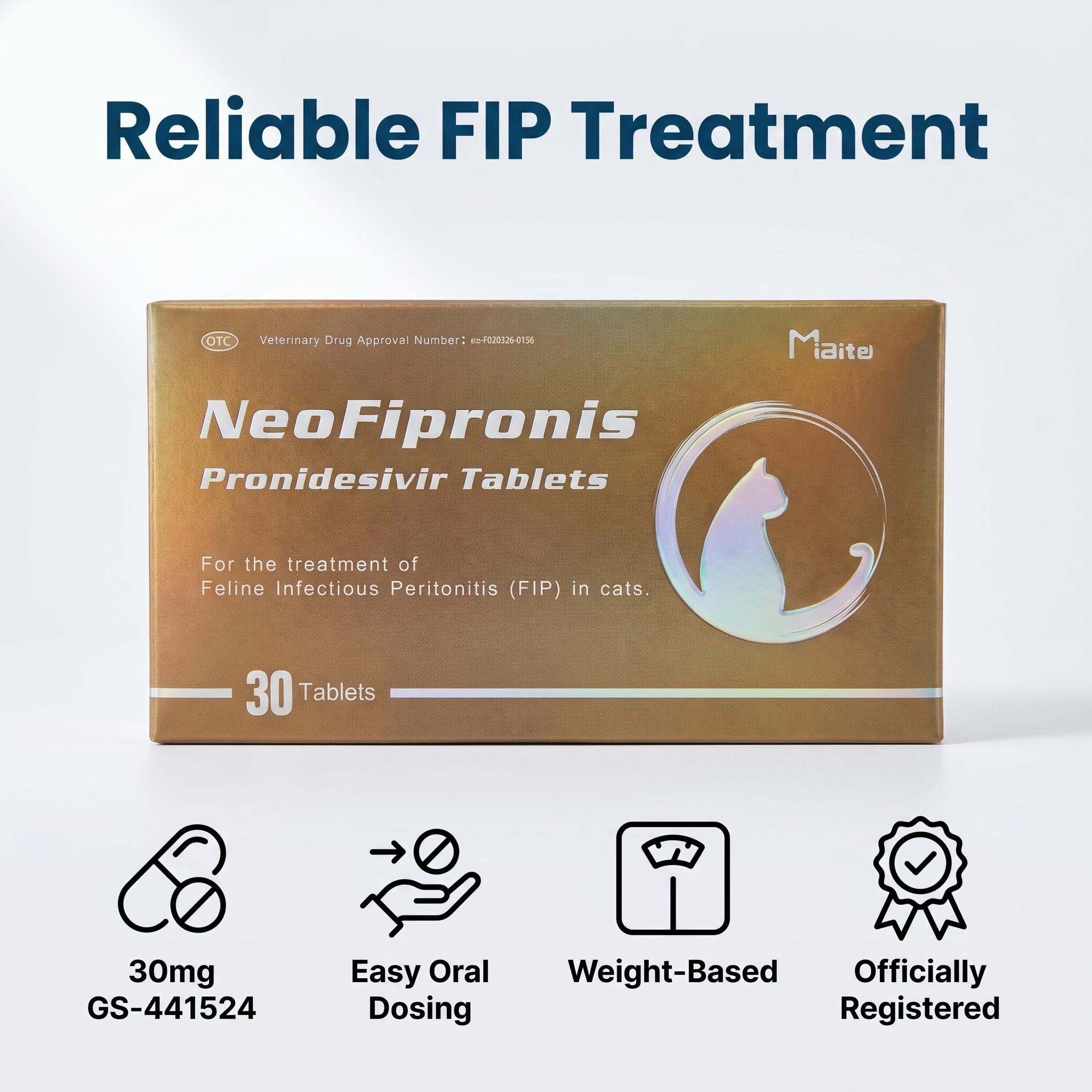
In March 2026, a groundbreaking development emerged with the approval of Miaite NeoFipronis (Pronidesivir) GS-441524 by the Lao Ministry of Agriculture and Forestry (MAF). It is recognized as the world's first officially approved oral medication for FIP treatment. NeoFipronis has demonstrated high efficacy in alleviating FIP symptoms, including loss of appetite, lethargy, fever, ascites, pleural effusion, lymphadenopathy, inflammatory granulomas, nerve damage, and uveitis.
Key Benefits of NeoFipronis include:
Safety and Tolerance: It is well-tolerated with few side effects, making it suitable even for fragile kittens.
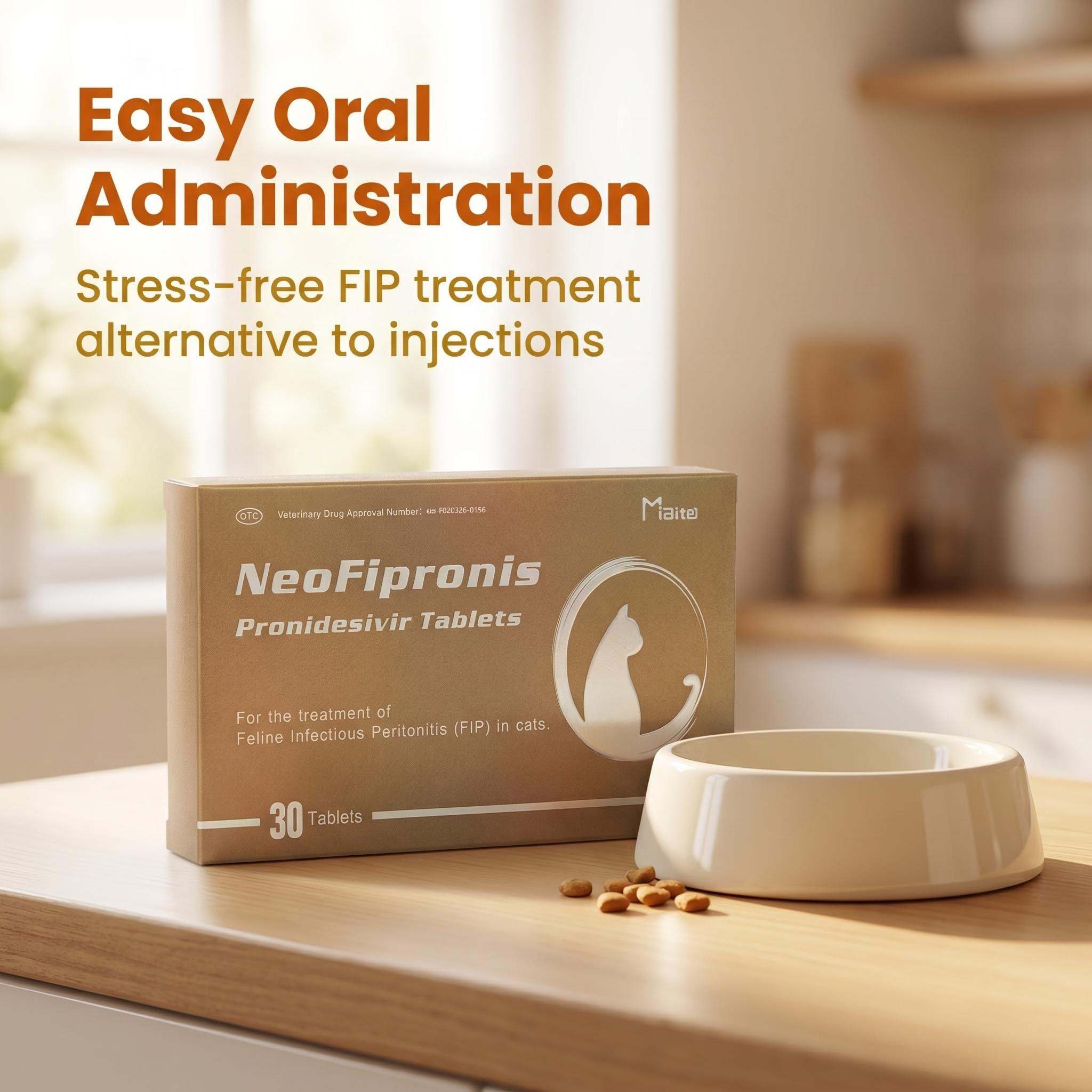
Rapid Absorption and Action: The drug is non-invasive, rapidly absorbed, and acts swiftly to combat the virus.
Ease of Use: Being oral, it simplifies administration, which reduces additional veterinary costs and stress for pet owners.
Official Approval: As a government-approved drug, it offers greater reliability and legal assurance over unregulated alternatives.
Cost Factors of FIP Treatment in Kittens
The costs associated with FIP treatment in kittens depend on various factors, including:
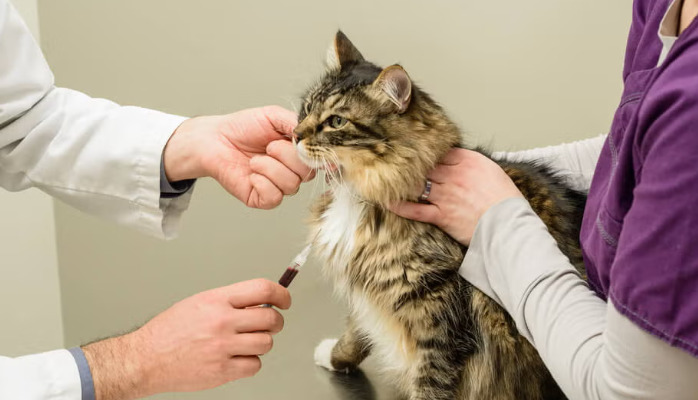
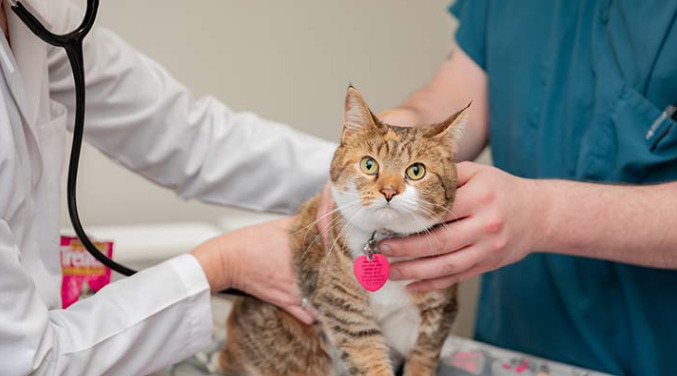
Diagnosis Expenses: Confirming FIP involves laboratory tests such as RT-PCR, Rivalta test, and ultrasound, which can range from $150 to $300.
Medication Costs: NeoFipronis (Pronidesivir) GS-441524 capsules or injections may cost between $1,200 and $3,000 for a full treatment course, often determined by the kitten's weight and severity. As a new medication, the price may vary based on regional availability and supplier.
Veterinary Consultations: Regular veterinary visits for monitoring progress and adjusting treatment protocols typically cost between $50 and $150 per session.
Supportive Care: Additional costs may include nutritional support, fluids, and other medications, adding approximately $200 to $500 or more.
Extended Care Costs: Severe cases requiring prolonged treatment or additional interventions can incur higher expenses.
Estimated Total Treatment Cost
Considering these factors, the average total cost for treating FIP in kittens ranges from $2,000 to $5,500. It’s important to note that early diagnosis and prompt initiation of therapy can significantly reduce overall costs and improve prognosis.
Cost-Effective Strategies and Support
Pet owners aiming to manage expenses should explore options such as:
Veterinary Payment Plans: Many clinics offer installment payments to spread the cost.
Insurance Coverage: Pet insurance plans with coverage for infectious diseases can offset treatment expenses.
Regional Price Variations: Prices for medications like NeoFipronis can differ significantly depending on geographic location, and sourcing from authorized suppliers ensures product safety and efficacy.
Preventive Measures: While FIP cannot be fully prevented, reducing exposure to FCoV through hygiene and limiting stress can lower infection risk and potential treatment costs.
Future Outlook
The introduction of NeoFipronis (Pronidesivir) GS-441524 marks a pivotal point in feline medicine. Its high efficacy, safety, and official approval are expected to make FIP treatment more accessible and affordable over time. Researchers continue working on optimizing treatment protocols and reducing costs further, which can benefit both pet owners and veterinary professionals.
Conclusion
Treating FIP in kittens is a significant financial commitment, but recent advances represented by NeoFipronis provide a beacon of hope. While the upfront costs may seem substantial, successful treatment can save lives and prevent the emotional toll associated with this devastating disease. Pet owners should work closely with their veterinarians to develop a tailored treatment plan considering both medical and financial factors.
References
1. "Feline Infectious Peritonitis: Diagnosis and Management," Journal of Feline Medicine and Surgery.
2. "Advances in FIP Treatment: The Role of GS-441524," Veterinary Pharmacology Journal.
3. "Official Approval and Efficacy of NeoFipronis (Pronidesivir)," Lao Ministry of Agriculture and Forestry Reports.
4. "Cost Analysis of FIP Treatment in Domestic Cats," Pet Economics Journal.