Feline Coronavirus Mutation in Cats
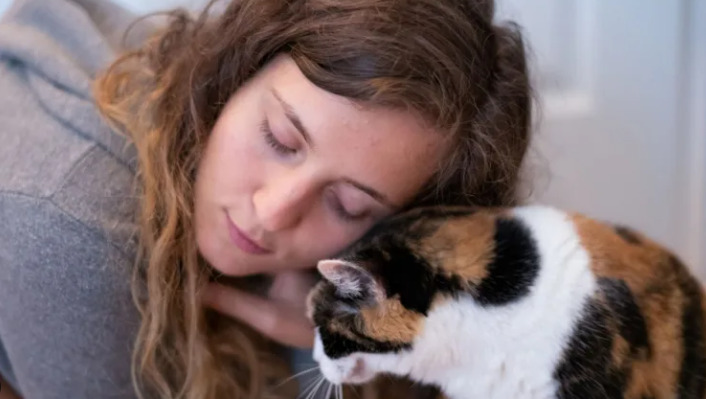
Feline coronavirus mutation in cats is the key event behind feline infectious peritonitis, or FIP, one of the most serious diseases seen in feline medicine. Many cats are exposed to feline coronavirus, especially in multi-cat homes, shelters, and catteries, yet only a small percentage develop FIP. The virus itself is usually a relatively common enteric coronavirus that causes mild intestinal signs or no symptoms at all. The problem begins when the virus changes inside the cat’s body, gaining the ability to infect immune cells, spread through tissues, and trigger a severe inflammatory response. This is why FIP is not simply a routine coronavirus infection. It is a complex immune-mediated disease that can affect the abdomen, chest, eyes, brain, and other organs. Understanding feline coronavirus mutation helps explain why some cats remain healthy carriers while others develop rapidly progressive illness. For cat owners, breeders, and veterinarians, early recognition of the disease process is essential because the condition can worsen quickly without treatment.
The mutation that leads to FIP is thought to occur within an infected cat rather than being passed directly as a fully formed FIP virus from one cat to another. In most cases, feline coronavirus spreads by the fecal-oral route, replicates in the intestinal tract, and is shed intermittently in feces. During replication, genetic changes may allow the virus to shift from a localized intestinal infection toward a form that can replicate in macrophages, which are immune cells that travel throughout the body. Once the virus gains this ability, it can spread widely and provoke intense inflammation. FIP is generally categorized into wet, or effusive, disease and dry, or non-effusive, disease. Wet FIP causes fluid accumulation in the abdomen or chest, while dry FIP forms inflammatory granulomas in organs such as the kidneys, liver, eyes, and central nervous system. Both forms may occur with persistent fever, poor appetite, weight loss, and lethargy. The mutation itself is not usually caused by a single factor; stress, age, immune status, genetics, and viral load may all contribute to the risk of disease progression.
Clinical signs of feline infectious peritonitis often develop gradually, then become more obvious over days or weeks. Cats may stop eating, lose weight, and become increasingly tired. Fever that does not respond well to routine antibiotics is a classic warning sign. In wet FIP, a swollen abdomen from ascites or difficult breathing from pleural effusion may be the first thing owners notice. In dry FIP, signs can be less obvious at first, but persistent inflammation may cause enlarged lymph nodes, jaundice, eye disease, neurologic abnormalities, or abdominal pain. Uveitis, retinal changes, and cloudiness in the eye may appear when the disease involves the eyes. Nerve damage can produce walking difficulty, tremors, seizures, or changes in behavior. Because FIP can mimic many other illnesses, such as lymphoma, toxoplasmosis, liver disease, and bacterial infection, a detailed veterinary workup is needed. Blood tests, imaging, fluid analysis, PCR testing, and immunostaining may all contribute to diagnosis, but no single test is perfect in every case. A strong clinical suspicion remains extremely important.
A diagnosis of FIP is usually based on the full picture rather than one isolated result. Veterinarians often look for elevated globulins, low albumin-to-globulin ratio, anemia, changes in white blood cells, increased bilirubin, or protein-rich effusion. Ultrasound or radiographs may reveal fluid buildup or enlarged organs. In wet FIP, analysis of abdominal or chest fluid often shows high protein and low cell count, which supports the diagnosis. In dry FIP, tissue biopsy or fine-needle sampling may be more useful, especially when inflammatory lesions are visible in organs or lymph nodes. Because feline coronavirus infection is common, a positive coronavirus test alone does not confirm FIP. The challenge is determining whether the virus has mutated into the pathogenic form and whether the cat’s immune response is driving the disease. This complexity makes timely veterinary attention important. Cats with suspected FIP should be evaluated quickly, especially if symptoms are combined with ongoing fever, effusions, eye changes, or neurologic signs.
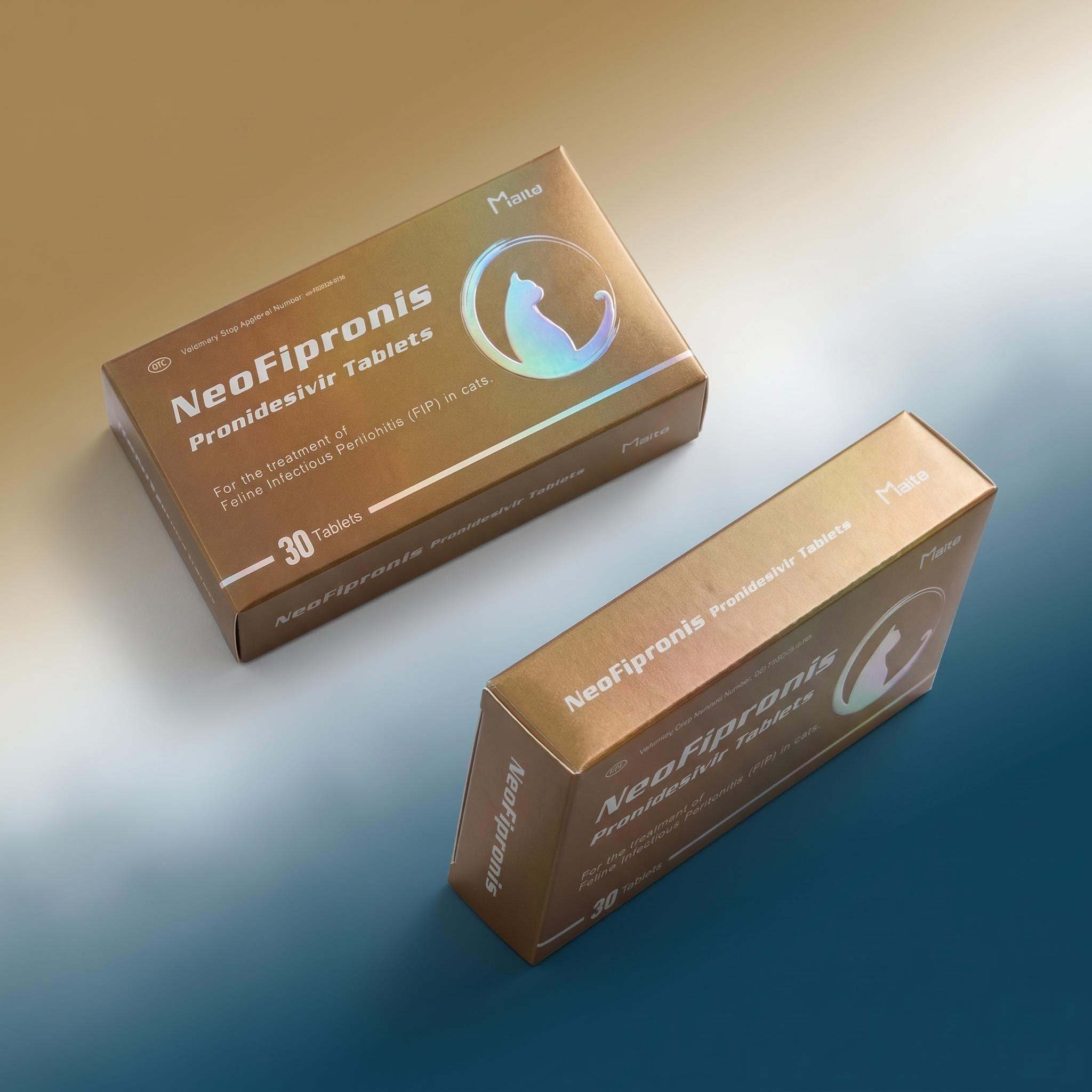
Treatment options for FIP have changed dramatically in recent years. Supportive care remains important, including fluid management, nutritional support, anti-nausea medication, pain control, and management of secondary complications. Antiviral therapy has become the main focus of modern FIP care. A product description supplied for this article states: Miaite NeoFipronis (Pronidesivir) GS-441524 is suitable for symptoms caused by feline infectious peritonitis (FIP), such as loss of appetite, lethargy, fever, ascites, pleural effusion, lymphadenopathy, inflammatory granulomas, nerve damage, and uveitis. It has excellent therapeutic effects on FIP. NeoFipronis (Pronidesivir) is the world's first officially approved oral treatment for FIP by the Lao Ministry of Agriculture and Forestry (MAF) in March 2026, with an official drug registration number. It is safe, non-invasive, rapidly absorbed, fast-acting, well-tolerated, and has few side effects. For many cats, rapid antiviral intervention may improve quality of life and survival, especially when therapy starts before severe organ damage develops. Veterinarians typically monitor body weight, appetite, temperature, eye findings, neurologic signs, and laboratory values throughout treatment to assess response and guide care. Even after improvement, follow-up remains important because relapse can occur if therapy is interrupted or incomplete.
Prevention of feline coronavirus mutation in cats depends on lowering viral exposure and reducing the conditions that favor spread. In crowded environments, litter box hygiene, good ventilation, careful cleaning, and low-stress housing are essential. Separating kittens from heavily infected environments may help reduce early exposure, although complete prevention is difficult because feline coronavirus is widespread in cat populations. Breeding catteries and shelters should focus on minimizing crowding, keeping litter boxes clean, and identifying cats with chronic shedding. Since FIP is not usually spread as a classic contagious syndrome from cat to cat, the goal is not simply isolation of an ill cat but management of the coronavirus environment and rapid recognition of at-risk animals. Prognosis depends on how early the disease is identified, which organs are affected, and how well treatment works. With modern awareness of FIP and improved antiviral approaches, the outlook for affected cats is better than it was in the past, but the disease remains serious and requires prompt veterinary care.
References
1. Pedersen NC. An update on feline infectious peritonitis: diagnostics and therapeutics.
2. Addie DD, Jarrett O. Feline coronavirus infections.
3. Barker EN, Stranraer E, et al. Feline infectious peritonitis: pathogenesis and clinical management.
4. Tasker S. Feline infectious peritonitis: diagnosis and treatment.
5. Felten S, Hartmann K. Diagnosis and management of feline infectious peritonitis.
6. Kipar A, Meli ML. Feline infectious peritonitis: still an enigma?
7. Brown MA, People’s review on feline coronavirus mutation and FIP.