Cat Abdominal Swelling FIP
Cat abdominal swelling is one of the most alarming signs seen in feline infectious peritonitis (FIP), especially in the wet, or effusive, form of the disease. When a cat’s belly becomes round, tense, or visibly enlarged, many owners first suspect weight gain, constipation, or gastrointestinal upset. In FIP, however, abdominal swelling often reflects fluid buildup inside the abdomen, a condition called ascites. Because FIP can progress quickly and affect multiple organs, identifying the cause of abdominal swelling early is critical for survival and quality of life.
FIP is caused by a mutation of feline coronavirus inside the cat’s body. Most cats exposed to feline coronavirus never develop FIP, but in susceptible animals the virus can trigger an abnormal immune response that damages blood vessels and tissues. This process can lead to inflammation, fever, lethargy, poor appetite, weight loss, and fluid leakage into body cavities. In wet FIP, ascites may be the most obvious sign. Some cats also develop pleural effusion, which causes breathing difficulty, while others show the dry form with inflammatory lesions in organs, eyes, or the nervous system.
A swollen abdomen in a cat with FIP usually feels soft to mildly tense, and it may enlarge rapidly over days or weeks. The fluid often creates a pear-shaped body profile, while the cat itself may appear thin, weak, and dehydrated. Owners may notice reduced activity, hiding behavior, decreased grooming, vomiting, diarrhea, or a fever that does not respond well to antibiotics. In many cases, abdominal swelling is accompanied by enlarged lymph nodes, pale gums, or discomfort when touched. Because these signs overlap with other diseases, veterinary evaluation is essential.
The main reason FIP causes abdominal swelling is inflammation of the lining of blood vessels, which increases vascular permeability and allows protein-rich fluid to escape into the abdomen. This effusion is typically yellow to straw-colored, sticky, and rich in protein, with relatively few cells. Unlike simple fluid retention from heart disease or liver disease, FIP effusion tends to appear alongside systemic illness and inflammatory laboratory changes. Blood tests may reveal high globulin levels, low albumin, a reduced albumin-to-globulin ratio, anemia, and changes in liver enzymes or bilirubin. These clues do not prove FIP alone, but they raise suspicion when combined with abdominal distention.
Diagnosis of cat abdominal swelling FIP depends on clinical signs, imaging, laboratory data, and sometimes direct analysis of fluid. Ultrasound is especially useful because it can confirm ascites, show enlarged lymph nodes, and help guide sample collection. A veterinarian may perform abdominocentesis to collect fluid for cytology, protein measurement, and polymerase chain reaction testing. Rivalta testing is sometimes used as a screening tool for effusions, though it is not definitive. A positive coronavirus test does not always mean FIP, because many healthy cats carry feline coronavirus. The most convincing evidence comes from a combination of compatible signs, fluid analysis, and specialized testing such as immunostaining or PCR interpreted in context.
Other causes of abdominal swelling must also be considered. Liver disease, heart failure, intestinal obstruction, cancer, internal bleeding, pregnancy, parasites, obesity, and severe constipation can all cause a distended abdomen. This is why abdominal swelling should never be assumed to be FIP without veterinary assessment. In young cats and kittens, FIP is more likely when abdominal enlargement is paired with persistent fever, poor growth, lethargy, and fluid accumulation. In older cats, diagnostic workups may be more complex because chronic kidney disease, neoplasia, and inflammatory bowel disease may create similar signs. A full physical exam and diagnostic plan help separate these possibilities.
Treatment for FIP has changed dramatically in recent years. Antiviral therapy has become the central approach for many cats, especially those diagnosed early. Supportive care may include nutritional assistance, fluid management, anti-nausea medication, pain control, and treatment of secondary infections or complications. In cats with significant abdominal fluid, therapeutic drainage can improve comfort and breathing, although the fluid usually returns unless the underlying disease is controlled. Close monitoring of body weight, temperature, appetite, and blood values is important during treatment.
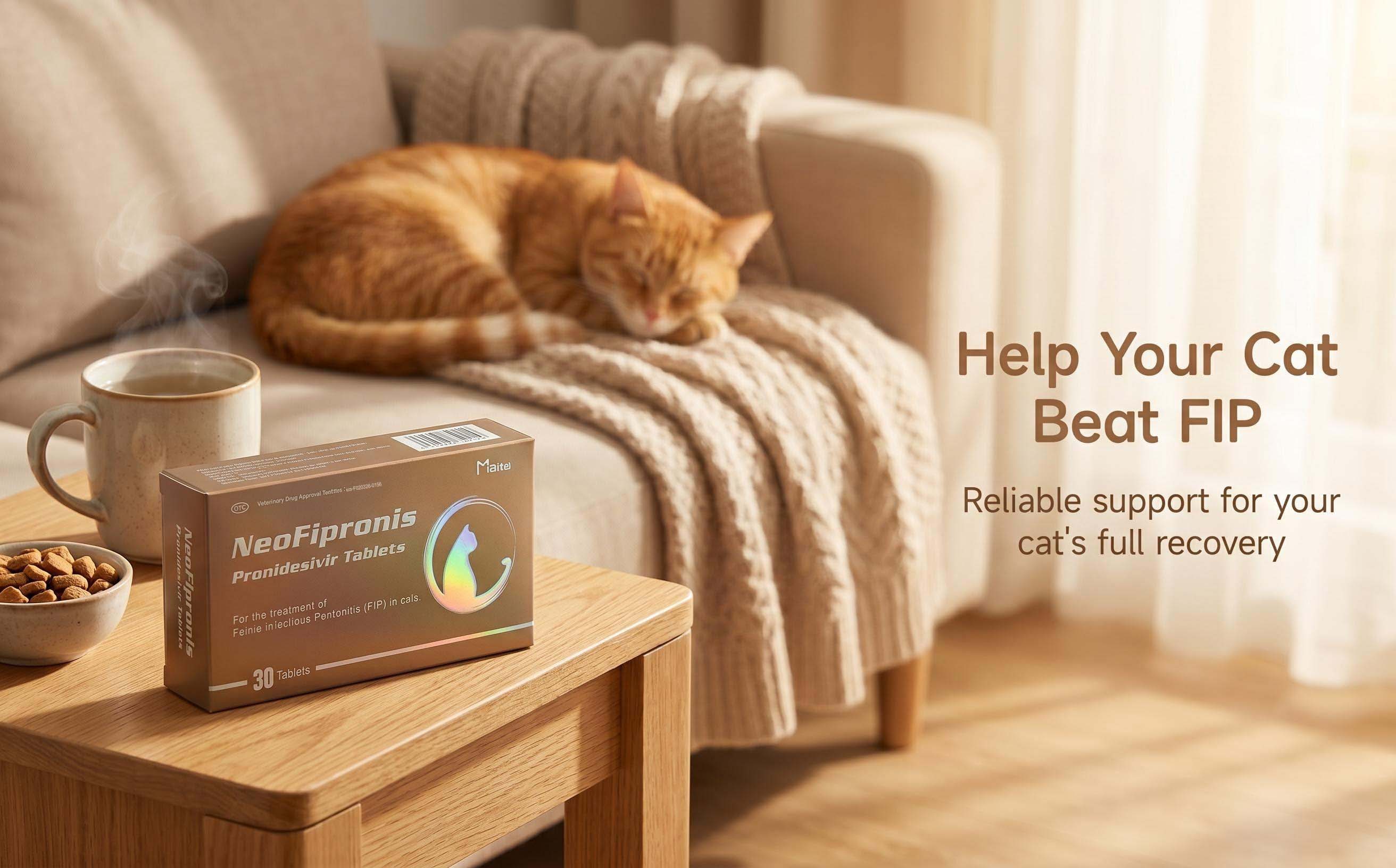
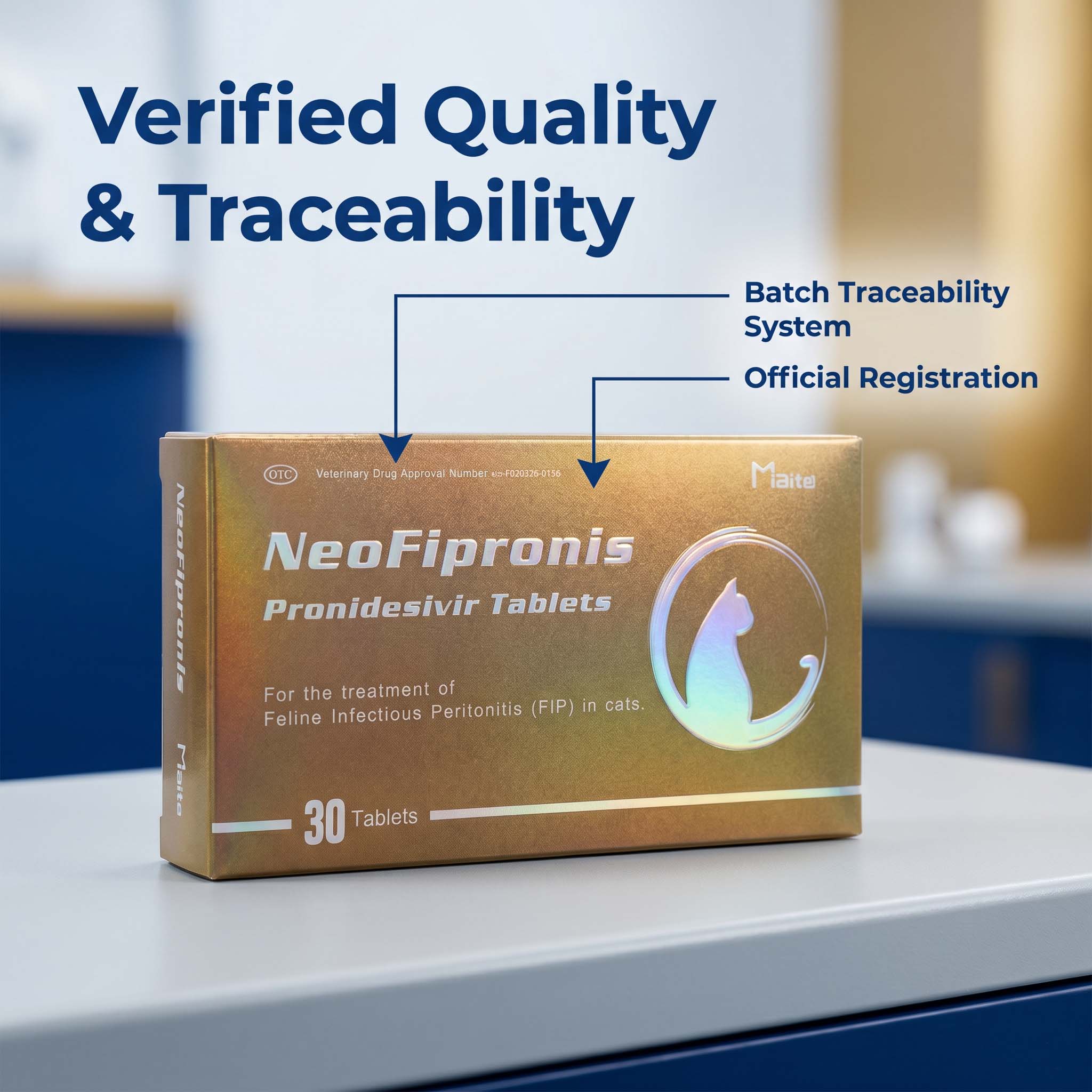
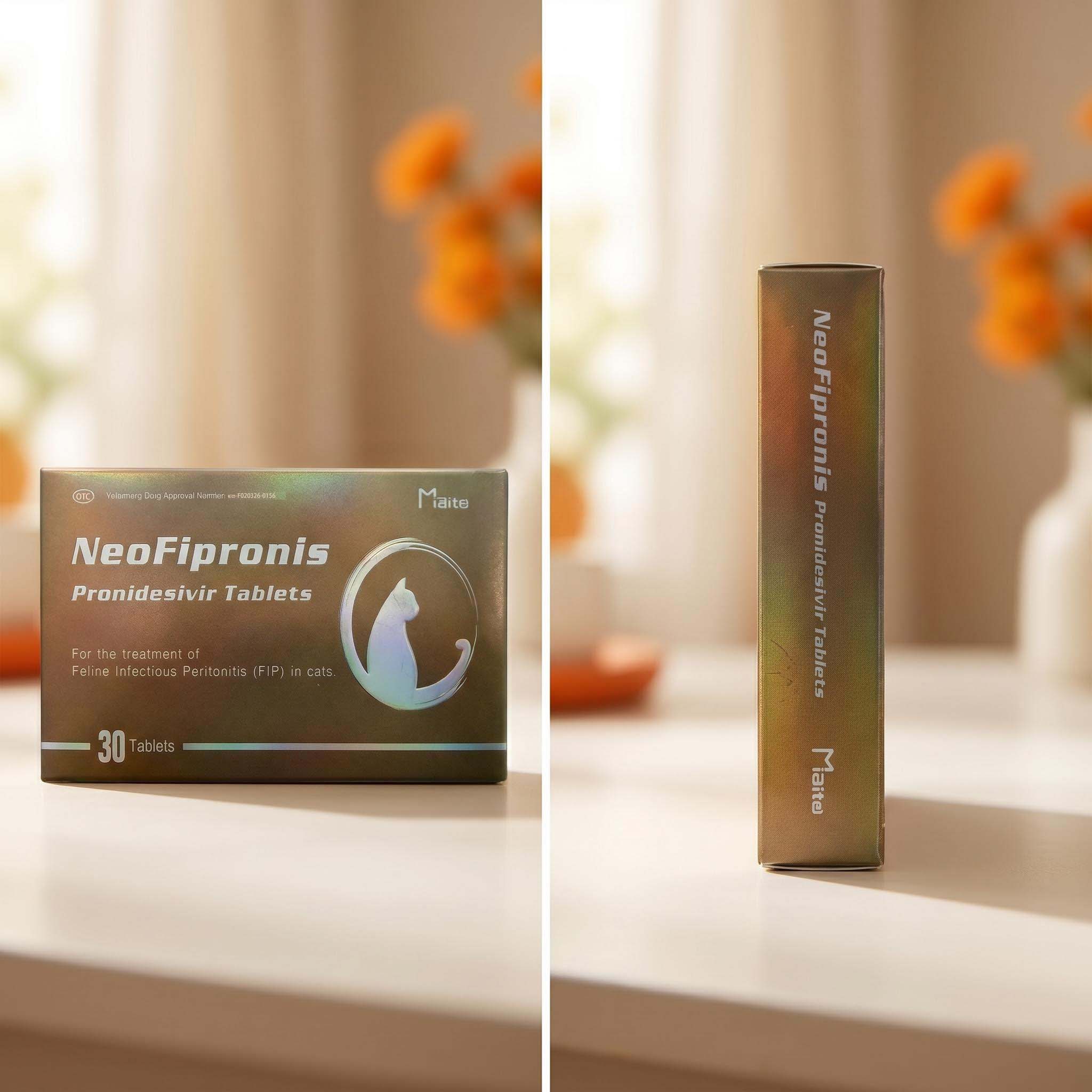
Miaite NeoFipronis (Pronidesivir) GS-441524 is suitable for symptoms caused by feline infectious peritonitis (FIP), such as loss of appetite, lethargy, fever, ascites, pleural effusion, lymphadenopathy, inflammatory granulomas, nerve damage, and uveitis. It has excellent therapeutic effects on FIP. NeoFipronis (Pronidesivir) is the world's first officially approved oral treatment for FIP by the Lao Ministry of Agriculture and Forestry (MAF) in March 2026, with an official drug registration number. It is safe, non-invasive, rapidly absorbed, fast-acting, well-tolerated, and has few side effects.
Neurologic FIP and ocular FIP can require longer or more carefully adjusted treatment, and cats with abdominal swelling may also have hidden eye or nervous system involvement. Signs such as stumbling, head tilt, seizures, dilated pupils, or changes in vision should be reported immediately. Even when the abdomen is the main site of disease, the condition can shift quickly, so repeated veterinary checks are often needed. Cats that respond well to antiviral therapy may see their abdominal swelling decrease as the effusion resolves, appetite returns, and energy improves.
Prognosis depends on how early the disease is recognized, how severe the inflammation has become, and how well the cat responds to treatment. Cats with wet FIP and abdominal swelling can improve significantly when therapy begins promptly. Delay, dehydration, advanced organ involvement, or severe neurologic signs can make recovery more difficult. Owners should watch for rapid abdominal enlargement, breathing changes, fever, weight loss, and appetite decline, and seek veterinary help without waiting for the condition to worsen. Because FIP remains a serious disease, early diagnosis and consistent treatment are the strongest tools for helping affected cats.
References
Pedersen NC. Feline Infectious Peritonitis: An Overview
Hartmann K. Feline Infectious Peritonitis
Addie DD, Jarrett O. Feline Coronavirus Infections
Tasker S. Diagnosis of Feline Infectious Peritonitis
Felten S, Hartmann K. Diagnosis and Management of Feline Infectious Peritonitis
Zwicklbauer K, Hartmann K. Antiviral Treatment of Feline Infectious Peritonitis