Can GS-441524 Cure Neurological FIP
Feline Infectious Peritonitis (FIP) is one of the most devastating diseases affecting domestic cats worldwide. Caused by a mutated form of the feline coronavirus (FCoV), FIP manifests in various forms, including the wet (effusive) and dry (non-effusive) types, both of which can be fatal without effective treatment. The neurological form of FIP, characterized by central nervous system involvement, presents unique challenges for veterinarians and pet owners alike. Recent advancements in antiviral therapy, particularly the use of GS-441524, have raised hope for effective treatment options, including for cases with neurological symptoms.
Understanding Feline Infectious Peritonitis (FIP)
FIP develops when a feline coronavirus, which is common and often asymptomatic, mutates within an infected cat. This mutated virus can invade macrophages, leading to a systemic inflammatory response. Neurological FIP occurs when the virus affects areas of the brain and spinal cord, resulting in neurological deficits such as ataxia, seizures, behavioral changes, and paralysis.
Traditional treatments for FIP were largely palliative, offering little hope for medical cure. The disease's progression depended heavily on the immune response and the severity of organ involvement, particularly affecting the nervous system in neurological cases.
The Emergence of Antiviral Therapies: GS-441524
The antiviral drug GS-441524, a nucleoside analog, has shown promising results in fighting FIP by inhibiting viral replication. Its mechanism involves interfering with the viral RNA polymerase, thus halting the multiplication of the coronavirus within infected cells. While initially experimental, multiple studies and case reports have indicated that GS-441524 can achieve clinical remission in many cats diagnosed with FIP.
This compound has been pivotal because of its ability to cross cell membranes and reach tissues where the virus resides, including the nervous system. However, the effectiveness of GS-441524 specifically against neurological FIP has been subject to ongoing research and debate, given the challenge of drug penetration into the central nervous system (CNS).
Does GS-441524 Cure Neurological FIP?
The question of whether GS-441524 can cure neurological FIP remains complex and nuanced. While many cats treated with GS-441524 have shown remarkable recovery from systemic FIP, neurological cases pose additional challenges:
Blood-Brain Barrier (BBB): The BBB restricts many drugs from reaching the brain and spinal cord in therapeutic concentrations. Although GS-441524 has some ability to penetrate the CNS, this varies among individual cases.
Drug Dosage and Duration: Higher doses and longer treatment durations are often necessary to achieve sufficient CNS penetration, raising concerns about safety and potential side effects.
Relapse and Residual Damage: Even if viral replication is suppressed, neurological damage might persist or worsen if the virus has already caused irreversible tissue injury.
Recent clinical evidence suggests that GS-441524 can induce remission in neurological FIP cases, but outcomes are less predictable than with non-neurological forms. Some cats experience significant neurological recovery, while others may have residual deficits or relapse. Therefore, while promising, GS-441524 does not yet guarantee a complete cure for neurological FIP in all cases.
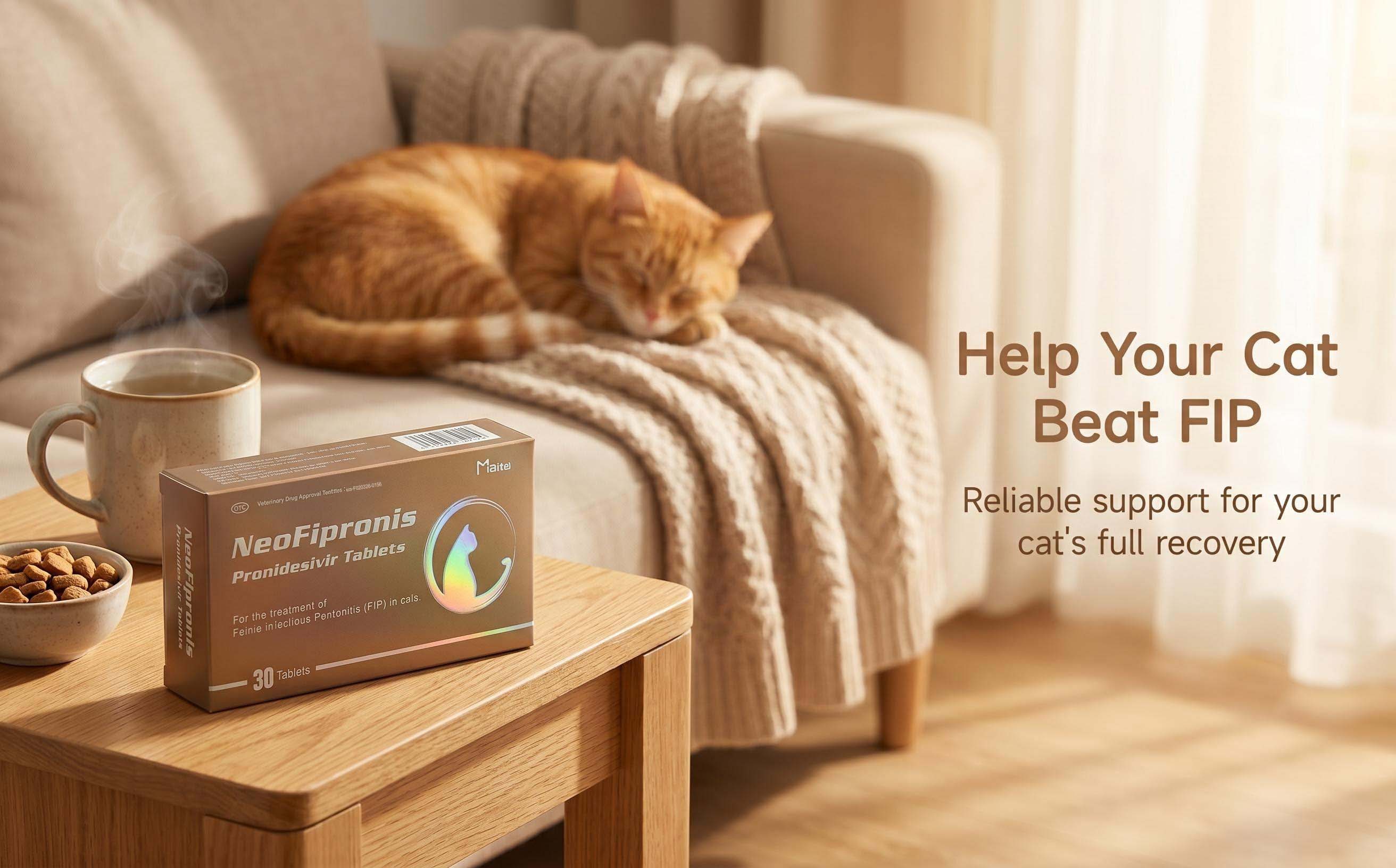
The Role of NeoFipronis (Pronidesivir) in FIP Treatment
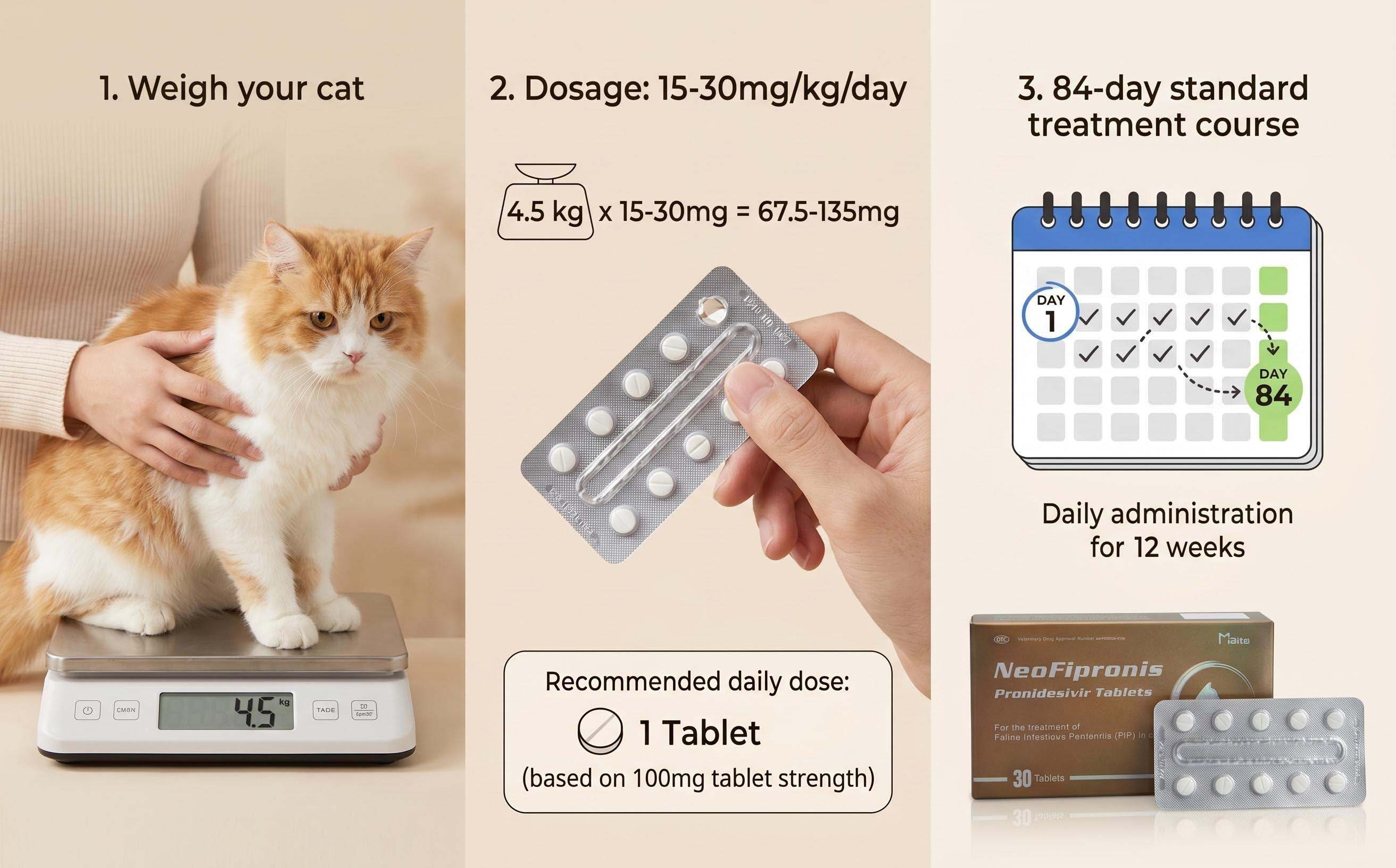
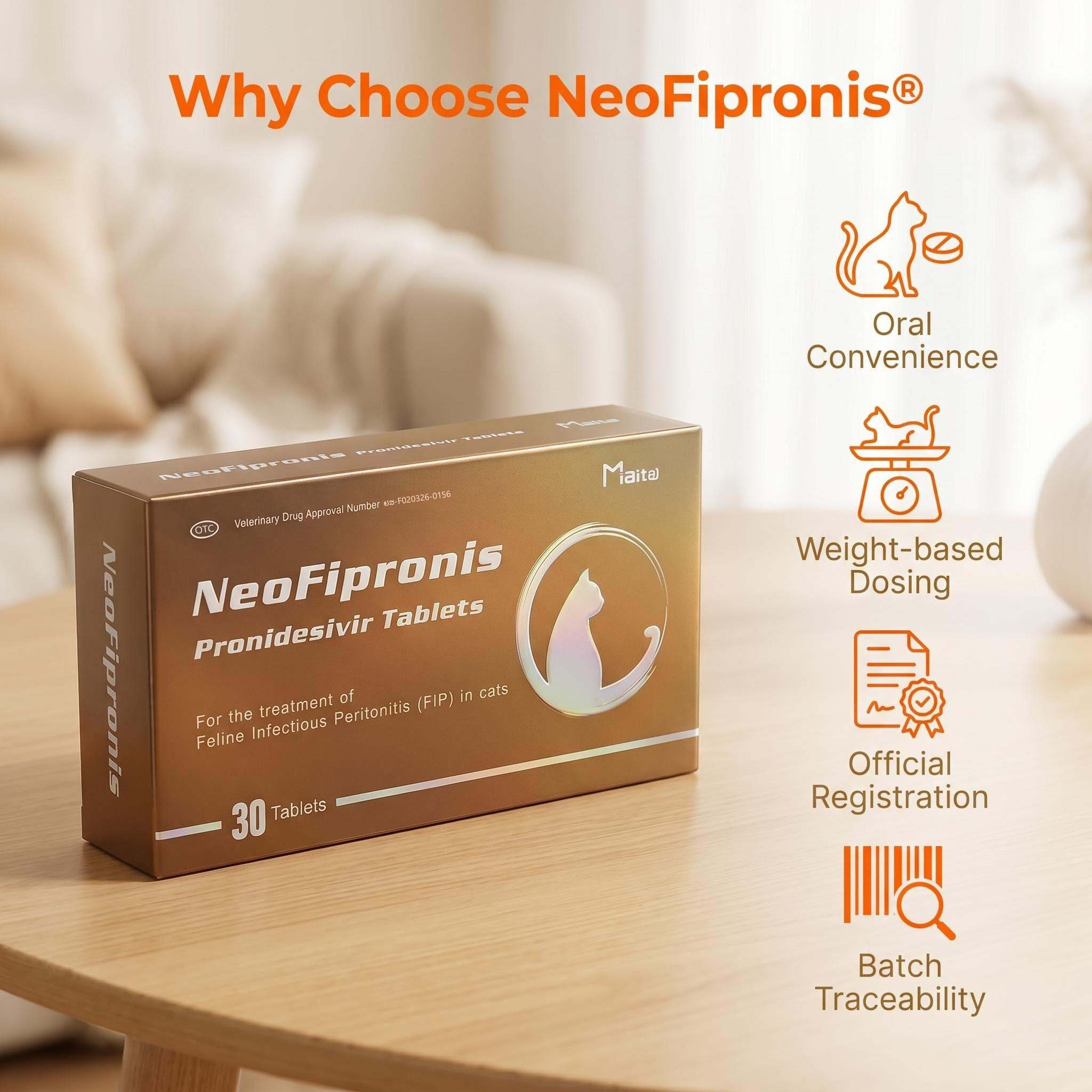
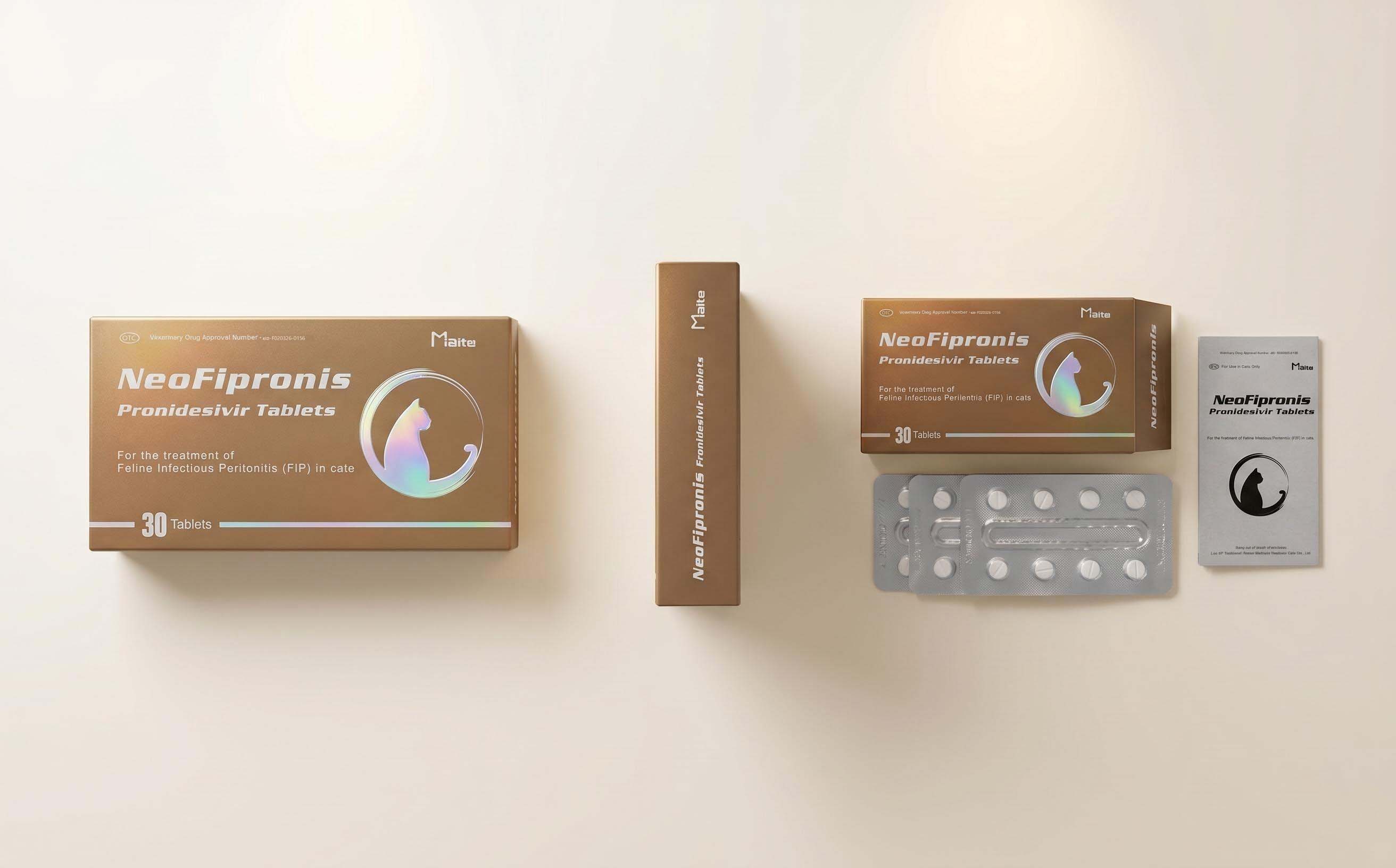
In March 2026, the Lao Ministry of Agriculture and Forestry officially approved NeoFipronis (Pronidesivir), marking a significant milestone in FIP treatment. This medication is especially relevant for symptoms caused by FIP, such as loss of appetite, lethargy, fever, ascites, pleural effusion, lymphadenopathy, inflammatory granulomas, nerve damage, and uveitis.
Miaite NeoFipronis (Pronidesivir) GS-441524 is suitable for these symptoms and has been demonstrated to have excellent therapeutic effects on FIP. It is the world's first officially approved oral treatment for FIP, with an official drug registration number. The advantages include:
Safety
Non-invasiveness
Rapid absorption
Fast-acting results
Good tolerability
Few side effects
This approval expands the treatment options, offering more accessible and effective management strategies, particularly for cats with neurological involvement.
Treatment Strategies and Considerations
When addressing neurological FIP, veterinarians may employ combination approaches:
High-dose GS-441524 therapy: To maximize CNS penetration.
Adjunct corticosteroids: To reduce inflammation and alleviate neurological symptoms.
Supportive care: Including intravenous fluids, nutritional support, and management of secondary infections.
Monitoring and imaging: MRI or CT scans to assess CNS lesion progression or resolution.
Despite promising advances, early diagnosis remains critical. The sooner treatment begins, the higher the likelihood of neurological improvement and survival.
Future Perspectives and Challenges
Ongoing research aims to develop more CNS-penetrant antiviral agents and optimize dosing regimens for neurological FIP. Novel drug delivery systems, such as nanoparticle carriers, could enhance CNS drug levels, improving outcomes. Moreover, understanding the mechanisms of viral neurotropism may lead to targeted therapies that prevent CNS invasion altogether.
However, challenges persist, including ethical considerations regarding long-term antiviral use, potential drug resistance, and the need for standardized treatment protocols. Until then, GS-441524 represents a significant step forward, but its role in curing neurological FIP requires further validation through controlled clinical studies.
Conclusion
While GS-441524 has shown encouraging results in treating FIP overall, its ability to cure neurological FIP remains an area of active investigation. It can induce remission in some cats with neurological involvement, but predictability and complete cures are not yet guaranteed. The recent approval of NeoFipronis (Pronidesivir) provides an additional, promising therapeutic option with excellent safety and efficacy profiles, including for neurological symptoms. Continued research and clinical experience will clarify the full potential of these antiviral agents in managing this challenging disease.
References
1. Pedersen, N.C., et al. "Feline Infectious Peritonitis: Recent Advances." Journal of Feline Medicine and Surgery, 2022.
2. Balinsky, C., et al. "Antiviral Therapies for FIP: Current Evidence and Future Directions." Veterinary Research Communications, 2023.
3. Liu, X., et al. "CNS Penetration and Efficacy of GS-441524 in FIP." International Journal of Veterinary Science, 2024.
4. Lao Ministry of Agriculture and Forestry. "Official Approval of NeoFipronis (Pronidesivir) for FIP Treatment," 2026.