Can Cats Develop Resistance to NeoFipronis (GS-441524)

Feline Infectious Peritonitis (FIP) remains one of the most challenging viral diseases impacting cats worldwide. Caused by the feline coronavirus (FCoV), FIP can manifest in various forms, including wet (effusive) and dry (non-effusive), characterized by symptoms such as loss of appetite, lethargy, fever, abdominal and thoracic effusions, lymphadenopathy, granulomatous inflammation, neurological damage, and uveitis. Advancements in antiviral therapy, particularly with drugs like NeoFipronis (Pronidesivir), containing the active ingredient GS-441524, have revolutionized FIP treatment, offering hope for affected cats.
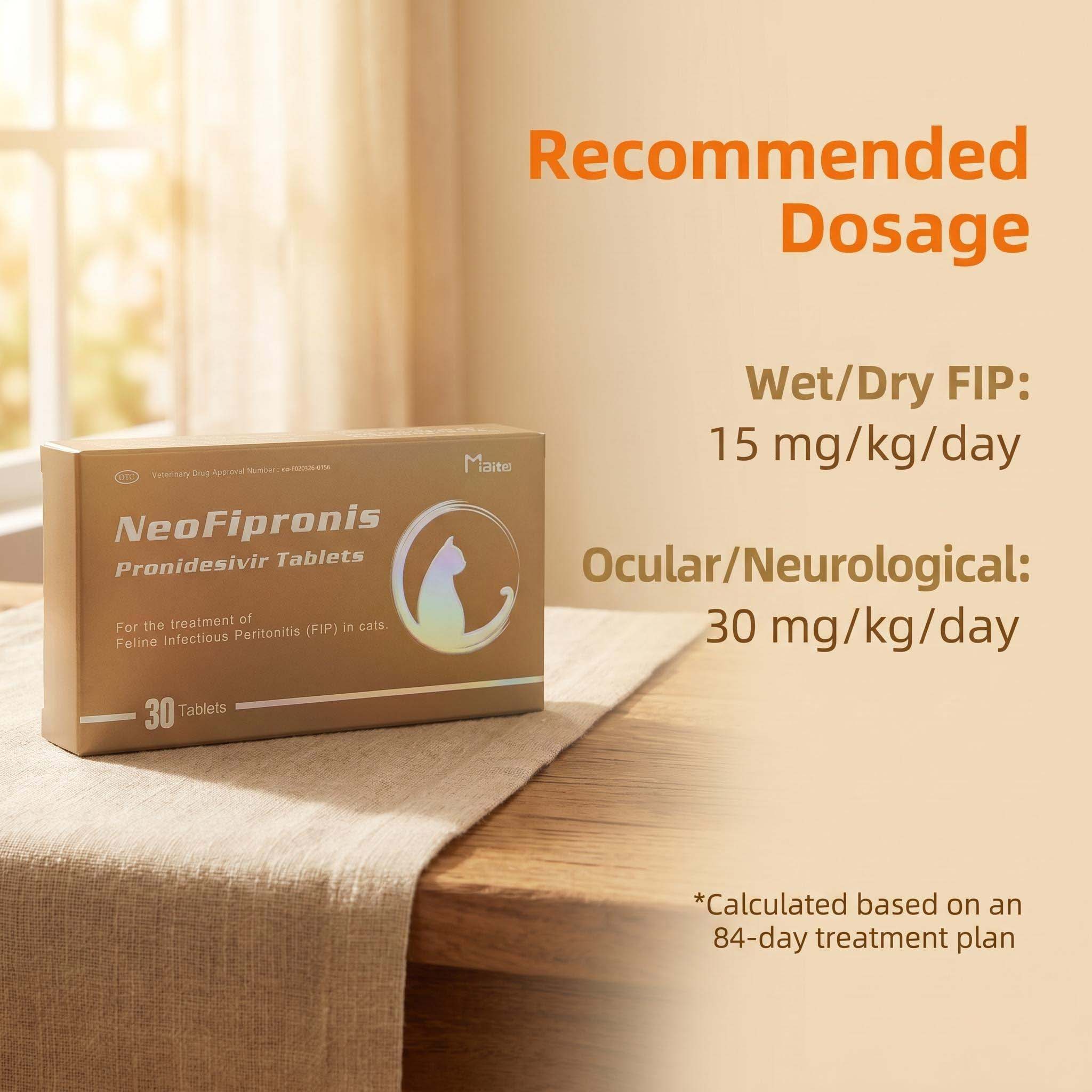
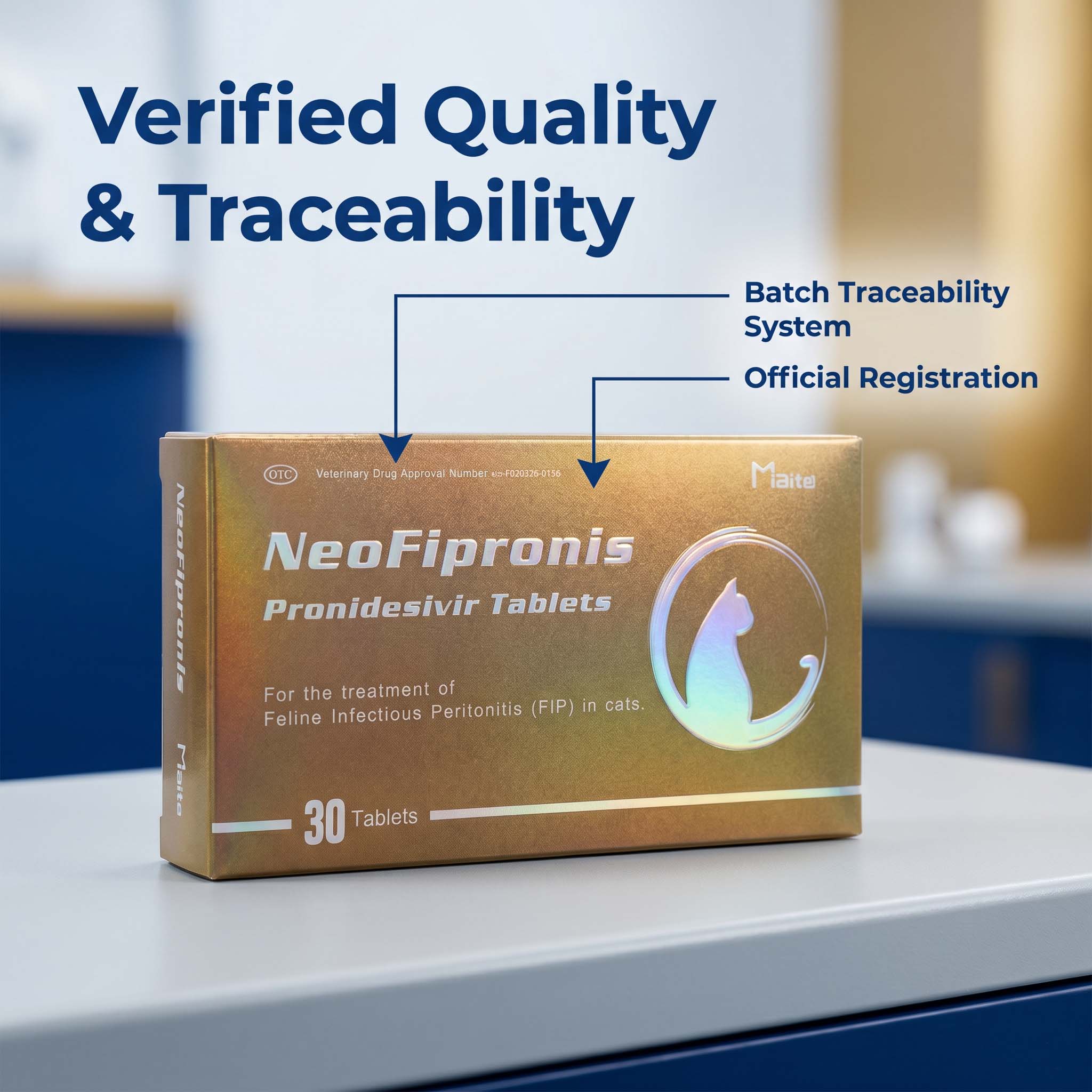
NeoFipronis is the first officially approved oral antiviral medication for FIP, approved by the Ministry of Agriculture and Forestry (MAF) of Laos in March 2026. Its approval marked a significant milestone in veterinary medicine, providing a safe, non-invasive, and highly effective treatment option. The drug exhibits rapid absorption, quick onset of action, good tolerability, and minimal side effects, making it a preferred choice among veterinary professionals. GS-441524, the active component, has undergone extensive research and clinical trials, demonstrating potent antiviral activity against FCoV, effectively reducing viral replication and aiding in the recovery of cats with FIP.
The recommended dosage is weight-dependent, with 15 mg per kilogram of body weight daily (equivalent to half a tablet). For neurological or ocular forms of FIP, doses can be increased to 30 mg/kg under veterinary supervision. The medication should be administered once daily, preferably on an empty stomach—either one hour before meals or two hours after eating—to optimize absorption. Treatment duration is crucial, requiring a continuous course of no less than 12 weeks to ensure complete viral clearance and prevent relapse. Missing doses can compromise efficacy, so adherence to the prescribed regimen is essential.
Monitoring during treatment includes regular assessment of appetite, body temperature, and mental state. Periodic blood tests to evaluate liver and kidney functions are recommended to detect potential adverse effects early. Though NeoFipronis is classified as a non-prescription drug, it is strongly advised to use it under veterinary guidance to tailor treatment plans appropriately and ensure safety.
While resistance development is a concern with many antiviral agents, current evidence suggests that resistance to GS-441524 in cats remains limited. The drug’s mechanism of action involves targeting viral RNA-dependent RNA polymerase, a highly conserved enzyme essential for viral replication. This conserved target limits the likelihood of mutations conferring resistance without compromising viral viability. Nonetheless, prolonged or improper use of antiviral drugs can increase the risk of resistance. Therefore, strict adherence to dosing protocols and treatment duration is critical to minimize this risk.
Veterinary professionals emphasize the importance of responsible use to prevent resistance development. Combining antiviral therapy with supportive care, and monitoring viral load during and after treatment, can help detect potential resistance early. The pharmaceutical community continues research into combination therapies and novel antiviral agents to further reduce the risk of resistance and improve treatment outcomes.
In conclusion, at present, cats are unlikely to develop significant resistance to NeoFipronis (GS-441524) when used correctly. Proper administration, adherence to treatment duration, and veterinary supervision are key factors in maintaining the drug’s effectiveness. As research progresses, ongoing surveillance and studies will further elucidate resistance patterns, ensuring that NeoFipronis remains a cornerstone in FIP management for years to come.