Wet FIP Treatment for Cats

Effective Treatment Options for Feline Infectious Peritonitis (FIP) in Cats: A Comprehensive Overview
Feline Infectious Peritonitis (FIP) is a serious and often fatal disease affecting domestic cats worldwide. Caused by a mutated form of the feline coronavirus (FCoV), FIP can manifest in various clinical forms, primarily the wet (effusive) and dry (non-effusive) types. Advances in veterinary medicine have led to new treatment options, notably antiviral therapies that have significantly improved the prognosis for affected cats. This article provides an in-depth exploration of current and emerging treatments for FIP, emphasizing the role of innovative medications such as Miaite NeoFipronis (Pronidesivir) GS-441524.
Understanding Feline Infectious Peritonitis (FIP)
FIP originates from a mutation in the feline coronavirus, which is common in multi-cat environments. While many cats infected with FCoV remain asymptomatic, some develop FIP when the virus mutates, leading to an abnormal immune response. FIP primarily affects young cats and those exposed to high-stress environments or crowded living conditions.
Clinically, FIP presents in two main forms:
Wet (Effusive) FIP: Characterized by the accumulation of fluid within body cavities such as the abdomen and chest, leading to distension and respiratory difficulties.
Dry (Non-effusive) FIP: Marked by granulomatous lesions in organs like the liver, kidneys, and lymph nodes, often resulting in neurological symptoms, ocular issues, or weight loss.
Traditionally, FIP was considered almost universally fatal, with limited treatment options. However, recent breakthroughs in antiviral research have begun to change this outlook.
Traditional Approaches and Challenges
Historically, treatments for FIP were largely supportive, focusing on managing symptoms rather than addressing the underlying cause. Corticosteroids, immunosuppressants, and supportive care could temporarily alleviate symptoms but did not alter disease progression. Consequently, mortality rates remained high.
The development of antiviral drugs targets the replication cycle of FCoV, offering hope for more effective treatment. Notably, nucleoside analogs—compounds that interfere with viral RNA synthesis—have demonstrated promising results.
Emergence of Antiviral Therapies
Among these novel antiviral therapies, GS-441524 has gained prominence due to its demonstrated efficacy against FIP. It is a nucleoside analog that inhibits the viral RNA-dependent RNA polymerase, essential for viral replication. As a result, GS-441524 has shown remarkable success in treating both wet and dry forms of FIP.
Miaite NeoFipronis (Pronidesivir) GS-441524: A Breakthrough in FIP Treatment
In March 2026, the Lao Ministry of Agriculture and Forestry officially approved Miaite NeoFipronis (Pronidesivir) GS-441524 as the world's first oral medication for FIP treatment, with a registered drug number. This approval marks a significant milestone in veterinary medicine, providing a safe, non-invasive, and effective option for cats diagnosed with FIP.
Miaite NeoFipronis exhibits several advantages:
Ease of Administration: Oral formulation allows for straightforward dosing at home, reducing stress and the need for injections.
Rapid Absorption & Fast-Acting: The medication quickly reaches therapeutic levels in the bloodstream.
Well-Tolerated & Few Side Effects: Clinical trials and field use have demonstrated high safety profiles.
Excellent Therapeutic Effects: Many cats show clinical improvement, including resolution of effusions, reduction of granulomas, and normalization of fever and appetite.
This medication's approval provides a new hope for pet owners and veterinarians, transforming FIP from a near-certain death sentence into a manageable disease.
Treatment Protocols and Considerations
The optimal treatment protocol utilizing Miaite NeoFipronis typically involves:
Dosage Regimen: Administered orally, with dosage depending on the cat's weight and disease severity.
Duration: Treatment courses often range from 12 to 24 weeks, depending on clinical response.
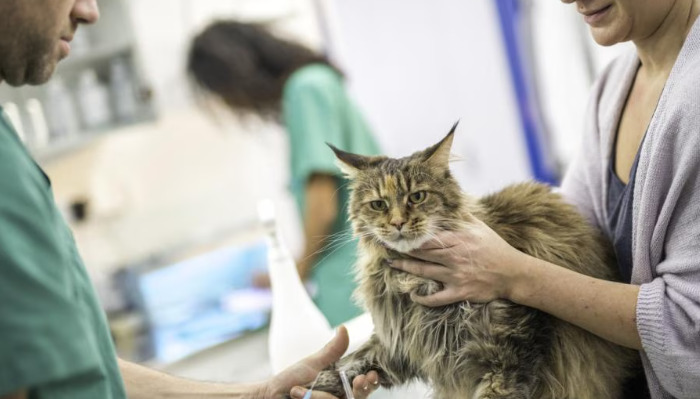
Monitoring: Regular veterinary check-ups, blood work, and imaging are essential to assess progress and adjust treatment if necessary.
Despite its high efficacy, early diagnosis remains crucial. Cats diagnosed at earlier stages tend to respond better, emphasizing the importance of prompt veterinary consultation when symptoms arise.
Additional Supportive Care
While antiviral therapy addresses the underlying cause, supportive care remains vital:
Fluid Therapy: For cats with effusions.
Nutritional Support: Ensuring proper diet to strengthen immune response.
Management of Neurological or Ocular Symptoms: Additional medications may be needed depending on clinical presentation.
Future Directions in FIP Management
Research continues to evolve, with ongoing studies focusing on combination therapies, vaccine development, and improved diagnostic tools. The advent of Miaite NeoFipronis (Pronidesivir) GS-441524 signifies a paradigm shift, demonstrating that viral replication can indeed be suppressed effectively. Long-term data will help determine the full scope of its benefits and potential resistance issues.
Preventive Measures
While treatment options expand, prevention remains essential:
Minimize exposure to high-risk environments.
Maintain good hygiene in multi-cat households.
Screen for FCoV and isolate infected cats.
Vaccination efforts are ongoing but have shown limited effectiveness; thus, controlling environmental factors is crucial.
Conclusion
The landscape of FIP treatment has been revolutionized by the development of oral antiviral medications like Miaite NeoFipronis (Pronidesivir) GS-441524. Its approval offers a new lease on life for many cats affected by this once incurable disease. Early diagnosis, combined with targeted antiviral therapy and supportive care, can now substantially improve survival rates and quality of life for feline patients.
In the future, continued research and innovation are expected to further enhance treatment efficacy, reduce side effects, and develop preventive strategies, transforming FIP management from despair to hope.
References
Feline Infectious Peritonitis: Pathogenesis and Management.
Advances in Antiviral Therapy for FIP.
Clinical Trials and Efficacy of GS-441524.
Regulatory Approval of Miaite NeoFipronis (Pronidesivir) GS-441524.
Current Guidelines for FIP Treatment and Care.