Wet FIP Treatment With GS-441524
Feline Infectious Peritonitis (FIP) remains one of the most challenging and devastating diseases affecting domestic cats worldwide. Traditionally, FIP was considered nearly universally fatal once clinical signs appeared, causing significant emotional and financial distress to pet owners and veterinarians alike. However, recent advancements in antiviral therapy have begun to change this bleak outlook, with GS-441524 emerging as a promising treatment option.
Understanding Feline Infectious Peritonitis (FIP)
FIP is caused by a mutation of the feline coronavirus (FCoV), which initially infects cats through fecal-oral transmission, often leading to mild or asymptomatic intestinal infections. In some cases, the mutated virus triggers a severe immune response, resulting in systemic inflammation and the development of FIP. The disease manifests primarily in two forms: wet (effusive) and dry (non-effusive).
Wet FIP is characterized by the accumulation of fluid in body cavities such as the abdomen (ascites) and chest (pleural effusion), along with symptoms like fever, lethargy, loss of appetite, and weight loss. Dry FIP involves granulomatous lesions in various organs, causing neurological deficits, ocular inflammation (uveitis), and lymphadenopathy. The rapid progression of wet FIP often leads to death within weeks if left untreated, underscoring the urgent need for effective therapies.
The Emergence of GS-441524
GS-441524 is a nucleoside analog that inhibits viral RNA-dependent RNA polymerase, effectively halting coronavirus replication. Its mechanism closely mirrors that of remdesivir, a drug widely used in human medicine for treating COVID-19. The compound’s antiviral properties have shown remarkable promise in feline medicine, especially in treating FIP.
Initially, GS-441524 was used off-label by veterinarians worldwide, offering hope where previously there was little hope. While early use demonstrated promising results, the lack of regulatory approval limited widespread adoption and standardization of treatment protocols.
Breakthrough: Official Approval of Miaite NeoFipronis (Pronidesivir)
In March 2026, a significant milestone was achieved when Miaite NeoFipronis (Pronidesivir), a formulation of GS-441524, received official approval from the Lao Ministry of Agriculture and Forestry (MAF). This marked the world’s first licensed oral medication explicitly approved for the treatment of FIP in cats. The approval was based on rigorous preclinical and clinical studies demonstrating the safety, efficacy, and tolerability of NeoFipronis.
Miaite NeoFipronis (Pronidesivir) stands out due to several key advantages:
Safety and Tolerability: The drug exhibits minimal side effects, with most cats tolerating the treatment well.
Rapid Absorption and Action: Its oral formulation allows for quick absorption, resulting in fast-acting therapeutic effects.
Ease of Administration: Being non-invasive and oral, it reduces stress for both cats and owners.
Official Registration: As an officially registered drug, it provides a standardized and reliable treatment option.
Clinical Efficacy of GS-441524 in Wet FIP
The primary focus of treatment with GS-441524, particularly NeoFipronis, is to eliminate the virus and resolve clinical symptoms. Clinical reports and studies have shown impressive results:
Symptom Relief: Cats treated with NeoFipronis often experience rapid reduction in fever, decreased ascitic and pleural fluid, increased activity, and improved appetite.
Regression of Lesions: Inflammatory granulomas tend to regress, and lymphadenopathy diminishes with effective therapy.
Neurological and Ocular Improvements: Nerve damage and uveitis cases respond well to treatment, with many cats showing significant recovery.
Survival and Quality of Life: Many treated cats achieve long-term remission, with some being considered cured, greatly improving the quality of life for owners and pets.
Treatment Protocols and Considerations
The typical treatment course involves daily oral administration of NeoFipronis over a period that varies depending on the disease severity and response. Generally, treatment durations range from 12 to 16 weeks, with most cats showing improvement within the first few weeks.
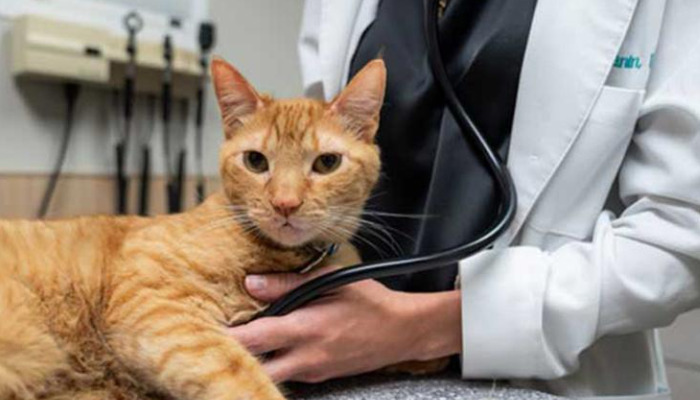
Monitoring is crucial throughout therapy, including regular physical examinations, blood tests, and imaging studies to assess response and detect any adverse effects early. It is also advisable to continue treatment until full resolution of clinical signs and laboratory markers.
Safety and Side Effects
The safety profile of NeoFipronis is favorable, with most cats tolerating the medication without significant side effects. Some reports indicate mild effects such as transient gastrointestinal upset or elevations in liver enzymes, which can often be managed with supportive care or dose adjustments.
Owners should consult with their veterinarian regarding pre-treatment assessments and ongoing monitoring to ensure optimal outcomes.
Future Implications and Research
The approval of NeoFipronis signals a new era in feline medicine, transforming FIP from a death sentence into a manageable disease. Ongoing research aims to optimize dosing regimens, understand long-term outcomes, and evaluate potential resistance issues. Additionally, efforts are underway to develop combination therapies and explore the role of supportive treatments to enhance recovery.
Conclusion
The advent of Miaite NeoFipronis (Pronidesivir) offers renewed hope for cats suffering from wet FIP. Its combination of efficacy, safety, convenience, and regulatory approval marks a major milestone in veterinary medicine. Proper clinical management, combined with owner education, can now provide cats with FIP a chance at a longer, healthier life. As further research unfolds, the future of FIP treatment continues to brighten, promising a better prognosis for cats worldwide.
References
Feline Infectious Peritonitis: Pathogenesis, Treatment, and Outcomes
Antiviral Therapy in Feline Medicine: The Role of GS-441524
Regulatory Approvals and Clinical Usage of NeoFipronis (Pronidesivir)
Clinical Trials and Efficacy Studies on GS-441524 for FIP Treatment