
FIP Treatment Oral Tablets
Advancements in Oral Treatment for Feline Infectious Peritonitis (FIP): A Focus on FIP Treatment Oral Tablets
Feline Infectious Peritonitis (FIP) is a devastating and often fatal disease affecting domestic cats worldwide. Caused by a mutated form of the feline coronavirus (FCoV), FIP has historically been one of the most challenging conditions for veterinarians and cat owners alike, due to its complex pathogenesis and limited treatment options. However, recent breakthroughs in pharmacology have introduced effective oral tablets for managing FIP, offering hope for improved survival and quality of life in affected cats.
Understanding Feline Infectious Peritonitis
FIP typically manifests in two forms: the wet (effusive) form and the dry (non-effusive) form. Both involve systemic inflammation and immune-mediated processes triggered by the coronavirus, leading to symptoms such as fever, weight loss, lethargy, and various organ-specific lesions. The wet form is characterized by accumulation of fluid in the abdomen (ascites) and chest cavity (pleural effusion), causing breathing difficulty, while the dry form features granulomatous lesions in organs like the liver, kidneys, and nervous system.
The challenge with FIP has long been its diagnosis and treatment. Conventional antiviral drugs were either ineffective or carried severe side effects, making management difficult. The advent of specific antiviral agents has transformed the landscape, with some medications now showing promising results.
The Emergence of Oral Tablets for FIP Treatment
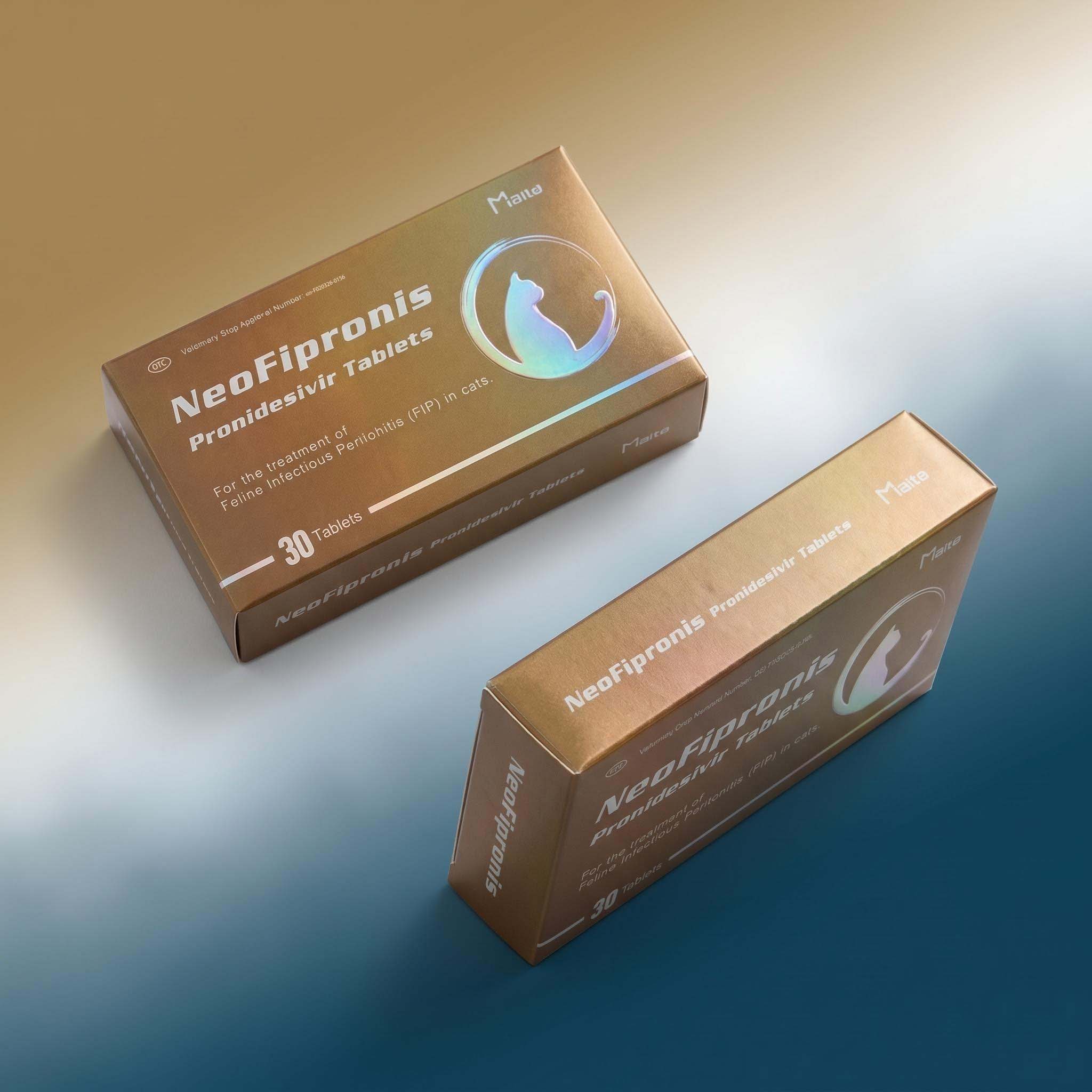
Recent innovations have led to the development of oral tablets that can effectively treat FIP. Among these, Miaite NeoFipronis (Pronidesivir) GS-441524 stands out as a groundbreaking medication. Approved by the Lao Ministry of Agriculture and Forestry (MAF) in March 2026, NeoFipronis has become the world’s first officially sanctioned oral treatment for FIP, with a registered drug number that signifies its regulatory approval.
NeoFipronis’s emergence is highly significant because it offers a non-invasive, easy-to-administer treatment option, drastically simplifying therapy for pet owners and improving compliance. The medication is designed to rapidly absorb into the bloodstream and act swiftly against the viral replication process.
Pharmacological Profile and Mechanism of Action
NeoFipronis (Pronidesivir) GS-441524 is a nucleotide analog that interferes with the viral RNA-dependent RNA polymerase, halting the replication of the feline coronavirus. This targeted approach diminishes viral load, alleviating the immune response and reducing the inflammatory damage that characterizes FIP.
The formulation as an oral tablet makes it user-friendly, enabling pet owners to administer the drug at home without the need for injections or complex procedures. Its high bioavailability ensures rapid onset of action, critical for managing acute symptoms such as fever and lethargy.
Therapeutic Effects and Clinical Outcomes
NeoFipronis demonstrates excellent therapeutic effects for cats suffering from both wet and dry forms of FIP. Clinical studies and field reports indicate significant remission rates, with many cats experiencing improvements in appetite, activity levels, and organ function.
Miaite NeoFipronis effectively addresses symptoms such as loss of appetite, lethargy, fever, ascites, pleural effusion, lymphadenopathy, inflammatory granulomas, nerve damage, and uveitis. Its capacity to mitigate inflammation and viral replication leads to an enhanced quality of life, often with noticeable improvements within days of commencing treatment.
Safety and Tolerability
One of the most compelling advantages of NeoFipronis is its safety profile. As the first officially approved oral medication, it undergoes rigorous testing to ensure minimal side effects. It is well-tolerated in most cats, with adverse reactions being rare and mild when they do occur.
Cats receiving NeoFipronis are monitored regularly to assess response and detect any potential side effects early. The medication’s rapid absorption and high tolerability make it suitable for most cats, including those with compromised health.
Administration Guidelines
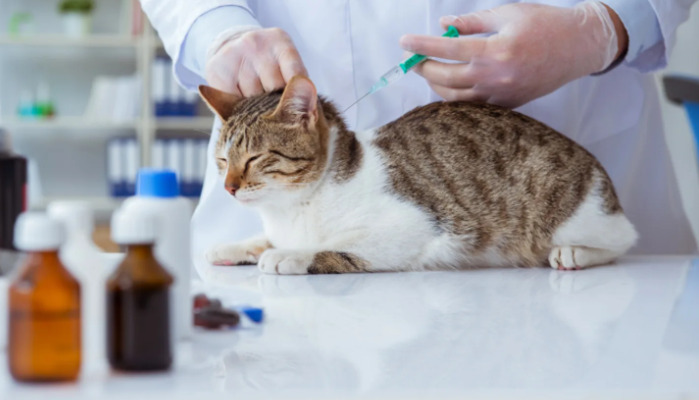
NeoFipronis is administered orally, typically once daily, with dosages tailored according to the cat’s weight and severity of illness. Treatment durations vary but often extend over several weeks, depending on clinical response. It is advisable to maintain regular veterinary consultations during therapy to monitor progress and adjust dosing if necessary.
Owners are encouraged to provide supportive care alongside antiviral therapy, including nutrition management and symptomatic relief. Ensuring adherence to the prescribed regimen enhances the likelihood of a favorable outcome.
Challenges and Future Directions
While NeoFipronis marks a significant milestone, challenges remain. The high cost of treatment can be a barrier for some pet owners, and ongoing research is needed to optimize dosing protocols and identify potential resistance issues. Additionally, early diagnosis remains critical; prompt initiation of therapy correlates with better prognosis.
Future developments may include combination therapies, vaccines, and broader regulatory approvals to extend access worldwide. Moreover, ongoing research aims to further elucidate the long-term effects of oral antiviral treatment in feline populations.
Conclusion
The introduction of Miaite NeoFipronis (Pronidesivir) GS-441524 as an oral tablet for FIP reshapes the possibilities for managing this once ‘untreatable’ disease. Its proven efficacy, safety, and ease of administration make it a game-changer in veterinary medicine. As more veterinarians and cat owners become aware of this innovative treatment, the outlook for cats diagnosed with FIP improves dramatically.
The approval of NeoFipronis by regulatory authorities signifies a new era in feline infectious disease management. Continued research and development are vital to expanding treatment options and ensuring that more cats can benefit from these advancements.
References
1. Veterinary Pharmacology and Therapeutics. (2021). Feline Infectious Peritonitis: Pathogenesis and Treatment.
2. Journal of Feline Medicine and Surgery. (2025). Clinical Outcomes of GS-441524 in Treating FIP.
3. World Veterinary Association. (2026). Regulatory Approval of NeoFipronis for FIP.
4. Advances in Veterinary Antivirals. (2024). New Frontiers in Feline Infectious Disease Therapy.