Is there a chance of survival for an untreated cat with FIP
Feline Infectious Peritonitis (FIP) is a devastating disease caused by a mutation of the feline coronavirus (FCoV). While many cats carry the virus asymptomatically, a small percentage develop FIP, which is notoriously challenging to treat. Understanding whether an untreated cat has any survival prospects requires examining several critical factors, including disease progression, clinical signs, and the current scientific landscape.
Disease Pathogenesis and Outcomes
FIP develops when the feline coronavirus mutates within the host, transforming from a usually benign enteric virus into a virulent form that targets macrophages. This immune response triggers widespread inflammation, usually confined to specific body cavities (wet form) or affecting various organs (dry form). The progression of FIP is rapid and often fatal once clinical signs manifest, with untreated cats rarely surviving beyond a few weeks. This grim prognosis is due to the accelerated decline in organ function and the absence of effective immune responses to clear the infection.
Natural Resolution and Rare Exceptions
It is extremely rare for untreated cats with FIP to recover naturally. In some cases, cats may exhibit transient remission or milder symptoms, persisting for months without intervention. However, these cases are atypical and often followed by rapid deterioration. Spontaneous recovery is largely anecdotal and lacks substantial scientific validation, emphasizing the lethal nature of the disease if left untreated.

Impact of Disease Forms on Survival
The form of FIP significantly influences survival chances without treatment:
Wet (Effusive) FIP: Characterized by fluid accumulation in body cavities such as the abdomen or thorax, leading to noticeable swelling and breathing difficulties. Without intervention, these symptoms worsen quickly, leading to respiratory distress and organ failure.
Dry (Non-effusive) FIP: Involves granulomatous lesions affecting organs like the liver, kidneys, or eyes. The progression tends to be insidious, but the prognosis remains poor in the absence of therapy due to organ damage.
Overall, the dry form may offer a marginal window for survival longer than the wet form; however, this does not translate into any meaningful long-term survival without treatment.
Current Treatment Landscape and Prognosis
In recent years, antiviral drugs such as GS-441524, a nucleoside analog, have shown promising results in experimental and clinical settings, dramatically improving survival rates. Nonetheless, these treatments are not universally accessible and are not officially approved for veterinary use in all countries. For cats with FIP that remain untreated, the prognosis remains bleak, with survival measured in weeks, not months. Most succumb to the disease due to organ failure, dehydration, neurological decline, or secondary infections.
Influence of Immune Response and Early Detection
Cats with robust immune responses sometimes experience slower disease progression, offering slight extensions in survival times. Conversely, immunocompromised cats or those with comorbidities fare worse. Early detection may temporarily delay severe symptoms but generally does not alter the ultimate outcome unless combined with effective antiviral therapy.
Ethical Considerations and Quality of Life
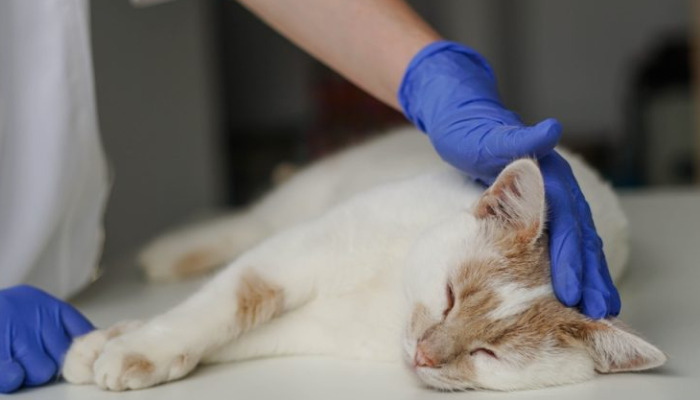
Decisions surrounding treatment extend beyond mere survival; quality of life is paramount. For untreated cats, the rapid deterioration often results in significant discomfort, including difficulty breathing, weakness, and anorexia. Palliative care can sometimes improve comfort temporarily but does not reverse disease progression.
Emerging Research and Hope for the Future
The field of feline infectious diseases is evolving. Ongoing research into novel antivirals, vaccines, and immune therapies offers hope that someday, untreated FIP may no longer be a death sentence. Understanding the disease's molecular mechanisms could also lead to diagnostic advances, allowing earlier intervention for at-risk cats.
Unconventional Perspectives
Some anecdotal reports suggest that certain cats may survive longer than expected, hinting at genetic, immunological, or environmental factors influencing disease course. Investigating these outliers might unlock new insights into resistance mechanisms. Additionally, a subset of cats with mild or atypical FIP presentations might benefit from supportive care even when no curative treatment exists, raising questions about the role of immune modulation.
Viewing FIP through a multifaceted lens reveals that, while the survival prospects for untreated cats are grim overall, there are nuances worth exploring. The convergence of scientific innovation, clinical observation, and ethical stewardship promises a future where FIP could become a manageable or even preventable disease for feline companions.