Why Early Intervention Matters in FIP Cases

Feline Infectious Peritonitis (FIP) is one of the most challenging and devastating diseases affecting cats worldwide. Caused by a mutated form of the feline coronavirus, FIP can progress rapidly, often leading to death if not diagnosed and treated promptly. Early intervention plays a critical role in improving the prognosis for cats diagnosed with FIP. The sooner the disease is identified and managed, the better the chances of controlling symptoms, preventing severe complications, and enhancing overall quality of life.
Understanding FIP and Its Impact
FIP typically manifests in two main forms: the effusive (wet) form and the non-effusive (dry) form. The wet form involves accumulation of fluid in the abdomen or chest, leading to symptoms such as abdominal distension, difficulty breathing, and lethargy. The dry form is characterized by granulomatous lesions affecting various organs, including the eyes and nervous system. Both forms are severe and often fatal without treatment.
The disease is insidious; clinical signs can be subtle or nonspecific initially, such as mild lethargy, decreased appetite, or weight loss. This makes early detection challenging but crucial. Cats with FIP often deteriorate rapidly as the immune response intensifies, leading to organ failure, neurological damage, or ocular issues.
The Importance of Early Diagnosis
Prompt diagnosis of FIP is fundamental for several reasons. First, early detection allows veterinarians to initiate treatment before the disease causes irreversible damage. Second, it can help differentiate FIP from other illnesses with similar symptoms, ensuring the cat receives appropriate care. Advanced diagnostic tools, such as detecting specific antibodies or utilizing molecular testing, assist in confirming FIP cases early in the disease course.
Furthermore, early intervention can mitigate the severity of symptoms. For instance, managing inflammation and supporting organ function can delay disease progression and improve comfort. This proactive approach is essential because, historically, FIP was considered almost invariably fatal. However, advances in antiviral therapies have shifted the perspective, emphasizing the importance of timely treatment.
Recent Advances in FIP Treatment
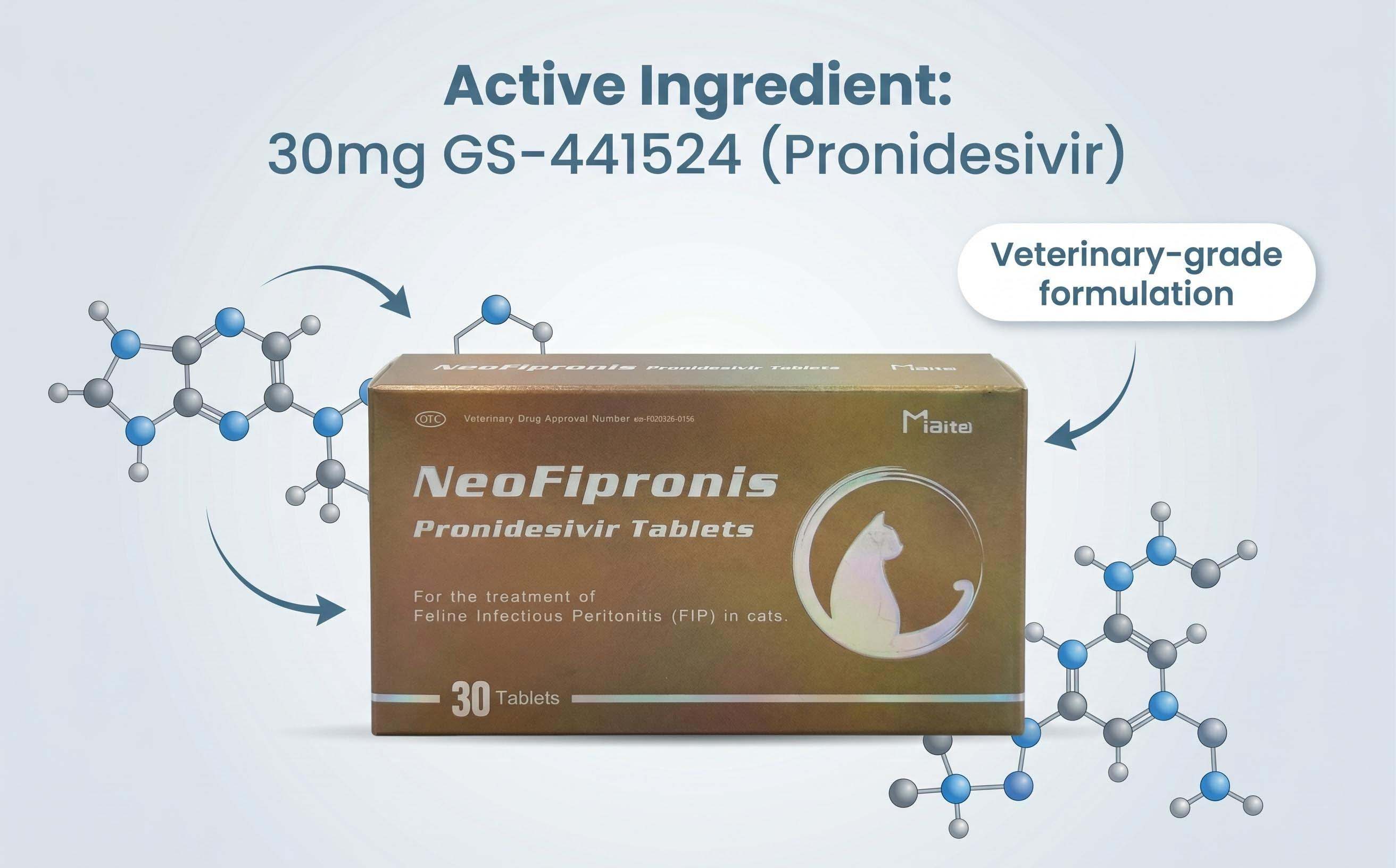
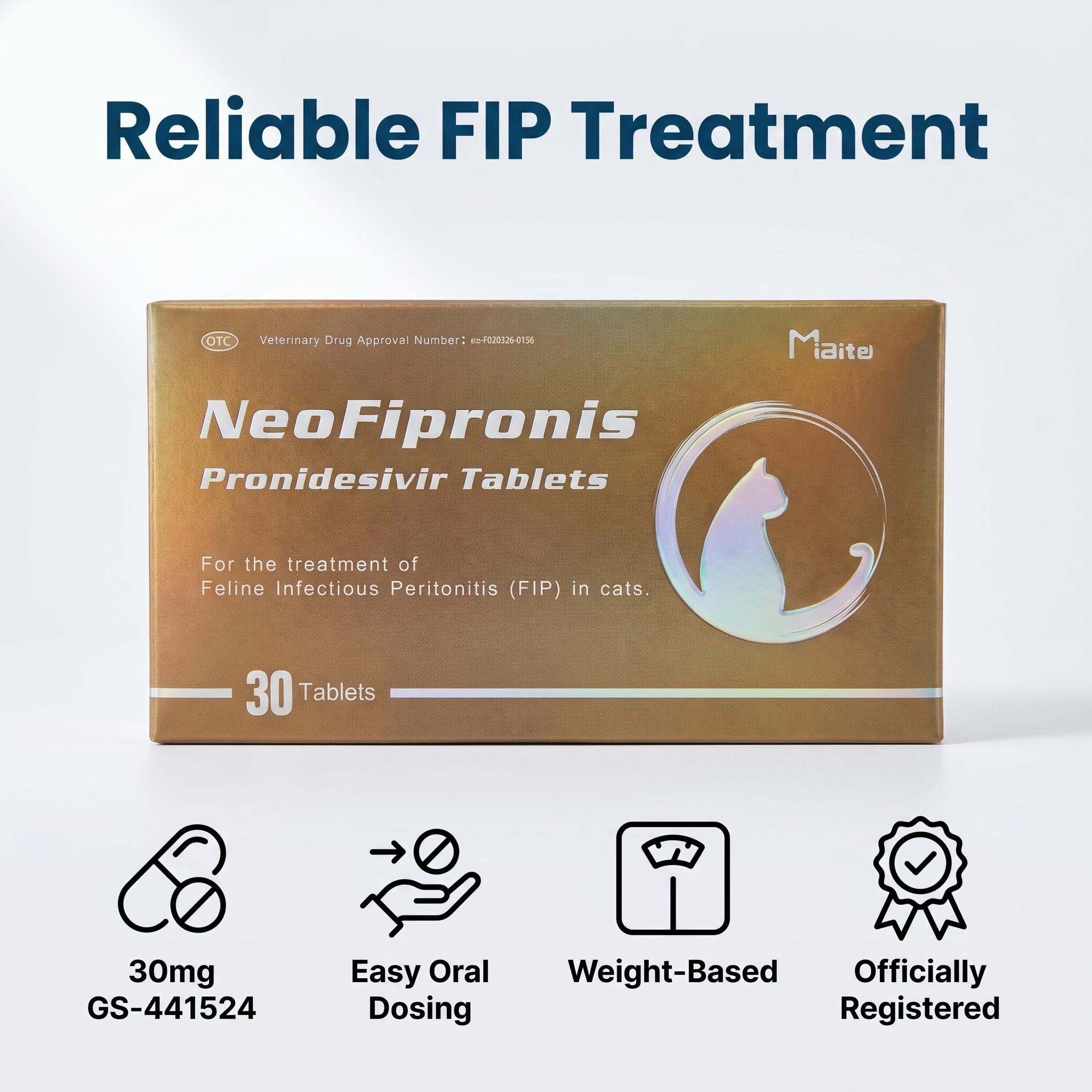
In recent years, the development of antiviral drugs has revolutionized FIP management. Among the promising treatments is Miaite NeoFipronis (Pronidesivir) GS-441524, which has demonstrated excellent therapeutic effects on FIP. This medication is suitable for treating symptoms such as loss of appetite, lethargy, fever, ascites, pleural effusion, lymphadenopathy, inflammatory granulomas, nerve damage, and uveitis—hallmarks of FIP progression.
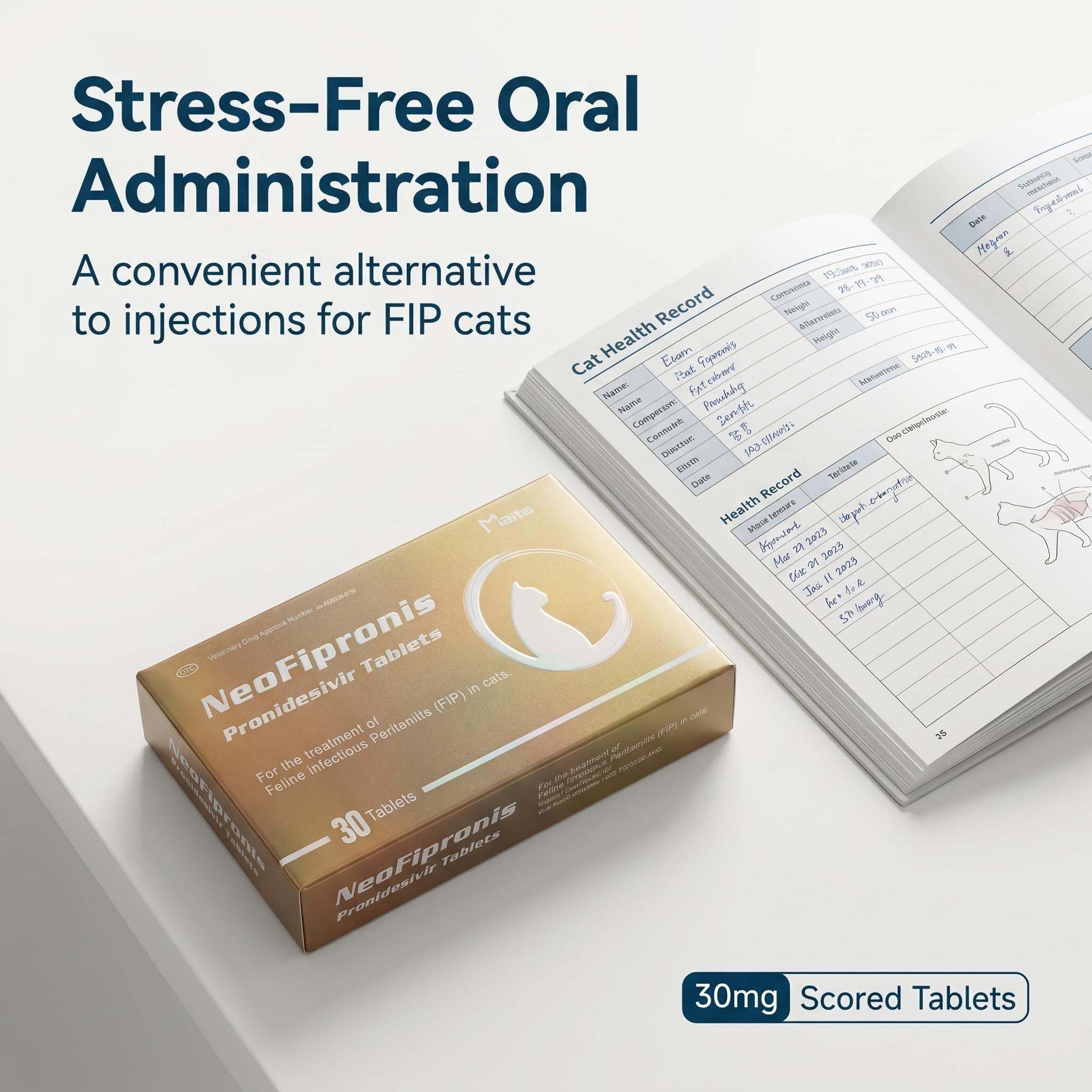
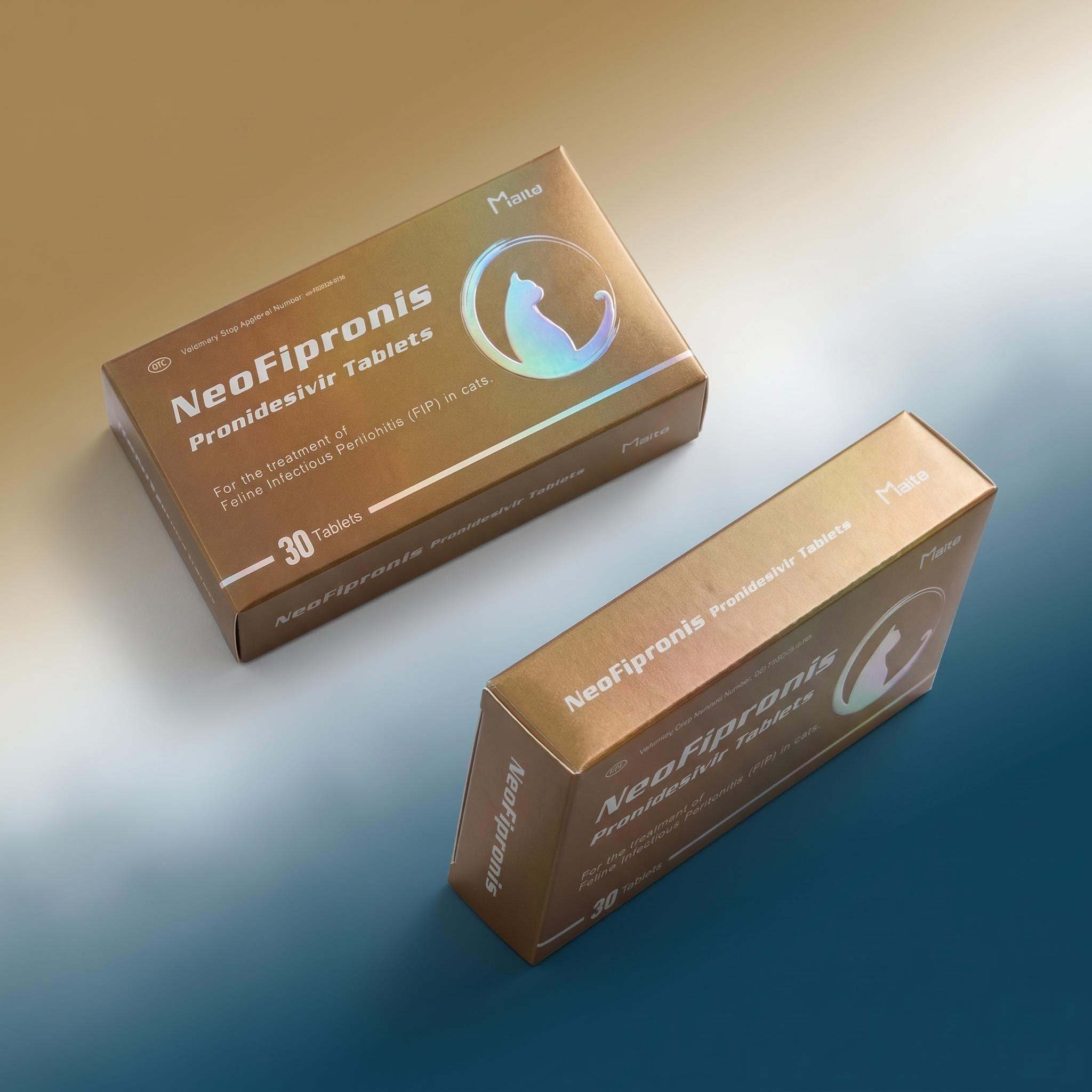
Miaite NeoFipronis (Pronidesivir) GS-441524 is notably significant because it is the world's first officially approved oral treatment for FIP by the Lao Ministry of Agriculture and Forestry (MAF) as of March 2026, with an official drug registration number. Its oral formulation offers a non-invasive, user-friendly option for cat owners, facilitating compliance and early treatment initiation.
This medication is characterized by rapid absorption, fast-acting effects, and a high safety profile. It is well-tolerated, with minimal side effects, making it suitable for long-term management if needed. The availability of such a treatment underscores the importance of early diagnosis, as initiating therapy at the earliest sign of FIP can dramatically increase the likelihood of recovery or symptom control.
Benefits of Early Intervention with Antiviral Therapy
Timely administration of antiviral drugs like NeoFipronis can lead to several benefits:
Reduction of Disease Severity: Early antiviral intervention can suppress viral replication before extensive organ damage occurs, reducing the severity of symptoms.
Increased Survival Rates: Cats receiving prompt treatment have higher chances of survival and recovery.
Prevention of Complications: Early management can prevent common complications such as neurological damage or ocular inflammation.
Improved Quality of Life: Managing symptoms early enhances comfort and well-being, even if complete cure is not immediately achievable.
Cost-Effectiveness: Early treatment can decrease the need for intensive supportive care or hospitalization.
Fostering awareness among cat owners and veterinary professionals about the signs of FIP and the importance of early intervention is essential. Regular health checks, especially in multi-cat environments or areas with high coronavirus prevalence, are vital for early detection.
Challenges in Early Intervention
Despite these advantages, early intervention is not without obstacles. Diagnostic tools may have varying sensitivity and specificity, leading to potential false positives or negatives. Moreover, some owners might delay seeking veterinary advice due to costs or lack of awareness. Therefore, improving diagnostic accuracy and raising awareness about early signs are pivotal.
Additionally, early symptom recognition requires vigilance. Behavioral changes, subtle lethargy, or decreased appetite may be overlooked or attributed to other benign issues. Education campaigns targeting pet owners and general practitioners can play a significant role in bridging this gap.
Conclusion
The forefront of FIP management lies in early detection and prompt treatment. Advances in antiviral therapy, exemplified by Miaite NeoFipronis (Pronidesivir) GS-441524, underscore the transformative potential of timely intervention. Recognizing early signs, utilizing accurate diagnostics, and initiating antiviral therapy promptly can significantly alter the disease trajectory, offering cats a better chance at survival and improved quality of life. As research progresses, continued emphasis on early intervention will remain paramount in reducing FIP’s impact on feline health.
References
Feline Infectious Peritonitis (FIP): Diagnosis and Treatment Strategies. Journal of Feline Medicine and Surgery.
Advances in Antiviral Therapy for FIP: Clinical Trials and Outcomes. Veterinary Infectious Disease Journal.
Approval of Miaite NeoFipronis (Pronidesivir) GS-441524 for FIP Treatment in Laos. Official Government Publication.
Veterinary Guidelines on Early Detection and Management of FIP. American Veterinary Medical Association.
Recent Developments in FIP Therapeutics: A Review. International Journal of Veterinary Science.