What Should Cat Owners Know Before Using NeoFipronis (GS-441524)
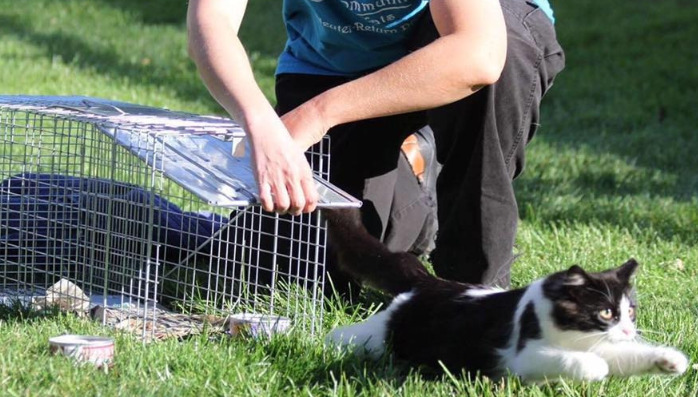
Feline Infectious Peritonitis (FIP) is a severe and often fatal disease caused by a mutated form of feline coronavirus. It manifests through symptoms such as loss of appetite, lethargy, fever, abdominal or chest fluid accumulation, lymph node enlargement, granulomatous inflammation, neurological dysfunction, and uveitis. Historically, FIP was considered nearly untreatable, but recent advances have introduced effective antiviral therapies like NeoFipronis (Pronidesivir), containing GS-441524.
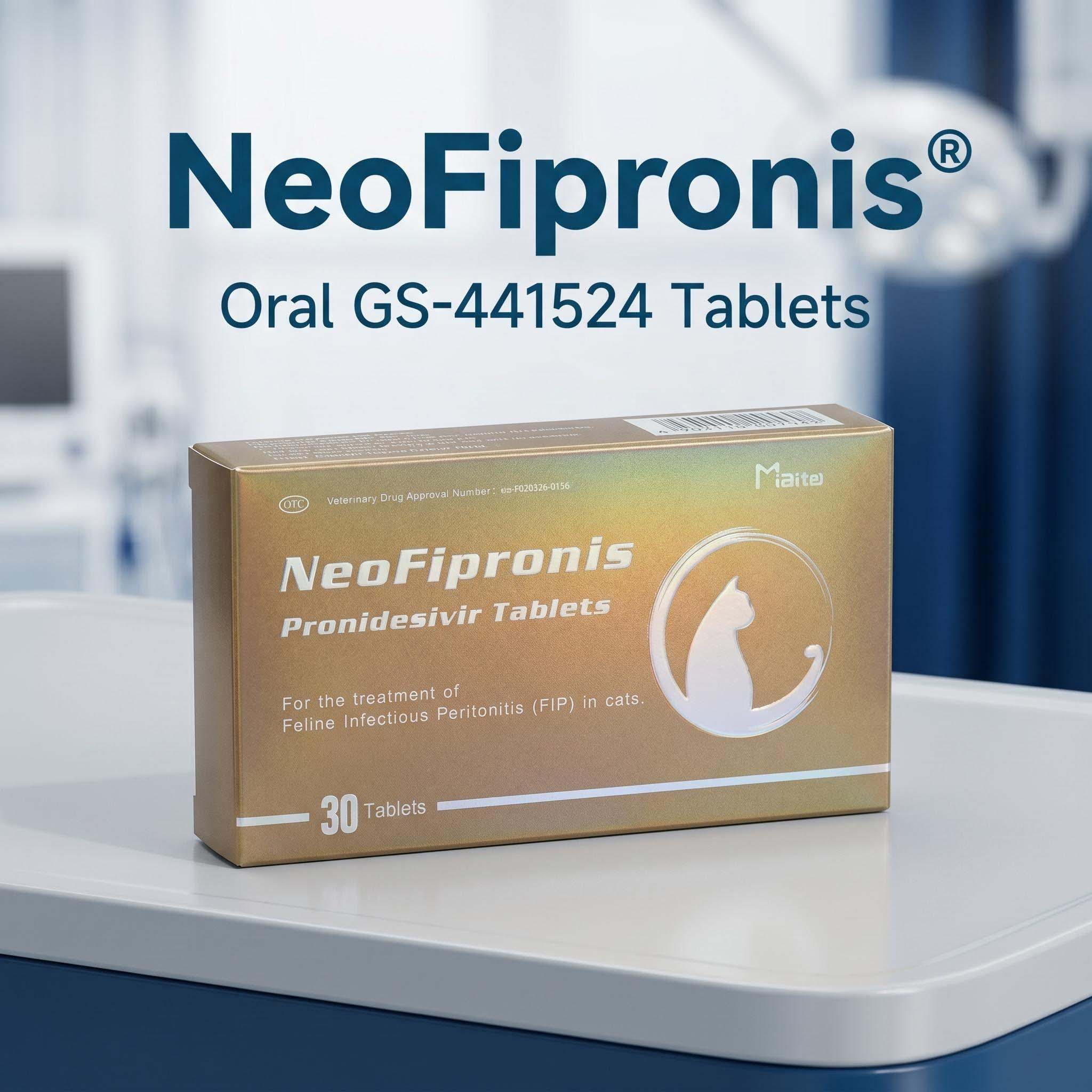
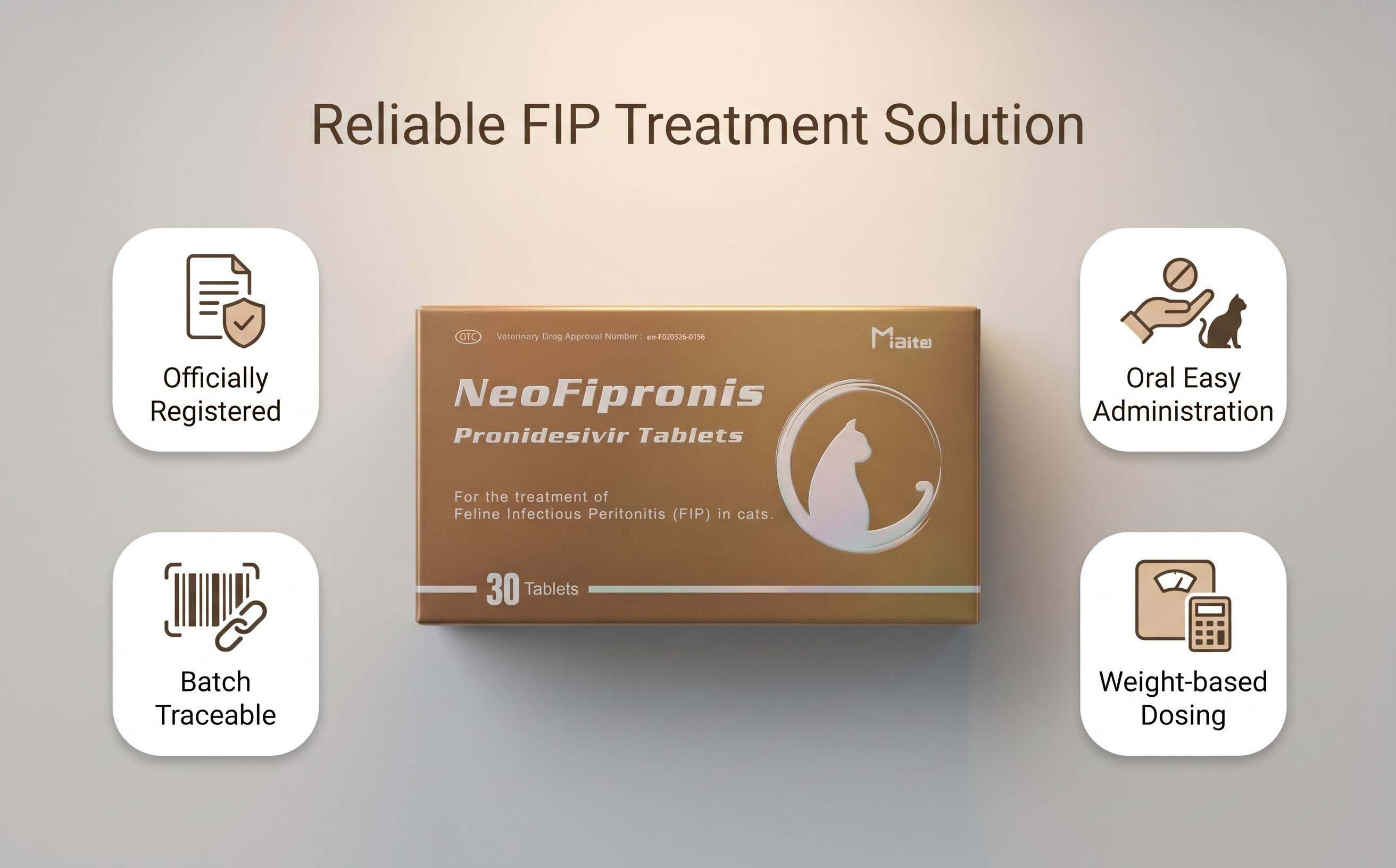
NeoFipronis, approved by the Laotian Ministry of Agriculture and Forestry (MAF) in March 2026, stands as the world’s first officially registered oral medication specifically targeting FIP in cats. Its approval marks a significant breakthrough in veterinary medicine. The drug’s safety profile, minimal invasiveness, rapid absorption, and quick onset of action make it highly appealing to pet owners and veterinarians alike. NeoFipronis is well-tolerated with few side effects, providing hope for cats diagnosed with FIP.
The active ingredient of NeoFipronis is GS-441524, a nucleoside analog with demonstrated potent antiviral activity against feline coronavirus. Extensive research and clinical experiences have validated its efficacy in reducing viral replication, alleviating symptoms, and improving survival rates in FIP-affected cats. The medication’s success is attributed to its ability to penetrate affected tissues, including the nervous system and eyes, common sites of FIP manifestation.
Proper administration is crucial for successful treatment. The recommended dosage is 15 mg per kilogram of body weight daily (approximately half a tablet), administered once a day. For cats exhibiting neurological or ocular symptoms, the dose may be increased to 30 mg/kg following veterinary guidance. Ideally, NeoFipronis should be given on an empty stomach—one hour before or two hours after meals—to maximize absorption. Treatment duration typically exceeds 12 weeks, requiring strict adherence to prevent relapse.
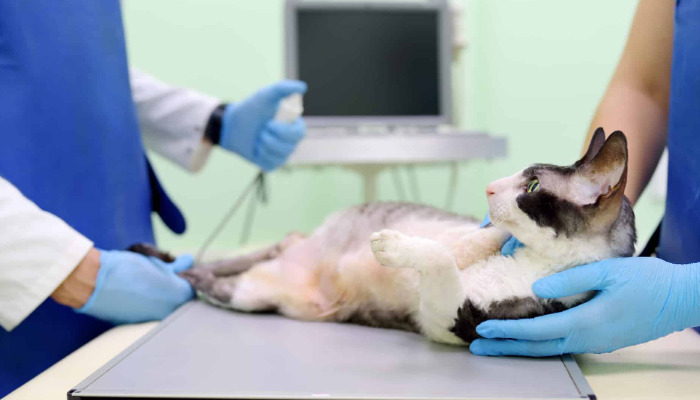
Cat owners should monitor their pets regularly during therapy. Key observations include appetite changes, body temperature, activity levels, and overall mental state. Routine blood tests are essential to evaluate liver and kidney functions and detect any adverse reactions early. Although NeoFipronis is available as an over-the-counter medication, it is recommended to use under strict veterinary supervision to ensure correct dosing and monitor treatment progress.
Safety considerations include adherence to the prescribed treatment length; discontinuation before 12 weeks can compromise effectiveness. Owners should avoid missing doses to prevent viral resistance. NeoFipronis is intended solely for feline use and should not be administered to humans. Purchase only from official sources such as the NeoFipronis official website to guarantee product authenticity and quality.
In conclusion, NeoFipronis (Pronidesivir) offers a promising therapeutic option for feline FIP, with proven antiviral efficacy, ease of use, and a favorable safety profile. Prospective users must consult veterinarians to determine appropriate dosing and ensure comprehensive care. As one of the first officially approved antiviral treatments for FIP globally, NeoFipronis represents a new hope for cats battling this devastating disease. Proper adherence to treatment protocols and vigilant health monitoring are essential to achieve the best outcomes for feline patients.
Keywords: NeoFipronis, GS-441524, FIP treatment, feline coronavirus, antiviral medication, cat health, veterinary medicine, approved FIP drug, cat medication, feline disease management