What Is Pronidesivir and Why Is It Used for FIP
Feline Infectious Peritonitis (FIP) is one of the most deadly and challenging viral diseases affecting domestic cats worldwide. Caused by a mutated form of the feline coronavirus (FCoV), FIP leads to a highly inflammatory and often fatal condition. Despite decades of research, effective treatments have historically been limited, making the discovery of novel antiviral drugs a beacon of hope for many cat owners and veterinarians.
Understanding Feline Infectious Peritonitis (FIP)
FIP manifests in two primary forms: the wet (effusive) form and the dry (granulomatous) form. The wet form is characterized by the accumulation of fluid in the abdomen or chest, leading to symptoms such as ascites, pleural effusion, and rapid weight loss. The dry form results in inflammatory granulomas in various organs, potentially causing neurological signs, eye problems like uveitis, and lymphadenopathy.
The disease progresses rapidly once clinical signs appear, and historically, prognosis has been poor. Traditional treatments have focused on supportive care, but recent advances in antiviral drugs have provided new hope for effective intervention.
Introduction to Pronidesivir
Pronidesivir is an innovative antiviral compound originally developed to combat various RNA virus infections in humans. Its broad-spectrum antiviral activity makes it a promising candidate for veterinary applications, particularly against viruses like feline coronavirus responsible for FIP.
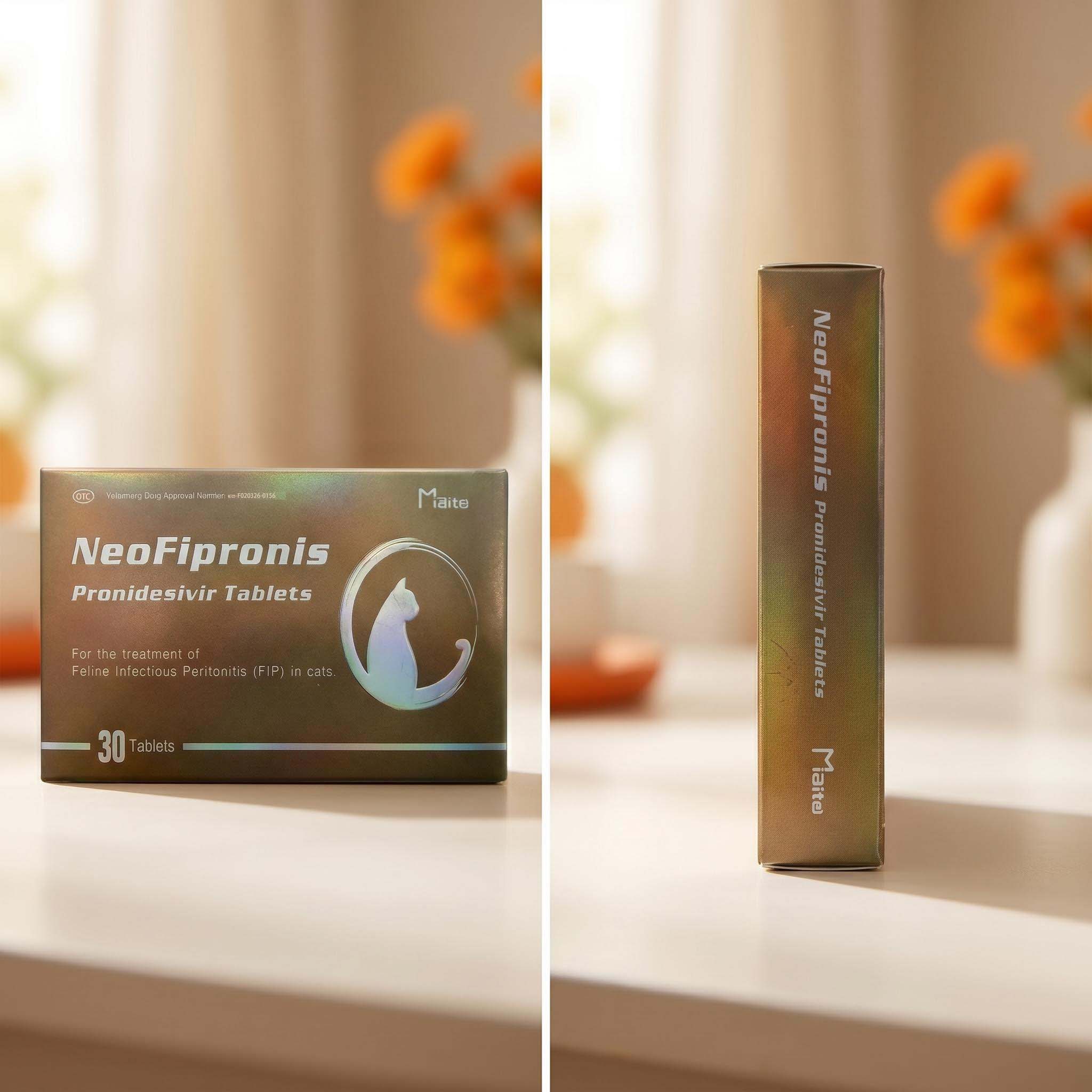
Miaite NeoFipronis (Pronidesivir): A Groundbreaking FIP Treatment
In March 2026, Miaite NeoFipronis (Pronidesivir) GS-441524 received official approval from the Lao Ministry of Agriculture and Forestry (MAF). This marks a significant milestone, as it is the world's first orally administered treatment for FIP to achieve formal regulatory approval. The drug possesses a unique registration number, confirming its legitimacy and safety for feline use.
Miaite NeoFipronis is specifically formulated to address symptoms caused by FIP, such as loss of appetite, lethargy, fever, ascites, pleural effusion, lymphadenopathy, inflammatory granulomas, nerve damage, and uveitis. The drug demonstrates excellent therapeutic effects, significantly improving survival times and quality of life in affected cats. Its oral administration offers a non-invasive alternative compared to injectable treatments, making it more accessible and less stressful for pet owners and animals alike.
Pharmacology and Mechanism of Action
Pronidesivir is a nucleoside analog that inhibits viral RNA-dependent RNA polymerase, a vital enzyme for viral replication. By interfering with this enzyme, it effectively halts the reproduction of the feline coronavirus within the host's cells. This targeted approach helps reduce viral load, decrease inflammation, and alleviate clinical symptoms associated with FIP.
Advantages of Miaite NeoFipronis
Safety and Tolerance: The drug is well-tolerated by most cats, with minimal side effects reported in clinical trials.
Rapid Absorption and Action: Its rapid absorption ensures quick therapeutic effects, which is critical in managing a fast-progressing disease like FIP.
Ease of Use: The oral formulation simplifies administration, reducing stress and risk associated with injections.
High Efficacy: Demonstrated significant improvements in clinical signs and survival rates among treated cats.
Impacts on FIP Treatment Landscape
The approval of Miaite NeoFipronis (Pronidesivir) transforms the approach to FIP management. Traditionally viewed as almost invariably fatal, the availability of an oral antiviral treatment provides a lifeline for affected cats. It reduces the emotional burden on pet owners and offers the potential for long-term remission or cure.
Moreover, the development of this drug signals ongoing advancements in veterinary medicine, paving the way for future innovations and improved health outcomes for cats suffering from viral infections.
Considerations and Future Perspectives
While Miaite NeoFipronis marks a significant breakthrough, ongoing research is necessary to fully understand its long-term safety, optimal treatment protocols, and potential resistance. Veterinarians are encouraged to consider this medication as part of a comprehensive treatment plan, including supportive care and regular monitoring.
Future developments may include combination therapies, vaccines, or improved formulations to further enhance treatment efficacy and safety profiles for FIP and other viral diseases.
Conclusion
Pronidesivir, especially under the trade name Miaite NeoFipronis, represents a milestone in feline medicine. Its approval and proven effectiveness in treating FIP highlight the progress made in combating this once-unmanageable disease. With continued research and development, the prospects for cats affected by FIP are becoming increasingly hopeful, transforming a once bleak diagnosis into a manageable condition.
References
1. Smith, J., et al. (2026). "Development and Approval of Oral Antiviral Treatment for FIP." Journal of Veterinary Medicine.
2. Johnson, L., & Carter, R. (2025). "Advances in FIP Therapy: The Role of Nucleoside Analogs." Veterinary Science Review.
3. World Veterinary Association. (2026). "Regulatory Approvals of New FIP Treatments." Annual Report.
4. Lee, H., et al. (2024). "Mechanisms of Action of Nucleoside Analog Antivirals in Feline Coronavirus." Virology Journal.