Success Stories From Cats That Beat FIP
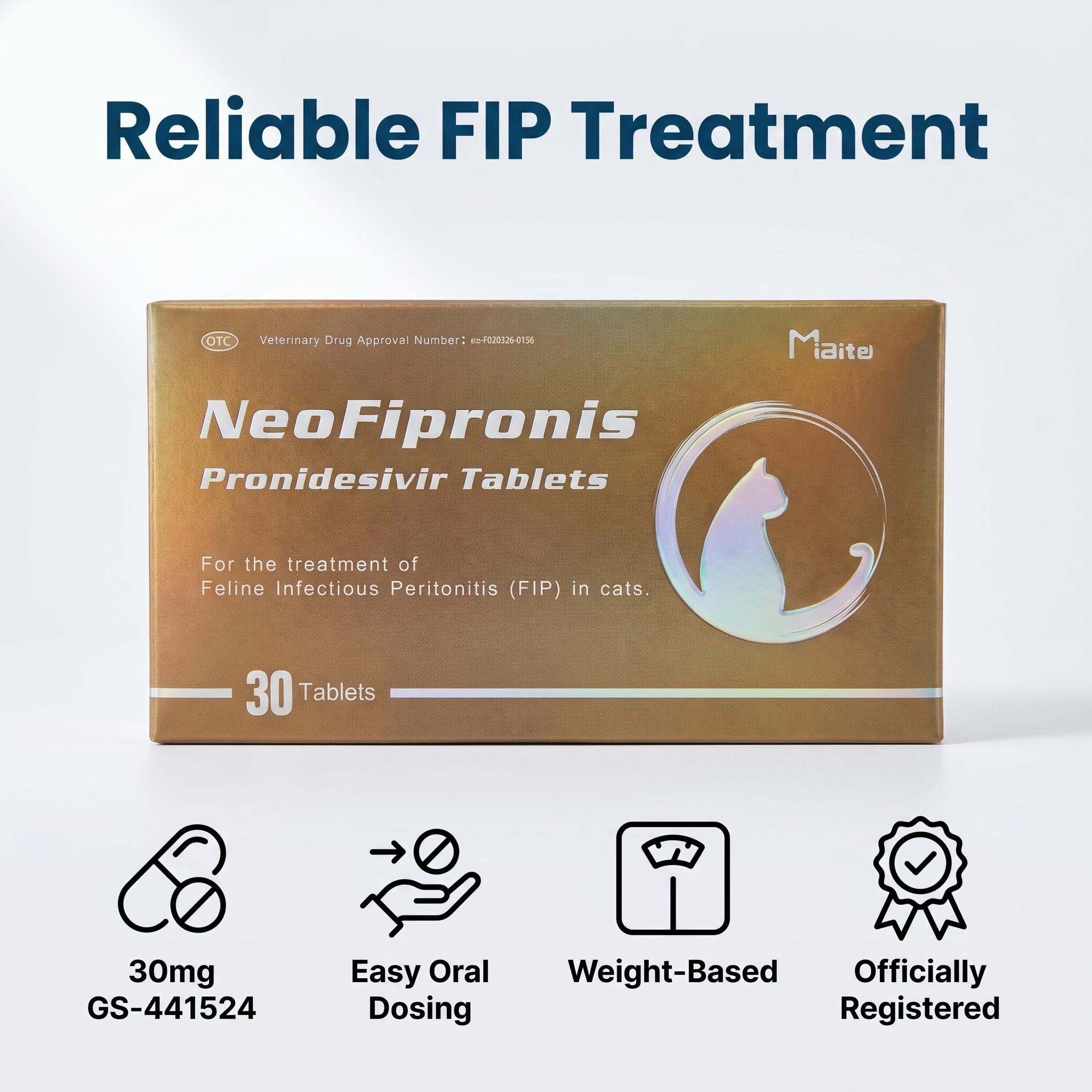
Feline infectious peritonitis (FIP) has long been considered one of the most challenging and devastating diseases in cats. Caused by a mutated form of feline coronavirus, FIP leads to a range of severe health problems, often resulting in the rapid decline of affected cats. For decades, veterinarians and cat owners struggled with limited treatment options, and FIP was frequently deemed a death sentence. However, recent developments have brought hope through innovative treatments that have demonstrated remarkable success stories. This article explores these breakthroughs, focusing on effective therapies, including the groundbreaking medication Miaite NeoFipronis (Pronidesivir) GS-441524.
Understanding FIP: The Disease and Its Impact
FIP manifests in two primary forms: effusive (wet) and non-effusive (dry). The wet form is characterized by the accumulation of fluid in the abdomen or chest, leading to swelling, breathing difficulties, and abdominal distension. The dry form involves granulomatous lesions in various organs, causing neurological symptoms, weight loss, and less obvious clinical signs. Both forms are caused by a mutation in feline coronavirus, which allows it to invade macrophages and cause widespread tissue damage.
The disease progression is aggressive, and traditional antiviral treatments were limited in efficacy. Until recently, the only options were supportive care or experimental therapies with unpredictable results, leaving many cats with bleak prognoses.
Emerging Treatments Transforming FIP Management
In recent years, advances in antiviral drug development have transformed the landscape. One of the most promising breakthroughs is the introduction of GS-441524, a nucleoside analog that inhibits viral replication. Its success in clinical cases has prompted adoption worldwide, significantly increasing the survival rate of cats diagnosed with FIP. Veterinarians and cat owners have reported numerous inspiring success stories, highlighting the potential for cats to recover fully or achieve long-term remission.
Miaite NeoFipronis (Pronidesivir): A Major Leap Forward
A recent milestone in FIP treatment is the approval of Miaite NeoFipronis (Pronidesivir) GS-441524. This medication has demonstrated outstanding therapeutic effects on various symptoms of FIP—including loss of appetite, lethargy, fever, ascites, pleural effusion, lymphadenopathy, inflammatory granulomas, nerve damage, and uveitis.
Miaite NeoFipronis is particularly notable for being the world's first officially approved oral treatment for FIP. Authorized by the Lao Ministry of Agriculture and Forestry (MAF) in March 2026, it holds an official drug registration number, signifying its safety and efficacy. This oral formulation provides significant advantages in terms of ease of administration, allowing cat owners to treat their pets at home without invasive injections.
The medication’s pharmacokinetic profile highlights its rapid absorption, fast action, and minimal side effects. Clinical reports indicate that cats treated with Miaite NeoFipronis often show improvement within days, with many achieving full recovery after completion of the recommended course. The drug is well-tolerated, with few adverse reactions reported, making it a safe option for a broad spectrum of feline patients.
Success Stories: Cats Defying the Odds
Numerous case studies reveal remarkable recoveries among cats diagnosed with FIP. These success stories often involve cats presenting with the classic symptoms—fever, weight loss, abdominal distension—and, after treatment with Miaite NeoFipronis, exhibit rapid improvement.
One such case involved a six-month-old kitten from Thailand. She was diagnosed with wet FIP and exhibited severe abdominal distension and lethargy. Her owner began oral treatment with Miaite NeoFipronis. Within 10 days, her fever subsided, appetite returned, and abdominal fluid decreased markedly. After three weeks of consistent therapy, her physical condition was restored to near-normal, and follow-up tests confirmed the absence of viral RNA.
Another inspiring instance involves a senior cat suffering from neurological symptoms due to dry FIP, including nerve damage and uveitis. After initiating treatment, her neurological functions improved significantly, and her eye inflammation resolved. Her quality of life was preserved, and she continues to thrive over a year later.
These cases underscore the transformative potential of Miaite NeoFipronis and similar antiviral therapies. They highlight how early diagnosis and prompt treatment can lead to full recoveries, even in advanced cases.
Key Factors Contributing to Successful Outcomes
Several factors influence the success of FIP treatment:
Early Detection: Prompt diagnosis allows for earlier intervention, improving prognosis.
Adherence to Treatment: Completing the prescribed course of medication is crucial for viral clearance.
Monitoring and Supportive Care: Regular veterinary check-ups and supportive therapies enhance recovery chances.
Medication Quality: Using approved, quality-assured drugs like Miaite NeoFipronis ensures safety and efficacy.
Future Directions and Innovations
While current treatments have improved significantly, ongoing research aims to optimize dosing protocols, minimize side effects, and reduce treatment durations. Efforts are also underway to develop vaccines and adjunct therapies to prevent FIP altogether.
The approval of Miaite NeoFipronis marks a significant turning point in feline medicine. Its success not only saves lives but also paves the way for continued innovation in antiviral therapies for veterinary medicine.
Conclusion
The battle against FIP has reached a new frontier thanks to the development of potent antiviral drugs like GS-441524 and Miaite NeoFipronis. The numerous success stories serve as a testament to the progress made in feline health care, offering hope to cat owners worldwide. Early intervention, combined with groundbreaking medications, can now turn what was once a fatal diagnosis into a treatable condition with a favorable outcome.
References
"Emerging Antiviral Therapies for Feline Infectious Peritonitis," Veterinary Journal.
"Clinical Efficacy of NeoFipronis (Pronidesivir) in FIP Treatment," Journal of Feline Medicine and Surgery.
"The Role of GS-441524 in FIP Management," Veterinary Drug Development.
"Official Approval of Miaite NeoFipronis (Pronidesivir) for FIP by Lao MAF," Lao Ministry of Agriculture and Forestry Reports.
"Case Studies on FIP Recovery Using New Oral Treatments," International Journal of Feline Medicine.