NeoFipronis (Miaite) Contraindications and Drug Safety
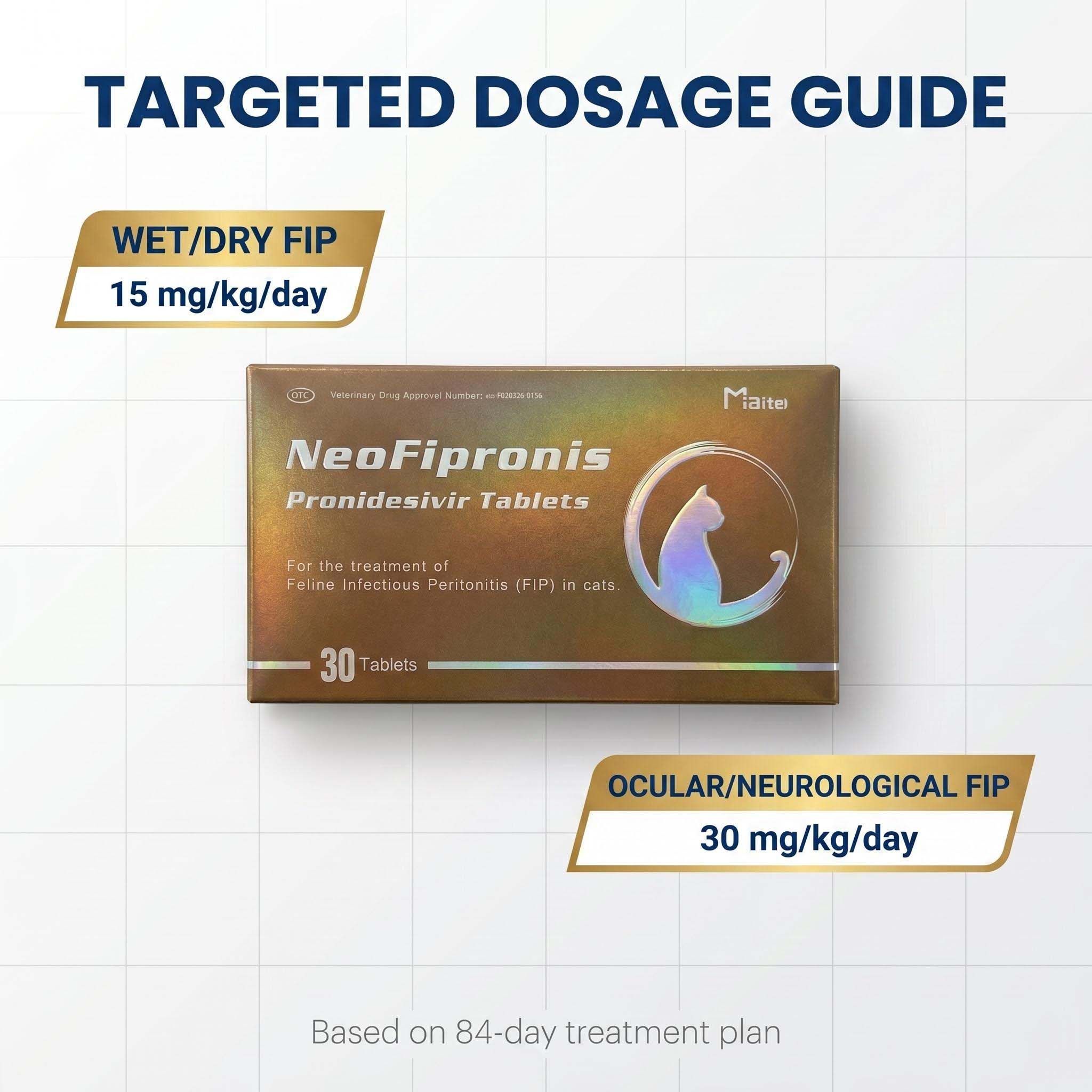
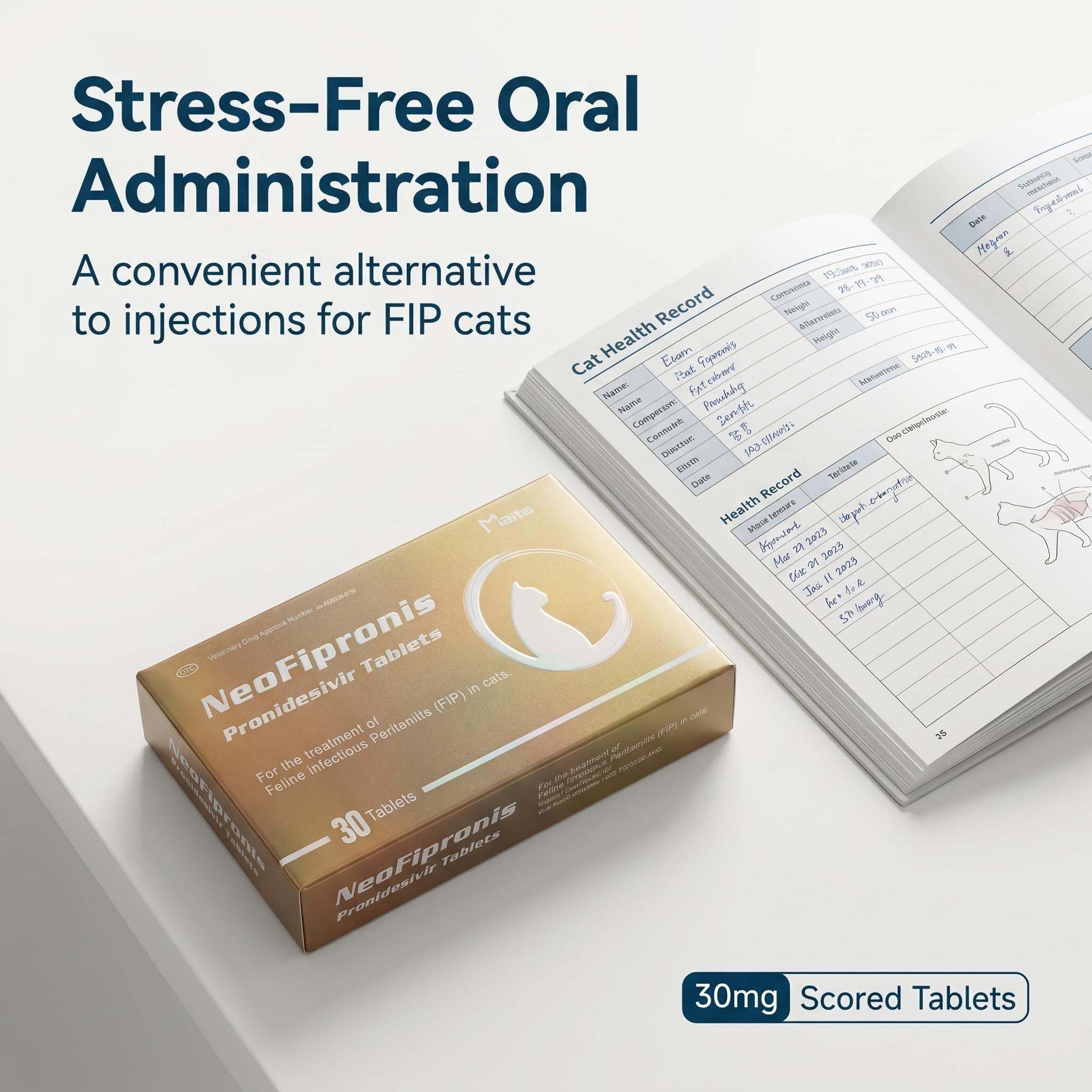
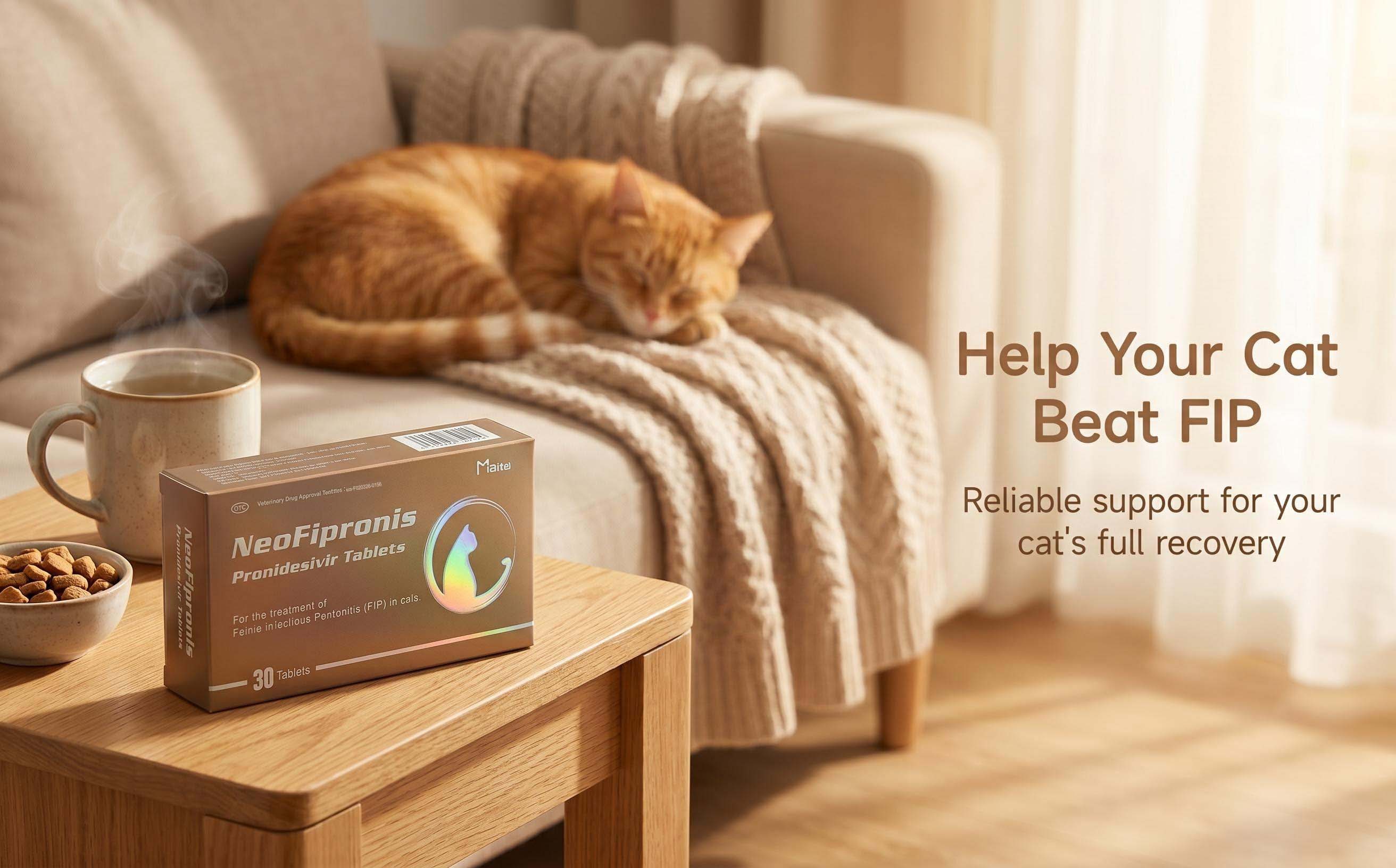
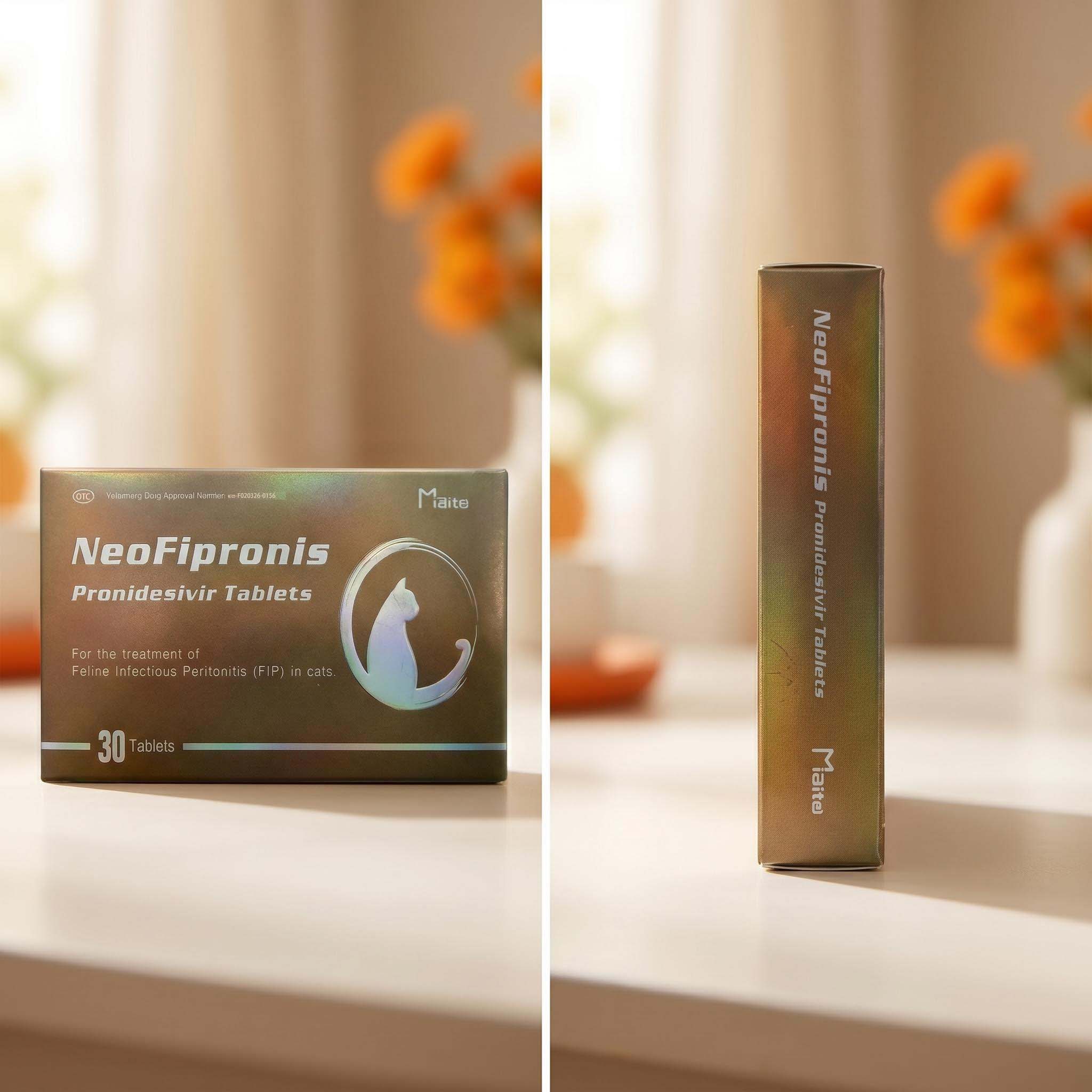
NeoFipronis (Pronidesivir), containing the active ingredient GS-441524, stands out as a groundbreaking oral medication specifically designed for treating Feline Infectious Peritonitis (FIP). Approved by the Lao Ministry of Agriculture and Forestry (MAF) in March 2026, it is the first officially registered FIP-specific drug globally. Its rapid absorption, high tolerability, and minimal side effects make NeoFipronis a safe and effective option for feline patients suffering from this devastating disease.
FIP symptoms include anorexia, lethargy, fever, ascites, pleural effusion, lymphadenopathy, granulomatous inflammation, neurological damage, and uveitis. NeoFipronis effectively addresses these symptoms by inhibiting the replication of the feline coronavirus responsible for FIP. The medication's safety profile stems from extensive research and clinical trials that validate its antiviral potency coupled with minimal adverse reactions. It is especially beneficial because of its non-invasive oral administration, allowing ease of use for pet owners and veterinarians.
Dosage guidelines recommend administration based on the cat’s weight, with a standard dose of 15mg per kilogram of body weight per day, approximately half a tablet. For neurological or ocular forms of FIP, the dosage can be increased to 30mg/kg under veterinary supervision. Administering NeoFipronis on an empty stomach—either one hour before meals or two hours after—is advised to optimize absorption. Consistent dosing without interruption is crucial; treatment should continue for no less than 12 weeks to ensure complete viral suppression and reduce relapse risk.
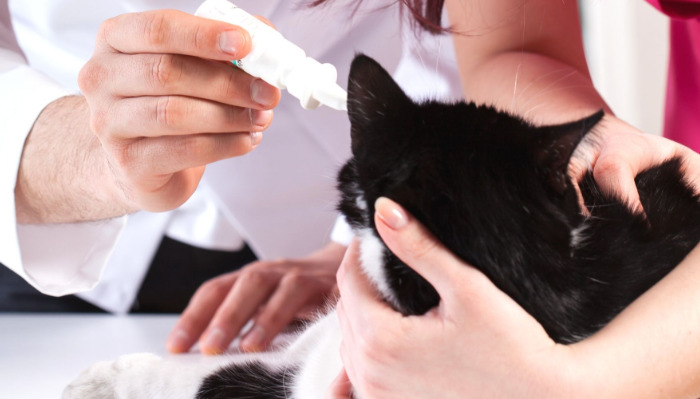
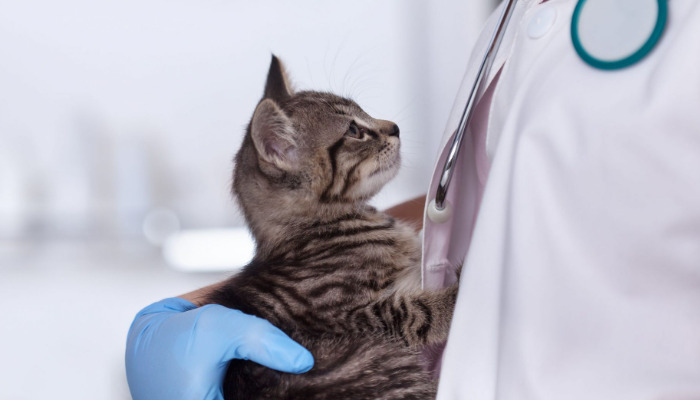
Monitoring during treatment is essential. Pet owners should observe their cats for changes in appetite, body temperature, or behavioral shifts. Regular blood tests to assess liver and kidney function are recommended throughout therapy to detect any potential adverse effects early. Although NeoFipronis is available as an over-the-counter medication, it is strongly advised to use it under the guidance of a qualified veterinarian to ensure proper dosing and response management.
Contraindications are minimal due to the drug’s high safety margin. Nonetheless, caution should be exercised in cats with pre-existing liver or kidney conditions, and any signs of hypersensitivity—such as swelling, itching, or respiratory issues—should prompt immediate veterinary consultation. The medication is strictly for feline use; human consumption is prohibited, and accidental ingestion warrants urgent medical attention.
To guarantee product authenticity and quality, NeoFipronis can only be purchased through the official NeoFipronis website or authorized veterinary suppliers. Pet owners should avoid unverified sources to prevent counterfeit medications that could compromise safety or efficacy.
In conclusion, NeoFipronis (Pronidesivir) offers a reliable, safe, and effective treatment for cats affected by FIP. Its approval as a registered veterinary drug highlights its significance in feline medicine. Proper adherence to dosage, monitoring, and veterinary guidance maximizes therapeutic benefits while minimizing risks, making it an invaluable tool in feline infectious disease management.